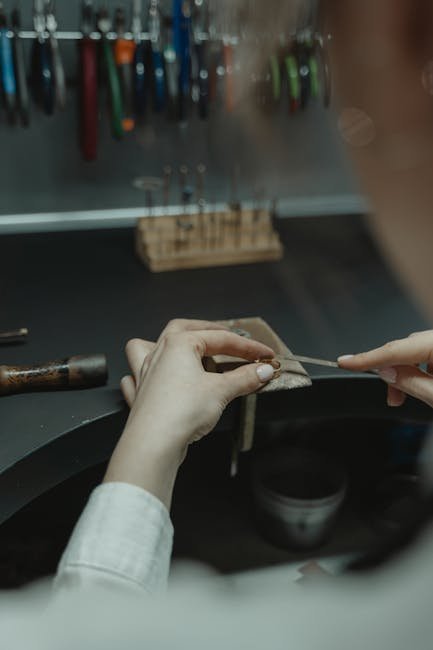
Are you looking to master metalwork with precision and ease? A bench grinder can be your best friend in shaping, sharpening, and smoothing metal pieces.
But using it safely and effectively takes more than just turning it on. In this guide, you’ll discover simple, step-by-step tips to get the most out of your bench grinder. Whether you’re a beginner or want to improve your skills, this post will help you work faster, safer, and with better results.
Keep reading to unlock the full potential of your bench grinder and take your metalwork to the next level.

Credit: www.youtube.com
Choosing The Right Bench Grinder
A bench grinder is an important tool for metalwork. Picking the right one makes your work easier and safer. This guide helps you choose the best bench grinder for your needs.
Consider the type of grinder, the wheels you need, and the motor power. These factors affect how well the grinder performs.
Types Of Bench Grinders
Bench grinders come in different types. Each type suits different metalwork tasks. Choose one that fits the jobs you do most.
Some grinders have one wheel, while others have two wheels. Two-wheel grinders are more common and versatile.
- Single-wheel grinders: Compact and good for small jobs
- Two-wheel grinders: Better for general use and more stable
- Variable speed grinders: Allow speed adjustments for different materials
Selecting The Correct Wheel
The grinding wheel you choose affects the finish and speed of your work. Wheels differ in size, material, and grit.
Use softer wheels for delicate metals and harder wheels for tough materials. The right grit helps you get a smooth or rough finish.
- Coarse grit wheels remove metal fast but leave rough marks
- Fine grit wheels give a smooth finish but remove metal slowly
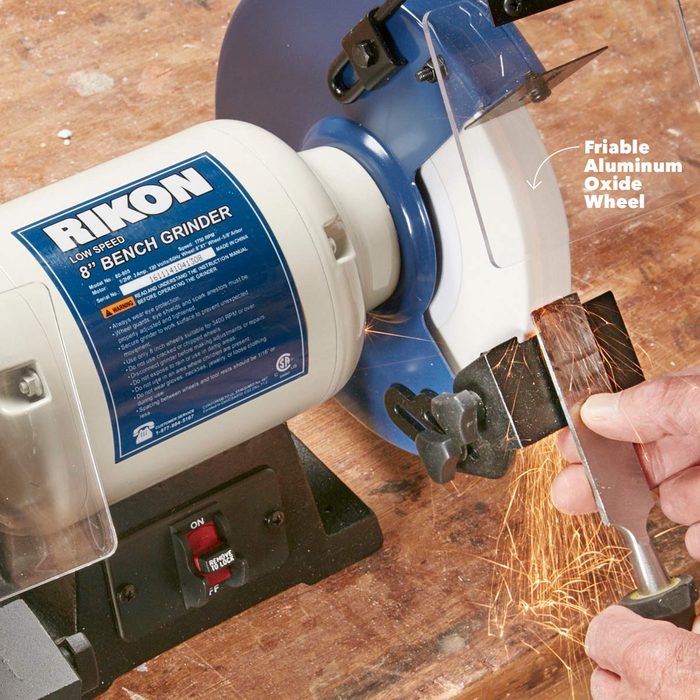
- Aluminum oxide wheels are good for steel and iron
- Silicon carbide wheels work well on non-ferrous metals
Motor Power And Speed
Motor power affects how well the grinder handles heavy jobs. More power means the grinder runs smoothly without slowing down.
Speed is measured in revolutions per minute (RPM). Different tasks need different speeds for best results.
- Higher power motors work better for long or hard grinding tasks
- Lower power motors are fine for light or occasional use
- Standard speed is around 3,450 RPM for most metalwork
- Variable speed grinders let you adjust RPM for different metals
Credit: www.familyhandyman.com
Setting Up Your Bench Grinder
Setting up your bench grinder correctly helps you work safely and efficiently. This guide covers the key steps for a good setup.
Focus on installing the grinder properly, wearing the right safety gear, and preparing your workspace well.
Proper Installation
Place your bench grinder on a sturdy, flat surface to avoid movement during use. Secure it with bolts or clamps if possible.
Check that the grinder is balanced and the wheels spin freely without wobbling. Follow the manufacturer’s instructions for assembly.
- Use a solid workbench or stand
- Tighten mounting bolts securely
- Ensure power cord is safely positioned
- Check wheel alignment and balance
Safety Gear Essentials
Wear safety gear to protect yourself from sparks and flying debris. Eye and ear protection are very important.
Use gloves and a dust mask to guard your hands and lungs. Avoid loose clothing or jewelry near the grinder.
- Safety goggles or face shield
- Ear plugs or ear muffs
- Dust mask or respirator
- Protective gloves
- No loose clothing or jewelry
Workspace Preparation
Clear your workspace of clutter to avoid accidents. Keep the area well lit and ventilated for comfort and safety.
Have a fire extinguisher nearby. Make sure there is enough space to work and move safely around the grinder.
- Clear all unnecessary items
- Ensure good lighting and airflow
- Keep a fire extinguisher close
- Maintain enough free space
Basic Operation Techniques
Using a bench grinder correctly is important for safe and effective metalwork. This guide explains key operation techniques.
Learn how to start and stop the grinder, hold the metal at the right angle, and keep steady contact with the wheel.
Starting And Stopping
Always check that the grinder is off before plugging it in. Wear safety gear before starting the machine.
Turn the grinder on and let the wheel reach full speed before using it. When done, turn off the grinder and wait for the wheel to stop completely.
Correct Grinding Angles
Hold the metal piece at the right angle to the grinding wheel. This helps remove material evenly and avoids damage.
Use these common angles for different tasks:
- Grinding edges: 20 to 30 degrees
- Sharpening tools: 25 to 35 degrees
- Surface grinding: flat with the wheel
Maintaining Wheel Contact
Keep the metal steady and in constant contact with the wheel. Move the metal slowly to avoid overheating and uneven grinding.
Do not press too hard. Let the wheel do the work to prevent damage to both the tool and the metal.
Advanced Metalwork Tips
Using a bench grinder can improve your metalwork. It helps shape, sharpen, and clean metal pieces.
These tips will help you use a bench grinder safely and effectively for advanced metal tasks.
Sharpening Tools
Keep your metal tools sharp by using the bench grinder. Sharp tools cut better and last longer.
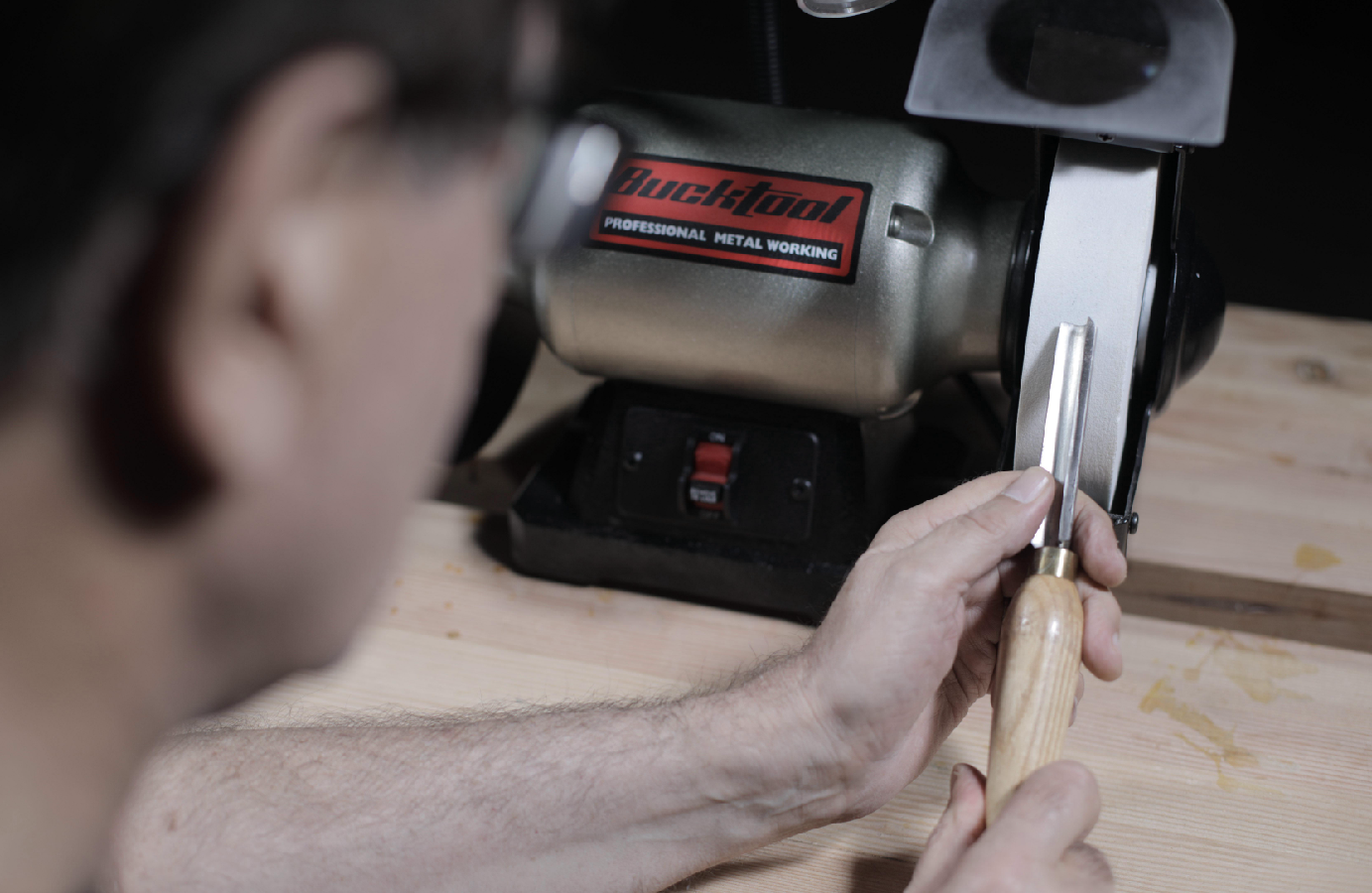
Hold the tool steady and move it slowly against the grinding wheel. Avoid overheating the metal.
- Use light pressure to prevent damage
- Keep the tool moving to avoid burning
- Use water to cool the metal if needed
- Check sharpness often during grinding
Shaping Metal Pieces
The bench grinder helps shape metal parts for your project. It removes excess material fast.
Hold the metal firmly and guide it to the grinding wheel. Use even strokes for smooth shapes.
- Wear safety glasses and gloves
- Use different grinding wheels for rough or fine shaping
- Keep metal cool to avoid warping
- Check your progress regularly
Removing Rust And Burrs
Use the bench grinder to clean rust and remove sharp burrs from metal surfaces. This makes metal safe and clean.
Apply gentle pressure and move the metal slowly across the wheel. Focus on rusty or rough spots.
- Use a wire brush wheel for rust removal
- Wear a dust mask to avoid inhaling rust particles
- Remove burrs by grinding edges carefully
- Finish by wiping the metal clean
Maintaining Your Bench Grinder
Maintaining your bench grinder keeps it working well and safe. Regular care stops problems and makes the tool last longer.
Focus on cleaning, lubrication, wheel replacement, and fixing common issues. These tasks help your grinder run smoothly.
Cleaning And Lubrication
Clean your bench grinder after each use. Remove dust and metal bits from the tool and wheels.
Lubricate moving parts to reduce wear. Use the right oil or grease recommended by the maker.
- Unplug the grinder before cleaning.
- Use a brush or cloth to clear dust.
- Apply lubricant to the motor shaft and bearings.
- Wipe off extra oil to avoid dirt build-up.
Wheel Replacement
Replace grinder wheels when they are worn or cracked. Old wheels can be unsafe and work poorly.
Choose the correct wheel type and size for your grinder. Follow the maker’s instructions to install it safely.
- Turn off and unplug the grinder.
- Remove the wheel guard and old wheel.
- Check the new wheel for damage before fitting.
- Secure the new wheel tightly but do not overtighten.
- Replace the guard and test the grinder at low speed.
Troubleshooting Common Issues
If your grinder vibrates or makes noise, check wheel balance and tightness. Loose parts cause these problems.
Overheating may mean clogged vents or worn bearings. Clean vents and lubricate bearings to fix this.
- Grinder does not start: check power and switch.
- Wheel wobbling: tighten nuts and check for damage.
- Excessive sparks: replace wheel or adjust tool rest.
- Burn marks on metal: slow down or use a different wheel.
Credit: bucktool.com
Safety Precautions
Using a bench grinder for metalwork can be dangerous without the right safety steps. Always follow safety rules to protect yourself and others.
Proper safety helps prevent injuries and keeps your work smooth and efficient. Learn key tips before starting your grinder.
Avoiding Accidents
Keep your workspace clean and free of clutter to avoid tripping or knocking tools over. Always wear safety glasses to protect your eyes from sparks and debris.
Never use a grinder with loose clothing or jewelry. Make sure the grinder’s guards are in place and the wheels are not cracked or damaged.
- Wear safety glasses and hearing protection
- Check the grinder for damage before use
- Keep the work area clean and dry
- Do not wear loose clothing or jewelry
- Use tool rests and guards properly
Proper Handling Techniques
Hold metal pieces firmly and use both hands when grinding. Keep your fingers away from the wheel to avoid cuts or burns.
Use light pressure on the metal. Do not force it against the wheel. Let the grinder do the work to avoid wheel damage or accidents.
- Grip the metal securely with both hands
- Keep fingers clear of the grinding wheel
- Apply light, steady pressure
- Use the tool rest for support
- Always grind on the wheel’s face, not the side
Emergency Procedures
Know where the emergency stop switch is located before you start. If the wheel breaks or sparks fly wildly, stop the grinder immediately.
Have a first aid kit nearby. If you get hurt, clean the wound and seek medical help if needed. Report any accidents to your supervisor or safety officer.
- Locate the emergency stop switch
- Turn off the grinder at the first sign of trouble
- Keep a first aid kit close by
- Clean and cover any cuts or burns
- Report all accidents promptly
Frequently Asked Questions
What Is A Bench Grinder Used For?
A bench grinder is used for sharpening tools, shaping metal, and removing rust. It’s essential for metalworkers to maintain tools and parts. This versatile tool can handle various grinding tasks, making it indispensable in workshops. Always use protective gear when operating a bench grinder for safety.
How Do You Sharpen Tools With A Bench Grinder?
To sharpen tools, gently press them against the spinning wheel at the correct angle. Move the tool back and forth to maintain even sharpening. Regularly cool the tool in water to prevent overheating. Ensure the tool is securely held and maintain a firm grip to avoid accidents.
What Safety Measures Are Needed With A Bench Grinder?
Always wear eye protection and gloves when using a bench grinder. Maintain a clean work area to prevent accidents. Ensure guards are properly adjusted and the tool rests are secure. Regularly inspect the grinder for any damage or wear. Follow the manufacturer’s instructions for safe operation.
How Often Should You Replace Bench Grinder Wheels?
Replace bench grinder wheels when they show signs of wear, chipping, or imbalance. Regularly inspect wheels for cracks and replace them immediately if any are found. It’s essential to use the correct wheel for the task to ensure efficient operation.
Follow manufacturer guidelines for wheel maintenance and replacement.
Conclusion
Using a bench grinder can make metalwork easier and faster. Always wear safety gear to protect your eyes and hands. Keep the grinder clean and check the wheels often. Work slowly and carefully to avoid mistakes. Practice will help you get better over time.
A bench grinder is a useful tool for shaping and smoothing metal. Follow these tips to work safely and efficiently. Enjoy the process and create your metal projects with confidence.