Are your woodworking planes not cutting as smoothly as they used to? A dull blade can make your work frustrating and slow.
But sharpening your planes doesn’t have to be complicated or time-consuming. In this guide, you’ll learn simple, effective steps to bring your tools back to life. Imagine gliding through wood with ease, creating perfect finishes every time. Keep reading, and you’ll discover how to sharpen your woodworking planes quickly and confidently, so your projects look their very best.
Credit: www.familyhandyman.com
Choosing The Right Sharpening Tools
Sharpening woodworking planes needs the right tools. Good tools make the job easier and safer.
Picking the right sharpening tools helps keep the blade sharp and smooth. This improves your work.
Types Of Sharpening Stones
Sharpening stones come in many types. Each type works well for different sharpening needs.
Common types include oil stones, water stones, and diamond stones. Each has pros and cons.
- Oil Stones:Use oil as lubricant. They last long and sharpen slowly.
- Water Stones:Use water for lubrication. They sharpen fast but wear out quicker.
- Diamond Stones:Have a metal base with diamond grit. They stay flat and sharpen fast.
Using Honing Guides
Honing guides help keep the blade at the right angle. This gives a consistent sharp edge.
They hold the blade steady on the stone. This reduces mistakes and saves time.
- Simple clamp guides fit most blade sizes.
- Adjustable guides let you change the angle easily.
- Use guides to keep the bevel angle even on all sides.
Essential Accessories
Some tools make sharpening easier and better. These accessories help keep your stones and blades in shape.
- Lubricants:Oil or water for smooth sharpening.
- Flattening Plates:Keep stones flat for even sharpening.
- Strop:Polishes the blade edge for a fine finish.
- Cleaning Brushes:Remove metal particles from stones.
Preparing The Plane Blade
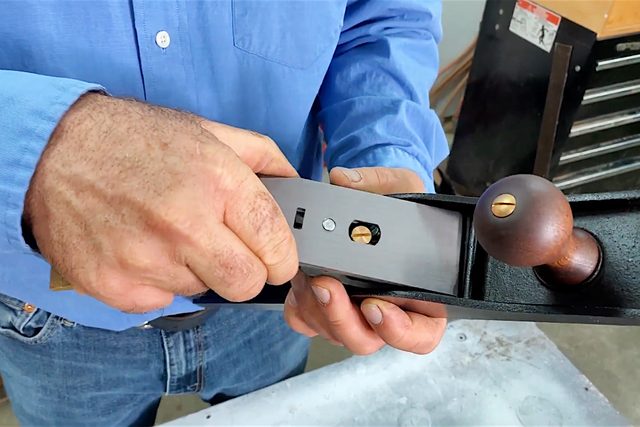
Sharpening a woodworking plane starts with preparing the blade. Proper preparation helps you get a clean, sharp edge.
Taking care during this step makes the sharpening process easier and safer.
Removing The Blade Safely
Always remove the blade carefully to avoid injury. The blade is sharp and can cut skin easily.
Follow these tips to remove the blade safely:
- Wear protective gloves to protect your hands.
- Loosen the lever cap or screws holding the blade.
- Hold the blade firmly but gently while removing it.
- Place the blade on a flat surface with the edge facing up.
Cleaning And Inspecting The Edge
Cleaning the blade removes dirt and old oil. This helps you see any damage or dull spots clearly.
Inspect the edge closely for nicks, chips, or rust. These problems affect the blade’s performance.
- Use a soft cloth or brush to clean the blade.
- Check the blade edge under good light.
- Look for any uneven or damaged parts.
- Decide if the blade needs sharpening or replacement.
Sharpening Techniques
Sharpening woodworking planes is important for smooth cuts. Using the right technique keeps your tools effective.
Good sharpening involves several steps. Each step helps create a sharp, durable edge on the blade.
Setting The Correct Angle
Start by setting the blade at the right angle. Most woodworking planes need a bevel angle between 25 and 30 degrees.
Check the angle carefully to avoid dulling the blade faster. Use an angle guide or jig for accuracy.
Grinding The Bevel
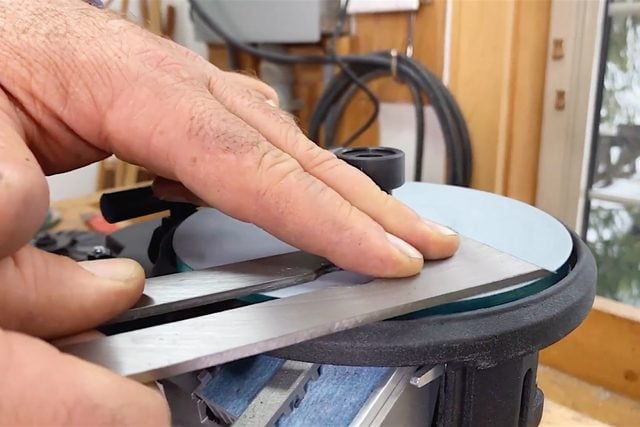
Grind the bevel to remove nicks and old dull edges. Use a coarse sharpening stone or grinder for this step.
Keep the blade flat on the stone. Move it smoothly to keep the bevel even across the whole edge.
- Use light pressure to avoid overheating
- Check the bevel regularly
- Stop grinding when the edge looks even and clean
Creating A Burr
A burr is a small raised edge on the back of the blade. It means the bevel is sharp and ready for honing.
To create a burr, sharpen the bevel on a fine stone. Use slow, controlled strokes until you feel the burr along the edge.
- Run your finger gently to check the burr
- Make sure the burr runs the full length of the blade
- If no burr forms, continue sharpening the bevel
Honing The Back
Hone the back of the blade to remove the burr and polish the edge. Use a very fine stone or honing guide.
Keep the back flat and rub it gently on the stone. Stop when the burr disappears and the back is smooth.
- Use light pressure for best results
- Check the edge under good light
- Finish by stropping for extra sharpness
Maintaining Blade Sharpness
Keeping your woodworking plane blade sharp is important for smooth cuts. A sharp blade saves time and improves your work quality.
Regular care helps your blade last longer and work better. Small habits can keep the blade sharp between major sharpening.
Regular Honing Tips
Honing your blade often keeps it sharp and ready to use. Use a fine sharpening stone or honing guide for best results.
Make sure to keep the bevel angle steady while honing. Light, even strokes polish the edge without removing too much metal.
- Use water or oil on the stone to reduce friction
- Hone after every few hours of use
- Check sharpness with a paper test or your thumb
- Keep the blade clean before honing
Avoiding Common Mistakes
Many people sharpen blades too often or with the wrong tools. This can wear the blade quickly or create a poor edge.
Do not use rough stones for regular honing. Avoid applying too much pressure or changing the blade angle.
- Do not skip flattening the back of the blade
- Avoid uneven strokes that create a jagged edge
- Do not sharpen if the blade only needs honing
- Never use a damaged or cracked stone
Storage And Care
Store your plane and blade in a dry place to stop rust. Clean the blade after each use with a dry cloth.
Use rust-preventive oil on the blade before storing for a long time. Keep the plane parts tight but not too tight.
- Store blades separately in a protective sleeve
- Avoid dropping or banging the blade
- Keep sharpening stones clean and flat
- Check blade condition before each use
Troubleshooting Blade Issues
Woodworking planes need sharp blades for smooth cuts. Dull or damaged blades cause problems while working. You can fix many blade issues yourself.
This guide covers common blade problems and how to solve them. Fixing nicks, dealing with rust, and adjusting blade alignment are key topics.
Fixing Nicks And Chips
Nicks and chips on the blade edge make rough cuts. These small damages need careful repair to restore blade sharpness.
Use a sharpening stone to smooth out nicks. Start with a coarse grit stone to remove chips. Then use finer grits to polish the edge.
- Secure the blade firmly before sharpening
- Keep the blade angle consistent while grinding
- Sharpen evenly on both sides if needed
- Check edge frequently to avoid over-sharpening
Dealing With Rust
Rust weakens the blade and reduces cutting power. Remove rust before sharpening to protect the metal.
Use fine steel wool or sandpaper to scrub away rust spots. Apply light oil to prevent new rust from forming. Clean the blade well after rust removal.
- Wear gloves to protect your hands
- Work in a well-lit area for better visibility
- Use gentle pressure to avoid scratching the blade
- Dry the blade thoroughly after cleaning
Adjusting Blade Alignment
Blade alignment affects the cut’s smoothness and depth. A misaligned blade can cause uneven shaving or tear the wood.
Loosen the screws holding the blade. Shift the blade slightly left or right to line it up with the sole of the plane. Tighten screws securely once aligned.
- Check alignment by sighting along the blade edge
- Test the plane on scrap wood after adjustment
- Make small changes and recheck often
- Ensure the blade protrudes evenly across its width

Credit: paulsellers.com
Credit: www.familyhandyman.com
Frequently Asked Questions
How Do I Sharpen A Woodworking Plane Blade?
Sharpening a woodworking plane blade involves honing the edge with a sharpening stone. Start with a coarse grit to remove nicks, then progress to a finer grit for a sharp edge. Maintain a consistent angle, typically 25 to 30 degrees, for optimal results.
Finish by polishing the blade on a leather strop.
What Tools Do I Need To Sharpen Planes?
To sharpen woodworking planes, you’ll need a sharpening stone, a honing guide, and a leather strop. A honing guide helps maintain the correct angle, while a leather strop polishes the blade. Optional tools include a diamond plate for flattening the stone and a magnifying glass to inspect the blade’s edge.
How Often Should I Sharpen My Woodworking Plane?
The frequency of sharpening depends on usage and the wood being worked. As a rule of thumb, sharpen when the plane starts to feel dull or leaves rough surfaces. Regular maintenance, such as honing the blade before each use, can extend the time between full sharpenings.
Can I Use A Sharpening Jig For Planes?
Yes, a sharpening jig is useful for maintaining a consistent angle. It helps beginners achieve a precise bevel. Simply secure the blade in the jig, set the desired angle, and move it across the sharpening stone. Using a jig ensures uniform sharpening and improves the blade’s performance.
Conclusion
Sharpening woodworking planes keeps your tools working well. A sharp blade cuts smoothly and saves effort. Regular sharpening helps you make clean, precise cuts. Use the right stones and maintain the angle. Take your time; patience brings the best results.
Clean and store your plane properly after sharpening. Keep practicing to improve your sharpening skills. Good sharpness makes woodworking more enjoyable and efficient. Now, your planes are ready for your next project.