Using a table saw can make your woodworking projects faster and more precise. But without the right safety habits, it can also be dangerous.
You don’t want a simple mistake to turn into a serious injury. That’s why knowing the best table saw safety tips is crucial before you start cutting. You’ll discover easy-to-follow advice that protects your hands and keeps your work smooth.
Stick with me, and you’ll gain the confidence to use your table saw safely every time.
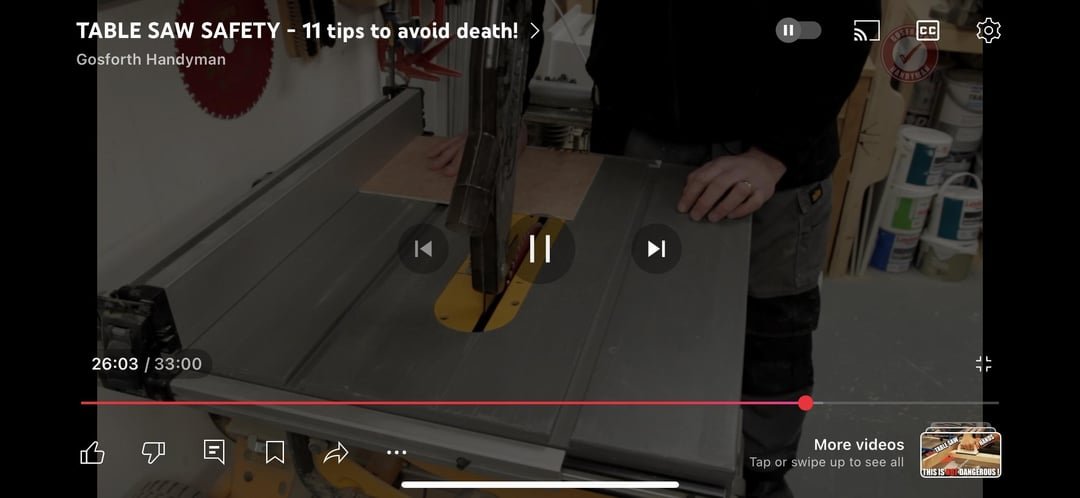
Credit: www.youtube.com
Essential Safety Gear
Using a table saw can be dangerous without the right safety gear. Protecting your eyes, ears, and body helps prevent injuries. Always wear the proper gear before starting your work.
This guide covers key safety items you need. Follow these tips to keep yourself safe while using a table saw.
Eye And Ear Protection
Wear safety glasses or goggles to shield your eyes from flying debris. Use earplugs or earmuffs to protect your hearing from the loud noise of the saw.
- Safety glasses prevent dust and chips from hitting your eyes.
- Earmuffs reduce noise that can damage your hearing.
- Choose comfortable, well-fitting protection for long use.
Proper Clothing And Footwear
Wear snug clothing that won’t catch in the saw blade. Avoid loose sleeves, jewelry, or ties. Use sturdy shoes with non-slip soles to keep your balance.
| Clothing | Footwear |
| Fitted shirts and pants | Closed-toe, non-slip shoes |
| No loose or hanging items | Comfortable for standing |
| Protective gloves if needed | Strong soles for support |
Using Push Sticks And Push Blocks
Push sticks and push blocks help you move wood safely through the saw. They keep your hands far from the blade. Always use them when cutting small or narrow pieces.
- Use push sticks to guide narrow wood.
- Push blocks add extra control and force.
- Keep your hands at a safe distance from the blade.
- Choose the right tool for the size of your workpiece.

Credit: www.youtube.com
Pre-use Table Saw Checks
Before using a table saw, always check it carefully. These checks help keep you safe while working.
Checking the saw before use can prevent accidents and improve your work quality.
Inspecting The Blade
Look at the blade closely before you start. Make sure the teeth are sharp and not damaged.
Remove any dirt or resin stuck on the blade. A clean blade cuts better and is safer to use.
- Check for missing or broken teeth
- Look for rust or corrosion
- Clean off any buildup
- Replace the blade if it is dull or damaged
Checking Blade Alignment
Make sure the blade is aligned with the fence and miter slot. Proper alignment helps you make straight cuts.
Misaligned blades can cause the wood to kick back or ruin your cut.
- Check if the blade is parallel to the fence
- Check if the blade is parallel to the miter slot
- Adjust the blade if it is not straight
Verifying Safety Features
Ensure all safety parts are working before you start. These include the blade guard, splitter, and anti-kickback pawls.
Safety features help protect you from accidents and injuries while using the saw.
- Check the blade guard moves freely and covers the blade
- Make sure the splitter is in place behind the blade
- Test the anti-kickback pawls to see if they grip properly
- Check the emergency stop switch or power switch works well
Safe Operating Techniques
Using a table saw safely is very important to avoid injuries. Learning the right ways to work with the saw helps you stay safe.
These safety tips focus on how to stand, hold the wood, and control the saw to keep accidents away.
Correct Stance And Hand Position
Stand firmly with your feet shoulder-width apart. This stance keeps you balanced while cutting.
Keep your hands away from the blade. Use a push stick for small pieces to protect your fingers.
- Stand to the side, not directly behind the blade
- Keep one hand on the wood, the other on the fence or push stick
- Do not reach over the blade
Controlling Workpiece Feed
Feed the wood into the saw at a steady speed. Too fast can cause the blade to bind or kick back.
Keep the wood tight against the fence to make straight cuts and avoid slips.
- Feed wood evenly and steadily
- Do not force the wood through the blade
- Use the fence to guide the wood straight
Avoiding Kickback
Kickback happens when the wood is thrown back toward you. It can cause serious injury.
Use safety devices like a splitter or riving knife to stop the wood from pinching the blade.
- Keep the blade sharp and clean
- Use a splitter or riving knife
- Never cut warped or twisted wood
- Stand to the side of the blade, not behind it
Workpiece Preparation
Preparing your workpiece before cutting is key to safe table saw use. Careful setup helps you make clean, accurate cuts while avoiding injury.
Focus on measuring, marking, and supporting your material properly. These steps keep your work steady and reduce the risk of accidents.
Measuring And Marking Accurately
Use a reliable tape measure or ruler to measure your workpiece. Mark cut lines clearly with a sharp pencil or marking knife.
- Double-check measurements before cutting.
- Mark both edges if possible for better visibility.
- Use a square to ensure straight, perpendicular lines.
- Avoid guesswork by measuring twice and cutting once.
Ensuring Stable Material Support
Keep the workpiece steady on the table saw. Proper support helps prevent kickback and uneven cuts.
| Support Method | When to Use |
| Outfeed table or roller stand | For long boards or panels |
| Extension tables | When cutting wide sheets |
| Clamps or stops | To hold material firmly during cuts |
| Workbench surface | For smaller or manageable pieces |
Dealing With Small Or Irregular Pieces
Small or oddly shaped pieces need extra care to stay safe. Use tools and techniques to protect your hands and keep control.
Follow these tips for small or irregular workpieces:
- Use push sticks or push blocks to guide pieces safely.
- Never hold small pieces with bare hands near the blade.
- Consider a miter gauge or sled to keep pieces stable.
- Cut irregular shapes slowly and with steady pressure.
Maintenance And Storage
Keeping your table saw clean and well-maintained helps it work safely and last longer.
Proper storage also protects the saw from damage and keeps your workspace safe.
Cleaning The Table Saw
Remove sawdust and debris after each use to avoid buildup. Use a brush or compressed air for hard-to-reach spots.
- Unplug the saw before cleaning.
- Clean the table surface and blade area carefully.
- Check and clean the blade guard and riving knife.
- Remove pitch and resin with a special cleaner if needed.
Blade Sharpening And Replacement
A sharp blade cuts better and is safer. Replace or sharpen blades when you notice dull cuts or burning wood.
| Signs of Dull Blade | Recommended Action |
| Burn marks on wood | Sharpen or replace blade |
| Slow cutting speed | Sharpen blade |
| Excessive noise or vibration | Check blade balance or replace |
| Chipped or missing teeth | Replace blade |
Safe Storage Practices
Store your table saw in a dry, dust-free place. Keep it covered to prevent rust and damage.
- Unplug and clean the saw before storage.
- Cover the blade with a guard or blade cover.
- Store the saw on a stable surface or dedicated stand.
- Keep the area around the saw clear to avoid accidents.

Credit: www.youtube.com
Emergency Procedures
Knowing what to do in an emergency is key to staying safe around a table saw. Quick actions can reduce harm and help others.
This guide covers handling accidents, using the emergency stop, and first aid basics. Keep these tips in mind for safer work.
Handling Accidents And Injuries
Stay calm and assess the situation if an accident happens. Stop the saw and turn off power if possible. Check the injured person’s condition carefully.
- Call for help or emergency services immediately if injury is serious.
- Apply pressure to stop bleeding with a clean cloth.
- Keep the injured part still and avoid moving the person unnecessarily.
- Use a clean bandage or cloth to cover wounds.
- Do not try to remove objects stuck in wounds.
Using The Emergency Stop
The emergency stop button is designed to shut the saw off instantly. Know where it is before you start working.
| Action | Reason |
|---|---|
| Press the emergency stop button | Stops saw blade quickly to prevent injury |
| Do not try to restart saw immediately | Check for hazards and ensure safe before restarting |
| Inform supervisor or responsible person | Report the incident for proper response |
First Aid Basics
Having basic first aid knowledge helps control injuries until professionals arrive. Keep a first aid kit near the work area.
First aid tips for table saw accidents:
- Clean small cuts with water and apply antibiotic ointment.
- Use sterile bandages to cover wounds and prevent infection.
- If bleeding is heavy, raise the injured limb above heart level.
- For burns, cool the area with running water for 10 minutes.
- Seek medical help for deep cuts or severe burns immediately.
Frequently Asked Questions
How Do I Prevent Kickback On A Table Saw?
To prevent kickback, always use a riving knife or splitter. Keep the blade sharp and properly aligned. Maintain firm control of the workpiece and avoid standing directly behind the blade during cuts.
What Safety Gear Should I Wear Using A Table Saw?
Wear safety glasses, hearing protection, and a dust mask. Avoid loose clothing and gloves. Use push sticks to keep hands away from the blade, minimizing injury risks.
How Do I Properly Adjust The Blade Height?
Set the blade height so it extends about 1/8 inch above the material. This reduces the risk of kickback and ensures cleaner cuts. Always adjust the saw while it’s off and unplugged.
When Should I Use A Push Stick On Table Saw?
Use a push stick when cutting narrow or small pieces. It keeps your hands safe and maintains control over the workpiece. Always use one for cuts closer than six inches to the blade.
Conclusion
Table saws can be very useful but also dangerous. Always follow safety rules to protect yourself. Wear safety gear and keep your hands clear of the blade. Use push sticks to guide small pieces. Keep the work area clean and well-lit.
Stay focused and avoid distractions while cutting. Regularly check the saw for any problems. Safe habits help prevent accidents and injuries. Remember, careful work leads to better results and keeps you safe. Safety first, every time you use your table saw.
