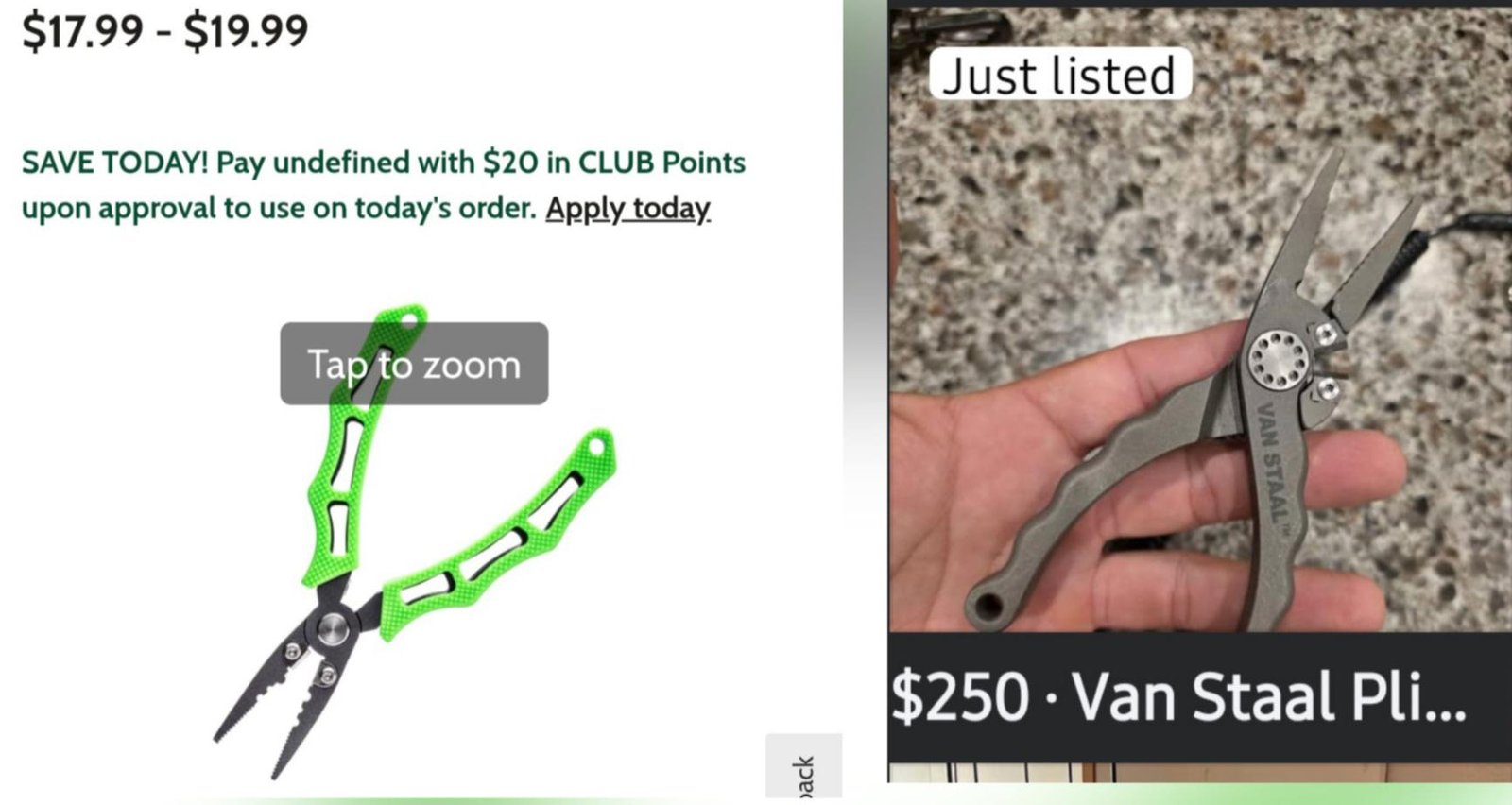
If you want your pliers to last longer and work better every time you use them, you need to take care of them the right way. Imagine reaching for your favorite tool, only to find it rusty or stiff.
Frustrating, isn’t it? By following a few simple steps, you can keep your pliers sharp, strong, and ready for any job. Keep reading to discover easy tips that will save you time, money, and hassle—making sure your tools stay in top shape for years to come.

Credit: timeproofdesign.com
Choosing The Right Pliers
Pliers are useful tools for many jobs around the house or workshop. Picking the right pliers helps you work better and keeps the tool lasting longer.
Using the wrong pliers can damage the tool or the object you work on. This guide helps you choose pliers that fit your needs and last long.
Types Of Pliers For Different Tasks
Different jobs need different pliers. Each type has a special shape and use. Knowing which one to use saves effort and keeps the pliers in good shape.
- Needle-nose pliers are good for tight spots and bending wire.
- Slip-joint pliers adjust to grip different sizes of objects.
- Cutting pliers are made to cut wires and small nails.
- Locking pliers hold objects firmly without needing to squeeze.
Material And Build Quality
Strong materials make pliers last longer. Look for tools made from steel or alloy metals. These resist rust and breaking.
Good pliers have solid joints and handles with grips. This helps you hold them comfortably and work safely. Avoid cheap plastic parts that can break fast.
Cleaning After Use
Keeping pliers clean after use helps them last longer. Dirt and moisture can damage the tools if not removed.
Regular cleaning keeps pliers working smoothly and prevents problems like rust.
Removing Dirt And Debris
After using pliers, dirt and small bits can stick to the tool. Removing these stops damage and wear.
Use a brush or cloth to clean the jaws and handles. Pay attention to joints where dirt collects.
- Wipe off loose dirt with a dry cloth
- Use a small brush to clean tight spots
- For sticky grime, use mild soap and water
- Dry completely before storing
Preventing Rust And Corrosion
Rust can ruin pliers and make them hard to use. Keep tools dry and protected from moisture.
Apply oil after cleaning to stop rust from forming. This also helps the joints move smoothly.
- Dry pliers fully before oiling
- Use a light machine oil or tool lubricant
- Apply oil to joints and metal surfaces
- Store pliers in a dry place
Lubricating Moving Parts
Lubricating the moving parts of pliers keeps them working smoothly. It helps stop rust and wear on the joints.
Regular lubrication makes your pliers last longer and work better every time you use them.
Best Lubricants For Pliers
Use light oils or sprays that do not attract dirt. These lubricants move easily into the small spaces of the tool.
- 3-in-1 oil: Good for general use and easy to find.
- Silicone spray: Stays clean and works well in cold weather.
- WD-40: Helps loosen stuck parts and adds light lubrication.
- Graphite powder: Dry lubricant that prevents dirt buildup.
Frequency Of Lubrication
| Usage Level | Lubrication Frequency |
| Daily use | Once a week |
| Occasional use | Once a month |
| Rare use | Every 3 months |
Check your pliers before use. If the joint feels stiff or squeaks, add lubricant even if it is not time yet.

Credit: timeproofdesign.com
Proper Storage Solutions
Keeping pliers in good shape needs the right storage. Proper storage stops damage and keeps tools ready to use.
Two key ways to store pliers are avoiding moisture and organizing for easy access. Both help pliers last longer.
Avoiding Moisture Exposure
Moisture can cause pliers to rust and break. Store pliers in dry places away from water or damp air.
- Use airtight containers or toolboxes with seals
- Place silica gel packs to absorb moisture
- Keep pliers away from sinks and outdoor areas
- Wipe pliers dry before storing after use
Organizing For Easy Access
Organized storage helps find pliers quickly and prevents damage from tossing tools together.
| Storage Method | Benefit | Example |
|---|---|---|
| Tool racks | Keeps pliers visible and separate | Wall-mounted pegboards |
| Drawer organizers | Prevents pliers from scratching each other | Foam inserts or dividers |
| Tool rolls | Portable and protects pliers | Canvas tool rolls with pockets |
Regular Inspection And Repairs
Keeping your pliers in good shape helps them last longer. Regular checks find problems early. Fixing small issues stops bigger damage.
Simple care and timely repairs keep pliers working well. This guide covers checking for wear and sharpening tips.
Checking For Wear And Damage
Look closely at your pliers before and after use. Check jaws, handles, and pivot points for problems. Damage can reduce grip and safety.
- Inspect jaws for cracks or chips.
- Check handles for cracks or loose grips.
- Look at pivot joints for rust or stiffness.
- Test if pliers open and close smoothly.
- Remove dirt and debris from moving parts.
Sharpening And Adjustments
Dull jaws reduce pliers’ grip strength. Sharpen edges carefully to restore function. Adjust pivot screws if the tool is loose or tight.
| Task | How to Do It | Tools Needed |
| Sharpen jaws | Use a fine file to sharpen edges evenly. | Fine metal file |
| Adjust pivot | Tighten or loosen pivot screw for smooth action. | Screwdriver or wrench |
| Lubricate joint | Apply light oil to pivot to ease movement. | Lubricating oil |
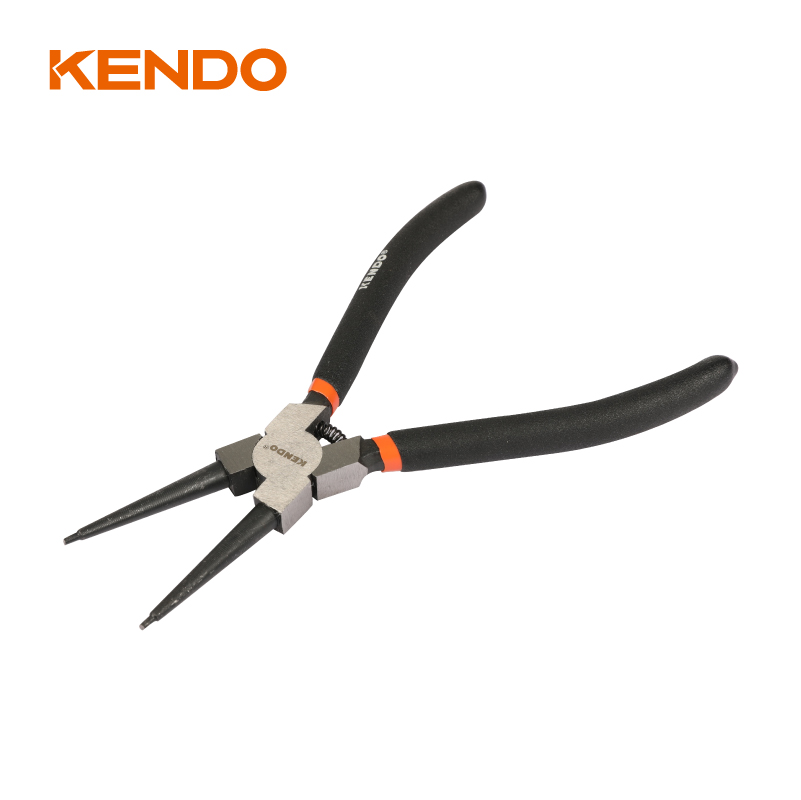
Credit: www.kendo.com
Safe Usage Practices
Pliers are useful tools for gripping and bending. Using them safely helps them last longer.
Following good habits prevents damage and keeps you safe while working.
Avoiding Overuse And Misuse
Do not use pliers for tasks they are not designed for. Overusing or misusing pliers can break the tool or cause injury.
- Do not use pliers as a hammer or wrench.
- Avoid cutting hard wires if the pliers are not made for cutting.
- Do not apply excessive force beyond the tool’s capacity.
- Keep pliers clean and dry to prevent rust and slipping.
Using The Right Size For The Job
Choosing the correct size of pliers makes work safer and easier. Using the wrong size can damage the tool and the workpiece.
| Job Type | Recommended Pliers Size | Reason |
| Fine Electronics Work | Small (4-6 inches) | Allows delicate and precise control |
| General Household Tasks | Medium (7-9 inches) | Fits most gripping and twisting needs |
| Heavy Duty Work | Large (10+ inches) | Provides strong grip and leverage |
Frequently Asked Questions
How Often Should I Clean My Pliers?
Clean your pliers after every use to remove dirt and grease. Use a dry cloth or mild detergent with water. This prevents rust and ensures smooth operation. Regular cleaning extends the tool’s lifespan and maintains its performance.
What Lubricant Is Best For Pliers Maintenance?
Use light machine oil or a silicone-based lubricant on the joint. This reduces friction and prevents rust buildup. Avoid heavy grease as it attracts dirt. Proper lubrication keeps pliers working smoothly and increases durability.
How Do I Prevent Rust On My Pliers?
Store pliers in a dry place and wipe them clean after use. Apply a thin oil layer to metal parts to protect against moisture. Regular maintenance helps avoid rust, which can damage the tool and reduce its lifespan.
Can I Sharpen Pliers For Better Performance?
Yes, sharpening the cutting edges with a fine file improves grip and cutting ability. Be careful to maintain the original angle and avoid over-sharpening. Proper sharpening increases efficiency and tool durability.
Conclusion
Proper care keeps your pliers working well for years. Clean them after each use to stop rust. Apply a little oil to keep joints moving smoothly. Store pliers in a dry place away from moisture. Check handles regularly for cracks or damage.
Small steps like these save money and effort later. Durable pliers make every project easier and safer. Keep your tools ready, and they will not let you down. Simple habits bring long-lasting results.