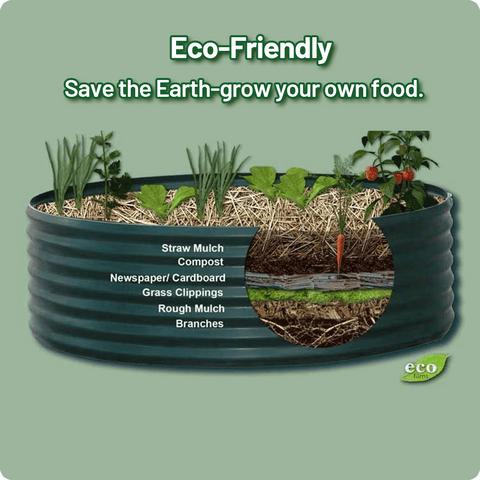
Are you looking to boost your vegetable garden’s health and productivity with less effort? Mulching your vegetable beds efficiently can be the game-changer you need.
By using the right techniques, you’ll save time, reduce weeds, keep soil moist, and grow stronger, healthier plants. You’ll discover simple, practical tips to mulch like a pro—making your garden thrive while cutting down on work. Ready to transform your vegetable beds and enjoy a more bountiful harvest?
Keep reading to find out how!
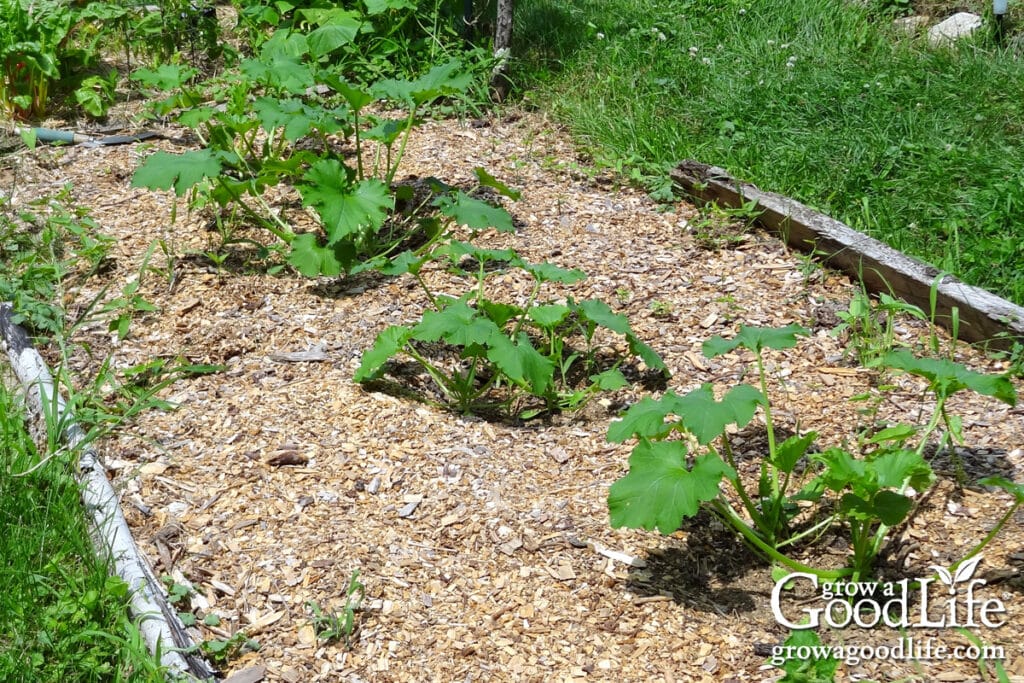
Credit: growagoodlife.com
Benefits Of Mulching Vegetables
Mulching vegetable beds helps plants grow better. It protects the soil and saves water.
Using mulch around vegetables can reduce weeds and keep soil healthy. It also controls soil temperature.
Moisture Retention
Mulch holds water in the soil. This means plants get water longer after rain or watering.
It stops water from evaporating quickly. This helps vegetables stay hydrated and grow well.
Weed Suppression
Mulch blocks sunlight from reaching weed seeds. This stops them from growing.
Fewer weeds mean less competition for water and nutrients. Your vegetables get more resources.
Soil Temperature Regulation
Mulch keeps soil cooler in hot weather. It also keeps soil warmer during cold nights.
Stable soil temperature helps roots grow strong. It improves vegetable growth and health.
Improved Soil Health
Organic mulch breaks down and adds nutrients to the soil. This feeds beneficial soil life.
Healthy soil supports better root growth. It helps vegetables absorb water and nutrients easily.
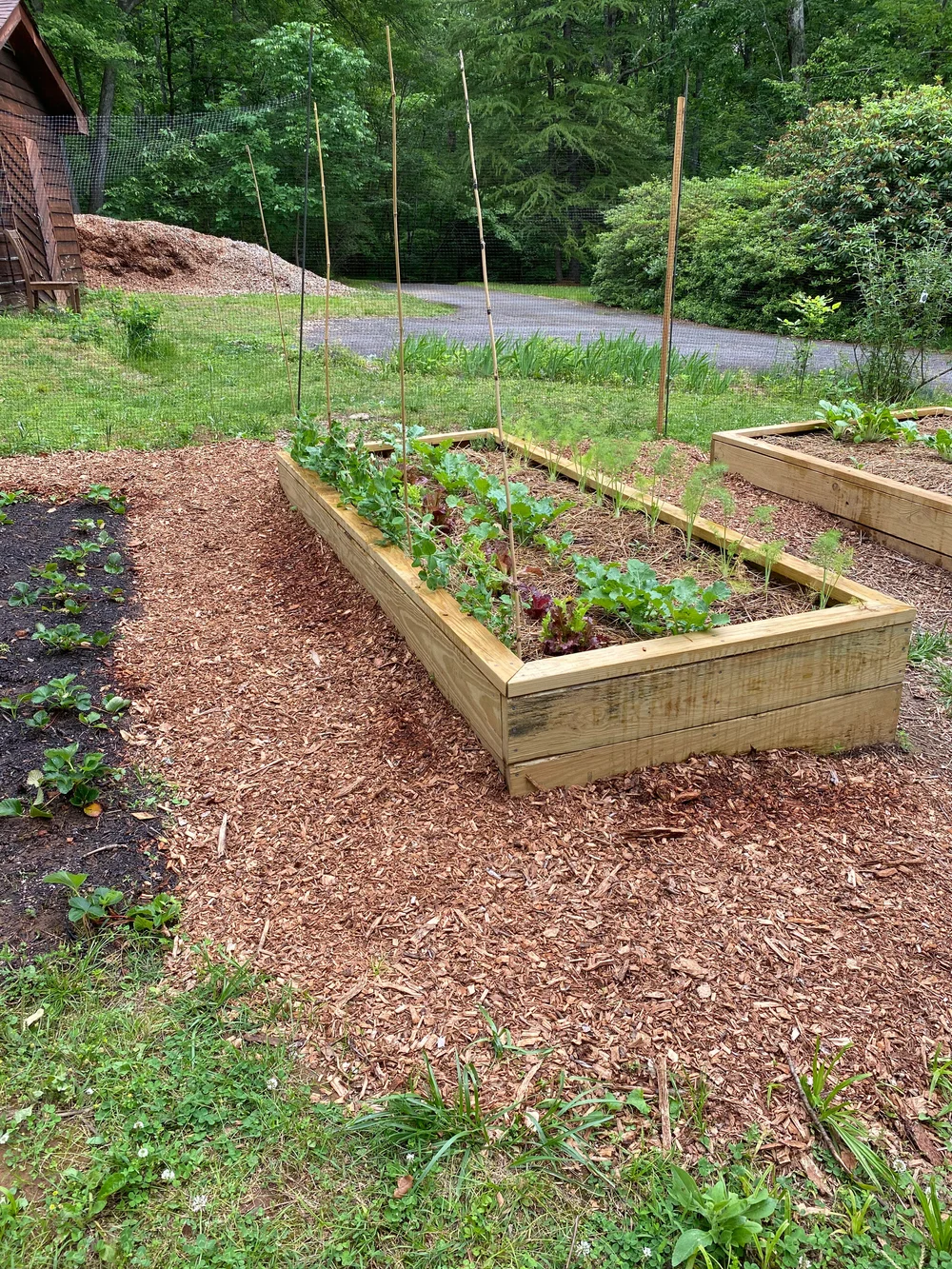
Credit: www.thunderbirddisco.com
Choosing The Right Mulch
Mulching vegetable beds helps keep soil moist and weeds low. Picking the right mulch improves plant growth and soil health.
Different mulches suit different gardens. Choose one that fits your needs and garden conditions.
Organic Mulch Options
Organic mulches come from natural materials like plants and compost. They break down and add nutrients to the soil.
Common organic mulches include straw, shredded leaves, grass clippings, and wood chips. These mulches help keep soil cool and moist.
- Straw is light and easy to spread. It decomposes slowly.
- Shredded leaves improve soil texture over time.
- Grass clippings add nitrogen but should be dry to avoid clumping.
- Wood chips last longer but need nitrogen to break down well.
Inorganic Mulch Choices
Inorganic mulches are made from materials like plastic and fabric. They do not decompose and last longer.
Plastic mulch warms the soil and stops weeds well. Landscape fabric allows water to pass but blocks weeds.
- Black plastic mulch keeps soil warm and dry.
- Clear plastic mulch warms soil but can increase weeds under it.
- Landscape fabric lets water and air through but blocks most weeds.
- Gravel or stones help with drainage and reduce erosion.
Factors To Consider
Choose mulch based on garden size, plant type, and climate. Think about how long you want it to last.
Also, consider cost, availability, and how easy it is to apply or remove the mulch.
- Climate: Use mulch that suits wet or dry weather.
- Plant needs: Some plants prefer cooler soil, others warmer.
- Soil health: Organic mulches improve soil over time.
- Maintenance: Inorganic mulches need less frequent replacement.
- Budget: Some mulches cost more upfront but last longer.
Preparing Beds For Mulching
Preparing your vegetable beds before mulching helps plants grow better. It creates a clean and healthy space for mulch.
Good preparation stops weeds, keeps soil moist, and improves mulch effectiveness.
Clearing Debris
Remove dead leaves, sticks, and old plants from the bed. This stops pests and diseases from hiding in the debris.
Clear debris gently to avoid damaging young plants or soil structure.
Soil Moisture Check
Check if the soil is wet or dry before adding mulch. Mulching wet soil can cause rot and other problems.
Use your finger or a soil moisture meter to test the soil about two inches deep.
- Soil feels damp: ready for mulch
- Soil feels dry: water before mulching
Weed Removal Techniques
Remove weeds from the vegetable beds before mulching. Mulch works best when weeds are cleared out.
Pull weeds by hand or use a hoe to loosen soil around them. Remove roots to stop regrowth.
- Hand-pulling: good for small weeds
- Hoeing: best for larger areas
- Remove roots to prevent weeds returning
Applying Mulch Effectively
Mulching vegetable beds helps keep soil moist and reduces weeds. Applying mulch the right way improves plant health.
Follow simple steps to apply mulch well. This helps your vegetables grow strong and healthy.
Correct Mulch Thickness
Use the right thickness of mulch to protect soil without hurting plants. Too thin mulch dries quickly.
Too thick mulch can stop water and air from reaching roots. A good thickness is 2 to 3 inches.
- 2 to 3 inches keeps soil moist
- Thinner than 2 inches dries fast
- Thicker than 3 inches blocks air and water
Avoiding Plant Stem Contact
Keep mulch away from touching plant stems. Mulch touching stems can cause rot and pests.
Leave a small gap of about 2 inches around each plant. This helps keep stems dry and healthy.
- Do not pile mulch against stems
- Leave 2-inch gap around each plant
- Check gaps regularly as plants grow
Timing For Mulch Application
Apply mulch after soil warms up in spring. This helps plants start growing well.
Mulch too early can keep soil cold and slow growth. Mulch after seedlings appear for best results.
- Wait until soil is warm
- Apply mulch after seedlings grow
- Reapply mulch as needed during growing season
Maintaining Mulched Beds
Mulching vegetable beds helps keep soil moist and weeds down. To keep mulch working well, regular care is needed.
Good maintenance makes plants healthier and gardens easier to manage.
Regular Monitoring
Check mulched beds often to see if mulch is too thin or if weeds grow through. Look for signs of soil dryness or pests.
Monitoring helps catch problems early and keeps the mulch effective.
Refreshing Mulch Layers
Add new mulch every few weeks or after heavy rain. Fresh mulch keeps moisture in and blocks weed growth.
- Spread 2 to 3 inches of mulch evenly
- Keep mulch away from plant stems
- Use organic materials like straw or wood chips
Managing Pests And Diseases
Mulch can hide pests or disease signs. Check plants and mulch for bugs or mold regularly.
Remove damaged leaves and replace mulch if it smells bad or looks moldy.
- Look under mulch for insects
- Clear away old, decayed mulch
- Use natural pest controls if needed

Credit: www.rasnetwork.org
Common Mulching Mistakes To Avoid
Mulching vegetable beds helps keep soil moist and weeds down. Yet, some common mistakes reduce these benefits. Avoiding these errors improves your garden health and crop growth.
This guide points out key mulching mistakes. Learn what to watch for to mulch your vegetable beds efficiently and safely.
Over-mulching Risks
Putting too much mulch can harm your vegetable beds. Thick layers block air and water from reaching roots. This can cause root rot and slow plant growth.
- Excess moisture may encourage pests and diseases
- Plants may overheat in summer under heavy mulch
- Soil can become compacted and lose oxygen
- Seedlings may struggle to push through thick mulch
Using The Wrong Materials
Not all mulch types suit vegetable beds. Some materials can add weeds or toxins. Choose mulch that supports healthy soil and plants.
| Mulch Material | Suitability | Notes |
| Fresh grass clippings | Not good | May heat up and mold quickly |
| Straw | Good | Light, breaks down well |
| Wood chips | Use with caution | May tie up nitrogen if too fresh |
| Newspaper | Good | Blocks weeds, biodegradable |
| Leaves | Good | Best if shredded |
Neglecting Bed Preparation
Placing mulch on unprepared soil reduces its benefits. Clear weeds and water beds before mulching. This helps mulch work better and lasts longer.
- Remove all weeds and debris
- Loosen soil surface for better air flow
- Water soil well before adding mulch
- Apply mulch evenly at 2 to 3 inches thick
Seasonal Mulching Tips
Mulching vegetable beds helps keep soil moist and controls weeds. Changing mulch with the seasons keeps plants healthy.
Use the right mulch and methods for spring, summer, fall, and winter. This guide shows easy seasonal tips.
Spring Practices
In spring, prepare beds by adding fresh mulch. This helps soil warm and protects young roots.
- Clear old mulch and debris from beds.
- Apply 2 to 3 inches of organic mulch like straw or shredded leaves.
- Avoid thick layers that block air and water.
- Mulch soon after planting seedlings or seeds.
- Water the mulch to settle it and keep moisture.
Summer Adjustments
Summer heat can dry soil quickly. Adjust mulch to keep plants cool and hydrated.
| Task | Details |
| Mulch Thickness | Maintain 3 to 4 inches to retain moisture |
| Mulch Type | Use straw or grass clippings that dry fast |
| Check Soil | Lift mulch weekly to check moisture and pests |
| Reapply | Add mulch if it decomposes or blows away |
Fall And Winter Care
In cooler months, mulch protects plants from frost and soil erosion. Use heavier mulch types for warmth.
Follow this list for fall and winter mulching:
- Apply 4 to 6 inches of mulch like shredded bark or leaves.
- Cover all exposed soil to stop weeds and freeze damage.
- Remove mulch in early spring to let soil warm again.
Frequently Asked Questions
What Is The Best Mulch For Vegetable Beds?
Organic mulches like straw, grass clippings, and shredded leaves are ideal. They improve soil health and moisture retention. Avoid synthetic mulches that may harm soil life. Choose mulch based on your local climate and vegetable type for best results.
How Thick Should Mulch Be In Vegetable Beds?
Apply mulch 2 to 4 inches thick to suppress weeds and retain moisture. Too thin won’t control weeds; too thick may cause excess moisture. Adjust thickness based on mulch type and vegetable needs for optimal growth.
When Is The Best Time To Mulch Vegetable Beds?
Mulch after planting and soil has warmed, typically in spring. Applying mulch too early can delay soil warming. Reapply as needed during the growing season to maintain benefits and control weeds effectively.
Can Mulch Improve Vegetable Yield?
Yes, mulch conserves soil moisture, reduces weeds, and regulates temperature. These factors promote healthier plants and higher yields. Mulching also prevents soil erosion and nutrient loss, supporting sustained vegetable growth.
Conclusion
Mulching vegetable beds helps keep soil moist and weeds low. It protects plants from temperature changes and saves water. Choose the right mulch for your garden type. Spread mulch evenly and do not pile it against stems. Check mulch regularly and add more as needed.
Mulching makes your garden healthy and easier to care for. Try these tips for better vegetable growth and less work. Your plants will thank you with a better harvest. Simple steps, great results.