Are you using a full-face respirator but unsure if you’re doing it right? Your safety depends on it.
A full-face respirator can protect your lungs and eyes from harmful particles, gases, and chemicals—but only if you use it correctly. You’ll discover simple, effective steps to make sure your respirator fits well, works properly, and keeps you safe every time.
Keep reading to learn how to protect yourself the smart way.
Choosing The Right Respirator
Using a full-face respirator protects your eyes, nose, and mouth from harmful particles. It is important to pick the right one to stay safe. The right respirator fits well and has the correct filters.
In this guide, learn about types of respirators, how to select filters, and how to fit the mask to your face.
Types Of Full-face Respirators
There are several types of full-face respirators. Each type suits different needs and environments. Choose one that matches your work or exposure risks.
- Half-face respirators:Cover nose and mouth only, not eyes.
- Full-face respirators:Cover eyes, nose, and mouth for full protection.
- Powered air-purifying respirators (PAPR):Use a battery-powered blower to push air through filters.
- Self-contained breathing apparatus (SCBA):Provide clean air from a tank, used in high-risk areas.
Selecting Appropriate Filters
Filters clean the air you breathe. Pick filters based on the hazards you face. Different filters block different dangers.
| Filter Type | Protection | Use |
| Particulate filters (P100, N95) | Dust, mist, fumes | Construction, woodworking |
| Gas and vapor cartridges | Organic vapors, acids | Painting, chemical work |
| Combination filters | Particles and gases | Hazardous chemical areas |
Fitting For Face Shapes
A good fit stops air leaks. Check the mask seals tightly on your face. Different shapes need different sizes or styles.
- Test the respirator by covering the filters and breathing in. The mask should collapse slightly.
- Try several sizes if possible. The mask must feel snug but not painful.
- Make sure straps hold the mask firmly in place.
- Check for gaps around the nose and chin.
- Beards can stop a good seal. Shave if needed.
Proper Fit And Seal Checks
Using a full-face respirator correctly protects your lungs from harmful particles. A proper fit and seal are essential for safety. Always check the mask before use to avoid leaks.
Fit tests help you confirm the respirator seals well to your face. This guide explains three important checks: positive pressure test, negative pressure test, and strap adjustments.
Performing A Positive Pressure Test
The positive pressure test ensures air does not leak out of the mask. Cover the exhalation valve with your hand and breathe out gently. The mask should bulge slightly without air escaping.
- Wear the respirator and tighten the straps.
- Place your hand over the exhalation valve cover.
- Breathe out slowly and feel for air leaks around the edges.
- If you feel air escaping, readjust the mask and straps.
- Repeat the test until no leaks occur.
Conducting A Negative Pressure Test
The negative pressure test checks if the mask pulls in air when you inhale. Block the air intake valves and inhale slowly. The mask should collapse slightly without letting air in.
| Step | Action |
| 1 | Put on the respirator and tighten straps. |
| 2 | Cover the air inlet valves with your hands. |
| 3 | Inhale slowly and hold your breath for 10 seconds. |
| 4 | Check if the mask collapses slightly and stays collapsed. |
| 5 | If air enters or mask does not collapse, adjust fit and retry. |
Adjusting Straps For Comfort
Straps keep the respirator tight but must also feel comfortable. Adjust straps evenly to avoid pressure points. Too loose straps cause leaks, too tight straps cause discomfort.
- Loosen all straps before putting on the mask.
- Place the mask on your face and pull straps over your head.
- Tighten the bottom straps first for a secure fit.
- Next, adjust the top straps for balance and comfort.
- Check the mask seal and repeat fit tests after adjusting.
Wearing And Removing Safely
Using a full-face respirator correctly protects you from harmful particles. It is important to wear and remove it safely to avoid health risks.
Follow clear steps to put on and take off your respirator. This helps keep you and others safe from contamination.
Step-by-step Donning Process
Put on your full-face respirator with care. Make sure it fits snugly and seals well to your face.
- Wash your hands thoroughly before handling the mask.
- Hold the respirator in your hand with the straps hanging below.
- Place the chin inside the respirator and pull it up over your face.
- Pull the straps over your head and adjust them for a tight fit.
- Check the seal by covering the filters and breathing in; the mask should collapse slightly.
Safe Removal Techniques
Remove your respirator slowly to avoid touching the contaminated surface. Keep your hands clean throughout the process.
- Wash or sanitize your hands before touching the mask.
- Do not touch the front of the respirator.
- Remove the straps from the back of your head carefully.
- Lift the mask away from your face without touching the front.
- Place the respirator in a clean, dry area or storage bag.
- Wash your hands again after removal.
Avoiding Contamination
Keep your respirator clean and avoid contamination to stay safe. Handle it with clean hands and store it properly.
| Action | Reason |
| Wash hands before and after use | Prevents germs on hands from spreading |
| Avoid touching the mask front | Stops transferring contaminants to your face |
| Store in a clean, dry place | Keeps mask free from dirt and moisture |
| Inspect mask before use | Ensures no damage or dirt is present |

Credit: www.amazon.com
Maintenance And Cleaning
Keeping your full-face respirator clean and well-maintained is key to safe use. Proper care helps the mask work correctly and lasts longer.
Follow simple steps every day to clean, check, and store your respirator safely.
Daily Cleaning Procedures
Clean your respirator after every use. This removes dirt, sweat, and germs. Use mild soap and warm water for cleaning. Avoid harsh chemicals that can damage parts.
- Remove filters and cartridges before cleaning.
- Wash mask parts with mild soap and warm water.
- Rinse thoroughly to remove soap residue.
- Let parts air dry in a clean area.
- Reassemble only when all parts are fully dry.
Inspecting For Damage
Check your respirator each time before use. Look for cracks, tears, or worn parts. Damaged parts can reduce protection and must be replaced.
| Part | What to Check | Action if Damaged |
| Facepiece | Cracks, tears, deformities | Replace facepiece |
| Straps | Fraying, loss of elasticity | Replace straps |
| Valves | Cracks, sticking, dirt buildup | Clean or replace valves |
| Filters/Cartridges | Expiration date, physical damage | Replace if expired or damaged |
Storing Correctly
Store your respirator in a clean, dry place. Avoid direct sunlight, heat, and dust. Keep it away from harmful chemicals.
- Use a sealed container or bag to protect from dust.
- Keep respirator away from sharp objects.
- Do not store with filters attached unless recommended.
- Place in an area with stable temperature.
Recognizing Signs Of Wear
Using a full-face respirator safely means checking it often. Look for signs of wear that could affect protection.
Worn parts can cause leaks or make breathing hard. Spotting these signs early keeps you safe.
Filter Replacement Indicators
Filters stop harmful particles from entering your mask. They get dirty or clogged with use. Change filters when breathing feels hard.
Look for discoloration or damage on the filter surface. Some filters also have an expiration date to follow.
- Breathing becomes difficult
- Filters look dirty or discolored
- Filters reach their expiration date
- Smell or taste of contaminants inside mask
Mask Component Wear
The mask parts like straps, face seals, and lenses wear out over time. Check for cracks, tears, or loose parts.
If the face seal is damaged, the mask may not fit tightly. Damaged straps can cause the mask to slip off.
- Cracks or tears in the face seal
- Loose or broken straps
- Scratched or fogged lenses
- Damaged valves or connectors
When To Replace The Respirator
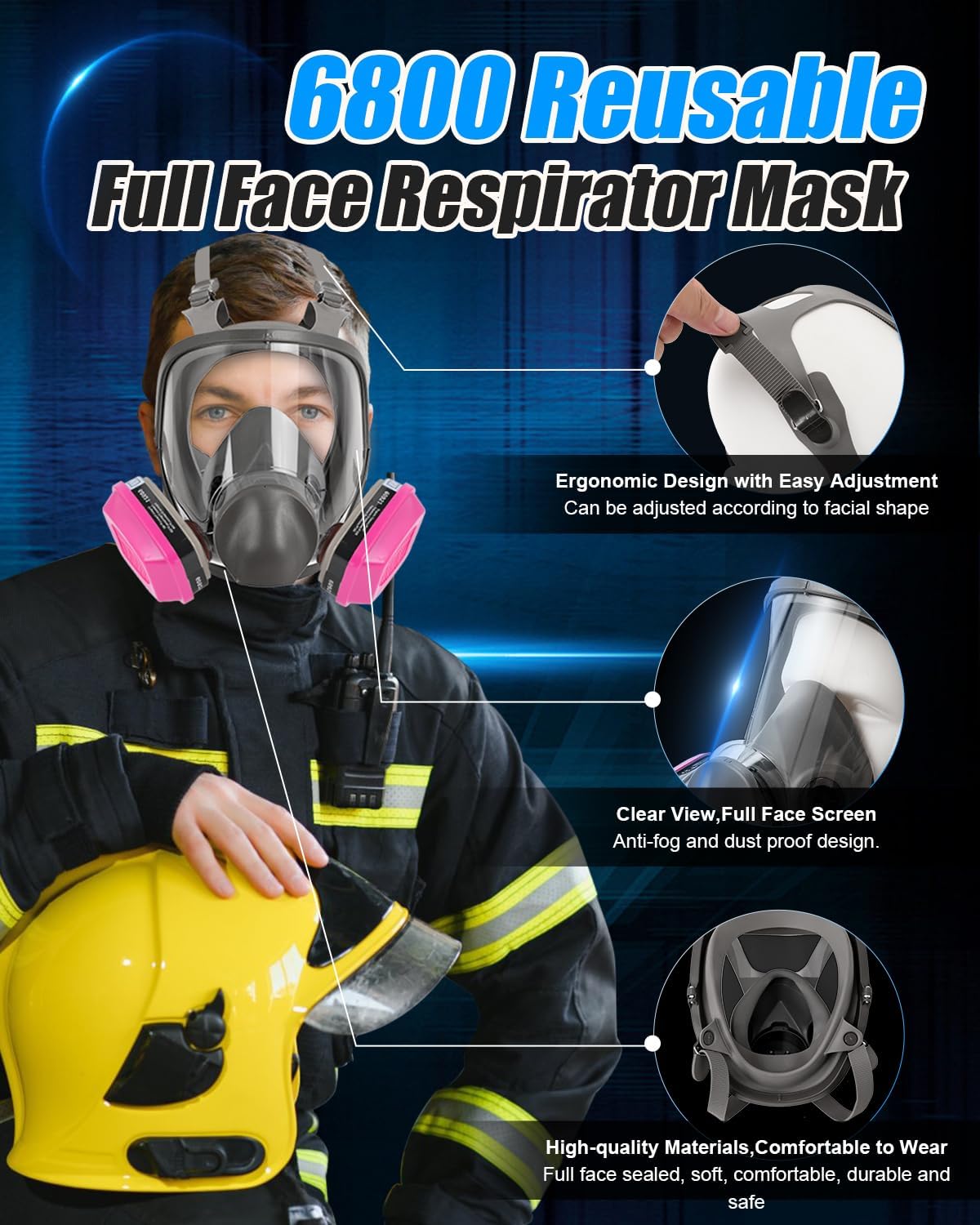
Replace the whole respirator if damage is severe or parts cannot be fixed. A damaged respirator may not protect you well.
Also, replace it after heavy use in harsh conditions or after contamination with hazardous materials.
- Severe cracks or damage to the mask body
- Parts are missing or cannot be replaced
- Exposure to hazardous chemicals or biological agents
- Respirator is old and past its service life
Credit: www.amazon.com
Common Mistakes To Avoid
Using a full-face respirator protects your lungs from harmful substances. It is important to avoid common mistakes. These mistakes can reduce protection and put you at risk.
Learn about three common errors people make with full-face respirators. Fixing these will help keep you safe.
Improper Fit Issues
A full-face respirator must fit tightly to your face. Gaps let harmful air inside. Many people do not check the fit before work.
Make sure to test the fit every time you wear the mask. Adjust the straps and seals for a snug, comfortable fit.
- Clean your face before wearing the mask
- Remove glasses or anything that breaks the seal
- Perform a fit check by blocking filters and breathing in
- Tighten straps if you feel air leaking in
Ignoring Maintenance
Neglecting regular cleaning and inspection lowers the respirator’s protection. Dirt and damage can cause leaks or breathing problems.
Follow a maintenance schedule. Clean the mask after each use and check parts for wear or damage.
- Wash the facepiece with mild soap and water
- Dry it completely before storing
- Check straps and valves for cracks or tears
- Replace damaged parts immediately
Using Expired Filters
Filters lose effectiveness over time. Using expired filters can expose you to dangerous particles or gases.
Check filter expiration dates before use. Replace filters as recommended by the manufacturer or when breathing becomes hard.
- Store filters in a sealed container
- Keep filters away from heat and moisture
- Do not reuse disposable filters
- Follow manufacturer instructions for filter lifespan
Training And Compliance
Using a full-face respirator safely requires proper training and following rules. Training helps users understand how to wear and maintain the respirator.
Compliance with safety guidelines ensures the respirator works well. This keeps users protected from harmful air particles.
Importance Of User Training
User training teaches how to put on and take off the respirator correctly. It also shows how to check for damage and clean the mask.
Training reduces the risk of mistakes that can cause exposure to harmful substances. It builds confidence in using the respirator every day.
Following Safety Guidelines
Safety guidelines tell users how to use the respirator the right way. This includes wearing it during all hazardous tasks and storing it properly.
Following these rules prevents damage and keeps the respirator effective. Users should also replace filters as recommended.
- Wear the respirator fully during exposure
- Store in a clean, dry place
- Replace filters on schedule
- Inspect before each use
Regular Fit Testing
Fit testing makes sure the respirator seals well on the user’s face. A good seal stops harmful air from leaking in.
Regular fit tests check for changes in face shape or respirator condition. These tests should happen at least once a year.
- Perform fit tests before first use
- Test again yearly or after face changes
- Use qualitative or quantitative fit testing methods
- Do not use respirator if it fails fit test

Credit: www.amazon.com
Frequently Asked Questions
What Is A Full-face Respirator Used For?
A full-face respirator protects your eyes, nose, and mouth from harmful particles. It is ideal for hazardous environments like chemical handling or dust exposure.
How Do I Properly Fit A Full-face Respirator?
To fit, adjust straps evenly and ensure the mask seals tightly against your face. Perform a fit check by covering filters and inhaling to confirm no air leaks.
How Often Should I Clean My Respirator?
Clean your respirator after each use with mild soap and water. Regular cleaning prevents contamination and maintains effective protection.
Can I Wear Glasses With A Full-face Respirator?
Yes, some full-face respirators accommodate prescription lenses or inserts. Ensure compatibility to maintain a proper seal and clear vision.
Conclusion
Using a full-face respirator safely protects your health at work or home. Always check the mask fits well and seals tightly on your face. Clean the respirator after each use to keep it working right. Replace filters as the manufacturer says to avoid breathing risks.
Store your respirator in a clean, dry place away from dirt. Follow these simple steps to stay safe and breathe easier. Safety starts with careful use and regular care of your respirator. Keep these tips in mind every time you wear it.