If you want your power planer to work smoothly and last longer, knowing how to maintain it is key. Imagine finishing your woodworking project without any unexpected stops or rough edges.
That’s exactly what proper care can give you. You’ll discover simple and effective tips to keep your power planer sharp, clean, and ready for every job. By following these easy steps, you’ll save time, avoid costly repairs, and enjoy better results in your woodworking.
Ready to make your power planer a reliable partner in every project? Let’s dive in!
Choosing The Right Power Planer
Choosing the right power planer helps you work better on wood projects. It saves time and gives smooth finishes.
Knowing the types, features, and safety marks guides you to pick the best tool for your needs.
Types Of Power Planers
Power planers come in different styles. Each style fits certain woodworking tasks.
- Handheld Planers:Portable and easy to use on small projects.
- Bench Planers:Fixed to a workbench for larger wood pieces.
- Thickness Planers:Used to trim boards to a consistent thickness.
Key Features To Consider
| Feature | Benefit |
| Blade Size | Affects the width of wood you can plane at once. |
| Depth Adjustment | Controls how much wood is removed in one pass. |
| Power Rating | Determines the strength and speed of the planer. |
| Dust Collection | Keeps your workspace clean and safe. |
| Weight | Lighter models are easier to handle for long use. |
Safety Certifications
Look for safety marks that show the planer meets quality rules. These reduce risks during use.
- UL (Underwriters Laboratories) certification ensures electrical safety.
- CE mark shows compliance with European safety standards.
- CSA (Canadian Standards Association) is common in Canada.
- Check if the tool has built-in safety features like blade guards.
Essential Maintenance Tools
Keeping your power planer in good shape helps it work better and last longer. Using the right tools makes maintenance easier and safer.
This guide covers the main tools you need to maintain your power planer well.
Cleaning Brushes And Compressed Air
Cleaning brushes help remove dust and wood chips from the planer. A small brush fits into tight spaces and clears debris from blades and vents.
Compressed air blows out dust from hard-to-reach parts. It keeps the motor and internal parts clean, improving performance.
- Use soft-bristled brushes to avoid damage
- Wear safety glasses when using compressed air
- Keep air pressure moderate to protect parts
Lubricants And Oils
Lubricants reduce friction and wear on moving parts. Applying oil keeps the planer running smoothly and prevents rust.
Use oils designed for power tools. Apply them to the blade holder, rollers, and other moving parts regularly.
- Choose light machine oil or tool-specific lubricants
- Apply a small amount to avoid attracting dust
- Wipe off excess oil after application
Replacement Blades And Parts
Blades wear out with use and need replacing to keep cuts clean and safe. Other parts like belts and screws may also require replacement.
Keep spare blades and common parts on hand. Regularly check your planer for worn or damaged pieces.
- Use blades that match your planer model
- Replace blades when they become dull or chipped
- Inspect belts and screws for wear or looseness
Cleaning Your Power Planer
Keeping your power planer clean helps it work well and last longer. Dirt and dust can cause problems if not removed regularly.
Regular cleaning protects the tool and keeps your woodworking safe and precise.
Removing Dust And Debris
Dust and wood chips collect inside the planer during use. Removing these helps prevent damage.
Use a brush or compressed air to clean out dust from all openings and vents.
- Unplug the planer before cleaning
- Use a soft brush for tight spots
- Blow air gently to remove stubborn dust
- Clean the dust bag or port if your planer has one
Cleaning The Blades
Sharp blades give clean cuts and reduce strain on the motor. Clean blades often to keep them sharp.
Remove the blades carefully and wipe them with a cloth. Use a small amount of rubbing alcohol to remove sticky residue.
- Always unplug the planer before blade cleaning
- Handle blades gently to avoid cuts
- Check for dull or damaged blades and replace if needed
- Dry blades completely before reassembling
Maintaining The Motor Housing
The motor housing protects the internal parts of the planer. Keep it clean to avoid overheating and damage.
Wipe the outside of the motor housing with a dry or slightly damp cloth. Avoid letting water enter the motor.
- Do not spray water or cleaners directly on the motor
- Check for loose screws and tighten if needed
- Keep vents clear to help motor cooling
- Inspect the housing for cracks or damage regularly
Blade Care And Replacement
Keeping your power planer blades sharp and clean helps you work better. Good blade care makes your tools last longer.
Regular checks and proper blade replacement keep your woodworking smooth and safe.
Signs Of Dull Blades
Dull blades make your planer work harder and cut poorly. Watch for these signs to know when to sharpen or replace them.
- The planer pulls wood unevenly or with more effort
- Cut edges are rough or splintered
- More noise or vibration during use
- Burn marks appear on the wood surface
Sharpening Techniques
Sharp blades cut cleaner and reduce strain on your planer. You can sharpen blades with the right tools and care.
Use a sharpening stone or a diamond file to restore the blade edge. Keep the blade angle steady while sharpening.
- Remove the blade from the planer carefully
- Clean the blade to remove resin and dirt
- Use light, even strokes on the sharpening tool
- Check the edge regularly to avoid over-sharpening
- Reinstall the blade securely after sharpening
Installing New Blades
When blades are too worn or damaged, replace them with new ones. Correct installation keeps your planer safe and efficient.
Follow these steps to install new blades properly and avoid accidents or damage.
- Turn off and unplug the planer before starting
- Remove the old blades carefully using the right tools
- Check the new blades for any defects before use
- Install new blades in the correct position and direction
- Tighten screws firmly but avoid over-tightening
- Test the planer on scrap wood to ensure proper blade function
Lubrication Tips
Keeping your power planer well-lubricated helps it work smoothly. Proper lubrication reduces wear and tear on moving parts.
Regular care extends your tool’s life and improves performance during woodworking tasks.
Areas To Lubricate
Focus on parts that move or rub together. These areas need lubrication to avoid friction and damage.
- Blade drum bearings
- Depth adjustment gears
- Drive belt pulleys
- Trigger and switch mechanisms
Recommended Lubricants
Use lubricants that suit metal and plastic parts in power planers. Pick ones that keep parts clean and protected.
- Light machine oil for bearings and gears
- Dry silicone spray for plastic parts and switches
- Grease for heavy-load areas like pulleys
- WD-40 or similar for rust prevention (use sparingly)
Frequency Of Lubrication
Lubricate your power planer often for best results. The frequency depends on how much you use it.
- Light use: lubricate every 3 months
- Regular use: lubricate monthly
- Heavy use: lubricate every 2 weeks
- Always clean parts before applying lubricant
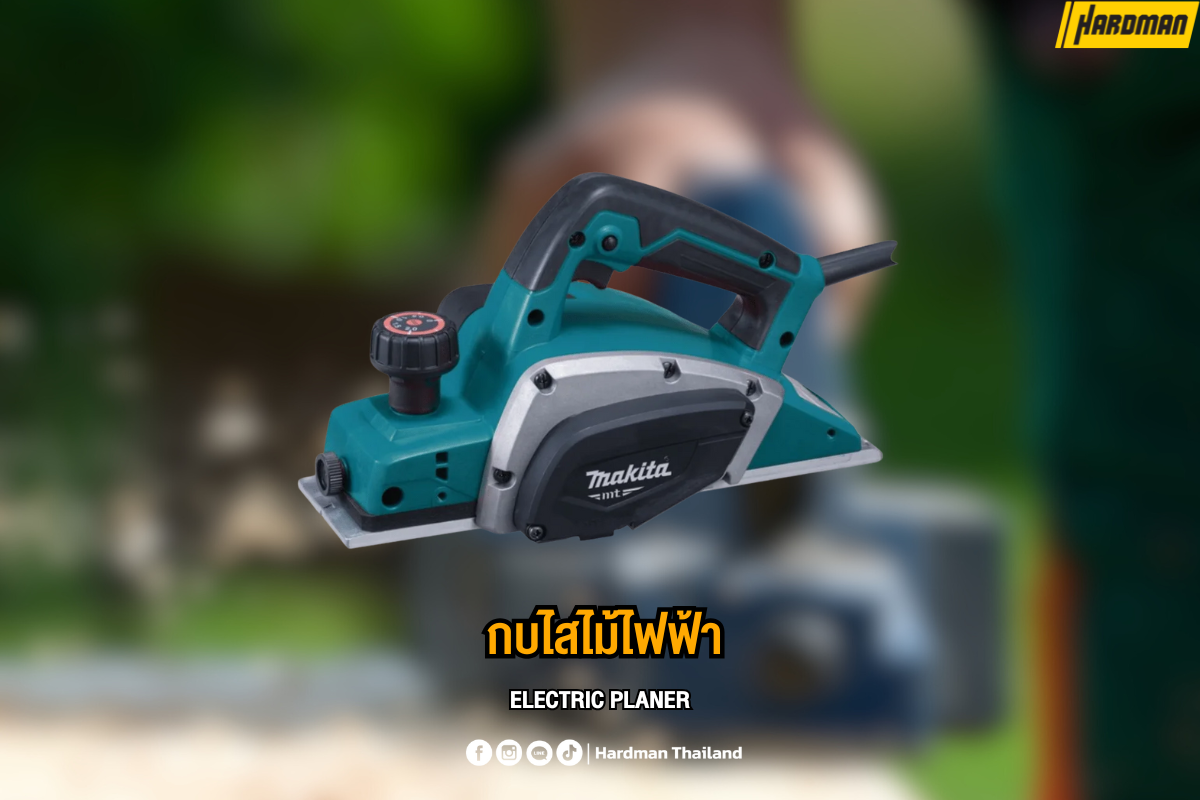
Credit: www.hardman.co.th
Checking And Adjusting Settings
Maintaining your power planer is key for smooth woodworking. Checking and adjusting its settings keeps it safe and effective.
Proper settings help you get clean cuts and avoid damage. Focus on depth adjustment, fence calibration, and belt tension.
Depth Adjustment
Depth adjustment controls how much wood you remove in one pass. Set it correctly to avoid rough surfaces or too deep cuts.
Check the depth gauge before use. Turn the adjustment knob slowly and test on scrap wood to see the results.
Fence Calibration
The fence guides your wood for straight cuts. Make sure it is square and tight to the base of the planer.
Use a carpenter’s square to check the fence angle. Adjust screws or knobs to align it perfectly.
Belt Tension
The belt drives the blades and must be tight but not too tight. Loose belts slip; tight belts wear out parts fast.
- Turn off and unplug the planer before adjusting.
- Check the belt for cracks or damage.
- Press the belt in the middle; it should move about 1/2 inch.
- Adjust the tension screw to tighten or loosen the belt.
- Test the planer to ensure smooth operation.
Storage And Handling
Keeping your power planer safe is key to its long life. Proper storage and careful handling stop damage and keep it ready to use.
Learn how to store and move your power planer to protect it from harm. Follow simple tips to keep it working well.
Proper Storage Conditions
Store your power planer in a dry, cool place. Avoid areas that get very hot or cold. These changes can harm the tool.
Keep the planer off the floor to stop dust and dirt from entering. Use a shelf or a toolbox for safe storage.
- Choose a clean, dry spot indoors
- Keep away from direct sunlight
- Use a sturdy shelf or storage box
- Remove blades if storing long-term
Transporting Safely
Always carry your power planer with care. Use a case or padded bag to protect it from bumps and scratches.
Secure the planer during transport to stop it from moving. This prevents damage to the tool and your vehicle.
- Use a hard or padded carrying case
- Keep the planer stable in the vehicle
- Handle gently to avoid dropping
- Unplug and secure the cord
Protecting Against Moisture
Moisture can cause rust and damage the motor. Keep your power planer dry at all times to prevent this.
Use moisture barriers like plastic covers or silica gel packs in storage areas. Check the tool often for any signs of rust.
- Wipe the planer dry after use
- Store in sealed plastic bags if needed
- Place silica gel packs nearby
- Inspect regularly for rust or damp spots
Troubleshooting Common Issues
Power planers are useful tools for woodworking. They help smooth and shape wood surfaces quickly. Sometimes, these tools face common problems. Knowing how to fix them saves time and effort.
Below are three frequent issues with power planers. Each section explains causes and simple fixes.
Planer Not Starting
If your planer does not start, first check the power source. Make sure the plug is secure and the outlet works. Next, inspect the power cord for damage. A faulty cord can stop power flow.
- Check if the power switch is turned on.
- Test the outlet by plugging in another device.
- Look for any blown fuses or tripped circuit breakers.
- Inspect the power cord for cuts or frays.
- Examine the motor brushes; worn brushes may prevent starting.
Uneven Planing
Uneven planing can ruin your woodworking project. It often happens when the blades are dull or not set correctly. Also, irregular wood feeding may cause uneven cuts.
| Cause | Fix |
| Dull blades | Sharpen or replace blades |
| Incorrect blade height | Adjust blade depth evenly |
| Uneven wood feed | Feed wood steadily and smoothly |
| Dirty sole plate | Clean sole plate regularly |
Excessive Vibration
Too much vibration makes the planer hard to control. It may happen because of loose parts or unbalanced blades. Checking the tool carefully can find the problem.
To reduce vibration, follow these steps:
- Tighten all screws and bolts on the planer.
- Check if the blades are installed evenly and securely.
- Inspect the bearings for wear and replace if needed.
- Balance the blades by sharpening evenly.
- Use the planer on a stable surface to avoid extra shaking.
Extending Power Planer Lifespan
Power planers are valuable tools for woodworking. Keeping them in good shape saves money and effort. Simple care steps can make your planer last longer.
Learn how regular checks, using the right accessories, and avoiding overuse keep your power planer working well.
Regular Inspection Schedule
Check your power planer often to spot problems early. This helps avoid damage and keeps it safe to use. Look for loose parts, worn blades, and dust buildup.
- Inspect blades for sharpness and damage.
- Clean dust from vents and motor area.
- Tighten all screws and bolts.
- Check power cord for cuts or wear.
- Test the switch and controls for proper function.
Using Quality Accessories
Using good quality blades and parts improves planer performance. Cheap accessories can wear out quickly and harm the tool.
| Accessory | Why Quality Matters | Signs of Wear |
|---|---|---|
| Blades | Stay sharp longer and cut cleaner | Dull edges, chips, or rust |
| Drive Belt | Transfers power efficiently without slipping | Cracks, fraying, or looseness |
| Power Cord | Ensures safe and steady electricity flow | Exposed wires or cuts |
Avoiding Overuse
Give your power planer breaks during heavy work. Overuse causes overheating and early wear. Follow these tips to avoid damage.
- Limit continuous running time to prevent heat build-up.
- Allow the motor to cool down after long use.
- Use the planer only for its intended tasks and materials.
- Do not force the tool to cut too deep in one pass.

Credit: www.findbuytool.com

Credit: www.findbuytool.com
Frequently Asked Questions
How Often Should I Clean My Power Planer?
Clean your power planer after every use. Remove wood chips and dust to prevent buildup. Regular cleaning maintains performance and extends tool life.
What Is The Best Way To Sharpen Planer Blades?
Use a sharpening stone or a dedicated blade sharpener. Ensure blades are evenly sharpened to avoid uneven cuts. Regular sharpening keeps your planer efficient and precise.
How Do I Lubricate A Power Planer Properly?
Apply a few drops of machine oil to moving parts. Avoid over-lubrication to prevent dust accumulation. Proper lubrication reduces friction and prolongs tool lifespan.
Can I Use A Power Planer On Hardwood?
Yes, but choose sharp blades and adjust depth settings. Hardwoods require slower feed rates for smooth results. Proper maintenance ensures safe and effective hardwood planing.
Conclusion
Regular care keeps your power planer working well for years. Clean the blades and check for damage often. Tighten screws and oil moving parts to avoid rust. Store your planer in a dry place to protect it. Small steps prevent big problems later.
A well-kept planer makes woodworking easier and safer. Stay consistent with maintenance to enjoy smooth, precise cuts every time. Your efforts will save money and time in the long run. Simple habits lead to great results. Keep your tools ready for any project.