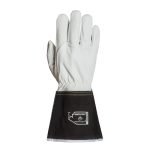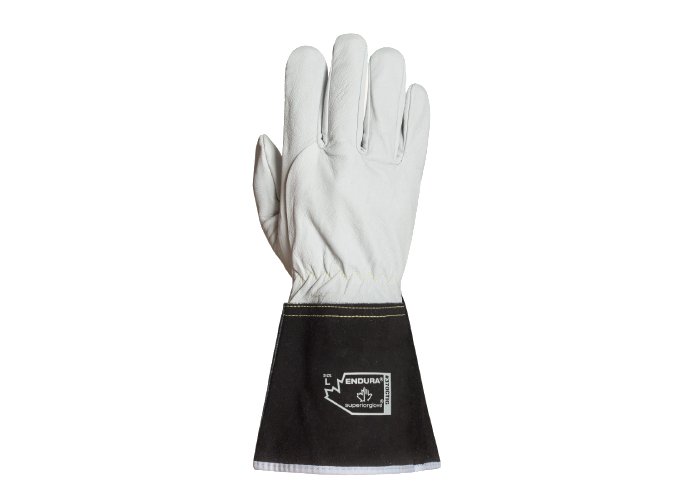
When you’re welding, your hands face serious risks—from sparks to extreme heat. Using the right welding gloves isn’t just a good idea; it’s a must for your safety.
But do you know how to choose and use these gloves properly to protect yourself fully? You’ll discover simple steps that keep your hands safe and comfortable while you work. Keep reading, because a small change in how you use your gloves can make a big difference in preventing injuries.
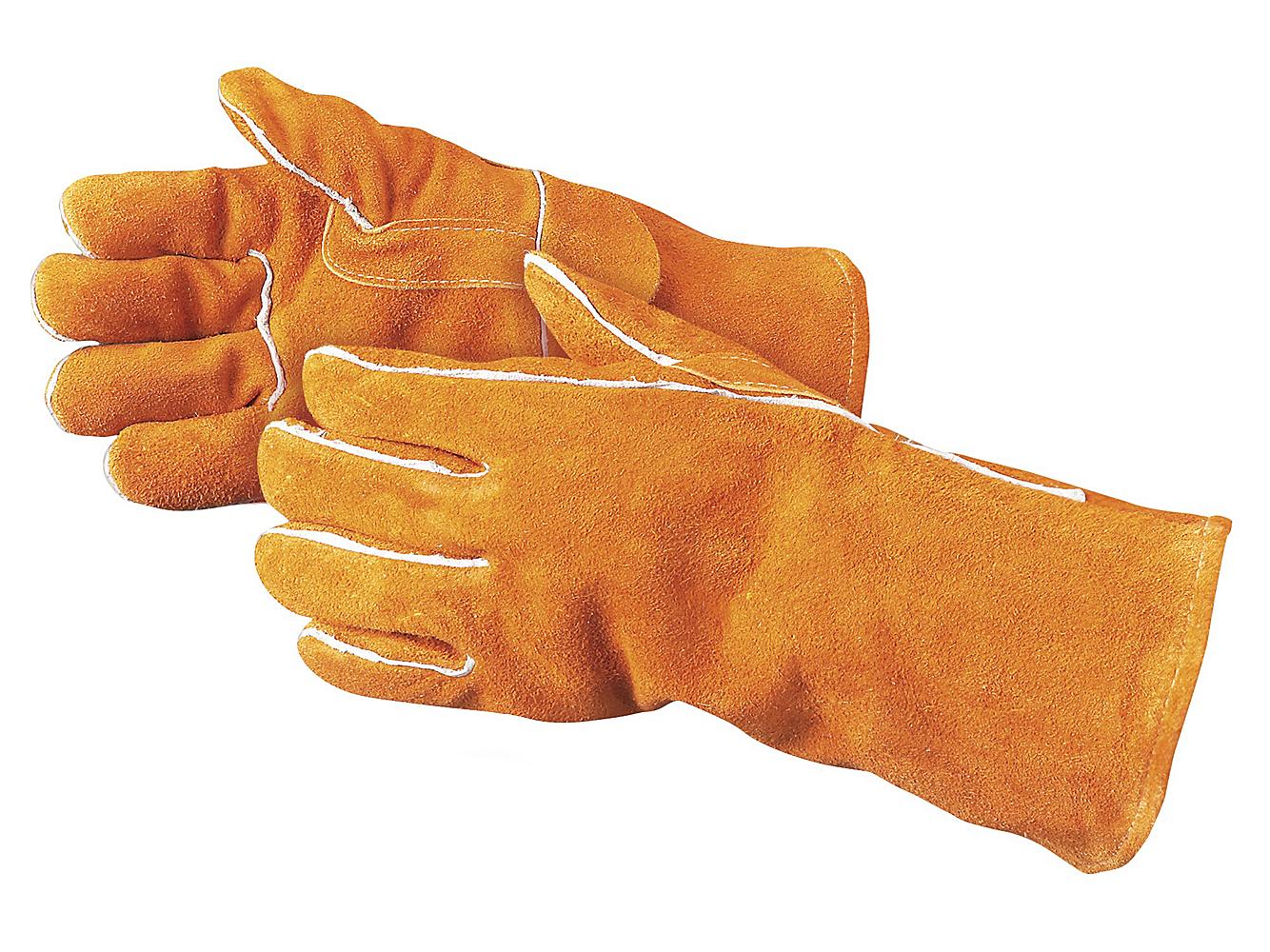
Credit: www.uline.ca
Choosing The Right Welding Gloves
Welding gloves protect your hands from heat, sparks, and sharp objects. Choosing the right gloves helps keep you safe and comfortable during work.
Different gloves suit different welding tasks. Picking gloves that fit well and resist heat is very important.
Material Types And Their Benefits
Welding gloves come in many materials. Each type offers specific safety features and comfort levels.
- Leather:Durable and heat-resistant, good for most welding jobs.
- Split Leather:Less expensive, softer, but less heat protection.
- Cowhide:Tough and offers good protection against sparks.
- Goatskin:Flexible and comfortable, ideal for fine welding work.
- Kevlar Lining:Adds cut resistance and extra heat protection.
Sizing For Comfort And Protection
Gloves that fit well protect your hands better and let you work longer without pain.
| Size | Hand Circumference (inches) | Fit Description |
|---|---|---|
| Small | 6.5 – 7.5 | Snug fit, good for small hands |
| Medium | 7.5 – 8.5 | Comfortable fit for average hands |
| Large | 8.5 – 9.5 | Roomy fit, allows movement |
| Extra Large | 9.5 – 10.5 | Loose fit, better for thick gloves |
Heat Resistance Levels
Heat resistance protects your hands from burns and hot metal. Gloves vary by the level of heat they can handle.
- Low Heat: Good for light welding and handling warm parts.
- Medium Heat: Suitable for most welding jobs with moderate heat.
- High Heat: Needed for heavy welding and cutting with very hot sparks.
Preparing Gloves Before Use
Welding gloves protect your hands from heat and sparks. Preparing them before use keeps you safe.
Check your gloves carefully. Clean and maintain them for longer use and better safety.
Inspecting For Damage
Look for holes, tears, or worn spots on your gloves. Damaged gloves can let heat or sparks through.
Check seams and stitching. Loose threads or broken seams reduce glove strength.
- Examine the palm, fingers, and back of the gloves.
- Feel for thin or weak areas by gently pressing.
- Make sure the lining is intact and not loose.
- Discard gloves with large holes or serious damage.
Cleaning And Maintenance Tips
Clean gloves after each use to remove dirt and debris. This helps keep the material strong.
Use mild soap and warm water. Avoid harsh chemicals that can damage the leather or fabric.
- Wipe gloves with a damp cloth for light dirt.
- Hand wash gloves if heavily soiled, then air dry.
- Do not use a dryer or direct heat to dry gloves.
- Store gloves in a cool, dry place away from sunlight.
- Apply leather conditioner if gloves are made of leather.
Proper Glove Wearing Techniques
Welding gloves protect your hands from heat, sparks, and sharp objects. Wearing them correctly keeps you safe and comfortable.
Using the right technique helps you work better and avoid injuries. Learn how to wear your welding gloves properly.
Ensuring A Secure Fit
Choose gloves that fit snugly but are not too tight. Gloves that are too loose reduce hand control and safety.
Check that the gloves cover your wrists completely. This prevents sparks from entering and causing burns.
- Try gloves on before use to check fit
- Make sure fingers move freely without extra space
- Adjust cuffs to cover wrists fully
- Replace gloves if they become stretched or worn out
Avoiding Common Mistakes
Do not use gloves that are damaged or have holes. These let heat and sparks reach your skin.
Avoid wearing gloves that are too thick. Thick gloves may reduce your grip and cause accidents.
- Never use gloves for tasks they are not made for
- Keep gloves clean and dry to maintain safety
- Do not wear gloves with wet hands inside
- Remove gloves carefully to avoid burns or cuts

Credit: roncosafety.com
Maximizing Safety During Welding
Welding is a tough job that can be dangerous. Using the right gloves helps keep you safe. Welding gloves protect your hands from heat, sparks, and sharp objects.
Wearing gloves made for welding lowers the risk of injuries. This guide shows how to use welding gloves to stay safe.
Protecting Against Burns And Sparks
Welding produces hot sparks and metal that can burn your skin. Good welding gloves block these sparks from reaching your hands. They also stop heat from burning you.
Choose gloves made from thick, heat-resistant materials. Keep your gloves dry and free from holes to protect better.
- Wear gloves that cover your wrists and lower arms
- Check gloves for tears before each use
- Replace gloves if they become worn or damaged
- Use gloves with flame-resistant materials
Handling Hot Materials Safely
After welding, metals stay very hot. Touching these materials without gloves can cause serious burns. Always use welding gloves to hold or move hot parts safely.
Gloves give you a good grip and protect your hands from heat. Use gloves that fit well to handle hot materials with control.
- Wear gloves before touching any metal after welding
- Do not use gloves that are wet or oily
- Keep gloves clean to maintain grip and protection
- Remove gloves safely to avoid contact with hot surfaces
Caring For Welding Gloves Post-use
Welding gloves protect your hands during welding. Taking care of them after use keeps them safe and lasting longer.
Proper cleaning and storage help maintain the gloves’ strength and comfort for your next job.
Cleaning Procedures
Cleaning welding gloves removes dirt, sweat, and metal particles. This stops damage and keeps the gloves safe to use.
- Brush off loose dirt and dust with a soft brush.
- Use a damp cloth to wipe the gloves gently.
- For leather gloves, apply a leather cleaner designed for work gloves.
- Do not soak gloves in water or use harsh chemicals.
- Allow gloves to air dry away from direct heat or sunlight.
- Check gloves for damage or cracks after cleaning.
Storage Recommendations
Store welding gloves in a clean, dry place. Good storage stops wear and keeps gloves ready for use.
| Storage Tip | Reason |
| Keep gloves away from heat sources | Heat can dry and crack leather |
| Store in a ventilated area | Prevents moisture build-up and mold |
| Place gloves flat or hang them | Keeps shape and avoids creases |
| Keep gloves separate from chemicals | Chemicals can cause damage or stains |
| Use a glove box or container | Protects from dust and dirt |
Signs To Replace Welding Gloves
Welding gloves protect your hands from heat, sparks, and sharp objects. It is important to know when to replace them.
Worn-out gloves can fail and cause injuries. Watch for signs that show your gloves need replacement.
Wear And Tear Indicators
Look for holes, tears, or worn spots on the gloves. These signs mean your gloves cannot protect your hands well.
Check the gloves for thinning leather or fabric. If the material feels weak or thin, replace the gloves.
- Holes and tears
- Worn or thin material
- Loose seams or stitches
- Burn marks or melted spots
When Gloves Lose Effectiveness
Gloves lose their heat resistance over time. If you feel heat through the gloves, they do not work well.
Gloves that do not fit well or have stiff material reduce hand safety. Replace gloves that feel uncomfortable or stiff.
- Heat passes through gloves
- Gloves become stiff or hard
- Poor fit or loose gloves
- Loss of waterproof or flame-resistant features
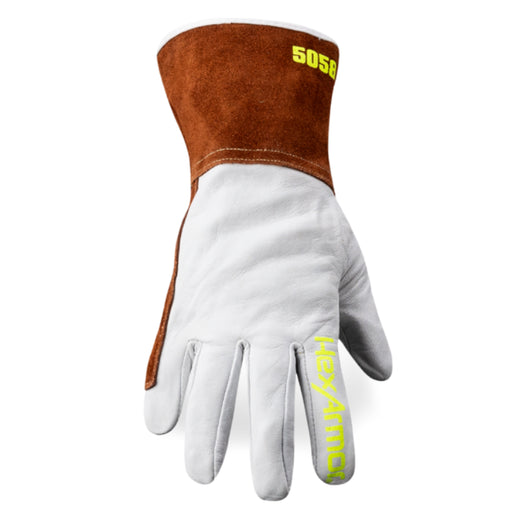
Credit: www.safetyvestsandmore.com
Frequently Asked Questions
What Are Welding Gloves Made Of?
Welding gloves are typically made from durable leather like cowhide or pigskin. These materials resist heat, sparks, and abrasion, providing essential protection during welding tasks.
How Do Welding Gloves Protect Your Hands?
They protect hands from burns, cuts, and electric shock. The thick leather and insulation shield skin from extreme heat and flying sparks.
When Should You Replace Welding Gloves?
Replace gloves if they show holes, tears, or excessive wear. Damaged gloves compromise safety by reducing heat resistance and protection.
Can Welding Gloves Improve Welding Precision?
Yes, gloves with a flexible design enhance grip and dexterity. Better control helps welders maintain accuracy and safety simultaneously.
Conclusion
Welding gloves protect your hands from burns and cuts. Always wear gloves that fit well and feel comfortable. Check gloves for damage before each use. Keep them clean and dry to last longer. Using gloves helps you work safely and confidently.
Safety should be your top priority every time you weld. Stay aware and take simple steps to avoid injuries. Good gloves make welding tasks easier and safer. Protect your hands, protect your work.