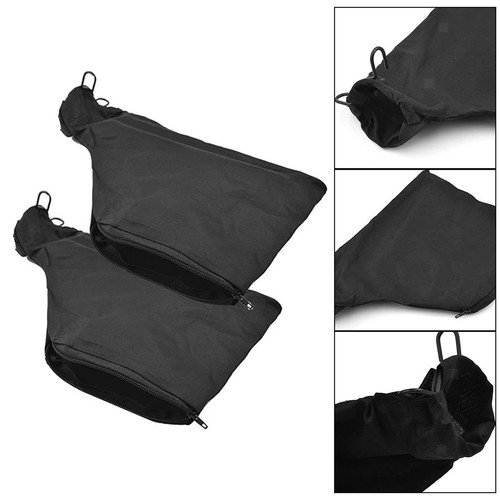
If you use a belt sander regularly, you know how quickly dust bags can fill up and lose their effectiveness. Cleaning your belt sander dust bag isn’t just about keeping your workspace tidy—it’s about making sure your tool works at its best every time you use it.
But how do you clean these bags without damaging them or making a bigger mess? You’ll discover simple, effective steps to clean your dust bag quickly and easily. Keep reading to learn how to extend the life of your dust bag and keep your sanding projects running smoothly.
Choosing The Right Cleaning Tools
Cleaning belt sander dust bags needs the right tools. Picking proper tools helps keep the bags in good shape.
Using wrong items can damage the dust bags or make cleaning harder. Learn which supplies work best and which tools to avoid.
Essential Supplies For Dust Bag Cleaning
Use soft brushes to remove dust from the outside of the bag. A vacuum cleaner with a brush attachment works well too. Mild soap and water help clean stubborn dirt.
- Soft bristle brush
- Vacuum cleaner with brush attachment
- Mild soap or detergent
- Warm water
- Clean cloth or sponge
- Rubber gloves to protect hands
Tools To Avoid
Avoid harsh brushes or scrubbing pads. They can tear the bag fabric. Do not use strong chemicals or bleach as they weaken the material.
| Tool or Item | Reason to Avoid |
| Wire brush | Damages fabric fibers |
| Harsh chemicals | Weakens and discolors bag |
| High-pressure water | Can cause leaks or tears |
| Abrasive scrub pads | Rubs holes in the material |
| Sharp objects | Punctures or cuts the bag |

Credit: www.amazon.co.uk
Preparing The Dust Bag
Cleaning the dust bag of your belt sander keeps it working well. Dust can fill the bag fast, so regular cleaning helps maintain strong suction.
Start by carefully removing the dust bag. Then empty the loose dust inside to avoid clogging the bag during use.
Removing The Bag From The Sander
Turn off the sander and unplug it. Find the dust bag attached to the side or back of the sander. Gently pull or twist the bag to detach it. Avoid shaking the bag too much to prevent dust from flying out.
Emptying Loose Dust
Empty the dust bag outside or into a trash bin. Follow these steps to clean it well:
- Hold the bag over the bin and open its mouth carefully.
- Shake the bag gently to release loose dust.
- Tap the bag softly to remove dust stuck inside.
- If possible, use compressed air to blow out dust.
- Inspect the bag for tears or damage before reattaching.
Cleaning Methods For Dust Bags
Belt sander dust bags catch fine dust and debris during sanding. Cleaning them keeps the sander working well and reduces dust release.
There are several ways to clean dust bags. Each method fits different bag types and levels of dirt. Choose the best method for your bag.
Shaking And Tapping
Shaking and tapping dust bags is the simplest way to remove loose dust. This method works best for bags with dry, loose debris.
Take the dust bag outside and hold it firmly. Shake it gently to loosen dust inside. Tap the bag against a hard surface to knock out dust stuck to the fabric.
Vacuuming Techniques
Vacuuming dust bags removes fine particles without damaging the fabric. Use a vacuum cleaner with a brush attachment for best results.
- Detach the dust bag from the sander carefully.
- Use a low suction setting to avoid tearing.
- Run the brush attachment over the bag’s inside and outside.
- Pay special attention to seams where dust collects.
- Empty the vacuum canister or bag after cleaning.
Washing And Drying Tips
Washing dust bags is a deeper cleaning method. Use this only if the bag’s label says it is washable. Follow these tips to avoid damage.
| Cleaning Step | Instructions |
| Pre-rinse | Rinse bag with cold water to remove loose dust. |
| Soak | Soak bag in mild soap and warm water for 15 minutes. |
| Wash | Gently hand wash or use delicate cycle in washing machine. |
| Rinse | Rinse thoroughly to remove all soap. |
| Dry | Air dry bag completely before reattaching to sander. |

Credit: www.amazon.ca
Maintaining Dust Bags For Longevity
Keeping your belt sander dust bags clean helps them last longer. Proper care stops clogging and keeps your workspace tidy.
Follow simple steps regularly to maintain your dust bags. Good habits improve performance and save money over time.
Regular Cleaning Schedule
Clean dust bags after every few uses. This prevents dust buildup and keeps airflow strong during sanding.
- Remove the dust bag from the sander carefully.
- Shake the bag outside to remove loose dust.
- Use a soft brush to clean the inside gently.
- Vacuum the bag if dust is stuck deep inside.
- Allow the bag to dry completely before reuse.
Storage Best Practices
Store dust bags in a dry, clean place to avoid damage. Moisture and dirt reduce bag lifespan and cause mold.
| Storage Tip | Benefit |
| Keep bags away from direct sunlight | Prevents material from weakening |
| Store bags in airtight containers | Keeps dust and moisture out |
| Do not fold or crush bags | Maintains shape and airflow |
| Check bags regularly for damage | Fix small holes early |
Troubleshooting Common Issues
Belt sander dust bags collect sawdust and debris during sanding. Keeping them clean helps your sander work better.
Sometimes dust bags face problems like build-up or damage. Fixing these issues keeps your tool safe and efficient.
Dealing With Persistent Dust Build-up
Dust often clogs the bag, reducing airflow and sanding power. Cleaning regularly stops this problem.
Use these tips to clear dust build-up:
- Remove the bag from the sander carefully.
- Shake the bag outside to remove loose dust.
- Use compressed air to blow out stuck dust.
- Wash the bag with mild soap and water if allowed.
- Dry the bag completely before use to avoid mold.
Handling Tears And Damage
Tears in the dust bag reduce its ability to catch dust. Fix small tears fast to prevent bigger holes.
Follow these steps to repair or handle damage:
- Inspect the bag for holes or weak spots before each use.
- Patch small tears with strong fabric tape or glue.
- Replace the dust bag if damage is too large or frequent.
- Store the bag in a dry place to avoid damage from moisture.
Credit: www.vevor.ca
Frequently Asked Questions
How Often Should I Clean Belt Sander Dust Bags?
Clean dust bags after every few uses or when they appear full. Regular cleaning ensures better airflow and sanding efficiency.
What’s The Best Method To Clean Belt Sander Dust Bags?
Empty the bag first, then shake or tap it outside. Use compressed air or a vacuum to remove fine dust inside.
Can I Wash Belt Sander Dust Bags With Water?
Yes, if the bag is fabric, hand wash gently with mild soap. Air dry completely before reuse to prevent mold and damage.
How Do I Prevent Dust Bags From Clogging Quickly?
Empty bags regularly and avoid overfilling. Use fine dust filters and keep the sander’s vents clean for better dust collection.
Conclusion
Cleaning your belt sander dust bag keeps your tool working well. Regular cleaning stops dust from building up inside. It helps your sander last longer and work better. Always check the bag for holes or tears before use. A clean dust bag means less mess and safer work.
Take a few minutes to clean it after each job. This small step makes a big difference over time. Keep your workspace neat and your sander ready to go. Simple care leads to better results every time.