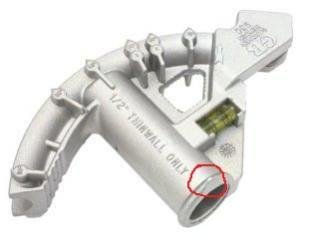
Are you struggling to get perfect straight bends in your conduit work? Using a conduit bender might seem tricky at first, but once you master it, your projects will look cleaner and more professional.
Imagine how much time and effort you could save with just the right technique. You’ll learn simple steps to use a conduit bender effectively for straight bends. Stick with me, and you’ll soon bend like a pro, making your electrical installations smoother and easier than ever before.
Choosing The Right Conduit Bender
Using a conduit bender helps create smooth, straight bends in electrical conduit. Picking the right bender is key to making precise bends without damage.
Understanding different types, sizes, and materials of conduit benders can save time and effort in your work.
Types Of Conduit Benders
Conduit benders come in several types. Each type is best for certain jobs and conduit sizes.
- Hand benders: Simple and good for small jobs and thin conduits.
- Hydraulic benders: Use fluid power for bending thick or large conduits.
- Electric benders: Powered machines for fast, precise bends in many conduits.
- Manual benders: Require physical force, best for small to medium conduits.
Selecting Based On Conduit Size
Choose a bender that fits the conduit size you plan to bend. Using the wrong size can cause poor bends or damage.
Most conduit benders are marked for specific conduit sizes. Check these marks before buying or using a bender.
- Small conduit (1/2″ to 1″): Use hand or manual benders.
- Medium conduit (1 1/4″ to 2″): Use hydraulic or larger hand benders.
- Large conduit (over 2″): Use hydraulic or electric benders.
Material Considerations
Conduit material affects your bender choice. Some materials need stronger or special benders.
Aluminum conduit bends easier than steel. Steel needs stronger benders to avoid damage.
- Aluminum: Use standard hand or manual benders.
- Steel: Use hydraulic or electric benders for best results.
- Plastic: Use light hand benders and avoid sharp bends.
Preparing For A Straight Bend
Using a conduit bender helps create clean, straight bends in electrical conduit. Preparing well ensures accuracy and safety.
Follow these steps to measure, mark, and set up the bender properly before bending.
Measuring And Marking The Conduit
Measure the conduit carefully to mark the exact spot for the bend. Use a tape measure for accuracy.
- Place the conduit on a flat surface.
- Measure from the end to the bend point.
- Mark the spot with a permanent marker or pencil.
- Double-check the measurement before bending.
Setting Up The Bender
Set the conduit bender on a stable surface. Align the mark on the conduit with the bender’s arrow or reference point.
| Tool Part | Purpose |
| Handle | Provides leverage for bending |
| Hook | Holds the conduit in place |
| Arrow | Shows where the bend starts |
| Degree Scale | Measures the bend angle |
Safety Precautions
Wear gloves and safety glasses to protect your hands and eyes. Keep your work area clean to avoid slips.
- Check the bender for any damage before use.
- Make sure the conduit is secure in the bender.
- Keep your body clear of the bending path.
- Use slow, steady pressure during bending.
Step-by-step Bending Process
Bending conduit with a conduit bender requires care and precision. This guide shows how to make straight bends easily.
Follow these steps to position the conduit, apply pressure, and check the bend for accuracy.
Positioning The Conduit
Place the conduit firmly in the bender’s shoe. Align the mark on the conduit with the bender’s arrow or bending point.
Make sure the conduit is straight and secure before bending. This helps create a clean, even bend.
- Check the alignment mark on the conduit
- Fit the conduit into the bender’s shoe
- Hold the conduit steady to prevent slipping
Applying Proper Pressure
Use your foot or hands to pull the handle slowly. Apply steady pressure to bend the conduit without kinking it.
Keep the pressure even and controlled. Stop bending when the conduit reaches the desired angle.
- Pull the handle with smooth, steady force
- Avoid sudden or jerky movements
- Stop bending at the correct angle
Checking Bend Accuracy
Use a level or angle finder to check the bend. Make sure it matches your required angle and is straight.
Adjust the bend if needed by carefully applying more pressure or repositioning the conduit.
- Check the angle with a level or protractor
- Look for any twists or kinks in the conduit
- Make small corrections if the bend is off

Credit: www.reddit.com
Common Mistakes To Avoid
Using a conduit bender properly is key to making straight bends. Many people make simple mistakes that cause poor results. Avoiding these errors saves time and material.
This guide explains common mistakes to watch for when bending conduit. Fixing these issues leads to better bends every time.
Overbending And Underbending
Overbending happens when you bend the conduit too far. This can cause the conduit to crack or not fit properly.
Underbending means the bend is not sharp enough. The conduit may not line up with other parts or fixtures.
- Check your angle before you finish the bend.
- Use a level or angle finder for accuracy.
- Practice on scrap conduit to improve skill.
Misalignment Issues
Misalignment happens when the conduit is not bent in the correct direction. This causes problems when connecting to boxes or other conduit.
Make sure the conduit is positioned correctly in the bender. Align the markings on the bender with the conduit to guide the bend.
- Mark the conduit clearly before bending.
- Double-check the bender setup before starting.
- Keep the conduit steady during the bend.
Ignoring Bender Calibration
Benders can lose accuracy over time. Ignoring this leads to wrong bends and wasted materials.
Regularly check your bender’s calibration. Adjust or service it if bends are off by even a small amount.
- Test the bender with a scrap piece often.
- Compare your bends to a known angle or guide.
- Follow the manufacturer’s instructions for calibration.
Maintenance And Care For Your Bender
Using a conduit bender for straight bends needs proper care. Good maintenance keeps it working well for a long time.
Clean and store your bender properly. Check its parts often to avoid problems and fix issues early.
Cleaning Tips
After each use, clean dirt and dust from your conduit bender. Use a dry cloth or soft brush for this task.
Avoid water or harsh chemicals because they can cause rust or damage the tool’s finish.
- Remove debris from moving parts
- Wipe down metal surfaces
- Apply light oil to prevent rust
Storage Recommendations
Store your conduit bender in a dry place to stop rust and corrosion. Avoid damp or humid areas.
Keep it off the ground and away from heavy objects that can cause damage.
- Use a toolbox or shelf for storage
- Keep it in a climate-controlled space if possible
- Cover the bender to protect from dust
When To Replace Parts
Check your bender’s parts regularly. Replace parts if they show wear or damage.
Worn parts can cause poor bends or make the tool unsafe to use.
- Replace worn bending shoes
- Check handles for cracks or breaks
- Change pins and bolts if loose or rusty
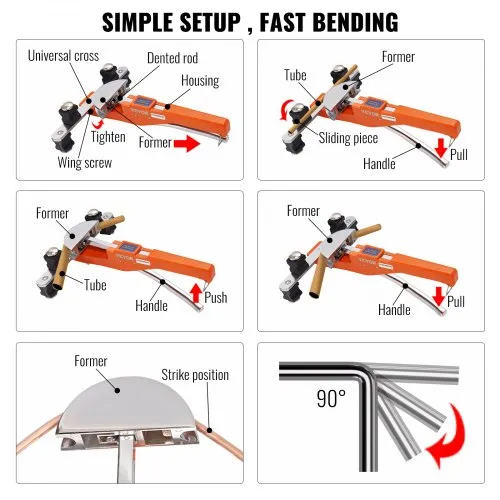
Credit: www.vevor.com
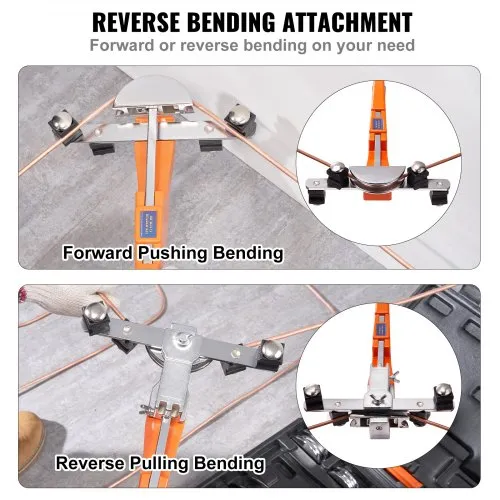
Credit: www.vevor.com
Frequently Asked Questions
What Is A Conduit Bender Used For?
A conduit bender shapes electrical conduit pipes for wiring. It helps create precise bends without damaging the pipe. This tool ensures smooth cable routing in construction or electrical projects, improving installation quality and safety.
How Do You Make Straight Bends With A Conduit Bender?
To make straight bends, align the conduit properly on the bender’s shoe. Apply steady pressure while rotating the handle. Use bending marks to control the angle. This method ensures accurate, clean bends for efficient conduit installation.
What Materials Can A Conduit Bender Bend?
Conduit benders work on various metals like aluminum, steel, and PVC-coated pipes. Each material requires specific bending techniques to avoid cracks or deformities. Proper use extends pipe life and maintains electrical safety standards.
Why Is Accuracy Important In Conduit Bending?
Accurate bends prevent cable damage and ensure proper fit in electrical installations. Precise bending minimizes waste and reduces labor time. This leads to a safer, more professional wiring setup.
Conclusion
Using a conduit bender helps create straight, clean bends quickly. It saves time and reduces mistakes on the job. You get better control and accuracy with each bend. Practice makes bending easier and more precise over time. Always measure carefully before starting any bend.
This tool is simple but very useful for electrical work. Trust your skills and take your time for best results. Straight bends look neat and fit well in any project. A good conduit bender improves your work quality every day.