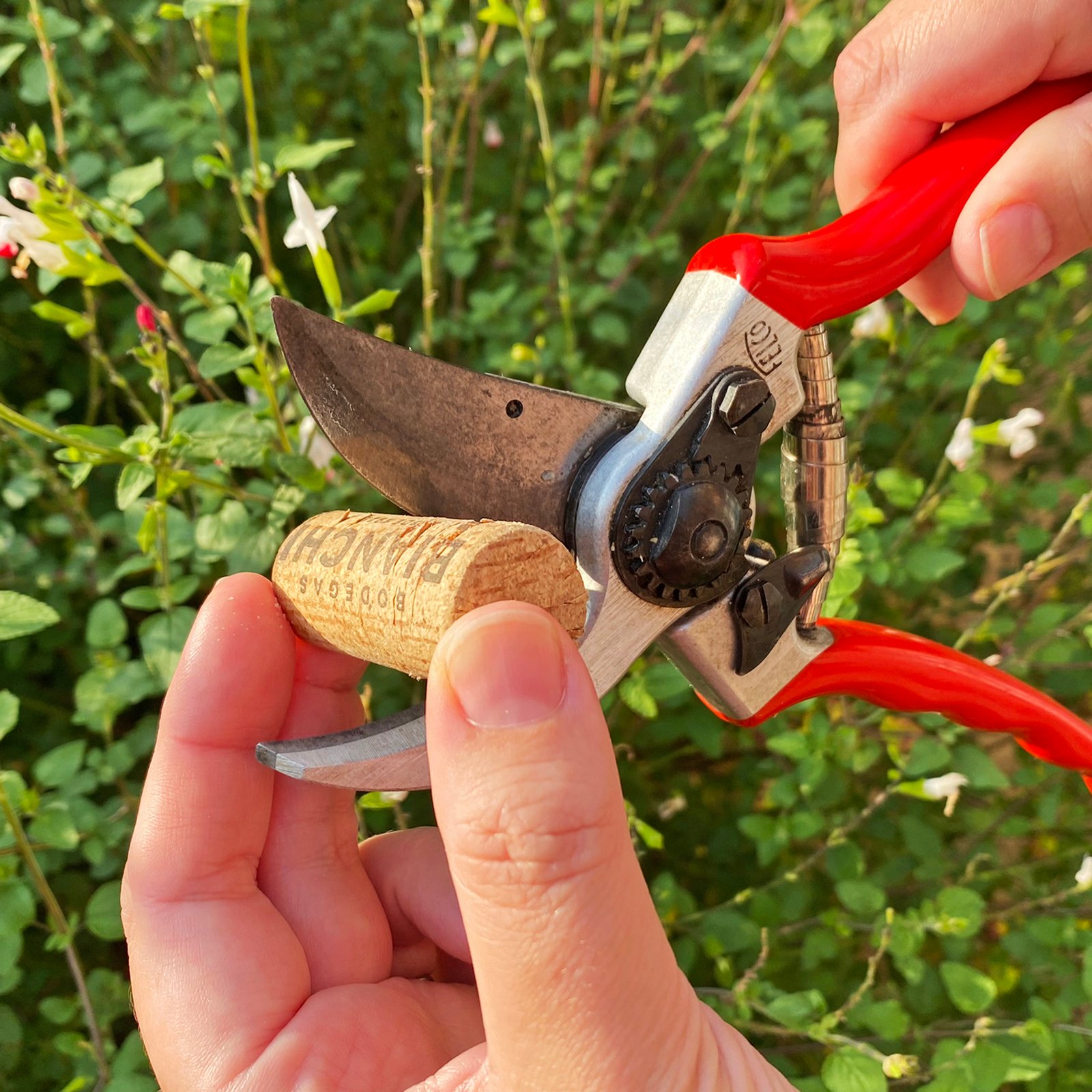
Your garden scissors are more than just a tool—they’re the key to keeping your plants healthy and your garden looking its best. But if you don’t take care of them properly, they can quickly become dull or rusty, making your work harder and less enjoyable.
What if you could keep your scissors sharp, clean, and ready to use every time you step outside? You’ll discover simple and effective ways to maintain your garden scissors so they last longer and perform better. Keep reading to unlock easy tips that will save you time, effort, and frustration in your gardening routine.
Credit: www.youtube.com
Choosing The Right Scissors
Picking the right garden scissors makes your work easier and better. Good scissors help you cut plants cleanly without hurting them.
Different scissors suit different garden tasks. Knowing their types and materials helps you choose the best one.
Types Of Garden Scissors
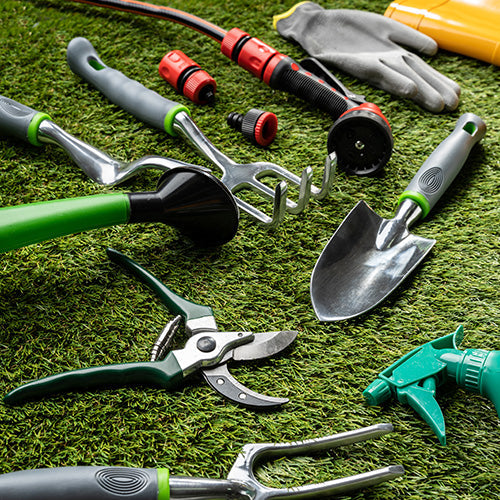
Garden scissors come in many types for different jobs. Some cut thin stems, while others handle thick branches.
- Pruning shears: for small branches and stems
- Bypass scissors: make clean, precise cuts
- Anvil scissors: good for tough, dry branches
- Hedge scissors: used for trimming hedges and bushes
- Floral scissors: designed for delicate flowers
Materials And Durability
Garden scissors are made from different materials. These affect their strength and how long they last.
Look for scissors with sharp, rust-resistant blades. Handles should be comfortable and strong for long use.
- Stainless steel blades resist rust and stay sharp
- Carbon steel blades are very sharp but may need more care
- Plastic or rubber handles offer a good grip
- Metal handles are tough but can be heavy

Credit: www.countryliving.com
Cleaning After Use
Cleaning garden scissors after use keeps them sharp and safe. Dirt and sap can build up on the blades.
Regular cleaning stops rust and helps your scissors last longer.
Removing Sap And Dirt
Sap and dirt stick to the blades during cutting. Use a cloth to wipe off loose dirt first.
To remove sticky sap, rub the blades with a cloth dipped in rubbing alcohol or soapy water.
- Wipe off excess sap gently
- Use rubbing alcohol for tough spots
- Dry blades fully to prevent rust
Best Cleaning Tools
Choosing the right tools makes cleaning easier. Soft cloths and brushes work well for most parts.
Use a small brush to clean between the blades and hard-to-reach spots.
- Soft cloth or microfiber towel
- Small brush or old toothbrush
- Rubbing alcohol or mild soap solution
- Dry towel to remove moisture
Sharpening Techniques
Keeping your garden scissors sharp helps you cut plants cleanly. Sharp scissors make your gardening work easier and safer. Dull blades can damage plants and hurt your hands.
Learn simple sharpening techniques to keep your scissors in good shape. Use the right tools and follow clear steps to sharpen your blades.
Tools For Sharpening
You need the right tools to sharpen garden scissors well. Different tools suit different blade types. Use clean and good-quality sharpening tools for best results.
- Sharpening stone or whetstone
- Diamond file for very dull blades
- Sharpening steel for quick touch-ups
- Lubricating oil to protect blades
- Soft cloth for cleaning
Step-by-step Sharpening Guide
Follow these steps to sharpen your garden scissors safely and easily. Take your time and check the blade often to avoid over-sharpening.
- Clean the scissors with a cloth to remove dirt and sap.
- Secure the scissors open on a flat surface.
- Hold the sharpening stone at a 20-degree angle to the blade.
- Slide the blade across the stone in one direction, away from your body.
- Repeat the sliding motion 5 to 10 times per blade side.
- Use a diamond file if the blade is very dull, following the same angle.
- Wipe blades clean and apply a few drops of lubricating oil.
- Test the sharpness by cutting a thin branch or leaf.
Lubricating Moving Parts
Garden scissors need regular care to work well. Lubricating their moving parts keeps them smooth. This prevents rust and reduces wear.
Lubrication helps scissors open and close easily. It also stops squeaking and protects metal from damage.
Best Oils And Lubricants
Choose oils that protect and clean your garden scissors. Light oils work well on small moving parts. Grease is too thick for scissors.
- WD-40: Good for cleaning and light lubrication
- 3-in-1 Oil: Keeps metal smooth and rust-free
- Mineral Oil: Safe and gentle on tools
- Silicone Spray: Prevents rust and repels water
How To Apply Lubricant
Start by cleaning your garden scissors. Remove dirt and old oil with a cloth. Use a brush for tight spots.
Put a few drops of oil on the pivot point where the blades meet. Open and close the scissors several times to spread the oil.
- Wipe off extra oil to avoid dirt buildup
- Repeat lubrication after every few uses
- Store scissors in a dry place to keep them lubricated longer
Storage Tips
Keeping garden scissors in good shape starts with proper storage. Storing scissors correctly protects their sharp blades and extends their life.
Learn how to protect the blades and find ideal storage spots. These tips keep your scissors ready for every gardening job.
Protecting Blades
Blade protection stops rust and damage. Clean your scissors before storing them. Wipe blades dry after use to prevent moisture buildup.
- Use blade covers or sheaths to avoid nicks.
- Apply a thin layer of oil on blades to stop rust.
- Keep scissors away from dirt and sap.
- Check blades regularly for any damage.
Ideal Storage Conditions
Store scissors in a dry, cool place. Avoid damp areas that cause rust and dull blades. A tool rack or drawer works well.
| Condition | Why It Matters | Tips |
| Dry | Prevents rust | Use silica gel packets nearby |
| Cool | Stops blade warping | Avoid direct sunlight |
| Organized | Prevents damage from other tools | Use holders or cases |
Safety Precautions
Using garden scissors safely helps prevent injuries. Always be careful when handling sharp tools.
Following safety steps keeps you and others safe while working in the garden.
Handling Sharp Blades
Garden scissors have sharp blades that can cut skin easily. Handle them with care every time.
- Always hold scissors by the handles, not the blades.
- Keep blades closed when not in use.
- Do not run or walk with open scissors.
- Store scissors in a safe place out of children’s reach.
- Check blades for damage before use to avoid accidents.
Using Protective Gear
Wearing the right gear protects your hands and eyes while cutting plants.
| Protective Gear | Purpose |
| Gloves | Protect hands from cuts and dirt |
| Safety glasses | Shield eyes from flying debris |
| Long sleeves | Guard arms from scratches |
Troubleshooting Common Issues
Garden scissors often face problems from regular use. Fixing small issues helps scissors last longer.
Check your scissors regularly. This stops small problems from getting bigger.
Loose Screws And Bolts
Loose screws and bolts can make your scissors hard to use. The blades may not cut well.
Tighten the screws with a screwdriver or wrench. Do not use too much force to avoid damage.
- Check screws after every few uses
- Use the right size tool for tightening
- Apply a small drop of oil to keep screws moving
- Replace worn screws if they do not tighten
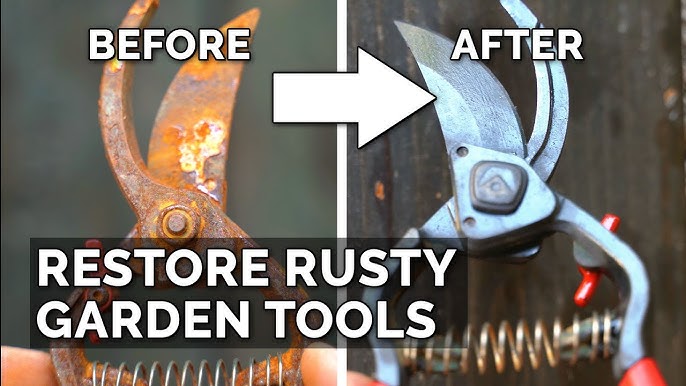
Rust Removal Methods
Rust makes scissors stiff and dull. Removing rust helps scissors work smoothly again.
Use simple household items to clean rust safely. This prevents damage to the blades.
- Soak scissors in white vinegar for one hour
- Scrub rust with a soft brush or steel wool
- Rinse scissors and dry them completely
- Apply oil to protect metal from future rust
Credit: mr-fothergills.co.uk
Frequently Asked Questions
How Often Should I Clean Garden Scissors?
Clean garden scissors after every use to prevent rust and sap buildup. Wipe blades with a damp cloth and dry thoroughly to maintain sharpness.
What Is The Best Way To Sharpen Garden Scissors?
Use a sharpening stone or file at a 20-30 degree angle. Sharpen both blades evenly to ensure smooth, precise cuts and prolong tool life.
How Do I Prevent Rust On Garden Scissors?
Apply a thin layer of oil on the blades after cleaning. Store scissors in a dry place to avoid moisture that causes rust.
Can I Use Household Oil To Lubricate Garden Scissors?
Yes, household oils like WD-40 or mineral oil work well. They reduce friction and protect blades from rust, keeping scissors in good condition.
Conclusion
Taking care of garden scissors keeps them sharp and ready to use. Clean blades after each cut to stop rust and dirt. Oil the joint often to keep it moving smoothly. Store scissors in a dry place to avoid damage.
Regular maintenance saves money and makes gardening easier. Small habits lead to long-lasting tools. Keep your scissors in good shape, and your garden will thank you. Simple steps make a big difference in tool life. Happy gardening!