Do you often find your cordless drills scattered around, making it hard to find them when you need them most? Storing your tools efficiently can save you time, protect your equipment, and keep your workspace neat.
You’ll discover simple and effective ways to organize your cordless drills so they’re always ready for action. Keep reading to transform your tool storage and make your DIY projects smoother than ever.
Choosing The Right Storage Spot
Storing cordless drills properly keeps them safe and ready to use. Picking the right spot helps protect the tools from damage. It also makes them easy to find and grab when needed.
Consider your space, how often you use the drill, and the environment. These factors will guide you to the best storage choice.
Assessing Available Space
Look around to find a good place for your cordless drills. Check shelves, closets, or toolboxes. Make sure the spot fits the drill and any accessories.
- Measure the size of your drill and charger
- Find a flat surface or shelf that can hold the weight
- Use vertical space if horizontal space is limited
- Keep drills away from heavy objects that might fall
Considering Accessibility
Store drills where you can reach them quickly. Avoid places that need extra effort to open or get to. Easy access saves time and keeps your work flowing.
| Storage Spot | Accessibility Level | Best Use |
| Workbench drawer | High | Daily use |
| Garage shelf | Medium | Occasional use |
| Closet box | Low | Rare use |
Protecting From Elements
Keep drills safe from dust, moisture, and extreme temperatures. These can harm the battery and drill parts over time.
- Store in a dry place away from water
- Avoid direct sunlight or heat sources
- Use plastic cases or covers for extra protection
- Keep the battery removed if storing long term
Credit: www.walmart.com
Using Wall-mounted Solutions
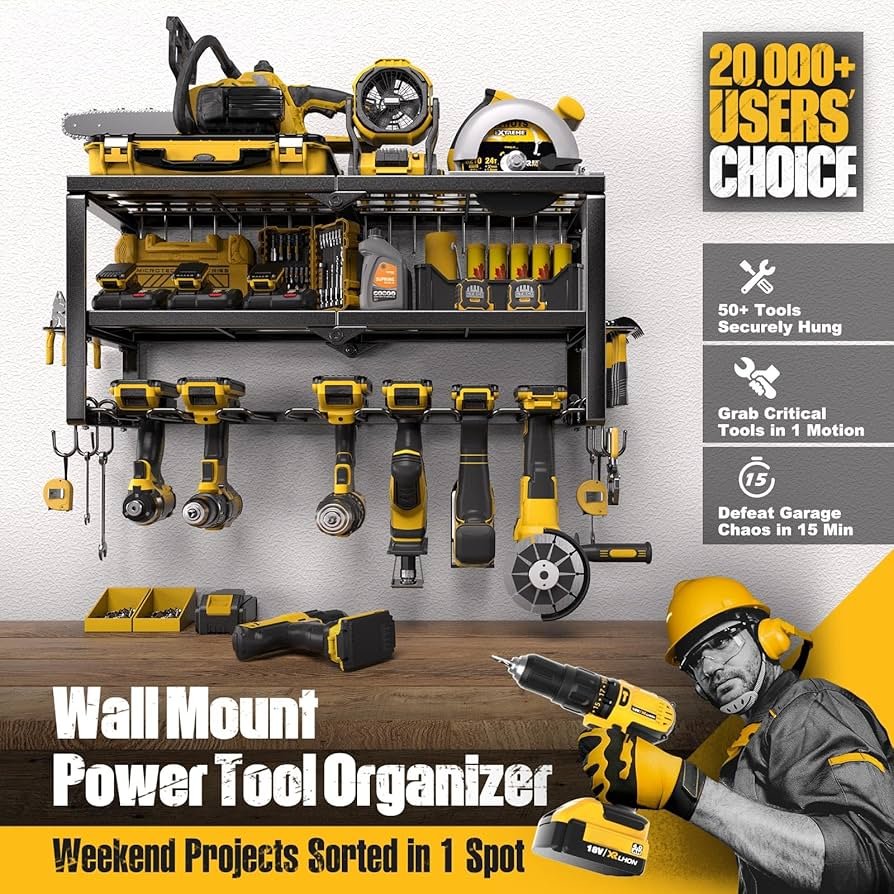
Storing cordless drills on the wall saves floor space. It also keeps tools easy to find and grab.
Wall-mounted solutions help keep your workspace clean. They protect drills from damage and clutter.
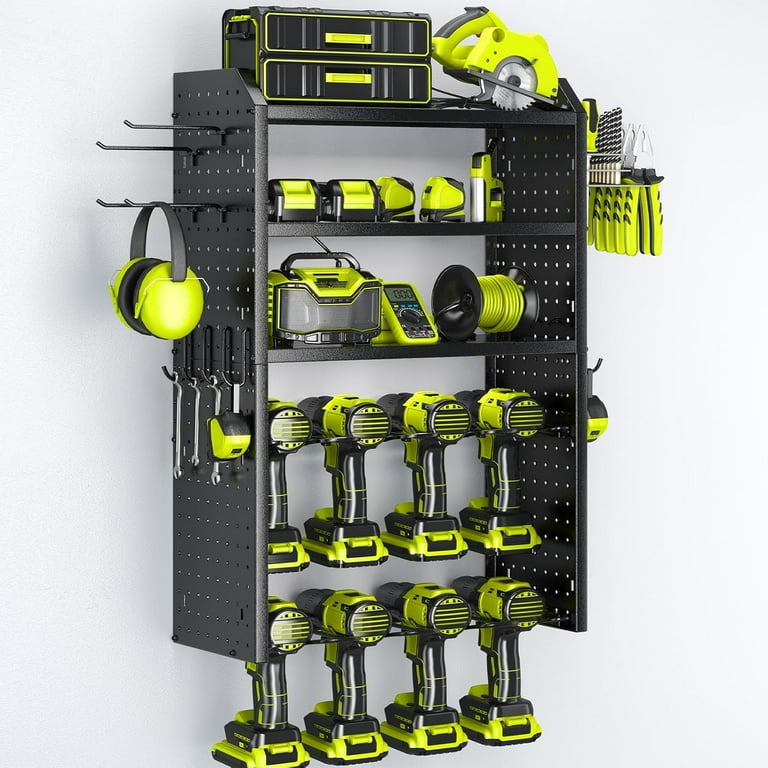
Pegboards For Organization
Pegboards hold drills and accessories in one place. You can arrange hooks and holders to fit your tools.
Labeling spots on the pegboard makes it easy to return drills after use. This keeps your area neat and organized.
- Use strong hooks for heavy drills
- Place drill batteries on separate hooks
- Keep drill bits and chargers nearby
Custom Shelving Options
Custom shelves fit your drill sizes exactly. They can include slots or dividers to hold drills firmly.
Shelves can be built at any height. This keeps drills safe and easy to reach without bending.
- Use wood or metal for sturdy shelves
- Add labels for each drill slot
- Include space for chargers and extras
Magnetic Strips For Convenience
Magnetic strips hold drills and metal parts on the wall. They make grabbing tools quick and simple.
Use strong magnets to support the weight of cordless drills. This keeps tools secure and easy to remove.
- Choose high-strength magnetic strips
- Place strips at comfortable height
- Keep small metal accessories on strips
Optimizing Toolboxes And Cases
Storing cordless drills properly keeps them safe and easy to find. Using the right toolboxes and cases saves space and protects your tools.
Organized storage helps you work faster. It also stops drills from getting damaged or lost.
Compact Cases With Compartments
Choose compact cases that have built-in compartments. These sections keep your drill and accessories separated. This setup prevents scratches and damage.
Compartments also help you see all your drill bits and chargers at a glance. This makes packing and unpacking quick and simple.
Stackable Storage Boxes
Stackable boxes save floor and shelf space. You can place several boxes on top of each other safely. They keep your drills organized by type or size.
- Choose boxes with secure lids to keep dust out.
- Use clear boxes to easily spot what is inside.
- Look for boxes with handles for easy carrying.
- Pick boxes with dividers to separate small parts.
Labeling For Quick Access
Label each case or box with its contents. This helps you find the drill or accessory you need fast. Use simple labels with clear text or images.
| Label Type | Best Use | Example |
|---|---|---|
| Text Labels | General tool identification | “Cordless Drill A” |
| Color Codes | Grouping by project or size | Red for large drills |
| Icons or Images | Quick visual recognition | Drill icon for drill cases |
Credit: www.walmart.com
Incorporating Charging Stations
Storing cordless drills properly keeps your workspace neat. Charging stations help keep drills ready to use.
They offer a safe place for batteries and reduce clutter from cords. Let’s explore how to use them well.
Designated Charging Areas
Set a specific spot for charging drills to stay organized. This space should be dry and easy to access.
- Choose a flat surface near power outlets
- Keep the area clean and free from dust
- Label the charging station for quick identification
- Ensure good ventilation to prevent overheating
Cord Management Techniques
Proper cord management prevents tangles and damage. Use tools to keep cords neat and safe.
- Use cable ties or Velcro straps to bundle cords
- Install hooks or clips near the charging area
- Label each cord for easy matching with its drill
- Keep cords off the floor to avoid tripping hazards
Multi-device Chargers
Multi-device chargers save space and charge many drills at once. They fit well in busy workshops.
| Feature | Benefit |
| Multiple charging ports | Charge several batteries at the same time |
| Compact design | Save space on your workbench |
| Automatic shut-off | Protect batteries from overcharging |
| LED indicators | Show charging status clearly |
Creative Diy Storage Ideas
Storing cordless drills neatly saves space and protects your tools. Smart storage ideas keep your work area tidy and make tools easy to find.
Try simple DIY methods to organize your drills using items you already have or by creating new racks and compartments.
Repurposing Household Items
Use common items around your home to store drills safely. This is a cost-effective way to keep tools organized.
- Old shoe organizers: Hang one on a wall to hold drills and batteries.
- Plastic jars: Cut lids to hold drill bits and small parts.
- Magazine racks: Store cordless drills vertically to save space.
- Wooden crates: Stack crates for a simple storage shelf.
Building Custom Racks
Make racks tailored to your drill sizes and workspace. Use wood or metal to build sturdy holders.
| Material | Use | Benefits |
| Wood | Build shelves and holders | Easy to cut and customize |
| Metal rods | Create hanging racks | Strong and durable |
| PVC pipes | Make drill holders | Lightweight and cheap |
Using Drawer Organizers
Drawer organizers keep drills and accessories neat inside drawers. Use dividers to separate items for easy access.
Try these tips for drawer storage:
- Use foam inserts to hold drills in place.
- Label each section for batteries and drill bits.
- Keep chargers in a separate compartment.
- Choose adjustable dividers to fit different drill sizes.
Maintaining Drill Longevity
Storing cordless drills properly helps them last longer. It keeps the tool safe and ready for use. Simple care steps prevent damage.
Focus on cleaning, battery care, and inspections. Each step adds to the drill’s lifespan and performance.
Cleaning Before Storage
Remove dirt and dust before putting your drill away. Clean the body and chuck to avoid buildup. Use a soft brush or cloth for cleaning.
- Wipe off dirt with a dry cloth
- Use compressed air for dust in crevices
- Clean the chuck to prevent rust
- Avoid water or harsh cleaners
Battery Care Tips
Proper battery care keeps your drill working well. Avoid letting batteries drain completely. Charge them before storage and store in a cool place.
| Battery Care | Do | Don’t |
| Charge Level | Keep at 40%-60% | Let drain fully |
| Storage Temp | Store in 50°F-77°F (10°C-25°C) | Store in hot or freezing spots |
| Use | Charge monthly if unused | Leave unused for months |
Regular Inspection Routines
Check your drill often. Look for worn parts and loose screws. Fix problems early to avoid bigger damage.
- Test the trigger and switch for smooth action
- Check chuck for tightness and wear
- Look for cracks or damage on the casing
- Listen for unusual noises during operation

Credit: www.amazon.com
Frequently Asked Questions
How Can I Organize Cordless Drills At Home?
Use wall-mounted racks or pegboards to save space. Store drills with their batteries removed. Label each spot for easy access.
What Is The Best Way To Protect Cordless Drills?
Keep drills in a dry, dust-free area. Use protective cases or covers to prevent damage. Avoid extreme temperatures for battery health.
How Should I Store Cordless Drill Batteries Safely?
Store batteries separately in a cool, dry place. Avoid direct sunlight and moisture. Charge batteries partially before storage for longer life.
Can I Store Multiple Cordless Drills Together?
Yes, but keep them separated to avoid scratches. Use compartments or dividers in storage boxes. Ensure each drill’s battery is removed.
Conclusion
Efficient storage keeps cordless drills in great shape. Save time and space. Proper storage prevents damage and extends drill lifespan. Organized tools are easier to find and use. Invest in racks or shelves for a neat workspace. Use wall mounts or pegboards.
Keep drills away from moisture and dust. Label drill cases for quick identification. Regularly check batteries and chargers for safety. A tidy workspace boosts productivity and peace of mind. Implement these storage tips today. Your cordless drills will thank you.