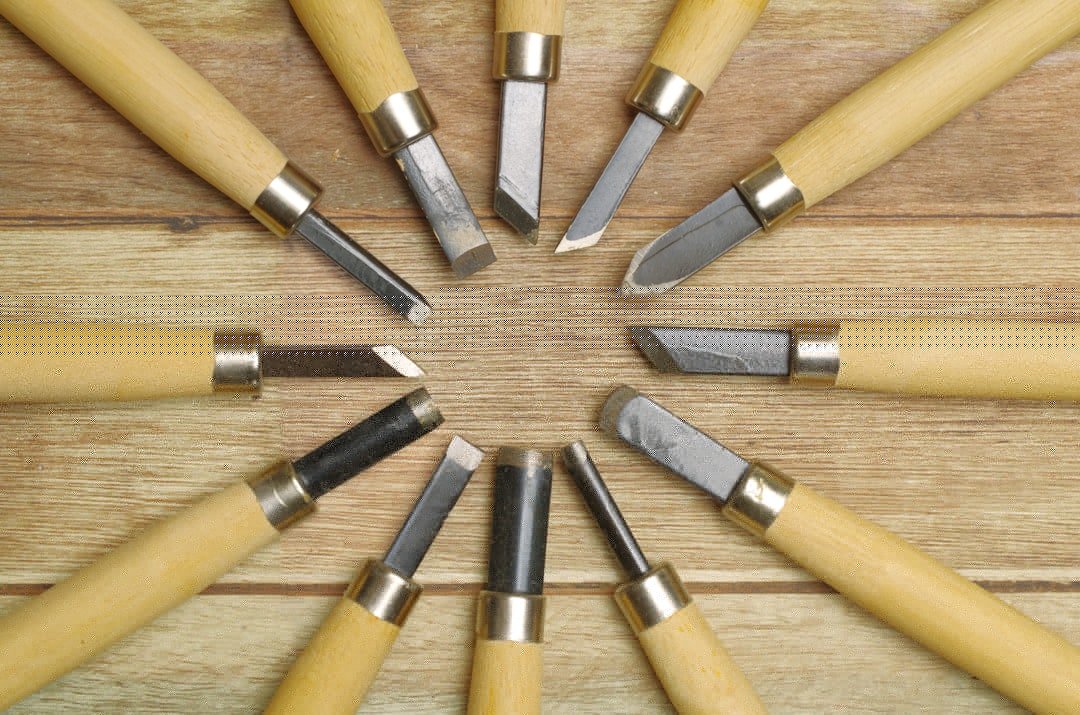
Are you tired of digging through messy drawers every time you need your utility knife? A cluttered workspace not only wastes your time but also puts you at risk of accidents.
Imagine having your utility knives neatly organized and easy to reach exactly when you need them. This simple change can make your tasks smoother and safer. Keep reading, and you’ll discover practical tips that will transform how you store and access your utility knives—making your work faster, safer, and more enjoyable.
Choosing The Right Storage
Organizing utility knives keeps your workspace safe and tidy. Picking the right storage helps you find knives fast.
Good storage also protects the blades from damage. It saves time and keeps tools in good condition.
Magnetic Strips
Magnetic strips hold knives securely on the wall. They keep knives visible and easy to grab.
These strips save drawer space and reduce clutter. Make sure the magnets are strong enough to hold heavy knives.
- Mount at eye level for easy access
- Keep away from children for safety
- Clean magnets regularly to maintain grip
Toolboxes And Cases
Toolboxes and cases protect knives during transport. They keep knives organized in one place.
Look for boxes with custom slots or foam inserts. This prevents knives from moving and getting dull.
- Choose a case with a sturdy latch
- Use foam to separate blades
- Label compartments for quick sorting
Wall-mounted Holders
Wall-mounted holders keep knives off surfaces and easy to reach. They come in different sizes and styles.
Pick holders with slots that fit your knives well. Make sure they are fixed tightly to the wall.
- Install near your workbench
- Use holders with safety covers
- Arrange knives by size or use
:strip_icc()/GettyImages-1450792977-2f73d43dc07547d4890f075dd3044686.jpg)
Credit: www.bhg.com
Labeling And Categorizing
Organizing utility knives helps keep your workspace safe and efficient. Labeling and categorizing knives makes it easy to find the right one.
Clear labels reduce mistakes and save time. Grouping knives by type or use keeps things tidy and accessible.
Blade Types And Sizes
Utility knives come with different blade types and sizes. Labeling each knife by its blade type helps you pick the right blade fast.
Use categories like snap-off blades, fixed blades, or specialty blades. Also, mark the blade size to match tasks easily.
- Snap-off blades for quick, clean cuts
- Fixed blades for heavy-duty work
- Specialty blades for unique materials
- Sizes vary to suit small or large jobs
Usage Frequency
Sort knives by how often you use them. Label knives used daily separately from those used rarely.
This method keeps frequently used knives within easy reach. Store less-used knives in a different place to save space.
- Daily use knives in the main toolbox
- Weekly or monthly use knives in a separate container
- Seasonal or specialty knives stored away safely
Safety Labels
Safety is key when storing utility knives. Use clear safety labels to remind users to handle knives carefully.
Label sharp blades and always mark knives that need blade changes or repairs. This prevents accidents and injuries.
- Label blades as “Sharp” or “Handle with Care”
- Mark knives needing blade replacement
- Use bright colors for safety labels
- Include instructions for safe blade changes
Maintaining Accessibility
Keeping utility knives easy to reach saves time and effort. Proper organization helps you grab the right tool quickly.
Good accessibility reduces accidents by preventing fumbling or searching for knives. It also keeps your workspace tidy.
Strategic Placement
Place utility knives where you use them most. Keep them within arm’s reach on your workbench or tool wall.
- Mount knives near cutting surfaces
- Use magnetic strips for quick grab
- Store knives at eye level for easy spotting
- Avoid cluttered drawers that hide tools
Quick-release Holders
Quick-release holders make grabbing knives fast and safe. These holders keep knives locked until you pull them out.
| Type | Benefit | Best Use |
| Wall-mounted holders | Save space, easy reach | Workshops, garages |
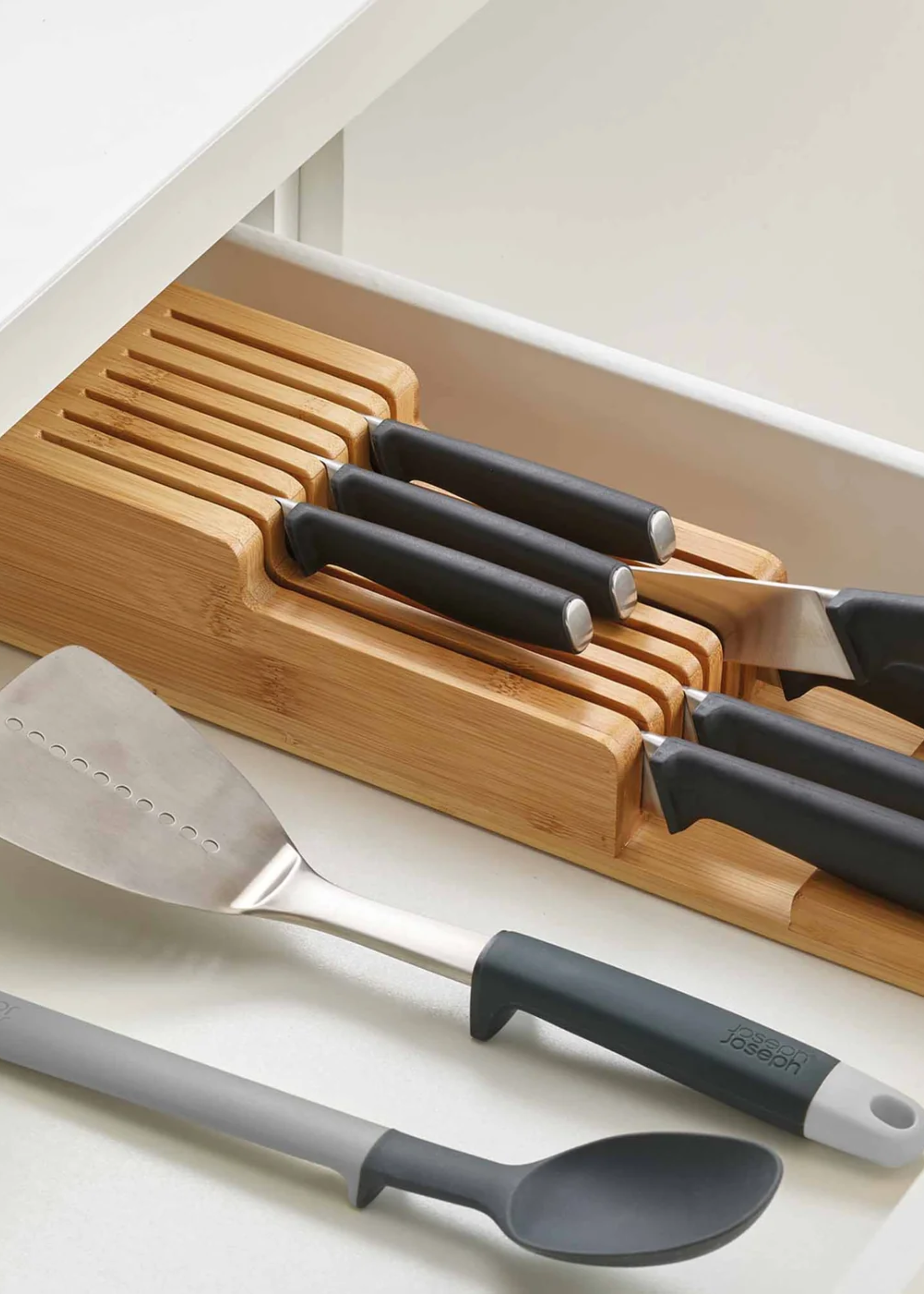
| Drawer inserts | Organized, less clutter | Offices, craft rooms |
| Stand holders | Portable, visible | On-site jobs, mobile use |
Portable Organizers
Portable organizers keep knives safe and handy during travel. They protect blades and prevent accidents.
- Choose organizers with secure locks
- Use padded cases to protect blades
- Label compartments for different knife types
- Pick compact designs for easy carrying

Credit: www.amazon.ca
Safety Practices
Organizing utility knives safely is important to avoid accidents. Proper safety practices help protect you and others.
Using the right tools and methods keeps knives secure and easy to find. This reduces the risk of cuts and injuries.
Blade Covers
Blade covers protect both the blade and the user. Always use a cover when the knife is not in use.
Keep covers in good condition and replace them if damaged. This prevents accidental cuts and keeps blades sharp.
- Use plastic or rubber blade covers
- Check covers for cracks or breaks
- Cover blades immediately after use
Proper Storage Positions
Store utility knives where blades point away from you. This reduces the chance of accidental cuts.
Keep knives in a designated spot, like a toolbox or wall rack. Organizing knives separately helps find them quickly.
- Store knives with blades retracted or covered
- Place knives in a holder or sheath
- Keep knives out of reach of children
Regular Inspections
Check utility knives often for damage or wear. Inspections help catch problems before they cause accidents.
Replace blades that are dull or broken. Clean knives to keep them working well and safe.
- Look for cracks in handles or covers
- Test blade sharpness regularly
- Clean blades and handles after use
Routine Maintenance Tips
Keeping utility knives in good shape makes them last longer and work better. Regular care helps you use the knife safely and efficiently.
Routine maintenance includes checking the blade, cleaning the knife, and sharpening it when needed. These simple steps keep your tool ready for any task.
Blade Replacement
Change the blade when it becomes dull or damaged. A sharp blade cuts better and is safer to use. Always follow the knife’s instructions for blade replacement.
Use gloves to protect your hands during the blade swap. Dispose of old blades carefully in a blade container or wrapped securely.
- Unlock the blade holder before removal
- Remove the old blade carefully
- Insert a new blade firmly in place
- Lock the blade holder securely
- Test the blade for stability
Cleaning And Lubrication
Clean your utility knife after each use to remove dirt and debris. Wipe the blade and handle with a dry cloth or mild cleaner.
Lubricate the moving parts with a drop of light oil. This keeps the blade sliding smoothly and prevents rust.
- Remove the blade before cleaning
- Use a soft cloth to wipe all parts
- Apply oil to the blade slider and hinge
- Wipe off any extra oil
- Reassemble the knife after cleaning
Sharpening Techniques
Sharpen the blade if it is dull but not damaged. Use a sharpening stone or a specialized sharpener for utility blades.
Keep the angle steady while sharpening. Do not press too hard to avoid breaking the blade.
- Hold the blade at a 20-degree angle
- Move the blade across the sharpener evenly
- Repeat until the edge feels sharp
- Test the blade on a scrap material
- Clean and oil the blade after sharpening
Credit: www.livingetc.com
Maximizing Workspace Efficiency
Organizing utility knives efficiently keeps your workspace clean and safe. A well-arranged setup helps you find tools fast.
Using smart storage ideas can save space and improve your work flow. This guide covers three key ways to organize utility knives.
Minimalist Arrangements
Keep only the knives you use daily on your work surface. Store extras elsewhere to avoid clutter.
- Use magnetic strips to hold knives on the wall
- Place knives in small, labeled containers
- Choose clear holders to see tools easily
- Limit the number of knives to essentials
Multi-tool Integration
Combine your utility knives with other tools in one spot. This saves time and keeps everything ready.
| Tool Type | Suggested Storage | Benefit |
| Utility Knives | Magnetic strip or drawer organizer | Easy access and safe storage |
| Scissors | Wall-mounted holder | Quick grab and return |
| Measuring Tape | Small hook or peg | Visible and ready to use |
| Markers | Pen cup or small jar | Organized and easy to find |
Customizable Storage Solutions
Adjust your storage to fit your tools and space. Custom setups help keep knives safe and organized.
- Use foam inserts cut to knife shapes inside drawers
- Install adjustable dividers in toolboxes
- Create wall panels with hooks and holders
- Label each storage spot for quick return
Frequently Asked Questions
How Can I Safely Store Utility Knives?
Store utility knives in a dedicated knife holder or a wall-mounted rack. Use blade covers or retract blades fully. This prevents accidents and keeps blades sharp. Organizing knives this way ensures safety and easy access.
What Is The Best Way To Organize Utility Knives?
Group utility knives by size or purpose. Use labeled compartments or magnetic strips. This system saves time and prevents clutter. It also helps quickly find the right knife for each task.
How Do I Maintain Utility Knives For Efficiency?
Regularly clean blades and handles after use. Sharpen blades as needed to keep cuts precise. Store knives in a dry place to prevent rust. Proper maintenance extends knife life and ensures optimal performance.
Can I Use A Toolbox For Utility Knives?
Yes, a toolbox with divided compartments works well. It protects blades and keeps knives organized. Choose a toolbox with foam inserts or adjustable dividers. This setup prevents damage and improves accessibility.
Conclusion
Organizing utility knives saves time and keeps workspaces safe. Store knives in a designated place for quick access. Use holders or magnetic strips to keep blades secure. Regularly check and clean knives to maintain sharpness. Label containers to avoid confusion and accidents.
Keep knives away from children and pets at all times. Small efforts lead to big improvements in tool management. Stay consistent with your organizing habits every day. Efficient storage makes your tasks easier and faster. Simple steps make a lasting difference in tool care.