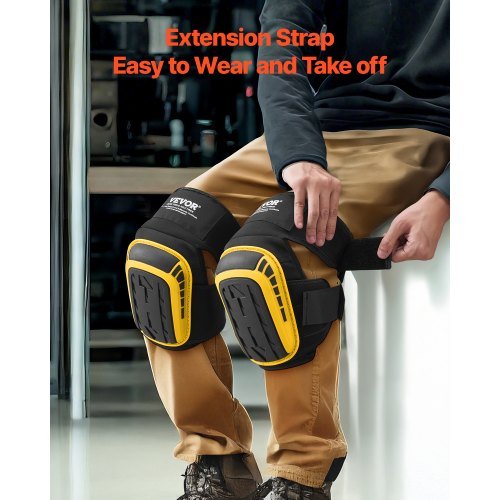
If you’re working on a flooring project, protecting your knees is more important than you might think. Wearing knee pads can save you from pain and injury, helping you stay comfortable and focused for longer.
But are you sure you’re wearing them the right way? Getting the fit and placement wrong can make knee pads useless or even cause discomfort. You’ll learn exactly how to wear knee pads so they work as they should. Keep reading, and you’ll discover simple tips that make a big difference in your safety and comfort while working.

Credit: www.amazon.com
Choosing The Right Knee Pads
Knee pads protect your knees during flooring projects. Choosing the right pair helps you work longer and avoid pain.
Focus on comfort, durability, and fit to get the best knee pads for your needs.
Types Of Knee Pads
You can find knee pads made for different tasks. Some have hard shells, others soft cushions. Pick what fits your flooring work style.
- Hard shell knee pads:Provide strong protection on rough surfaces.
- Soft foam knee pads:Offer comfort on smooth floors.
- Gel knee pads:Adapt to your knee shape for extra support.
- Strap-on knee pads:Easy to put on and remove.
Materials And Durability
| Material | Benefits | Drawbacks |
| Plastic | Strong and protects well | Can be hard and less flexible |
| Foam | Soft and comfortable | Wears out faster |
| Gel | Comfortable and molds to knees | Heavier and may feel warm |
| Neoprene | Flexible and water-resistant | May cause sweating |
Size And Fit Considerations
Correct size keeps knee pads in place and prevents discomfort. Too loose means slipping. Too tight causes pain.
- Measure your knee circumference before buying.
- Choose adjustable straps for a better fit.
- Try knee pads on with your work clothes.
- Check that pads cover the knee cap fully.
Preparing Your Knee Pads
Wearing knee pads helps protect your knees during flooring projects. Proper preparation of the knee pads makes them more comfortable and effective.
Before starting your work, take time to prepare your knee pads. This ensures they fit well and last longer.
Cleaning And Inspecting
Clean your knee pads before each use to remove dirt and sweat. This keeps them fresh and prevents damage.
Check for any cracks, tears, or worn-out parts. Damaged knee pads may not protect your knees properly.
- Use mild soap and water to clean the pads
- Wipe them dry before use
- Look for any signs of wear or damage
- Replace knee pads if they are too worn
Adjusting Straps For Comfort
Adjust the straps so the knee pads fit snugly but not too tight. Proper fit keeps them in place and prevents slipping.
Try moving your knees after adjusting to make sure the pads feel comfortable. Readjust straps if needed.
- Loosen straps before putting the knee pads on
- Secure straps evenly around your knees
- Check for any pinching or pressure points
- Make small adjustments for best comfort
Adding Extra Cushioning
Add extra cushioning if your knee pads feel hard or uncomfortable. Extra padding protects your knees better on hard floors.
You can use soft foam inserts or gel pads inside your knee pads. Test the fit again after adding cushioning.
- Choose cushioning materials that fit inside the pads
- Place padding evenly to avoid lumps
- Check comfort by kneeling on a soft surface
- Replace extra cushioning if it wears out
Proper Techniques For Wearing Knee Pads
Wearing knee pads correctly helps protect your knees during flooring work. It reduces pain and avoids injury from hard surfaces.
Learn how to position knee pads, secure straps, and check for movement. These steps keep your pads comfortable and safe.
Positioning On The Knee
Place the knee pad so the cushioned part covers the kneecap fully. It should sit flat without folding or gaps.
Make sure the pad does not sit too high or too low. Proper position protects your knee joint and soft tissue.
Securing Straps Correctly
Straps must be tight enough to hold the pad in place but not so tight they cut off circulation. Check each strap carefully.
- Wrap straps evenly around your leg.
- Fasten the straps firmly without causing discomfort.
- Adjust straps if you feel pressure points.
- Use Velcro or buckles as designed for secure fit.
Checking For Movement And Slippage
After securing, move your knee in different directions. Watch for any slipping or shifting of the pads.
| Test | What to Look For | Action if Problem |
|---|---|---|
| Bend Knee | Pad stays in place without sliding | Tighten straps or reposition pad |
| Walk or Kneel | No painful rubbing or pinching | Adjust strap tightness or padding |
| Twist Leg | Pad does not rotate or move sideways | Secure straps more firmly |
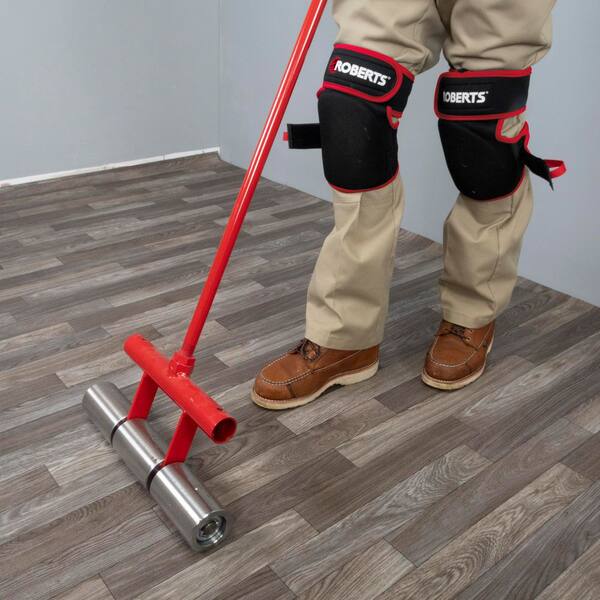
Credit: www.homedepot.com
Maintaining Comfort During Long Projects
Wearing knee pads helps protect your knees during flooring work. Comfort is important when projects take many hours. This guide shows how to keep comfortable with knee pads on long jobs.
Good habits reduce pain and prevent injury. Follow simple tips on breaks, clothing, and managing sweat to stay comfortable all day.
Taking Breaks And Repositioning
Resting your knees gives your body a chance to recover. Moving your position often stops stiffness and soreness. Use these ideas to keep your knees feeling good.
- Take short breaks every 30 to 45 minutes.
- Stand up and walk for a few minutes during breaks.
- Shift your weight between knees when kneeling.
- Change kneeling angles to avoid pressure spots.
- Stretch your legs and hips before resuming work.
Using Knee Pads With Protective Clothing
Wear knee pads over or under clothes based on your comfort and the type of pad. Protective clothing can add layers but also support and padding.
| Clothing Type | Wear Knee Pads | Comfort Tips |
| Work Pants with Knee Pockets | Insert pads inside pockets | Ensure snug fit without tightness |
| Loose Work Pants | Wear pads over pants | Adjust straps to avoid slipping |
| Thermal or Moisture-Wicking Pants | Wear pads under pants | Helps reduce sweat buildup |
Managing Sweat And Heat
Sweat and heat can make knee pads uncomfortable. Use these tips to keep cool and dry during long flooring projects.
- Choose knee pads with breathable materials.
- Wear moisture-wicking socks and pants.
- Use small cloth liners inside knee pads to absorb sweat.
- Take breaks in shaded or cool areas.
- Drink water often to stay hydrated.
Caring For Your Knee Pads
Keeping your knee pads clean and well stored helps them last longer. Proper care ensures they stay comfortable and safe during flooring projects.
Learn how to clean, store, and know when to replace your knee pads to get the best use from them.
Cleaning After Use
Remove dirt and sweat from your knee pads after each use. Use a damp cloth and mild soap to wipe them down. Avoid soaking or using harsh chemicals.
Let them air dry in a well-ventilated area. Do not place them in direct sunlight or near heat sources.
Storage Tips
- Store knee pads in a cool, dry place away from sunlight.
- Keep them flat or hanging to maintain their shape.
- Avoid storing them in damp areas to prevent mold and odor.
- Use a breathable bag or container for storage.
When To Replace Knee Pads
| Signs to Replace | What to Check |
| Worn padding | Less cushioning and comfort |
| Cracked or torn straps | Straps no longer hold securely |
| Permanent odor | Cleaning does not remove smell |
| Loss of shape | Knee pads do not fit well |
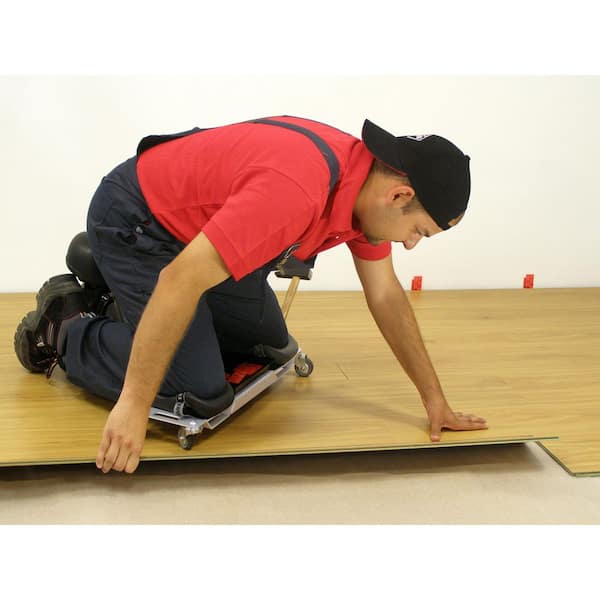
Credit: www.homedepot.com
Frequently Asked Questions
How Do I Properly Wear Knee Pads For Flooring?
Place the knee pads directly over your knees. Adjust straps for a snug, but comfortable fit. Ensure they cover the kneecap fully for maximum protection during flooring tasks.
Can Knee Pads Prevent Injury During Flooring Projects?
Yes, knee pads cushion impact and reduce stress on knees. They protect against bruises, cuts, and long-term joint damage during prolonged kneeling.
What Types Of Knee Pads Are Best For Flooring Work?
Gel or foam-filled knee pads offer excellent cushioning. Hard-shell pads are great for rough surfaces. Choose based on comfort, durability, and flooring type.
How Tight Should Knee Pad Straps Be Worn?
Straps should be tight enough to keep pads in place. Avoid overly tight straps that restrict circulation or cause discomfort.
Conclusion
Wearing knee pads protects your knees during flooring projects. Choose the right size and style for comfort. Secure the straps well to keep them in place. Take breaks to avoid pressure on your joints. Clean your knee pads after each use to keep them fresh.
Good knee protection helps you work longer and safer. Remember, simple steps make a big difference in comfort. Stay safe and enjoy your flooring work without pain.