Sanding inside corners can be tricky, but it doesn’t have to be frustrating. If you want smooth, flawless edges without wasting time or effort, this guide is made for you.
You’ll discover simple tips and clever techniques that make sanding those tight spots easier than ever. Keep reading, and you’ll learn how to transform rough corners into perfectly finished surfaces that stand out. Ready to take your sanding skills to the next level?
Let’s dive in!
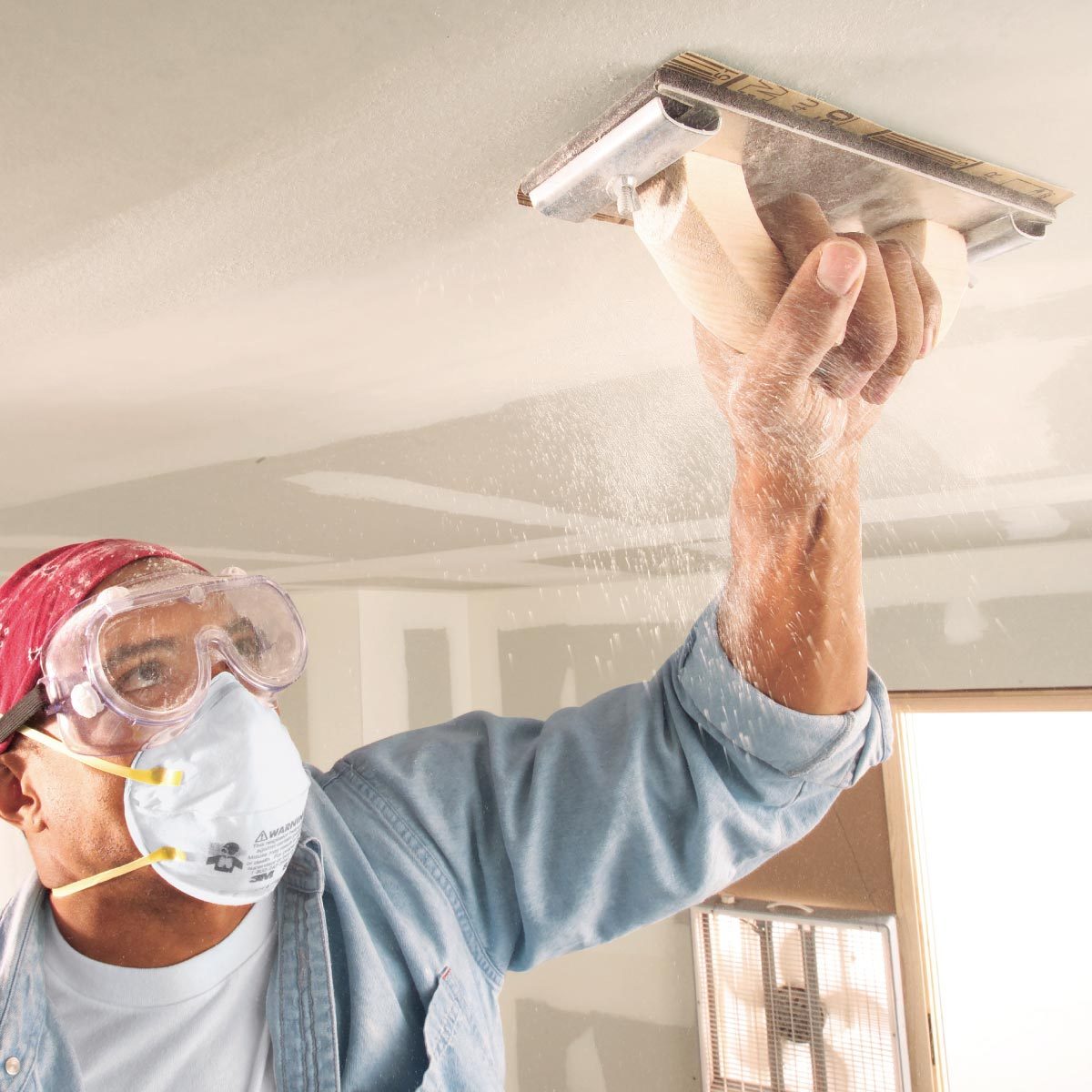
Credit: www.familyhandyman.com
Tools For Inside Corner Sanding
Sanding inside corners can be tricky. The tight space makes it hard to reach with regular tools. Using the right tools helps you get a smooth finish without damage.
This guide explains the best tools for sanding inside corners. It covers how to pick sandpaper, special sanding blocks, and detail sanders.
Choosing The Right Sandpaper
Pick sandpaper grit based on the job. Coarse grit removes rough spots fast. Fine grit smooths surfaces for a clean look. Use flexible sandpaper that bends into corners easily.
- Coarse grits: 40 to 60, for heavy sanding
- Medium grits: 80 to 120, for general sanding
- Fine grits: 150 to 220, for finishing work
- Flexible backing to fit corners well
Specialty Sanding Blocks
Special sanding blocks help reach tight inside corners. They come in shapes like wedges or triangles. These blocks hold sandpaper securely and give good control.
| Block Shape | Use | Benefit |
| Wedge | Fits narrow corners | Easy to press into tight spaces |
| Triangle | Sand inside edges | Good for three-sided corners |
| Flexible Foam | Conforms to shapes | Even sanding on uneven surfaces |
Using Detail Sanders
Detail sanders are power tools made for small spaces. They have pointed tips that fit inside corners. Use them with the right sandpaper for smooth results.
- Choose a detail sander with a triangular pad
- Use fine grit sandpaper for finish sanding
- Move the tool gently along the corner
- Check progress often to avoid over-sanding
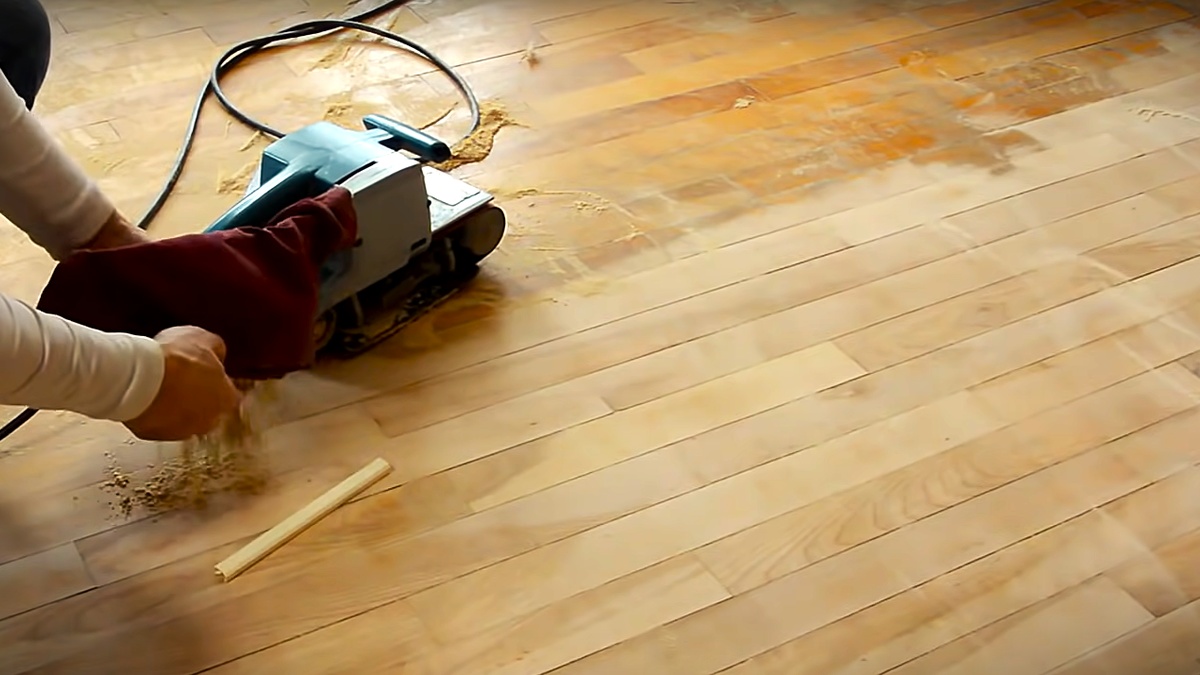
Credit: www.ecohome.net
Preparing The Surface
Before sanding inside corners, you need to prepare the surface carefully. A clean and smooth area helps the sanding process work better.
This preparation removes dirt, old paint, and debris. It also makes sure the surface is ready for finishing.
Cleaning The Corner Area
Cleaning the corner area removes dust and dirt that can block sanding. Use a soft brush or vacuum to clear loose particles.
Wipe the corners with a damp cloth to pick up any remaining dust. Make sure the area is dry before sanding.
- Use a soft brush to reach tight corners
- Vacuum to remove loose dust
- Wipe with a damp cloth
- Let the surface dry completely
Removing Old Paint And Debris
Old paint and debris can make sanding uneven. Use a scraper or putty knife to remove peeling paint carefully.
Clear away any debris with a brush. This step prevents bumps and helps the new finish stick well.
- Scrape off loose or peeling paint
- Brush away dust and debris
- Check for cracks or holes
- Fill cracks before sanding if needed
Techniques For Smooth Sanding
Sanding inside corners can be tricky. The goal is to make the surface smooth without damaging edges.
Using the right tools and methods helps you get good results faster. This guide covers hand sanding, sanding sponges, and power tools.
Hand Sanding Methods
Hand sanding gives you control in tight corners. Use a sanding block or fold sandpaper to fit the corner shape.
Move the sandpaper gently along the corner edges. Use light pressure to avoid rounding the corner too much.
- Fold sandpaper into a wedge shape for inside corners
- Use fine grit sandpaper for finishing
- Sand along the corner, not across it
- Check progress often to avoid over-sanding
Using Sanding Sponges Effectively
Sanding sponges are flexible and fit into corners well. They help smooth surfaces without damaging edges.
Choose a sponge with the right grit. Use a light touch and move the sponge back and forth inside the corner.
- Pick medium grit for initial sanding
- Switch to fine grit for a smooth finish
- Keep the sponge clean to avoid scratches
- Use damp sanding sponges for less dust
Sanding With Power Tools Safely
Power sanders speed up sanding but need care inside corners. Use a detail sander or sanding attachment for tight spots.
Keep the tool moving to avoid gouging the wood. Use low speed and light pressure for better control.
- Use a small pad or attachment for inside corners
- Wear safety gear like goggles and masks
- Test on scrap material before sanding your project
- Turn off the tool before changing sandpaper
Addressing Common Challenges
Sanding inside corners can be tricky and needs careful attention. Many people face problems like hard-to-reach spots and uneven surfaces. This guide will help you handle these common issues.
Understanding how to work in tight spaces, avoid sanding too much, and keep steady pressure will improve your results. Let’s look at each challenge closely.
Dealing With Tight Spaces
Inside corners are narrow and hard to reach with regular sanders. You must use tools and techniques that fit these small areas.
- Use a sanding sponge or folded sandpaper for better control.
- Try a small sanding block shaped to fit corners.
- Work slowly and carefully to reach all edges.
- Use gentle strokes to avoid damaging nearby surfaces.
Preventing Over-sanding
Sanding too much can ruin the shape of corners and make uneven surfaces. It is important to remove just the right amount of material.
| Tip | Explanation |
|---|---|
| Check Often | Stop sanding frequently to see your progress. |
| Use Light Pressure | Press gently to avoid removing too much material. |
| Choose Fine Grit | Use finer sandpaper for finishing touches. |
| Sand Evenly | Move the sander evenly to prevent dips and bumps. |
Maintaining Consistent Pressure
Keeping steady pressure helps create a smooth, even finish. Uneven pressure causes scratches and rough spots.
- Hold the sanding tool firmly but not too tight.
- Use both hands if possible for better control.
- Move the sander in slow, steady strokes.
- Rest often to avoid hand fatigue.
Finishing Touches
Sanding inside corners needs careful finishing to look smooth. This makes your work ready for the next steps.
Take time to check, clean, and prepare corners. These steps improve the final look and durability.
Checking For Evenness
Run your finger along the corner to feel for bumps or rough spots. Look closely under good light to spot uneven areas.
Use a small sanding block if you find high spots. Sand gently until the surface feels smooth and flat.
Cleaning Dust And Residue
Remove all sanding dust before painting or staining. Dust can cause paint to peel or look blotchy.
- Use a soft brush to sweep away dust.
- Wipe the corner with a damp cloth.
- Let the surface dry fully before moving on.
Preparing For Painting Or Staining
Make sure the corner is clean and smooth before painting or staining. This helps the finish stick better.
Apply a primer if needed. Primer seals the wood and gives a better base for paint or stain.
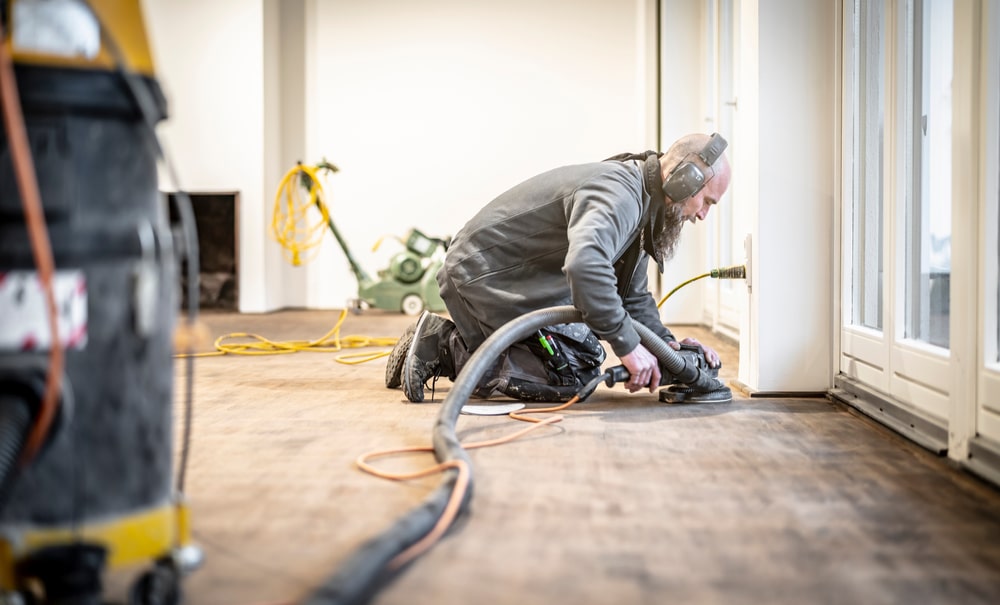
Credit: mrsander.co.uk
Frequently Asked Questions
What Is The Best Tool For Sanding Inside Corners?
The best tool for sanding inside corners is a sanding sponge or a small detail sanding block. These tools fit snugly into tight spaces, allowing precise control and smooth finishes without damaging adjacent surfaces.
How Do I Avoid Damaging Surfaces While Sanding Corners?
Use light pressure and gentle, controlled movements to avoid damaging surfaces. Choose the right grit sandpaper and switch to finer grits as you progress for a smooth finish.
Can I Use Electric Sanders For Inside Corners?
Electric sanders are generally not ideal for inside corners due to limited access. Hand sanding with flexible tools offers better control and prevents over-sanding in tight spaces.
What Grit Sandpaper Is Best For Inside Corners?
Start with medium grit (around 120) to remove imperfections, then finish with fine grit (220 or higher) for a smooth surface. Adjust grit based on material and condition.
Conclusion
Sanding inside corners can seem tricky at first. Yet, with practice, it becomes straightforward. Use the right tools for better results. Patience is key. Smooth corners enhance the overall finish. Remember to sand gently to avoid damage. Your project will look more professional with smooth corners.
Always prioritize safety while sanding. Protect your hands and eyes. A little effort leads to great results. Now, you’re ready to tackle those corners with confidence. Enjoy the process and the satisfaction of a job well done.