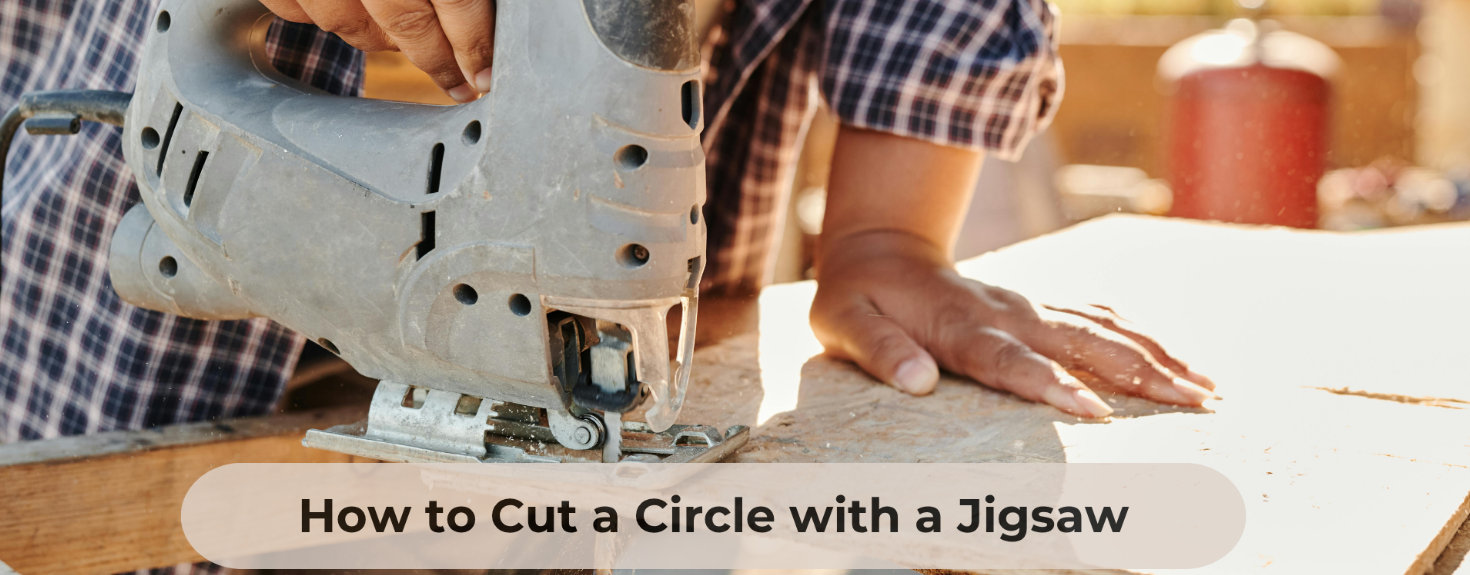
Are you tired of jagged edges and rough finishes when using your jigsaw? Getting clean cuts can seem tricky, but with the right tips, you can make your projects look sharp and professional every time.
Imagine how satisfying it will be to see smooth, precise lines on your wood or metal pieces. You’ll discover simple tricks to improve your jigsaw skills and avoid common mistakes that slow you down. Keep reading, and you’ll be cutting like a pro before you know it.

Credit: www.yahoo.com
Choosing The Right Blade
Picking the right jigsaw blade is key to making clean cuts. The blade affects how smooth and accurate your cut will be.
Different blades work best for different materials and cutting styles. Knowing which blade to use saves time and improves your work.
Blade Types And Their Uses
Jigsaw blades come in many shapes and sizes. Each type is made for specific cutting needs like curves, straight lines, or fine details.
- Standard blades are good for straight cuts in wood and plastic.
- Scroll blades have fine teeth for tight curves and detailed cuts.
- Metal-cutting blades are thicker and made to cut through metal sheets.
- Specialty blades handle materials like ceramic or laminate.
Material-specific Blades
Using a blade matched to your material keeps cuts clean and extends blade life. Wood, metal, and plastic need different blades.
Wood blades have large teeth to remove material quickly. Metal blades have small, fine teeth for smooth cuts. Plastic blades are designed to prevent cracking.
- Wood blades: large teeth, fast cutting
- Metal blades: small teeth, slower cutting
- Plastic blades: fine teeth, reduce cracking
Blade Tpi And Cut Quality
TPI means teeth per inch. It shows how many teeth a blade has in one inch. TPI affects how smooth or fast your cut will be.
Low TPI blades cut faster but leave rough edges. High TPI blades cut slower but produce smooth cuts. Choose TPI based on your project needs.
| TPI | Cut Speed | Cut Quality | Best For |
|---|---|---|---|
| 6-10 | Fast | Rough | Wood, thick materials |
| 14-18 | Moderate | Smoother | Thin wood, plastics |
| 20-24 | Slow | Very smooth | Metal, fine details |

Credit: tuds.ca
Preparing Your Workspace
Having a clean and organized workspace helps you make better cuts with a jigsaw. It makes your work safer and more precise.
Before you start, prepare your area to avoid mistakes and accidents. This guide covers key steps to set up your workspace well.
Securing The Material
Hold your material firmly to stop it from moving during cutting. Movement can cause uneven or rough cuts and may be unsafe.
- Use clamps to fix the material to your workbench.
- Place scrap wood under the piece to protect your surface.
- Check that the clamps do not block your cutting path.
- Test stability by gently shaking the material before cutting.
Marking Your Cut Lines
Clear cut lines guide your jigsaw and improve accuracy. Use the right tools to mark your lines clearly and correctly.
| Tool | Use |
| Pencil | For light, easy-to-erase lines on wood or plastic |
| Marker | For bold lines on dark or rough surfaces |
| Ruler or Straight Edge | To draw straight and even cut lines |
| Square | To mark perfect right angles |
Ensuring Proper Lighting
Good lighting helps you see cut lines and material edges clearly. It reduces eye strain and prevents errors.
Tips for proper lighting:
- Use a bright overhead light that covers your whole workspace.
- Position a task lamp to shine directly on your cut lines.
- Avoid shadows by checking light angles before cutting.
- Consider using daylight bulbs for natural color visibility.
Adjusting Jigsaw Settings
Adjusting your jigsaw settings correctly helps you get clean and precise cuts. Each setting affects how the blade moves through the material.
Knowing how to set speed, orbital action, and the blade guard makes your work easier and safer.
Speed Control Tips
Speed control lets you adjust how fast the jigsaw blade moves. Different materials need different speeds for the best cut.
- Use lower speeds for metal and hard materials to avoid burning or damage.
- Higher speeds work well for softer materials like wood or plastic.
- Start slow and increase speed if the cut is smooth and easy.
- Keep a steady speed to avoid rough edges.
Orbital Action Settings
Orbital action moves the blade in a slight forward and backward motion. This helps cut faster but can affect the cut quality.
| Orbital Setting | Best Use | Cut Quality |
| 0 (No orbital) | Fine cuts in metal or plastic | Very smooth |
| 1 (Low orbital) | Curved cuts in wood | Smooth |
| 2 (Medium orbital) | General wood cutting | Good balance |
| 3 (High orbital) | Fast cuts in soft wood | Rough edges |
Blade Guard And Base Plate
The blade guard and base plate keep the jigsaw steady and safe. They also help guide the blade for better cuts.
Follow these tips for blade guard and base plate use:
- Make sure the base plate is flat on the material surface.
- Adjust the base plate angle for bevel cuts.
- Keep the blade guard in place to protect your hands.
- Check that the guard does not touch the material to avoid marks.
Cutting Techniques
Using a jigsaw requires careful control and technique. Clean cuts depend on how you start and guide the blade. Proper methods help avoid rough edges and mistakes.
This guide covers key ways to improve your cutting with a jigsaw. Follow these tips for smoother and safer cuts on wood or other materials.
Starting The Cut Smoothly
Begin your cut by placing the jigsaw blade just outside the cut line. Let the blade reach full speed before touching the material. This prevents splintering at the start.
- Mark your cut line clearly with a pencil or tape.
- Clamp the material firmly to avoid movement.
- Position the jigsaw base flat and steady.
- Start the blade away from the edge, then guide it to the line.
Maintaining Steady Pressure
Apply even pressure while cutting. Pressing too hard can bend the blade and cause rough cuts. Let the blade do the work and keep your hand steady.
| Pressure Level | Effect on Cut |
| Too Light | Blade may wander off line |
| Just Right | Clean, straight cuts |
| Too Hard | Blade bends, rough edges |
Navigating Curves And Angles
Cutting curves and angles needs a slower, more careful approach. Turn the jigsaw slowly and follow the marked line closely to avoid mistakes.
- Use a fine-toothed blade for smoother curves.
- Practice making gentle turns before sharp angles.
- Keep the base plate flat on the surface at all times.
- Stop the blade before changing direction sharply.
Post-cut Finishing
After cutting with a jigsaw, the edges need proper finishing. This helps your project look clean and professional. Take time to smooth and check your work before moving on.
Proper finishing also makes your cuts safer to handle. Use simple tools and techniques to improve the quality of your cuts.
Sanding Edges
Sanding removes rough spots and splinters from the cut edges. Use fine-grit sandpaper for a smooth finish. Sand lightly along the cut line for best results.
- Start with medium-grit sandpaper to remove big rough areas
- Switch to fine-grit for a smooth surface
- Use a sanding block to keep edges even
- Sand in the direction of the wood grain
Removing Burn Marks
Burn marks can appear from the jigsaw blade if it moves too slowly. These marks look dark and rough on the wood surface.
| Method | Description |
| Sanding | Gently sand the burn marks until they disappear |
| Steel Wool | Rub burn marks lightly with fine steel wool for delicate finishes |
| Light Scraping | Use a sharp blade to carefully scrape off thick burn marks |
Checking For Accuracy
After finishing, check your cut for accuracy. Make sure the edges follow the marked lines and the angles are correct.
Use these tools to check your cut:
- Measuring tape to check length
- Square tool to verify right angles
- Level to ensure flatness
Safety Tips
Using a jigsaw requires care to avoid injury. Follow these safety tips for clean cuts and safe work.
Wearing the right gear and handling the tool correctly protects you and improves results.
Protective Gear Essentials
Wear protective gear to keep yourself safe while cutting with a jigsaw. This gear blocks dust, noise, and flying debris.
- Safety glasses or goggles to protect your eyes
- Hearing protection like earplugs or earmuffs
- Dust mask to avoid breathing sawdust
- Gloves to protect your hands from splinters
- Wear tight-fitting clothes to prevent catching in the blade
Safe Handling Practices
Hold the jigsaw firmly and keep your hands away from the blade. Make sure your work area is clear and well-lit.
- Secure the material firmly before cutting
- Check the blade is sharp and correctly installed
- Start the saw before touching the material
- Cut slowly and follow the marked line
- Turn off the saw and wait for the blade to stop before moving the workpiece
Preventing Kickback
Kickback happens when the blade binds and the saw jerks back. Prevent it by using the right technique and blade.
| Cause | Prevention |
| Blade binds in the cut | Use sharp blades and do not force the saw |
| Cutting on unstable material | Clamp the material securely |
| Incorrect blade type | Choose blade made for the material |
| Improper hand placement | Keep hands clear of the blade path |
Troubleshooting Common Issues
Using a jigsaw can be tricky, especially if the cuts do not come out clean. Many users face common problems like blade deflection, splintering, and uneven cuts. These issues affect the quality and accuracy of your work.
This guide helps you identify the causes and offers simple tips to fix these problems. Follow these easy steps for better results with your jigsaw cuts.
Dealing With Blade Deflection
Blade deflection happens when the jigsaw blade bends or moves sideways during cutting. This causes curves or crooked lines instead of straight cuts.
- Use a sharp blade designed for your material.
- Reduce the cutting speed to avoid forcing the blade.
- Hold the jigsaw firmly and guide it steadily along the cut line.
- Choose a narrow blade for tight curves and a wider blade for straight cuts.
- Make sure the blade is properly installed and tightened.
Avoiding Splintering
Splintering happens when wood or other materials chip or break along the cut edges. It makes the finish look rough and unprofessional.
| Cause | Solution |
| Dull blade | Replace with a new, sharp blade |
| Cutting on the wrong side | Cut on the finished side of the material |
| High cutting speed | Slow down the blade speed |
| No backing support | Place scrap wood under the cut line |
| Blade teeth facing wrong way | Use a blade with teeth pointing up for clean cuts |
Fixing Uneven Cuts
Uneven cuts are caused by poor control or improper setup. These cuts look jagged or wavy instead of straight.
- Check that the base plate of the jigsaw is flat and firmly against the material.
- Use a guide rail or clamp a straight edge to follow while cutting.
- Move the jigsaw at a steady pace without pushing too hard.
- Keep both hands on the tool for better control.
- Make sure the material is securely clamped to prevent movement.

Credit: www.yahoo.com
Frequently Asked Questions
How Do I Get Clean Cuts With A Jigsaw?
Use a sharp blade suitable for your material. Secure the workpiece firmly. Cut slowly and steadily, following the guide line carefully.
What Blade Type Is Best For Smooth Jigsaw Cuts?
Choose a fine-toothed blade for clean, precise cuts. Bi-metal blades work well on wood and metal. Avoid dull or coarse blades.
How Can I Prevent Splintering When Using A Jigsaw?
Place masking tape along the cut line. Cut on the tape side to reduce splinters. Use a fine-tooth blade and cut slowly.
Should I Use A Guide For Straight Jigsaw Cuts?
Yes, using a straight edge or guide rail helps maintain accuracy. Clamp the guide securely to prevent movement during cutting.
Conclusion
Achieving clean cuts with a jigsaw takes practice and patience. Choose the right blade for your material. Keep a steady hand and follow your line carefully. Always secure your workpiece to prevent movement. Remember to work slowly for precise cuts.
Regular maintenance of your jigsaw ensures efficient performance. Practice on scrap pieces before starting your main project. These tips will help you gain confidence with your jigsaw. Enjoy creating and improving your skills. Safe cutting!