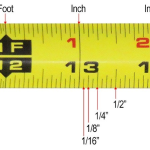
Measuring wood accurately can make all the difference between a project that fits perfectly and one that falls short. If you’ve ever cut a piece too short or too long, you know how frustrating it can be.
But don’t worry—getting precise measurements doesn’t have to be complicated. You’ll discover simple, effective techniques that will help you measure wood like a pro every time. Keep reading, and you’ll save time, avoid costly mistakes, and feel confident tackling your next woodworking project.
Choosing The Right Tools
Measuring wood accurately is key to any woodworking project. Using the correct tools makes your work easier and more precise.
Different tools serve different purposes. Picking the right one depends on the type of measurement you need.
Types Of Measuring Tools
There are many tools for measuring wood. Some are simple, while others offer high precision.
- Tape Measure:Flexible and good for long lengths.
- Ruler or Straight Edge:Best for short, straight lines.
- Caliper:Measures thickness or diameter precisely.
- Combination Square:Checks angles and marks lines.
- Marking Gauge:Scores lines parallel to an edge.
When To Use Each Tool
| Tool | Best Use | Tip |
| Tape Measure | Measuring long boards and panels | Keep tape straight for accuracy |
| Ruler or Straight Edge | Marking short, straight cuts | Use a metal ruler to avoid damage |
| Caliper | Checking thickness and small parts | Zero the caliper before measuring |
| Combination Square | Checking 90-degree angles and marking | Hold firmly against the edge |
| Marking Gauge | Scoring consistent lines parallel to edges | Adjust the fence tightly |

Credit: www.youtube.com
Preparing Wood For Measurement
Measuring wood accurately starts with good preparation. Clean and mark the wood before taking any measurements.
Securing the wood firmly helps keep measurements precise and prevents mistakes.
Cleaning And Marking
Remove dirt, dust, and debris from the wood surface. A clean surface shows clear measurement lines.
Use a pencil or chalk to mark measurement points. Choose a tool that is easy to erase or sand off later.
- Wipe wood with a dry cloth to remove dust
- Use a soft brush for rough surfaces
- Mark lightly to avoid deep scratches
- Label edges and corners for reference
Securing The Wood
Hold the wood firmly to keep it from moving during measurement. Movement can cause errors.
Use clamps or a stable workbench to keep the wood steady. This makes measuring easier and safer.
- Place wood on a flat surface
- Clamp wood edges securely
- Check stability before measuring
- Avoid tight clamps that damage the wood
Measuring Techniques For Accuracy
Measuring wood correctly is key to good results. It helps you cut pieces that fit well. Using the right methods reduces mistakes.
This guide explains how to use tools and check your work. Follow these tips for better accuracy in your projects.
Using A Tape Measure Correctly
Hold the tape measure tight and flat against the wood. Make sure it does not bend or twist. Read the numbers at eye level to avoid errors.
- Start measuring from the tape’s metal end.
- Keep the tape straight along the surface.
- Lock the tape in place if your tool allows.
- Use both hands for better control.
Marking Measurement Points
Mark points clearly with a sharp pencil. Place marks exactly where the measurement ends. Avoid thick or unclear lines.
| Marking Tip | Reason |
| Use a fine pencil | Creates precise lines |
| Mark on the edge | Ensures correct cut location |
| Make short marks | Prevents confusion |
| Double-check marks | Avoids errors before cutting |
Double-checking Measurements
Check your measurements more than once. Always measure twice and cut once. This helps catch mistakes early.
- Measure the wood piece again from the start point.
- Compare the new measurement with the first one.
- Confirm the marks match the measurements.
- Ask someone to review if possible.
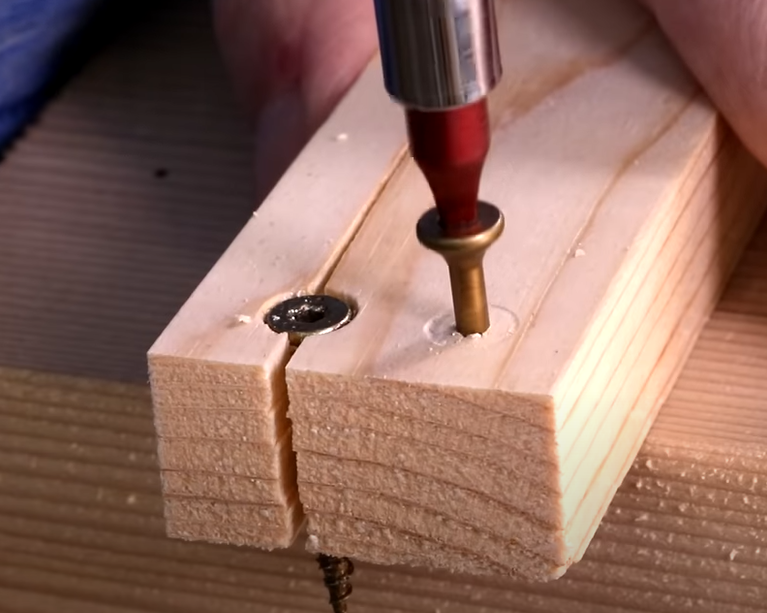
Credit: medium.com
Tips For Perfect Cuts
Measuring wood carefully is key to making clean, exact cuts. Small errors can change the fit and look of your project.
Using the right tools and methods helps you cut wood with confidence. Focus on accuracy for the best results.
Aligning The Saw Blade
Check the saw blade alignment before cutting. A blade that is off can cause uneven cuts and waste material.
- Turn off and unplug the saw for safety.
- Use a square to check if the blade is perpendicular to the base.
- Adjust the blade angle if it is tilted or not straight.
- Make sure the blade is tight and does not wobble.
- Test the blade alignment by making a small cut on scrap wood.
Using Guides And Clamps
Guides and clamps keep the wood steady and guide the saw for straight cuts. They reduce mistakes and improve safety.
| Tool | Purpose | Tip |
| Guide Rail | Directs the saw along a straight line | Attach firmly to the wood surface |
| Clamps | Hold the wood in place | Use enough clamps to stop movement |
| Square | Helps mark right angles | Use for drawing cut lines before cutting |
Common Mistakes To Avoid
Measuring wood correctly is important for good results. Small errors can cause big problems in your project.
Knowing common mistakes helps you avoid them. This saves time and materials.
Misreading Tools
Using measuring tools wrong is a frequent mistake. Some tools have small marks that are easy to miss.
Always check if you read the tape measure or ruler correctly. Look closely at the numbers and lines.
- Do not guess measurements; read carefully
- Make sure the tool starts at zero
- Check if the tool is damaged or worn out
- Hold the tool steady and straight on the wood
Ignoring Wood Grain
Wood grain affects how wood behaves and measures. Ignoring grain direction can cause errors.
Measure along the grain for accuracy. Measuring across grain may give wrong length or width.
- Note the grain direction before measuring
- Mark measurements along the grain lines
- Account for grain when cutting or fitting pieces
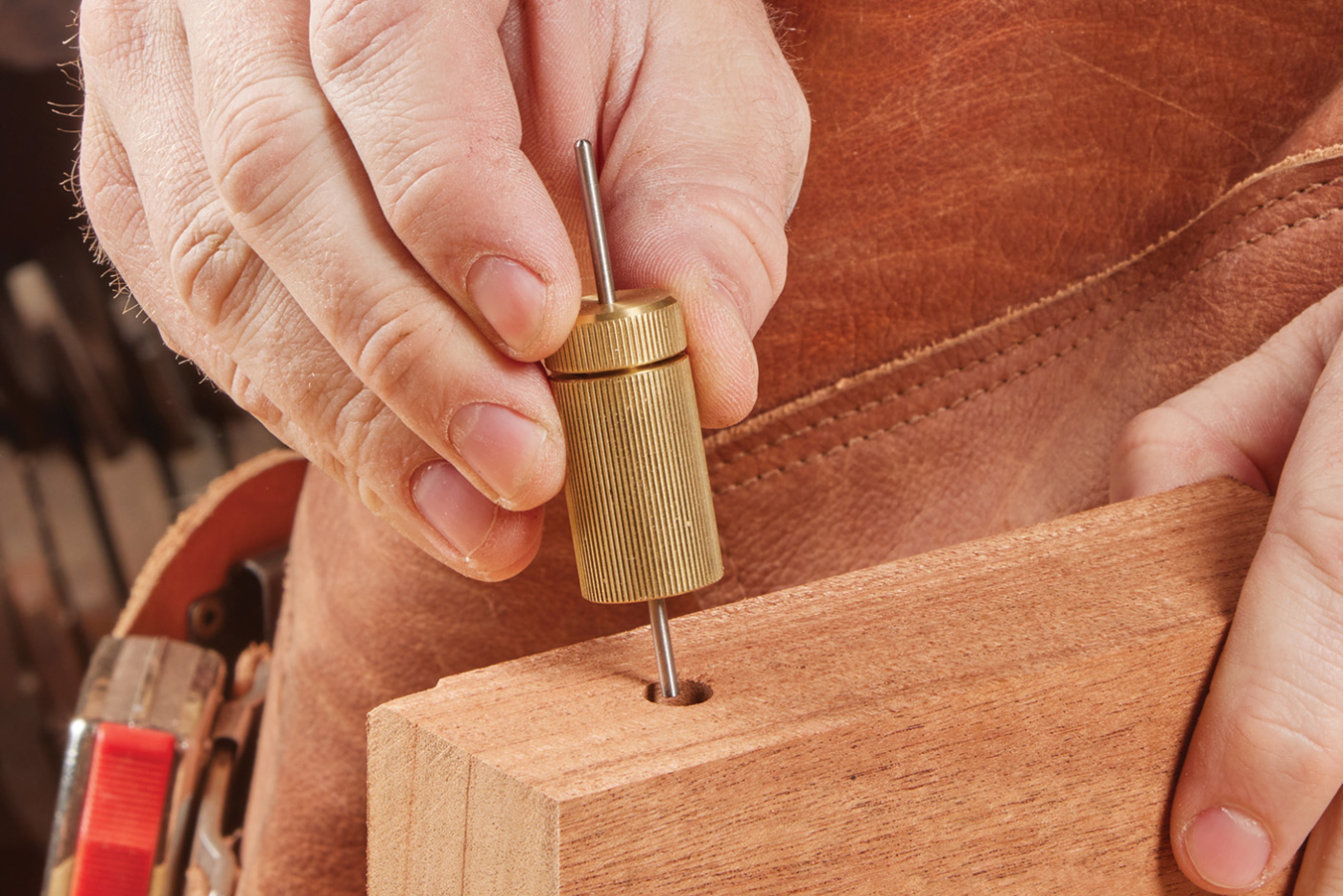
Credit: www.popularwoodworking.com
Advanced Tips For Precision
Measuring wood accurately is important for good results in any project. Small errors can cause big problems later.
Use advanced tips to get exact measurements. This guide covers tool calibration and digital devices.
Calibrating Measuring Tools
Calibrate your measuring tools often. It keeps measurements precise and reliable. Check tools before starting work.
Use a known standard like a steel ruler or a calibration block. Compare your tool’s reading to it. Adjust if needed.
- Check tape measure hook for looseness
- Verify ruler marks with a calibration block
- Zero out digital calipers before use
- Replace worn or damaged tools
Using Digital Measuring Devices
Digital tools offer quick and accurate readings. They reduce human error and save time. Learn to use them well.
Keep digital devices clean and dry. Replace batteries regularly. Always reset the device before measuring.
- Use digital calipers for inside and outside measurements
- Laser distance meters work well for long lengths
- Store devices in protective cases
- Double-check digital readings with manual tools
Frequently Asked Questions
How Do I Measure Wood Length Accurately?
Use a tape measure or ruler starting at zero. Ensure the tool is straight and aligned with the wood edge. Record the exact measurement without rounding for the best accuracy.
What Tools Are Best For Measuring Wood Thickness?
Calipers and micrometers are ideal for wood thickness. They provide precise readings in millimeters or inches. Use these tools for detailed woodworking projects requiring exact thickness.
How To Measure Wood Width Properly?
Place the tape measure or ruler perpendicular to the length. Measure the wood’s widest part. Keep the tool flat and straight to avoid errors.
Why Is Accurate Wood Measurement Important?
Accurate measurements prevent material waste and ensure project fit. They help achieve professional results and save time during assembly.
Conclusion
Measuring wood accurately is crucial for successful projects. Always use reliable tools. Double-check your measurements to avoid errors. Remember, practice improves your skills. Take your time and stay patient. Consistency in technique brings better results. With these tips, you can cut wood precisely.
This will save time and materials. Accuracy enhances the quality of your work. Happy woodworking!