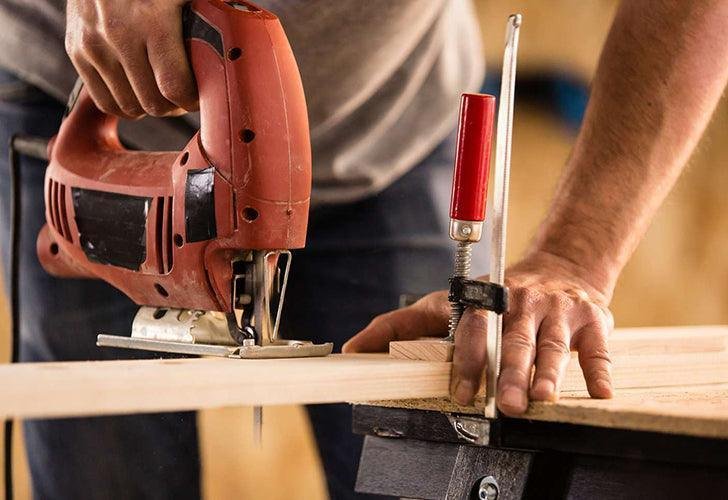
Are you looking to make precise, detailed cuts in your woodworking or craft projects? Using a jigsaw for intricate cuts can be a game-changer for your work.
Imagine smoothly carving out complex shapes without frustration or mistakes. You’ll discover simple tips and techniques to master your jigsaw, so your cuts are clean and accurate every time. Keep reading to unlock the secrets that will take your skills to the next level and make your projects stand out.
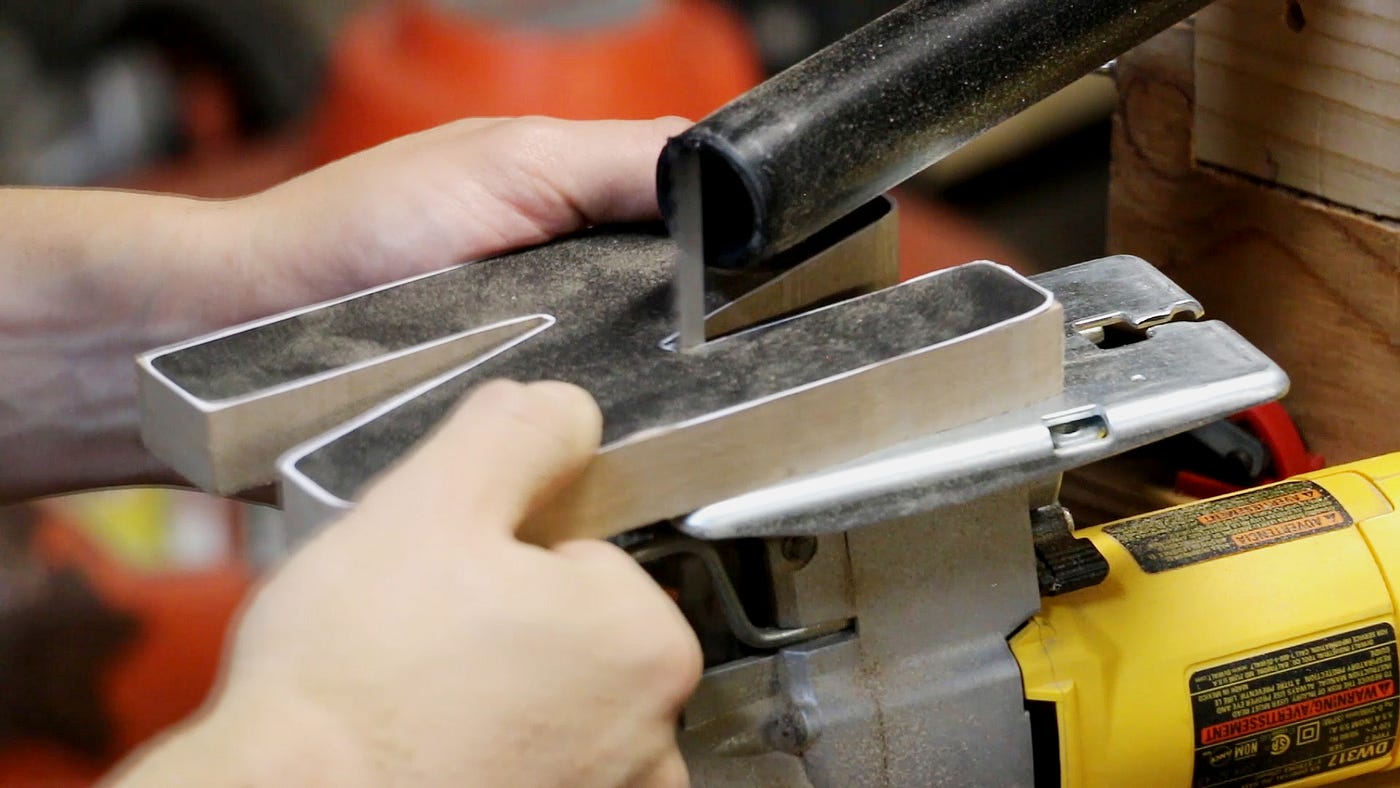
Credit: medium.com
Choosing The Right Jigsaw
Using a jigsaw makes cutting curved and intricate shapes easier. Picking the right one helps you work with accuracy and control.
This guide explains different jigsaw types, how to choose blades for detail, and features to look for in precise cuts.
Types Of Jigsaws
There are several types of jigsaws. Each suits different cutting jobs and skill levels.
- Standard Jigsaw:Good for basic wood and plastic cuts.
- Orbital Jigsaw:Has a moving blade for faster, rougher cuts.
- Variable Speed Jigsaw:Lets you adjust speed for more control.
- Cordless Jigsaw:Offers portability but may have less power.
Blade Selection For Detail Work
Choosing the right blade is key for intricate cuts. Blades vary by tooth count, shape, and material.
| Blade Type | Best For | Details |
| Fine-Toothed Blade | Thin wood, plastic | More teeth per inch for smooth cuts |
| Scroll Blade | Sharp curves | Thin and narrow for tight turns |
| Carbide Blade | Hard materials | Long-lasting and durable |
| Reverse Tooth Blade | Clean cuts on top surfaces | Teeth face down to reduce splintering |
Essential Features For Precision
Look for these features to get precise, clean cuts with your jigsaw.
- Variable Speed Control:Adjust speed for detailed or rough cuts.
- Orbital Action Settings:Turn off for smooth, slow cuts.
- Beveling Base Plate:Allows angled cuts up to 45 degrees.
- Laser Guide:Helps follow cutting lines precisely.
- Dust Blower:Clears cutting line for better visibility.
- Tool-Free Blade Change:Quick blade swaps save time.
Preparing Your Workspace
Using a jigsaw for intricate cuts needs a clean and organized workspace. Preparing your area helps you work safely and accurately.
Set up your tools and materials before you start. This saves time and keeps your focus on the cutting task.
Securing The Material
Fix the wood or material firmly to your workbench. Loose material can cause mistakes or accidents.
- Use clamps to hold the material in place.
- Check that the surface is flat and stable.
- Make sure clamps do not block the cutting line.
Marking Intricate Patterns
Draw your cutting pattern clearly on the material. Use fine-tip pencils or markers for detailed lines.
| Tool | Use |
| Fine-tip pencil | Draw thin and precise lines |
| Masking tape | Protect edges and mark guides |
| Ruler or stencil | Keep shapes even and accurate |
Safety Measures
Wear safety gear before you start cutting. Protect your eyes, hands, and ears from harm.
- Safety goggles to protect eyes
- Gloves to protect hands
- Ear protection to reduce noise
- Dust mask to avoid inhaling sawdust
Mastering Jigsaw Control
Using a jigsaw for intricate cuts needs steady hands and focus. Controlling the tool helps you make clean, precise cuts.
Learning the right techniques will improve your accuracy and safety. This guide covers grip, speed, and guiding tools.
Proper Grip And Stance
Hold the jigsaw firmly but not too tight. A relaxed grip gives better control and reduces fatigue.
Stand with your feet shoulder-width apart. Keep your body balanced and steady to guide the tool smoothly.
- Use your dominant hand to hold the jigsaw handle
- Support the base plate with your other hand if needed
- Keep your wrist straight to avoid strain
- Lean slightly forward for better view and control
Adjusting Speed Settings
Set the jigsaw speed based on the material you cut. Slower speeds work well for curves and delicate cuts.
Higher speeds help cut straight lines quickly but may cause rough edges. Adjust speed for each task.
- Use low speed for thin or soft materials
- Choose medium speed for plywood or MDF
- High speed fits hardwood and thick materials
- Slow speed helps with tight corners and curves
Using Guides And Templates
Guides and templates help keep your cuts accurate. They act as a path for the jigsaw to follow.
Clamp guides firmly to the workpiece. Use a pencil line on templates to see where to cut clearly.
- Use straight edges or metal rulers as guides
- Cut around templates with a fine-tooth blade
- Clamp templates tightly to avoid movement
- Practice on scrap wood to check guide accuracy

Credit: www.findbuytool.com
Techniques For Intricate Cuts
Using a jigsaw for intricate cuts requires skill and care. It helps to plan your cut and choose the right blade. This guide shows useful techniques for clean and precise cuts.
These tips focus on inside cuts, curves, angles, and avoiding damage to your material. Follow them to improve your jigsaw work.
Starting Inside Cuts
Inside cuts begin by drilling a hole to insert the jigsaw blade. This method lets you cut shapes inside a board without cutting from the edge.
- Mark the shape clearly on your material.
- Use a drill bit slightly larger than the blade width.
- Drill inside the marked shape to create an entry hole.
- Insert the jigsaw blade into the hole carefully.
- Start cutting along the marked line slowly and steadily.
Navigating Curves And Angles
Curves and angled cuts need smooth control and the right blade. Choose a fine-toothed blade for curves and a stiffer blade for angles.
| Cut Type | Blade Type | Tip |
| Gentle Curves | Fine-toothed narrow blade | Go slow and let the blade follow the curve |
| Tight Curves | Extra narrow blade | Make relief cuts to ease turning |
| Sharp Angles | Stiff blade with medium teeth | Approach angle at steady speed |
Avoiding Tear-out
Tear-out happens when wood fibers lift or splinter around the cut edge. Use these tips to keep your cuts clean.
- Place masking tape over the cut line before cutting.
- Use a sharp, fine-toothed blade suited to the material.
- Cut slowly and avoid pushing the jigsaw too hard.
- Support the material close to the cut to prevent vibrations.
- Finish cuts from the good side of the wood to protect the surface.
Maintaining Your Jigsaw
Keeping your jigsaw in good condition helps it cut smoothly and last longer. Regular care avoids problems and keeps the tool safe to use.
Follow simple steps to care for your jigsaw blades, clean and lubricate the tool, and fix common issues quickly.
Blade Care And Replacement
Sharp blades make clean and precise cuts. Check your blade before each use. Replace blades that are dull or bent to avoid rough cuts or damage.
- Use the correct blade type for your material.
- Check the blade for wear or damage before cutting.
- Replace blades that are dull, bent, or broken.
- Store blades safely to avoid damage.
Cleaning And Lubrication
Dust and debris can build up inside your jigsaw and slow it down. Clean the tool after each use and keep moving parts lubricated for smooth operation.
| Cleaning Task | Method |
| Remove sawdust | Use a soft brush or compressed air |
| Clean blade clamp | Wipe with a dry cloth |
| Lubricate moving parts | Apply light machine oil |
| Check power cord | Inspect for cuts or damage |
Troubleshooting Common Issues
If your jigsaw does not cut well or stops working, check these common problems. Fixing small issues can save time and money.
- The blade does not move: Check the power supply and switch.
- Blade bends or breaks: Use the right blade type and avoid forcing cuts.
- Tool vibrates too much: Tighten loose parts and check the blade clamp.
- Cut lines are not straight: Keep the base plate flat and guide the tool steadily.

Credit: woodworkingurusa.com
Project Ideas For Practice
Using a jigsaw lets you cut shapes that are hard to do with other tools. You can try many projects to improve your skill with detailed cuts.
Start with simple projects and work on more complex patterns as you get better. Here are some ideas to get you started.
Decorative Wood Panels
Decorative wood panels add style to any room. Use a jigsaw to cut patterns like leaves, flowers, or geometric shapes. Practice cutting curves and tight corners to make your design stand out.
- Cut repeating shapes for wall art
- Create lattice panels for windows or doors
- Design custom headboards with intricate patterns
- Make wooden screens for privacy
Custom Stencils
Custom stencils let you paint detailed designs on walls or furniture. Use thin plywood or plastic sheets and cut out your shapes with a jigsaw. This helps you practice precision and control.
| Stencil Type | Practice Skill |
| Alphabet Letters | Straight and curved cuts |
| Floral Patterns | Complex curves and small details |
| Geometric Shapes | Sharp angles and clean edges |
Intricate Furniture Details
Adding carved details to furniture can make it unique. Use the jigsaw to cut out scrolls, inlays, or decorative edges. These projects build your confidence in making fine cuts.
- Cut scrollwork on chair backs or table legs
- Create decorative inserts for cabinet doors
- Make shaped aprons for tables
- Add custom cutouts to shelves
Frequently Asked Questions
What Type Of Jigsaw Blade Is Best For Intricate Cuts?
For intricate cuts, use a fine-toothed blade designed for precision. Choose blades labeled for curves or scroll work. These blades offer better control and cleaner edges on detailed cuts.
How Do I Control A Jigsaw For Detailed Cutting?
Maintain a steady, slow pace and avoid forcing the jigsaw. Use both hands for stability and guide the blade gently along the cut line. This ensures accuracy and reduces blade bending.
Can I Make Sharp Corners With A Jigsaw?
Yes, but sharp corners require careful blade control and slow cutting. Pivot the jigsaw gently at corners and use a narrow blade for tighter turns. Practice improves corner precision.
What Safety Tips Apply When Cutting Intricate Shapes?
Wear safety goggles and keep fingers clear of the blade path. Secure the workpiece firmly to prevent movement. Always unplug the jigsaw before changing blades or making adjustments.
Conclusion
Using a jigsaw makes intricate cuts simple and efficient. It offers precision. Even for beginners, it’s a handy tool. Practice enhances skill, making complex cuts easier. Safety should always be your top priority. Wear protective gear and follow guidelines. With patience, results improve over time.
Experiment with different blades for varied materials. This tool adapts well to diverse projects. Enjoy the satisfaction of crafting beautiful, detailed work. Embrace the process and see your creativity flourish.