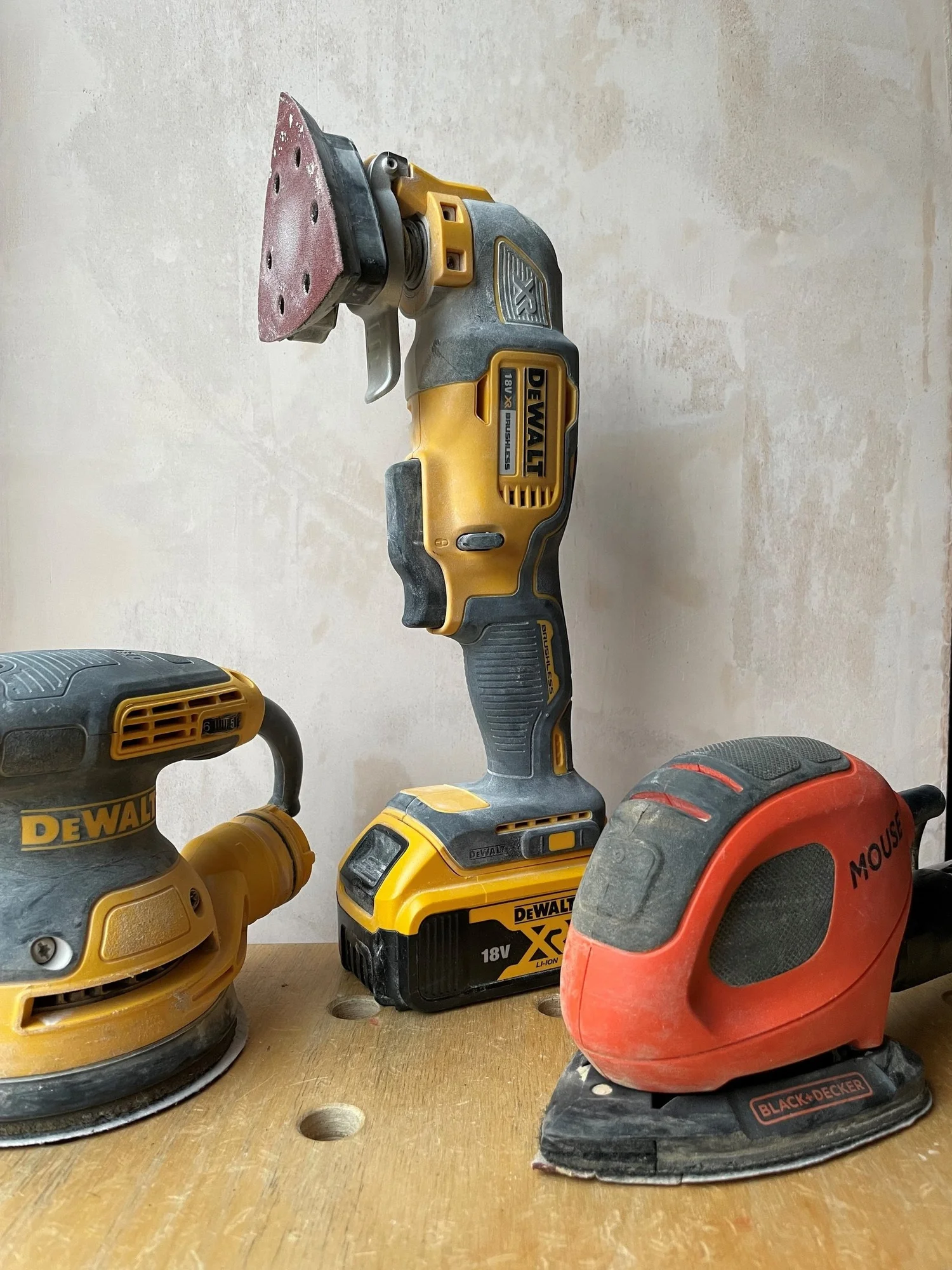
Choosing the right power sander can make your projects faster, smoother, and more enjoyable. But with so many types and features out there, how do you know which one fits your needs?
You want a tool that feels comfortable in your hands, works efficiently, and delivers the finish you’re aiming for. In this guide, you’ll discover simple tips to pick the perfect power sander for your tasks—whether you’re a beginner or a seasoned DIYer.
Keep reading, and you’ll soon feel confident making a choice that saves you time and effort.
Credit: dengarden.com
Types Of Power Sanders
Power sanders help smooth surfaces quickly. They come in different types for specific jobs.
Choosing the right sander depends on the work you need to do and the surface type.
Orbital Sanders
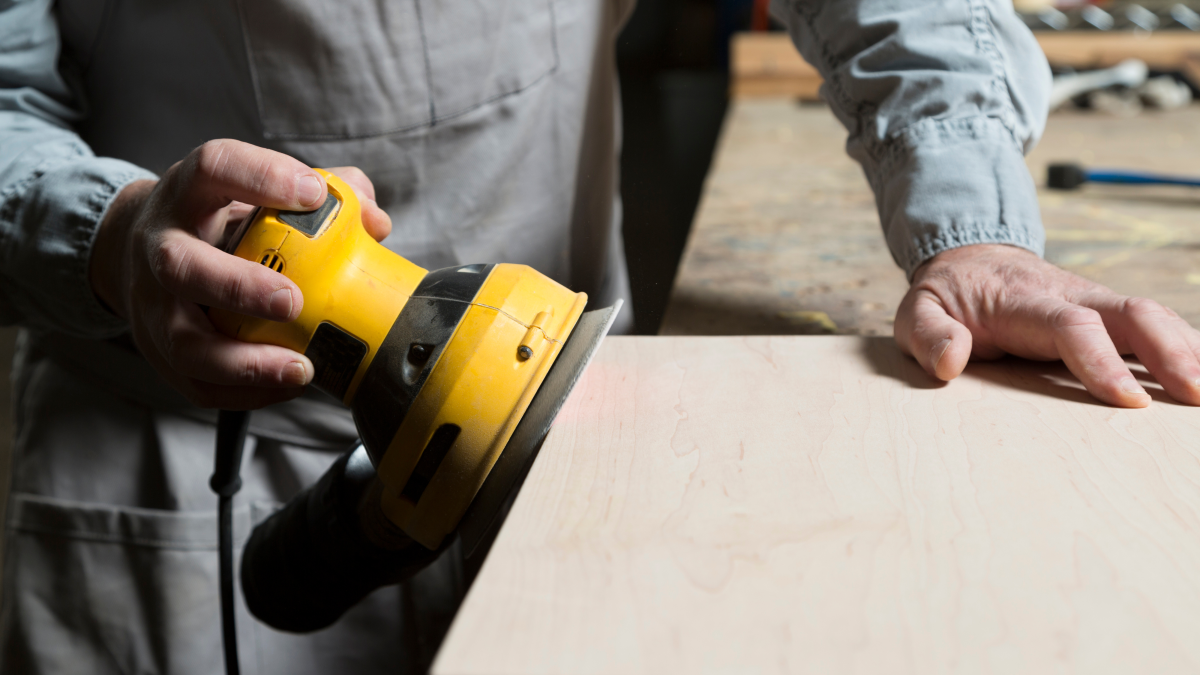
Orbital sanders use a square or rectangular sanding pad. The pad moves in small circles or orbits.
They are good for light sanding and finishing on flat surfaces like doors and tabletops.
Belt Sanders
Belt sanders have a continuous loop of sandpaper. They remove material fast and work well on large surfaces.
- Best for heavy sanding and shaping wood
- Can smooth rough surfaces quickly
- Less precise, so careful handling is needed
Detail Sanders
Detail sanders have a small, pointed tip. They reach tight corners and small areas.
| Feature | Benefit |
| Small triangular pad | Reaches narrow spaces |
| Lightweight | Easy to handle |
| Low power | Good for delicate jobs |
Random Orbital Sanders
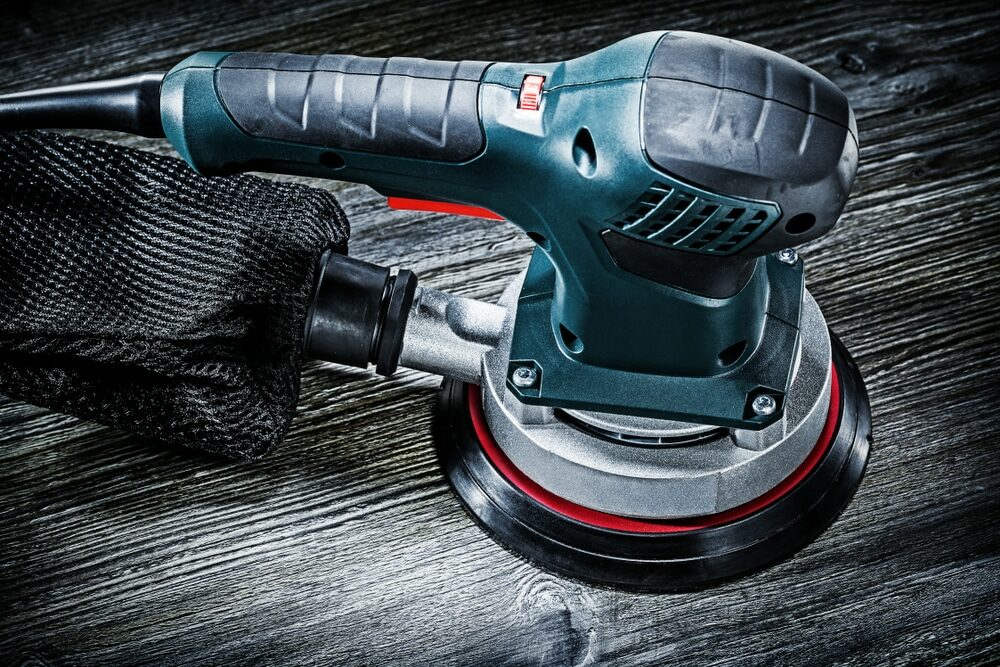
Random orbital sanders combine spinning and orbiting motions. This reduces swirl marks on surfaces.
They work well on wood, metal, and painted surfaces for smooth finishes.
Credit: mrsander.co.uk
Key Features To Consider
Choosing the right power sander makes your work easier and faster. Knowing what features to look for helps you pick the best tool.
This guide covers important features like power, ergonomics, dust collection, and pad size.
Power And Speed
Power and speed affect how well the sander removes material. More power is good for tough jobs.
Variable speed lets you control the sanding for different tasks.
- Higher power means faster sanding
- Variable speed helps with delicate surfaces
- Check motor wattage or amperage
Ergonomics And Weight
A comfortable sander reduces hand strain during long use. Lightweight tools are easier to handle.
Look for soft grips and balanced design to improve control.
- Soft rubber handles for comfort
- Weight under 5 pounds is easier to hold
- Good balance prevents fatigue
Dust Collection
Dust collection keeps your workspace clean and safe. It also helps you see your work clearly.
Choose a sander with a good dust bag or a port for vacuum attachment.
- Built-in dust bags catch most dust
- Vacuum port connects to shop vac
- Better dust control means less cleanup
Pad Size And Shape
Pad size affects how much surface the sander covers. Larger pads work faster on big areas.
Different pad shapes fit different projects, such as corners or flat surfaces.
- Round pads are common for detail work
- Square or rectangular pads reach corners easily
- Choose pad size based on your project size
Choosing The Right Sander For Your Project
Choosing the right power sander can save time and improve your work quality. Different projects need different types of sanders.
Think about the material and the finish you want before picking a sander. This guide helps you choose the best one for your task.
Woodworking Tasks
For woodworking, smooth and even surfaces are important. Orbital or random orbital sanders work well on wood. They remove material quickly without damaging the surface.
Use a belt sander for large, flat areas. Detail sanders help reach corners and small spaces.
- Orbital sanders for smooth finishing
- Belt sanders for fast material removal
- Detail sanders for tight spaces
Metal And Plastic Surfaces
Metal and plastic need a sander that can handle hard surfaces without melting or scratching. Use a random orbital sander for even sanding. It prevents heat build-up.
For small or curved plastic parts, a detail sander works best. Use fine grit sandpaper to avoid deep scratches.
- Random orbital sanders for flat metal surfaces
- Detail sanders for curves and edges
- Fine grit sandpaper to protect plastic
Automotive Work
Automotive sanding needs precision and smooth finishes. Dual-action sanders give good control. They reduce swirl marks on car paint.
Use a DA sander with different grit papers for sanding body filler and paint. A detail sander helps with small areas and curves.
- Dual-action sanders for smooth paint finish
- Varied grit sandpapers for different stages
- Detail sanders for small parts and curves
Fine Finishing And Detailing
Fine finishing needs gentle sanding to avoid marks. Palm sanders and detail sanders work well for this. They give control and smooth results.
Use fine grit sandpaper for polishing and final touches. These sanders help with furniture, crafts, and delicate surfaces.
- Palm sanders for smooth, controlled sanding
- Detail sanders for small, delicate spots
- Fine grit sandpaper for polishing
Safety Tips And Best Practices
Choosing the right power sander is important for your work and safety. Using the sander correctly keeps you safe and improves your results.
This guide covers key safety tips and best practices. Learn how to handle your sander, what protective gear to wear, and how to care for your tool.
Proper Handling
Always hold the sander firmly with both hands. Keep your fingers away from the moving parts. Do not force the sander; let it do the work. Move it smoothly over the surface to avoid damage.
- Check the power cord for damage before use.
- Make sure the sanding pad is secure.
- Start the sander before touching the surface.
- Keep the sander flat to avoid gouging.
- Turn off and unplug before changing sandpaper.
Protective Gear
Wear the right gear to protect yourself. Sanding creates dust and debris that can harm your eyes and lungs.
- Safety goggles to protect your eyes
- Dust mask or respirator for breathing safety
- Hearing protection to reduce noise
- Gloves to protect your hands
- Long sleeves to shield your skin
Maintenance And Care
Keep your sander clean and in good shape. Regular care improves safety and tool life.
| Maintenance Task | How Often | Details |
| Clean dust from vents | After each use | Use compressed air or a brush |
| Inspect power cord | Weekly | Look for cuts or frays |
| Replace sanding pads | When worn | Use the correct size and type |
| Lubricate moving parts | Monthly | Follow manufacturer instructions |
| Store properly | After use | Keep in a dry, safe place |
Budget And Brand Considerations
Choosing the right power sander depends on your budget and brand preferences. It is important to balance cost with quality to get the best value.
Different brands offer various features, so knowing what to expect helps you make a smart choice. Let’s look at some options.
Affordable Options
Affordable power sanders are good for simple tasks or occasional use. They usually have basic features but can handle most home projects well.
- Look for models with good reviews on durability.
- Check the motor power to ensure it meets your needs.
- Consider the type of sanding pads included.
- Buy from brands known for budget-friendly tools.
Premium Choices
Premium power sanders offer more power and extra features. These tools are designed for heavy or professional use and often last longer.
| Brand | Power (Watts) | Key Feature | Price Range |
| Brand A | 400 | Variable speed control | High |
| Brand B | 350 | Dust collection system | High |
| Brand C | 450 | Ergonomic grip | High |
Warranty And Support
A good warranty protects your purchase. Check how long the warranty lasts and what it covers. Also, see if the brand offers customer support.
- Longer warranties often mean better quality.
- Look for easy access to repair services.
- Some brands provide online help and manuals.
- Free replacement parts can save money.

Credit: www.familyhandyman.com
Frequently Asked Questions
What Are The Main Types Of Power Sanders?
Power sanders include orbital, belt, detail, and sheet sanders. Each type suits different sanding tasks and surfaces. Choosing the right one depends on your project’s precision and speed needs.
How Do I Choose The Right Grit For Sanding?
Select grit based on surface condition: coarse grits remove material fast, fine grits smooth surfaces. Start coarse, then progress to finer grits for a polished finish.
Can I Use One Sander For All Projects?
No, each sander suits specific tasks. Belt sanders are for heavy material removal. Orbital sanders work well on flat surfaces. Detail sanders reach tight spots.
How Important Is Sander Speed Control?
Speed control is crucial. It prevents damage on delicate materials and improves finish quality. Variable speed sanders offer more control for diverse projects.
Conclusion
Choosing the right power sander makes your projects easier. Focus on your project needs first. Consider the sander’s size and power. Think about ease of use. Look at the dust collection system. This helps keep your workspace clean. Check the price and compare brands.
Quality matters for long-term use. Always read reviews from other users. They offer real insights. With these tips, you can find the perfect sander. Happy sanding!