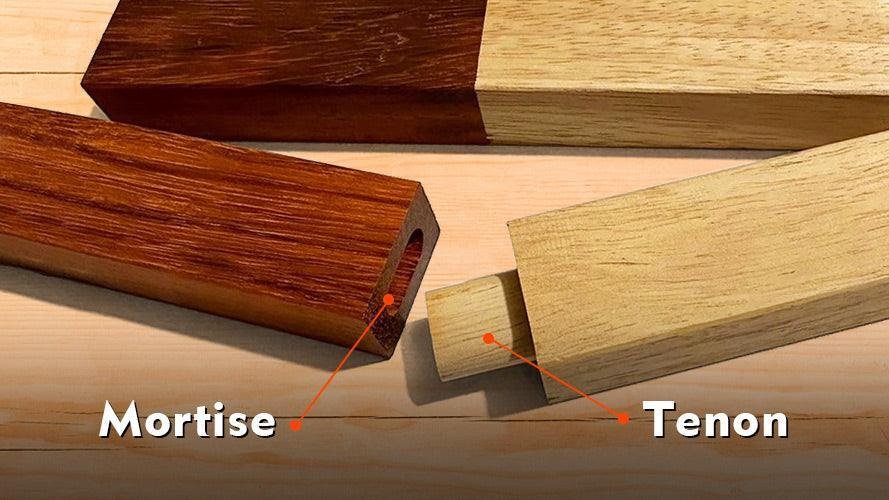
Cutting tenons accurately can make all the difference in your woodworking projects. If your joints don’t fit just right, your work won’t be as strong or polished as you want.
But don’t worry—getting perfect tenons isn’t as hard as it seems. In this guide, you’ll discover simple steps and expert tips that help you cut tenons with precision every time. Ready to improve your skills and create tighter, cleaner joints?
Keep reading, and let’s get started!
Tools For Precise Tenons
Cutting tenons accurately is key for strong wood joints. Using the right tools helps you make clean and exact cuts. This guide covers the best tools for precise tenons.
Knowing which hand tools and power tools to use will improve your work. Measuring tools also play a big role in getting the right fit.
Essential Hand Tools
Hand tools give you control and detail when cutting tenons. They are good for small projects or fine adjustments.
- Tenon saw: A small saw with fine teeth for smooth cuts
- Marking gauge: Helps mark consistent tenon thickness
- Chisels: Used to clean and square the tenon shoulders
- Try square: Checks right angles for accuracy
- Marking knife: Cuts precise layout lines on wood
Power Tools That Help
Power tools speed up tenon cutting and improve consistency. They are useful for larger projects or repeated cuts.
- Table saw: Cuts tenon cheeks and shoulders with a fence guide
- Band saw: Ideal for cutting tenons with curves or irregular shapes
- Router with a tenoning jig: Creates precise tenon profiles and shoulders
- Miter saw: Good for cutting tenon shoulders at exact angles
Choosing The Right Measuring Tools
Accurate measuring tools ensure your tenons fit tight and square. Use tools that give clear and repeatable readings.
- Calipers: Measure tenon thickness and length precisely
- Combination square: Marks and checks both length and angles
- Steel ruler: Simple and straight for quick measurements
- Marking gauge: Sets exact distances for tenon shoulders
Preparing The Wood
Cutting tenons accurately starts with good preparation of the wood. Careful steps ensure tight joints and strong connections.
Focus on choosing the right lumber, marking the tenon properly, and setting up your tools for precise cuts.
Selecting Quality Lumber
Choose wood that is straight, dry, and free of defects. Avoid pieces with knots, cracks, or warping.
- Look for boards with tight grain for strength
- Check moisture content; ideal is around 6-8%
- Pick lumber with consistent thickness and width
- Avoid wood with visible splits or large knots
Marking Tenon Dimensions
Mark the tenon size clearly on the wood. Use a marking gauge and square for straight lines.
| Dimension | Common Size |
| Tenon Thickness | 1/3 of the wood thickness |
| Tenon Length | About 3/4 inch to 1 inch |
| Shoulder Width | Full width of the wood piece |
Setting Up For Accuracy
Prepare your tools and workspace to cut the tenon precisely. Stability and sharp tools help.
- Clamp the wood firmly on a flat surface
- Use a sharp tenon saw or router for clean cuts
- Check measurements twice before cutting
- Keep tools steady and cut slowly
Cutting Techniques
Cutting tenons accurately is key to strong wood joints. Different tools and methods help achieve clean, precise cuts.
This guide covers hand saw methods, using a tenoning jig, and router techniques for cutting tenons well.
Hand Saw Methods
Hand saws allow control and accuracy for tenon cutting. Mark your lines clearly before cutting.
- Use a tenon saw or backsaw for fine cuts.
- Cut slowly along the marked line to avoid mistakes.
- Keep the saw blade perpendicular to the wood surface.
- Make relief cuts to remove waste wood easily.
- Check the fit often to ensure accuracy.
Using A Tenoning Jig
A tenoning jig holds wood steady and guides the saw or router. It improves repeatability and safety.
| Advantage | Description |
| Precision | Guides cuts for straight, square tenons |
| Consistency | Repeat the same cut size easily |
| Safety | Keeps hands away from blades |
| Speed | Speeds up cutting by stabilizing wood |
Router Techniques For Tenons
Routers create clean tenons quickly. Use a straight bit and set the depth carefully.
- Clamp the wood firmly to avoid movement.
- Make multiple passes to reach full depth.
- Use guide fences or templates for straight cuts.
- Check the tenon fit regularly during cutting.
- Clean up edges with a chisel if needed.
:max_bytes(150000):strip_icc()/DP-00967-769812b446af41beb9ffbff2ec9df600.jpg)
Credit: www.woodmagazine.com
Fine-tuning Tenon Fit
Cutting tenons accurately is important for strong wood joints. Fine-tuning the fit helps the pieces come together perfectly.
This guide explains how to check joint alignment, adjust with chisels, and use sanding for a smooth fit.
Checking Joint Alignment
Start by fitting the tenon into the mortise without glue. Look closely at how the parts align.
Check for gaps or tight spots. The tenon should slide in with slight resistance but not force.
- Hold the joint at eye level for a clear view
- Look for even contact around the tenon
- Note any areas that stick or have gaps
Adjusting With Chisels
Use sharp chisels to shave small amounts from the tenon. Work slowly and check often.
Remove wood from tight spots only. Keep the chisel flat and steady for clean cuts.
- Trim one side at a time
- Test fit after each adjustment
- Avoid removing too much wood
Sanding For Smooth Fit
Light sanding helps smooth the tenon edges and improve the fit. Use fine-grit sandpaper.
Sanding removes small rough spots and tight areas without changing the shape much.
- Wrap sandpaper around a block for flat surfaces
- Sand evenly on all tenon faces
- Check fit frequently to avoid over-sanding
Common Mistakes To Avoid
Cutting tenons accurately is key to strong wood joints. Many woodworkers make avoidable mistakes.
These errors can weaken joints and waste materials. Learn which mistakes to watch out for.
Overcutting And Undercutting
Overcutting happens when you remove too much wood from the tenon. This makes the joint loose and weak.
Undercutting means the tenon is too big. It won’t fit into the mortise and can cause splitting.
- Use sharp tools and steady hands to avoid overcutting.
- Measure twice before cutting to prevent undercutting.
- Test fit the tenon often during the process.
Inconsistent Measurements
Inconsistent measurements cause poor fits and uneven joints. Always use precise tools like calipers or rulers.
Mark your wood clearly before cutting. Double-check measurements to keep tenons uniform.
- Measure all tenons carefully to keep them the same size.
- Use a marking gauge to ensure consistent depth and width.
- Keep notes if making multiple tenons for the same project.
Ignoring Wood Movement
Wood changes size with humidity and temperature. Ignoring this can cause joints to fail over time.
Allow space in your joints for wood to expand and contract. Plan your cuts accordingly.
- Understand the type of wood you use and its movement tendencies.
- Leave small gaps if the wood will expand in use.
- Apply finishes that help reduce moisture changes.
Credit: www.lumberjocks.com
Tips From Experts
Cutting tenons accurately is key for strong wood joints. Experts share simple tips to help you improve your skills.
These tips focus on tool care, work habits, and practice. Follow them to get better results every time.
Maintaining Sharp Tools
Sharp tools make clean cuts and reduce mistakes. Keep your saws, chisels, and knives sharp before starting work.
Dull blades can tear wood fibers and cause uneven tenons. Check your tools often and sharpen them carefully.
- Use a sharpening stone or file regularly
- Clean tools after each use to avoid rust
- Store tools properly to protect edges
Work At A Comfortable Pace
Rushing leads to mistakes and poor cuts. Work slowly and focus on each step to keep your tenons precise.
Take breaks if needed. A steady pace helps you control your tools better and avoid slips.
- Plan your cuts before starting
- Use clamps to hold wood steady
- Keep your hands steady and controlled
Practice And Patience
Cutting tenons takes time to learn. Practice on scrap wood to build confidence and skill.
Be patient with yourself. Mistakes are part of learning. Keep trying and your accuracy will improve.
- Start with simple tenon shapes
- Check your cuts often with a square or caliper
- Learn from each attempt and adjust

Credit: woodandshop.com
Frequently Asked Questions
How Do I Measure Tenons For Accuracy?
Use a marking gauge to set tenon length and shoulder depth. Double-check measurements with a ruler for precision before cutting.
What Tools Ensure Precise Tenon Cuts?
A sharp tenon saw and marking gauge help achieve clean, accurate cuts. A chisel is essential for fine-tuning the fit.
How Can I Avoid Gaps In Tenon Joints?
Cut shoulders square and tenon cheeks smooth. Test fit often and trim gradually to ensure a tight joint.
What Is The Best Technique For Cutting Tenon Cheeks?
Cut along marked lines with a tenon saw, then pare with a chisel. Keep strokes smooth and controlled for accuracy.
Conclusion
Mastering tenon cutting boosts your woodworking skills. Precision is key. Practice makes perfect. Use sharp tools for clean cuts. Measure twice, cut once. Consistent practice refines your technique. Patience and focus help achieve accuracy. Mistakes happen. Learn from them. Adjust your approach as needed.
Soon, you’ll see improvements. Accurate tenons enhance your projects’ quality. Enjoy the process. Happy woodworking!