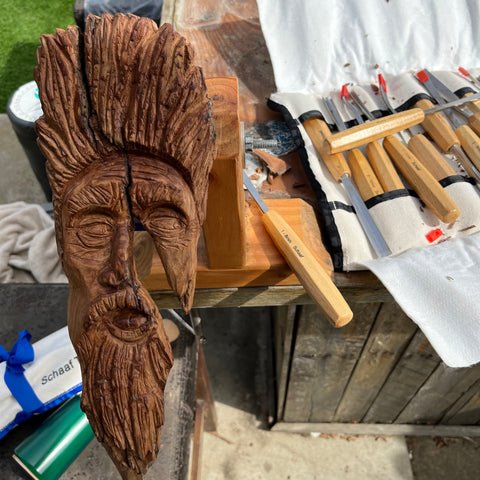
Have you ever wanted to transform a simple piece of wood into a stunning work of art? Carving intricate designs in wood might seem difficult at first, but with the right steps, you can create beautiful patterns that amaze everyone.
Whether you’re a beginner or looking to improve your skills, this guide will show you how to bring your ideas to life. Get ready to unlock your creativity and discover the secrets to mastering detailed wood carving. Keep reading, and soon you’ll be crafting designs that truly stand out.
Choosing The Right Wood
Choosing the right wood is very important for carving intricate designs. The wood type affects how easy it is to carve and the final look.
Different woods have different hardness, grain, and texture. These factors help you decide which wood fits your project best.
Best Wood Types For Carving
Softwoods and hardwoods both work for carving. Softwoods are easier for beginners. Hardwoods give more detail but need more skill.
- Basswood: Soft, light, and easy to carve. Good for beginners.
- Butternut: Soft with a nice grain. Carves smoothly.
- Cherry: Harder wood with fine grain. Great for detailed work.
- Walnut: Dark wood with smooth texture. Ideal for fine carvings.
- Mahogany: Medium hardness and rich color. Carves well.
Wood Grain And Texture
Wood grain means the pattern of fibers in the wood. It affects how the carving tools move and how the design looks.
Fine, even grain is best for detailed work. Rough or uneven grain can make carving harder and less smooth.
- Straight grain helps tools cut smoothly.
- Interlocked grain can cause the tools to catch.
- Soft texture allows easier shaping.
- Hard texture needs sharper tools and more effort.
Preparing Wood For Carving
Prepare the wood before carving to make the process easier. Start by checking for knots or cracks to avoid problems.
Smooth the surface with sandpaper to remove rough spots. Keep the wood dry to prevent warping or cracking.
- Remove bark if needed to get a clean surface.
- Cut the wood into a manageable size.
- Use sharp tools for clean cuts.
- Mark your design lightly before carving.

Credit: www.dreamstime.com
Essential Carving Tools
Carving intricate designs in wood requires the right tools. These tools help you shape wood carefully and safely. Using good tools makes carving easier and more precise.
This guide focuses on the main carving tools you need. Learn about different knives, gouges, chisels, and how to keep them sharp and ready to use.
Types Of Carving Knives
Carving knives come in many shapes and sizes. Each knife has a special use for making cuts, details, or smooth edges. Choose the right knife for the design you want to carve.
- Detail Knife:Small blade for fine lines and small areas.
- Roughing Knife:Large blade for removing big wood pieces.
- Chip Carving Knife:Sharp tip for small, precise chips of wood.
- Whittling Knife:Simple blade for general carving tasks.
Using Gouges And Chisels
Gouges and chisels are tools with sharp edges and curved or straight blades. They help you carve deeper cuts or shapes into the wood. Gouges have a curved blade, while chisels have a flat blade.
| Tool | Blade Shape | Use |
| Gouge | Curved | Cut curved grooves and hollows |
| Chisel | Straight | Remove wood in straight lines and flat surfaces |
| Veiner | U-shaped narrow gouge | Make fine lines and narrow grooves |
Sharpening And Maintaining Tools
Sharp tools cut wood cleanly and safely. Dull tools make carving hard and unsafe. Keep your tools sharp by regular sharpening and care.
- Use sharpening stones to keep edges sharp.
- Hone blades often to remove small nicks.
- Clean tools after each use to avoid rust.
- Store tools in a dry place with blade covers.
- Check handles for cracks and fix if needed.
Basic Carving Techniques
Carving wood takes patience and skill. You can create detailed designs with simple tools.
Start with basic techniques to make your carving safe and neat. These skills help with every project.
Safe Handling Practices
Always hold your carving tools carefully. Keep your hands away from sharp edges.
Use a carving glove or thumb guard to protect your hand. Work in a well-lit area to see clearly.
- Hold the tool firmly but not too tight
- Carve away from your body and fingers
- Keep tools sharp to reduce slipping
- Wear protective gloves or guards
- Work on a stable surface
Creating Outlines And Shapes
Start by drawing your design on the wood. Use a pencil for easy changes.
Cut shallow lines along the outline. These guide your carving and keep shapes clear.
- Draw simple shapes first
- Use small cuts to follow the outline
- Keep lines light for easy removal
- Work slowly to keep shapes neat
Removing Excess Wood
Remove large wood areas outside your design. Use bigger tools for fast work.
Switch to smaller tools for detailed areas. Remove wood in thin layers to avoid mistakes.
- Start with gouges or chisels for big cuts
- Use knives for fine details
- Cut small amounts at a time
- Check your progress often
- Smooth rough edges with sandpaper
Advanced Carving Methods
Carving intricate designs in wood demands skill and patience. Advanced methods help you create detailed and beautiful patterns.
This guide covers layering and depth control, adding fine details, and texturing with finishing touches. Each method improves the quality of your work.
Layering And Depth Control
Controlling the depth of each cut creates layers that add dimension to your design. Use sharp tools and measure depth carefully for best results.
- Start with shallow cuts to outline your pattern.
- Gradually carve deeper to add layers.
- Use different tool sizes for varied depth.
- Check your progress often to maintain balance.
- Smooth each layer to avoid rough edges.
Adding Fine Details
Fine details bring life to your wood carving. Small chisels, knives, and gouges help create delicate lines and shapes.
| Tool | Use | Tip |
|---|---|---|
| Detail Knife | Cut thin lines and curves | Keep blade sharp for clean cuts |
| Veiner Gouge | Create narrow grooves | Use light pressure for control |
| Micro Chisel | Work on tiny shapes | Hold steady to avoid slips |
Texturing And Finishing Touches
Adding texture makes the design more interesting. Use special tools and techniques to create patterns on the wood surface.
- Use a wire brush to create rough textures.
- Apply a sanding sponge for smooth areas.
- Carve small dots or lines for detail.
- Finish with a wood sealant or oil for protection.
Design Planning And Transfer
Carving intricate designs in wood starts with careful planning. A clear design helps you work smoothly and avoid mistakes.
Transferring your design to wood is a key step. It ensures your carving matches your idea perfectly.
Sketching Your Design
Begin by drawing your design on paper. Use simple shapes and clear lines to make the process easier.
Keep your design size close to the final wood piece. This helps you see details better and plan the carving depth.
Transferring Designs To Wood
Use carbon paper or tracing paper to copy your design onto the wood surface. This keeps your drawing neat and precise.
Secure the paper firmly so it does not move during tracing. Press gently but firmly to leave clear lines on the wood.
- Place carbon paper between wood and design
- Use a pencil or stylus to trace over the design
- Check the wood for clear and complete lines
- Repeat if any part is faint or missing
Adjusting Designs For Carving
Look at your transferred design closely. Make small changes to fit the wood’s grain and size.
Simplify very small details that are hard to carve. Larger shapes are easier to work with and look better.
- Remove tiny lines that may break during carving
- Thicken thin lines to avoid damage
- Adapt design edges to follow wood grain
- Plan carving depth for each part of the design

Credit: www.schaaftools.com
Common Challenges And Solutions
Carving intricate designs in wood can be difficult. Woodworkers face many problems that can slow down their work.
This guide covers common challenges and easy ways to solve them. You will learn tips for better results.
Avoiding Wood Splitting
Wood splitting happens when the wood cracks along the grain. It can ruin your design and waste material.
- Use sharp carving tools to make clean cuts.
- Cut along the grain, not against it.
- Work slowly and apply gentle pressure.
- Keep wood moist with a damp cloth to prevent dryness.
- Choose wood types less prone to splitting, like basswood or butternut.
Fixing Mistakes
Carving errors can happen even to experts. Fixing them quickly saves time and wood.
| Problem | Solution |
| Deep accidental cut | Fill with wood filler, sand smooth after drying |
| Wrong shape carved | Carve around it to change design or add details |
| Small chip or dent | Use fine sandpaper or wood putty for repair |
| Uneven surface | Lightly sand and re-carve as needed |
Dealing With Hard Knots
Knots are hard wood spots that can block carving tools or cause damage.
Try these tips to handle knots:
- Use strong, sharp chisels or rotary tools for tough knots.
- Carve slowly and carefully near knots to avoid tool slipping.
- If a knot is too hard, consider changing the design around it.
- Sand knots well to smooth the surface after carving.
Finishing Your Carved Piece
Finishing your wood carving gives it a polished look and protects it from damage. This step highlights the details you worked hard to create.
Use the right techniques to smooth the surface, add color, and keep your piece looking great for years.
Sanding Techniques
Sanding removes rough edges and smooths the wood surface. Start with coarse sandpaper and move to finer grits for a smooth finish.
Be gentle around detailed areas to keep your design sharp. Use small sanding tools or folded sandpaper to reach tight spots.
- Begin with 80-120 grit sandpaper for rough areas
- Use 220-320 grit for a smooth finish
- Sand along the grain to avoid scratches
- Clean dust off before moving to the next step
Applying Stains And Sealants
Stains add color and bring out the wood’s natural grain. Apply with a cloth or brush in thin, even coats.
Sealants protect your carving from moisture and dirt. Choose a finish like varnish, polyurethane, or wax based on your piece’s use.
- Test stain on a scrap piece first
- Apply stain evenly and wipe off excess
- Let stain dry completely before sealing
- Apply sealant in thin layers, allowing drying time
- Sand lightly between sealant coats for smoothness
Displaying And Caring For Your Work
Place your carving where it can be admired but safe from damage. Avoid direct sunlight and damp areas.
Clean your piece with a soft cloth. Reapply wax or sealant if the surface looks dull or worn.
- Keep away from extreme heat or moisture
- Dust regularly with a dry cloth
- Use mild soap and water for cleaning if needed
- Store in a stable environment to avoid cracks

Credit: www.woodcraft.com
Frequently Asked Questions
What Tools Are Best For Carving Intricate Wood Designs?
Carving knives, chisels, gouges, and rotary tools work best for detailed wood carving. Choose sharp tools for precision and control. Use various sizes to handle different design elements. Proper tools help achieve clean, intricate patterns with ease and accuracy.
How To Prepare Wood For Intricate Carving?
Select softwoods like basswood or pine for easier carving. Sand the surface smooth to remove splinters. Draw your design clearly on the wood. Secure the wood firmly to prevent movement while carving. Proper preparation ensures cleaner, more detailed results.
What Safety Tips Should I Follow While Carving Wood?
Always wear protective gloves and eye protection. Use sharp tools carefully to avoid slips. Carve away from your body to reduce injury risk. Work in a well-lit, ventilated area to stay safe. Following safety tips prevents accidents and improves focus.
How Can I Finish And Protect Carved Wood Designs?
Sand the carved piece gently to remove rough edges. Apply wood stain or paint to enhance details. Seal with clear varnish or polyurethane for durability. Finishing protects the wood and highlights intricate patterns beautifully.
Conclusion
Creating intricate wood designs can be a rewarding hobby. With patience, anyone can learn this skill. Start with simple patterns and progress gradually. Use the right tools for clean, precise cuts. Practice regularly to improve your technique. Enjoy the process, and soon you’ll see progress.
Remember, every design tells a story. Let your creativity guide you. Share your creations with others for inspiration. Happy carving!