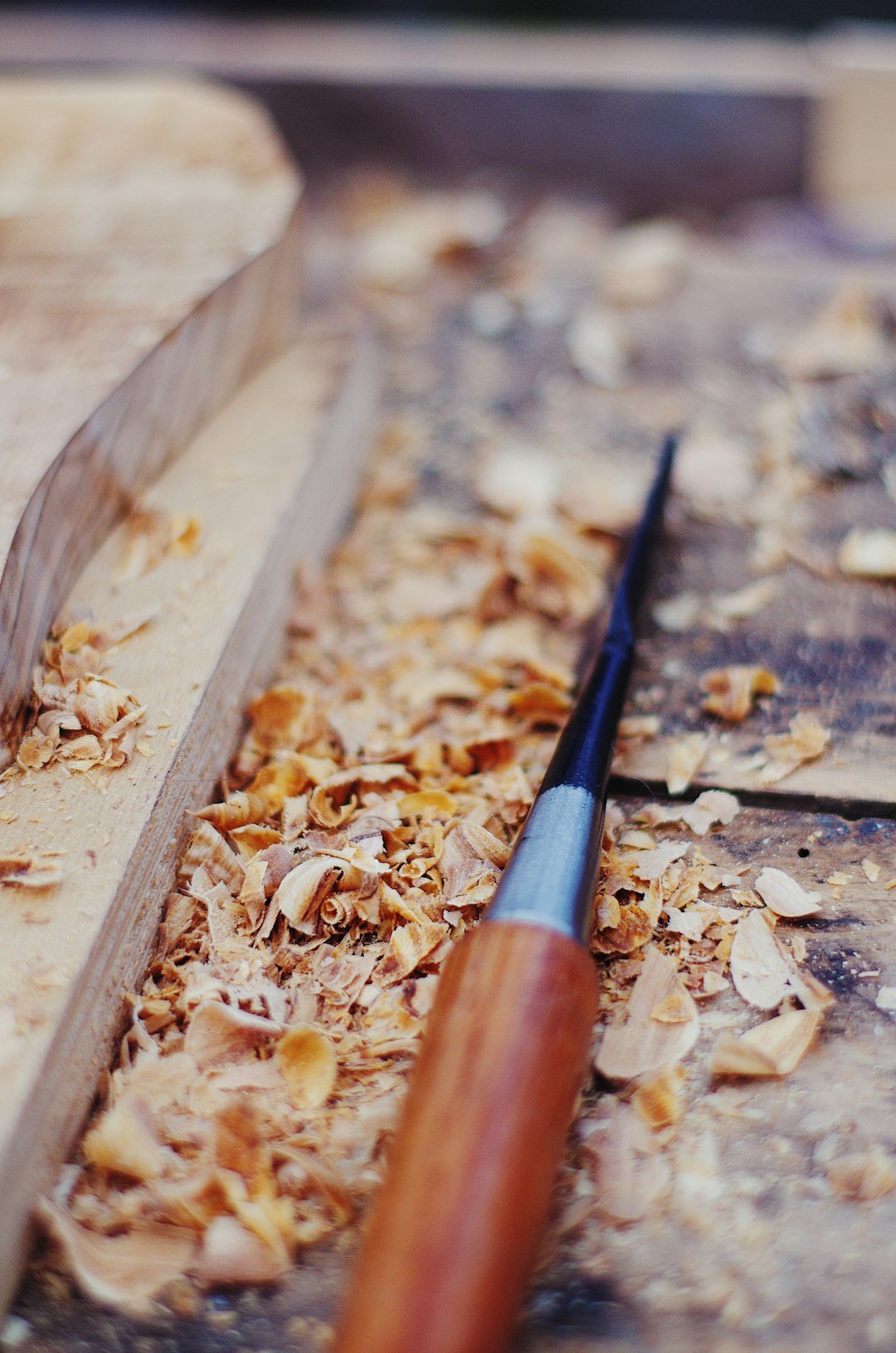
Choosing the right wood lathe tool can make all the difference in your woodworking projects. If you want smooth cuts, precise shapes, and a satisfying finish, picking the perfect tool is essential.
But with so many options out there, how do you know which one fits your needs? This guide will help you understand what to look for, so you can work confidently and get the best results every time. Keep reading, and you’ll soon master the art of selecting the ideal wood lathe tool for your craft.
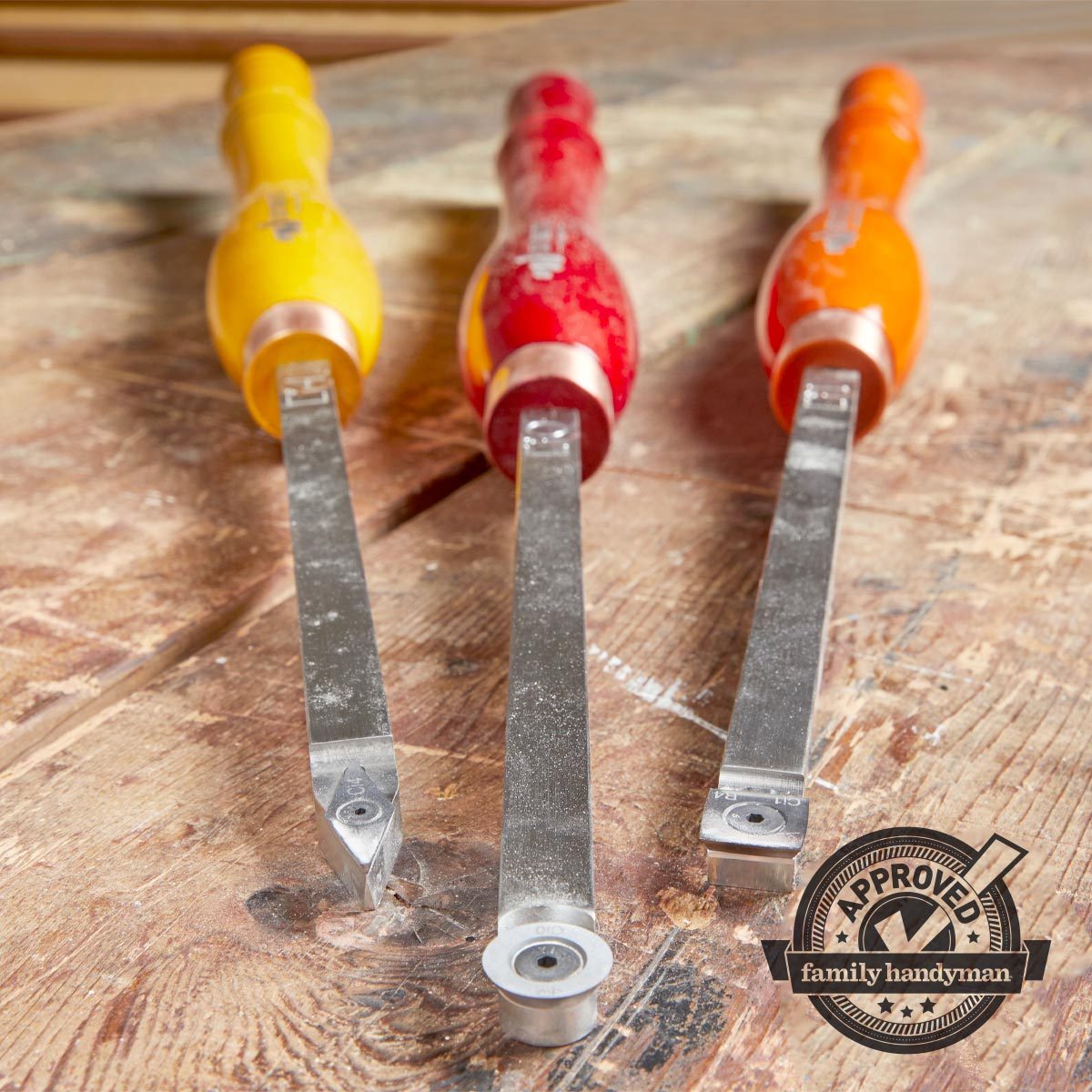
Credit: www.familyhandyman.com
Types Of Wood Lathe Tools
Wood lathe tools come in different shapes and sizes. Each tool has a special use for shaping wood.
Choosing the right tool helps you cut wood smoothly and safely. Knowing types of tools is important.
Gouges
Gouges have a curved cutting edge. They remove large amounts of wood fast.
Use gouges for shaping curves and hollowing bowls. They come in different sizes and sweeps.
- Spoon gouge: good for deep cuts and hollowing.
- Spindle gouge: used for detailed shaping on spindle work.
- Bowl gouge: made for turning bowls and wide curves.
Chisels
Chisels have a straight, sharp edge. They make smooth cuts on wood surfaces.
Use chisels to trim and shape edges. They work well for clean, flat cuts.
- Roughing chisel: shapes rough wood quickly.
- Straight chisel: perfect for fine, straight cuts.
Skew Chisels
Skew chisels have a slanted edge. They cut smooth, straight lines on wood.
Use skew chisels for planing and smoothing wood surfaces. They need careful handling.
- Skew chisel cuts clean edges and fine details.
- It helps create beads and coves on spindles.
Parting Tools
Parting tools have a narrow blade. They cut deep grooves in wood.
Use parting tools to separate parts or make thin cuts. They help mark shapes clearly.
- Parting tools are good for cutting slots and details.
- They help measure wood thickness during turning.
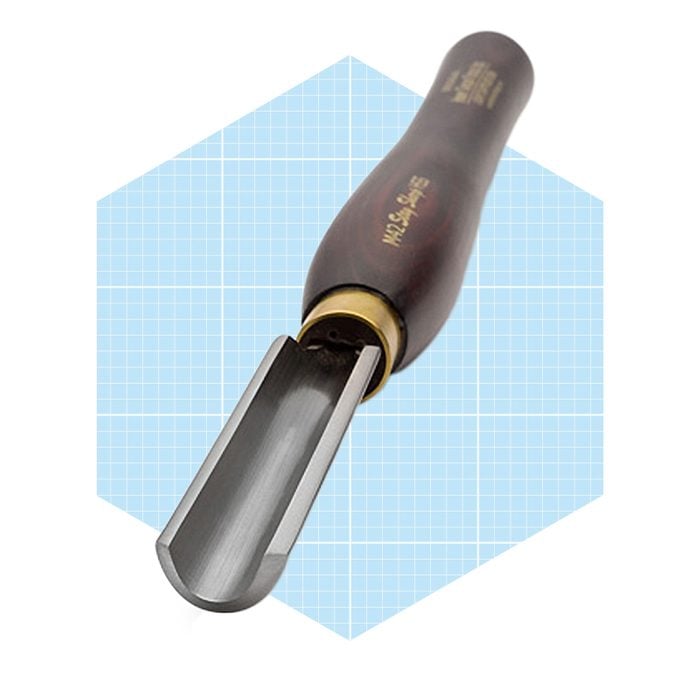
Credit: www.familyhandyman.com
Material And Build Quality
Choosing the right wood lathe tool depends on its material and build quality. Good materials make the tool last longer and work better.
Strong materials help the tool cut wood smoothly and safely. Poor quality tools can break or wear out fast.
Steel Types
The steel used in lathe tools affects their sharpness and durability. High-quality steel holds an edge longer and resists rust.
Common steel types are carbon steel and high-speed steel. Carbon steel is easy to sharpen but may wear faster. High-speed steel stays sharp longer but costs more.
- Carbon Steel: Easy to sharpen, less durable
- High-Speed Steel (HSS): Long-lasting edge, more expensive
- Alloy Steel: Good balance of strength and toughness
Handle Materials
Handle material affects comfort and control. A good handle reduces hand fatigue during long work sessions.
Wood handles feel warm and natural. Plastic handles are light and easy to clean. Rubber-coated handles give extra grip and reduce slipping.
- Wood: Comfortable, classic look
- Plastic: Lightweight, low maintenance
- Rubber: Non-slip, cushioned grip
Balance And Weight
Balance and weight affect how easy the tool is to use. A well-balanced tool feels steady in your hand.
Too heavy tools cause fatigue. Too light tools may feel unstable. Choose a tool with a good balance between weight and control.
- Balanced tools reduce hand strain
- Medium weight offers control and comfort
- Heavy tools can tire your hand fast
Tool Size And Shape
Choosing the right wood lathe tool depends on the size and shape of the tool. These factors affect how well you can control the cut and the finish of your workpiece.
Understanding blade width, cutting edge profiles, and handle length helps you pick the best tool for your project and skill level.
Blade Width
Blade width affects how much wood the tool removes with each pass. Narrow blades work well for detail and fine cuts. Wider blades remove more material quickly but need more control.
- Narrow blades: good for precision and small shapes
- Medium blades: versatile for general turning
- Wide blades: best for rough shaping and heavy cuts
Cutting Edge Profiles
The shape of the cutting edge changes how the tool interacts with the wood. Different profiles suit different tasks and cutting styles.
| Profile | Use |
| Straight Edge | General shaping and smoothing |
| Curved Edge | Creating concave or convex shapes |
| Pointed Edge | Detail work and tight cuts |
| Beveled Edge | Shearing cuts for smooth finish |
Handle Length
Handle length impacts comfort and control. Longer handles offer better leverage and less hand fatigue. Shorter handles give more precision but can tire your hand faster.
- Long handles: good for heavy cuts and long sessions
- Medium handles: balance between control and comfort
- Short handles: best for detailed work and tight spaces
Choosing Tools For Skill Levels
Selecting the right wood lathe tools depends on your skill level. Using tools that match your experience helps you work safely and improve faster.
Each tool type serves a different purpose. Knowing which tools fit your skill set makes your woodturning more enjoyable.
Beginner-friendly Options
Beginners need simple and safe tools. These tools help learn basic cuts and shapes without risk.
Tools with easy grips and less sharp edges give better control. They help build confidence for new turners.
- Spindle gouge for shaping
- Roughing gouge to remove wood fast
- Skew chisel with a safe cutting edge
- Parting tool for simple cuts
Intermediate Tools
Intermediate woodturners try more detailed work. They need tools that offer better control and precision.
Tools with sharper edges and varied shapes allow more creative designs and smoother finishes.
- Detail gouge for fine shaping
- Beading and parting tool for decorative cuts
- Scraper for smoothing surfaces
- Hollowing tools for bowls and cups
Advanced Selections
Advanced turners use specialized tools for complex projects. These tools require skill and careful handling.
They include custom shapes and carbide tips that last longer and cut tougher wood.
- Custom ground gouges for specific shapes
- Carbide-tipped tools for hard woods
- Micro tools for fine detailing
- Adjustable hollowing systems
Budget Considerations
Selecting the right wood lathe tool depends on your budget. You want a tool that fits your price range but still works well.
Knowing your budget helps you choose between affordable, premium, or mixed tool options.
Affordable Tools With Quality
Affordable wood lathe tools can offer good quality for beginners. They usually have basic features but still cut wood well.
Look for tools made from strong steel and with comfortable handles. These tools last longer and feel better to use.
- Check for high-carbon steel blades
- Choose tools with ergonomic grips
- Read reviews about durability
Investing In Premium Tools
Premium tools cost more but offer better materials and design. They make carving easier and more precise.
These tools often use hardened steel and have balanced handles. They last longer and need less sharpening.
- Look for tools with hardened steel edges
- Choose brands known for quality
- Consider lifetime warranties
Tool Sets Vs Individual Tools
Buying a set gives you many tools at once. Sets save money but may include tools you don’t need.
Individual tools let you pick only what you want. They may cost more but fit your work style better.
- Sets offer variety and cost savings
- Individual tools offer customization
- Think about the types of cuts you want to make
Maintenance And Sharpening
Keeping wood lathe tools sharp and clean is important. It helps the tools work better and last longer.
Regular maintenance prevents damage and keeps your work safe. Let’s look at how to sharpen and care for your tools.
Sharpening Techniques
Sharpen your lathe tools often to keep a clean cut. Use the right angle to avoid dulling the blade.
Use sharpening stones or grinding wheels made for lathe tools. Move the tool slowly and evenly on the sharpener.
- Keep the bevel angle between 25 and 35 degrees
- Use water or oil stones to cool and smooth the blade
- Sharpen both sides evenly for balanced cutting
- Check the edge with your fingernail for smoothness
Tool Care Tips
Clean your tools after every use to stop rust and dirt buildup. Wipe them with a dry cloth or use a rust remover if needed.
Store tools in a dry place. Use protective covers or cases to avoid damage and keep blades sharp.
- Remove wood dust and shavings after each use
- Apply light oil to metal parts to prevent rust
- Keep handles tight and check for cracks
- Do not drop or knock tools to avoid chipping
Extending Tool Life
Use the right tool for each job. Avoid forcing tools to cut too fast or too deep.
Regularly sharpen and clean tools. Proper use and care will help your tools last much longer.
- Match tool shape to the wood turning task
- Keep cutting speeds moderate to reduce wear
- Rest tools between uses to avoid overheating
- Inspect tools often and fix small problems fast
Safety Tips For Tool Use
Using wood lathe tools safely keeps you free from injury. It is important to follow safety rules every time you work.
This guide covers handling tools, using protective gear, and safe working habits. Each part helps you work with care and skill.
Proper Handling
Hold the tool firmly and keep your hands steady. Always use the tool for its intended purpose to avoid accidents.
- Check the tool before use for any damage.
- Keep the tool sharp for better control.
- Use both hands to guide the tool on the wood.
- Do not force the tool; let it cut naturally.
- Place the tool rest close to the workpiece.
Protective Gear
Wear safety gear to protect your eyes, ears, and body. This gear reduces the risk of serious injury during woodturning.
| Gear | Purpose |
|---|---|
| Safety Glasses | Protect eyes from flying wood chips |
| Face Shield | Extra face protection against debris |
| Ear Protection | Reduce noise damage to hearing |
| Dust Mask | Prevent inhaling wood dust |
| Non-slip Gloves | Improve grip and protect hands |
Safe Working Practices
Keep your workspace clean and organized. Follow simple steps to stay safe and avoid accidents.
- Keep tools sharp and well-maintained.
- Never wear loose clothing or jewelry.
- Use proper lighting in your workspace.
- Turn off the lathe before adjusting tools.
- Stand to the side, not directly in front.
- Work at a comfortable speed for control.
- Always focus and avoid distractions.

Credit: www.youtube.com
Frequently Asked Questions
What Types Of Wood Lathe Tools Should I Choose?
Choose tools based on your project needs: gouges for shaping, chisels for detail, and parting tools for cuts. Quality steel and ergonomic handles improve control and durability.
How Do I Select The Right Tool Size For Wood Turning?
Select tool size by the lathe’s capacity and project scale. Smaller tools suit fine detail; larger tools handle bigger pieces effectively.
What Materials Make The Best Wood Lathe Tools?
High-speed steel and carbide-tipped tools offer durability and sharpness. These materials maintain edges longer, ensuring smooth and precise cuts.
How Important Is Tool Handle Design In Wood Lathes?
Ergonomic handles reduce fatigue and improve grip. Comfortable handles enhance control and safety during prolonged woodturning sessions.
Conclusion
Choosing the right wood lathe tool is crucial. It affects your work quality and safety. Start by considering your project’s needs. Think about the tool’s material and handle comfort. Check its compatibility with your lathe. Budget matters too, but don’t sacrifice quality.
Research and reviews can guide your decision. A well-chosen tool makes woodworking enjoyable. It enhances precision and efficiency. Take time to choose wisely. Your projects will thank you. Happy woodworking!