Have you ever wanted to turn a simple piece of wood into a beautiful work of art? Carving patterns on wood surfaces can add a unique touch to your projects, making them stand out and truly personal.
Whether you’re a beginner or looking to improve your skills, this guide will show you easy steps to create stunning designs. By the end, you’ll feel confident picking up your tools and bringing your creative ideas to life. Ready to transform your woodwork?
Let’s dive in and unlock your carving potential!

Credit: www.youtube.com
Tools Needed
Carving patterns on wood surfaces requires the right tools to get clean and precise results.
Using proper tools and safety gear keeps you safe and makes your work easier.
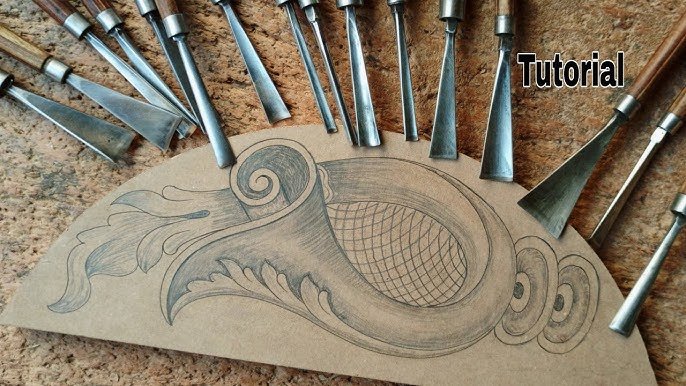
Essential Carving Tools
You need several basic tools to carve wood patterns. Each tool has a special use.
- Carving knives for detailed cuts
- Gouges for scooping wood
- V-tools to make sharp lines
- Mallets to tap tools gently
- Sharpening stones to keep edges sharp
Choosing The Right Wood
Select wood that is soft and easy to carve for beginners. Hard woods need more effort.
| Wood Type | Carving Difficulty | Best For |
|---|---|---|
| Limewood | Easy | Detailed carving |
| Pine | Easy | Practice and simple patterns |
| Oak | Hard | Durable projects |
| Maple | Hard | Fine, smooth finishes |
Safety Gear
Always wear safety gear to protect yourself from cuts and wood chips.
- Protective gloves to avoid cuts
- Safety glasses to shield eyes
- Dust mask to prevent inhaling sawdust
- Apron to protect clothes
Preparing The Wood
Carving patterns on wood starts with good preparation. Preparing the wood well helps your design look clear and neat.
Taking time to get the wood ready makes carving easier and safer. It also helps your tools last longer.
Smoothing The Surface
Start by sanding the wood to make the surface smooth. A smooth surface helps you carve clean lines.
Use sandpaper with a medium grit first, then a finer grit to finish. Wipe off dust with a cloth after sanding.
- Begin with 120-grit sandpaper
- Finish with 220-grit sandpaper
- Remove all dust before carving
Transferring The Pattern
Choose your pattern and transfer it onto the wood surface. This guides your carving and keeps your design accurate.
You can use carbon paper, tracing paper, or draw directly on the wood with a pencil. Make sure the lines are clear but light.
- Place carbon paper between pattern and wood
- Trace the design with a pencil or pen
- Check that all parts of the pattern are transferred
Setting Up Your Workspace
Prepare a clean, flat workspace with good lighting. A steady area helps you carve safely and accurately.
Arrange your tools within reach and keep a clamp or vise handy to hold the wood. Wear safety gear like goggles and gloves.
- Work on a flat, stable table
- Use clamps to secure the wood
- Have good lighting over the workspace
- Keep carving tools organized nearby
- Wear protective glasses and gloves
Basic Carving Techniques
Carving patterns on wood is a skill that anyone can learn. It starts with knowing how to use your tools well. This guide shows simple ways to get started with wood carving.
By practicing basic techniques, you can create beautiful designs on wood surfaces. Focus on control and safety as you work.
Holding The Tools Correctly
Hold your carving tools firmly but not too tight. Use your dominant hand to grip the handle. Your other hand guides the wood or supports the tool. This helps you keep control and avoid slips.
- Keep your wrist straight for better control.
- Hold the tool close to the blade for precision.
- Use your thumb to guide the cut gently.
- Always carve away from your body.
Simple Cuts And Strokes
Start with basic cuts to get used to the feel of carving. Use small, light strokes. Practice cutting straight lines, curves, and simple shapes.
| Cut Type | Use | Tip |
| Push Cut | To remove thin layers | Push tool forward gently |
| Stop Cut | To mark the edge of a pattern | Press down carefully |
| Pull Cut | For detailed work | Pull tool toward you slowly |
Controlling Depth And Pressure
Keep your cuts shallow at first. Apply light pressure to control the depth. This prevents mistakes and keeps your design clean.
Tips for controlling depth and pressure:
- Use your body weight, not just your hands.
- Carve in multiple shallow passes instead of one deep cut.
- Stop frequently to check your work.
- Adjust pressure based on wood hardness.
Creating Common Patterns
Carving patterns on wood makes your project unique and beautiful. You can create many designs with simple tools.
Common patterns include geometric shapes, flowers, and abstract forms. These add style to any wood surface.
Geometric Designs
Geometric designs use shapes like squares, triangles, and circles. They create clean, balanced patterns on wood.
Start by drawing shapes with a pencil. Carve carefully along the lines for sharp edges and clear details.
- Use a ruler to keep lines straight
- Repeat shapes for rhythm
- Combine simple shapes for complex designs
Floral Motifs
Floral motifs bring natural beauty to wood carvings. Flowers, leaves, and vines add softness and flow.
Draw petals and leaves lightly, then carve gently to keep curves smooth. Use different depths for texture.
- Start with simple flowers like daisies
- Carve veins on leaves for detail
- Arrange flowers in patterns or borders
Abstract Shapes
Abstract shapes focus on curves, lines, and unusual forms. They add artistic and creative touches to wood.
Use freehand drawing to create flowing lines. Carve with different tools to vary the texture and depth.
- Mix smooth curves and sharp angles
- Use overlapping shapes for interest
- Try random patterns for unique results
Adding Details And Texture
Carving patterns on wood surfaces can create beautiful art. Adding details and texture makes your designs stand out.
Details give depth, while texture adds a tactile feel. Both help bring your wood carvings to life.
Using V-cuts And Gouges
V-cuts create sharp, clean lines in wood. Gouges carve out curved shapes and grooves.
Use V-cuts for outlines and fine details. Gouges work well for adding smooth curves and rounded textures.
- V-cuts are good for sharp edges and thin lines
- Gouges help carve deeper, curved patterns
- Mix both tools for varied effects
Layering And Shading Effects
Layering means carving different depths in wood. This adds shadows and a 3D look.
Shading uses light and dark contrasts. You can create this by carving deeper or closer lines.
- Carve shallow layers for light areas
- Use deeper cuts for darker shades
- Close lines create smooth shading
- Spread lines give a lighter effect
Enhancing Patterns With Texture
Texture makes wood carvings feel more natural and interesting. It adds a touch you can see and feel.
Use different tools to create rough, smooth, or patterned textures. Small cuts or dots add fine detail.
- Use a veiner for thin lines and texture
- Chip carving adds rough patterns
- Small dots create a stippled look
- Sanding smooths some areas for contrast

Credit: www.youtube.com
Finishing Touches
Carving patterns on wood is just the start. Finishing your work makes it last and look great. Proper care helps show off your carving’s details.
This guide covers sanding, staining or painting, and sealing your wood surface. Each step adds beauty and protects your art.
Sanding And Cleaning
After carving, smooth the wood by sanding. Use fine-grit sandpaper to avoid damaging the pattern. Remove dust with a soft brush or cloth.
- Start with 120-grit sandpaper for rough spots
- Finish with 220-grit for a smooth surface
- Use a tack cloth to wipe off all dust
- Check the pattern for any rough edges
Applying Stains Or Paints
Choose stains or paints to bring color and contrast to your carving. Test colors on scrap wood first. Apply with a brush or cloth in thin layers.
| Finish Type | Effect | Dry Time |
| Wood Stain | Enhances natural grain | 4-6 hours |
| Opaque Paint | Hides grain, adds solid color | 2-4 hours |
| Gel Stain | Thick, good for detailed carvings | 6-8 hours |
| Water-Based Paint | Easy cleanup, dries fast | 1-2 hours |
Sealing And Protecting
Seal your carved wood to protect it from moisture and dirt. Clear finishes keep the natural look and make cleaning easier.
- Apply a thin coat of polyurethane or varnish
- Use a brush or spray for even coverage
- Let it dry fully before touching
- Lightly sand between coats for smoothness
- Apply 2-3 coats for best protection
Troubleshooting Tips
Carving patterns on wood can be tricky. Small errors can change your design. This guide helps you solve common problems.
Knowing how to fix mistakes, avoid splinters, and keep your tools sharp will improve your work.
Fixing Mistakes
If you carve too deep or off the line, don’t worry. You can repair or hide many mistakes easily.
- Use wood filler to fill deep cuts or gouges. Let it dry and sand smooth.
- Lightly sand rough edges to clean up slip marks.
- Apply a thin wood stain to even out color differences.
- Adjust your pattern to include the mistake as part of the design.
- Practice on scrap wood to reduce errors on your main piece.
Preventing Splinters
Splinters can ruin your design and hurt your hands. Here are ways to avoid them while carving.
| Cause | Prevention |
| Dull tools | Sharpen blades regularly for clean cuts |
| Too much pressure | Use gentle, controlled carving strokes |
| Carving against the grain | Follow the wood grain direction carefully |
| Rough wood surface | Sand the wood before starting your pattern |
Maintaining Tools
Sharp and clean tools make carving easier and safer. Keep your tools in top shape with these tips.
- Clean blades after each use to remove resin and dust.
- Sharpen carving knives and chisels regularly with a sharpening stone.
- Store tools in a dry place to stop rust from forming.
- Check handles for cracks or looseness and fix if needed.
- Use a honing rod to keep edges smooth between sharpening sessions.

Credit: www.youtube.com
Frequently Asked Questions
What Tools Are Best For Carving Patterns On Wood?
The best tools include carving knives, gouges, chisels, and rotary tools. These provide precision and control for detailed designs. Choose based on the wood type and pattern complexity for optimal results.
How Do I Prepare Wood For Carving Patterns?
Start by sanding the wood surface smooth and clean. Remove any dust or debris. Mark your design clearly using a pencil or stencil before beginning to carve.
Which Wood Types Are Ideal For Carving Patterns?
Softwoods like basswood, pine, and cedar are ideal for beginners. Hardwoods such as oak and walnut suit advanced carvers due to their durability and fine grain.
How Can I Avoid Mistakes While Carving Wood Patterns?
Work slowly and steadily, following your design lines carefully. Use sharp tools and maintain consistent pressure. Practice on scrap wood to improve your skills before starting the main project.
Conclusion
Carving patterns on wood adds charm and character. It’s an art. Anyone can learn it with practice and patience. Start with simple designs. Use the right tools for best results. Always prioritize safety while working. Sand the wood for a smooth finish.
This enhances the final look. Experiment with different patterns. Let creativity lead you. Enjoy the process and the beauty it brings. Wood carving is a rewarding hobby. It connects you with nature and creativity. Keep exploring and improving your skills.
Your wood creations will tell stories. Happy carving!