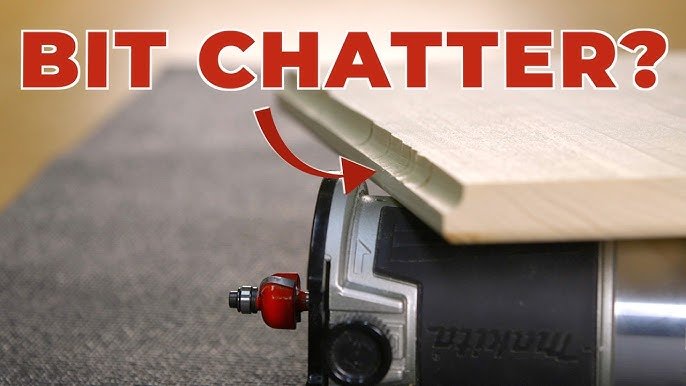
When you pick up a wood router, you’re holding a powerful tool that can transform your projects. But with that power comes risk.
One small mistake can lead to serious injury or damage to your work. That’s why knowing the right safety tips isn’t just helpful—it’s essential. You’ll discover simple, practical steps to protect yourself and get the best results every time you use your wood router.
Keep reading to make sure your next project is both safe and successful.

Credit: www.familyhandyman.com
Choosing The Right Router
Picking the right wood router is key for safety and good results. Different routers fit different projects and skill levels.
Understanding router types and features helps you choose one that suits your needs and keeps your work safe.
Types Of Wood Routers
Wood routers come in several types. Each type fits different tasks and user skills.
- Fixed-Base Routers:Good for straight cuts and edge work. The base stays in place during use.
- Plunge Routers:The bit can move up and down. Useful for cutting in the middle of the wood.
- Combination Routers:These can switch between fixed and plunge bases. They are flexible for many jobs.
- Trim Routers:Small and light. Best for quick edge trimming and small projects.
Features To Look For
| Feature | Why It Matters |
| Variable Speed Control | Adjust speed for different materials and bits to avoid damage. |
| Soft Start | Reduces sudden torque, making the router easier and safer to handle. |
| Ergonomic Handles | Improves grip and control, lowering the chance of slips. |
| Depth Adjustment | Allows precise control over cutting depth for accurate work. |
| Dust Collection Port | Keeps your workspace clean and improves visibility of the cut line. |
Preparing Your Workspace
Setting up your workspace is key to using a wood router safely. A clean and organized area helps you work better.
Good preparation reduces accidents and makes your project easier to finish.
Clearing The Work Area
Remove all tools and materials not needed for your routing job. A clutter-free space stops you from tripping or knocking things over.
Keep the floor clear and clean. Sawdust and scraps can cause slips or fires.
- Put away unused tools
- Clear scraps and sawdust often
- Keep cords and cables tidy
- Make sure there is enough space to move
Proper Lighting And Ventilation
Good lighting helps you see your work clearly. This lowers mistakes and accidents.
Ventilation removes dust and fumes. It keeps the air clean and protects your lungs.
- Use bright, even lighting over the workbench
- Open windows or use fans for fresh air
- Consider a dust collection system
- Avoid working in dark or stuffy rooms
Personal Protective Gear
Using a wood router can be dangerous without the right safety gear. Personal protective equipment helps stop injuries.
Always wear the proper gear before you start working with a router.
Eye And Ear Protection
Eye protection stops dust and wood chips from hurting your eyes. Always wear safety goggles or glasses.
Wood routers make loud noise that can damage your hearing. Use ear protection like earplugs or earmuffs.
- Wear safety goggles that fit well
- Use earplugs or earmuffs to protect hearing
- Replace damaged eye or ear gear immediately
Dust Masks And Gloves
Dust masks help you breathe safely by filtering out fine wood dust. Choose masks designed for woodworking.
Gloves protect your hands from splinters and cuts. Use gloves that fit well and allow good grip.
- Wear a dust mask to avoid breathing dust
- Choose gloves made for woodworking tasks
- Check gloves for holes or damage before use

Credit: www.cnc.works
Safe Handling Techniques
Using a wood router safely protects you from injury and improves your work quality. Proper handling keeps control and reduces accidents. Learn simple ways to hold and control your router.
These tips focus on gripping the router correctly and managing its speed. Both are key to safe and precise routing.
Correct Router Grip
Hold the router firmly with both hands to keep it steady. Use the handles on each side for the best control. Avoid gripping too tightly to prevent fatigue.
- Place thumbs wrapped around the handles
- Keep fingers on the trigger or power switch
- Maintain a balanced stance to support your grip
- Do not let go of the router while it is running
- Use smooth, steady movements while routing
Controlling Router Speed
Adjusting the speed of your router helps you match the wood type and bit size. High speeds suit soft woods and small bits. Lower speeds work better for hard woods and large bits.
| Wood Type | Recommended Speed | Reason |
|---|---|---|
| Soft Wood | High | Faster cuts, less resistance |
| Hard Wood | Low to Medium | Prevents burning and bit damage |
| Small Bits | High | Maintain clean, precise cuts |
| Large Bits | Low to Medium | Better control and safety |
Setting Up The Router
Setting up your wood router correctly is key for safe and accurate work. Take time to prepare before you start routing.
This guide covers installing bits securely and adjusting depth and guides for precise cutting.
Installing Bits Securely
Always make sure the router is unplugged before changing bits. Use the correct wrench to tighten the collet nut firmly. Loose bits can cause accidents or damage the router.
- Clean the collet and bit shank before installation.
- Insert the bit fully into the collet without forcing it.
- Tighten the collet nut with the proper wrench until snug.
- Check that the bit does not wobble by spinning it by hand.
- Never over-tighten; this can damage the collet and bit.
Adjusting Depth And Guides
Set the depth of cut carefully to avoid removing too much wood at once. Use the router’s depth adjustment feature for precise control.
| Adjustment | Purpose | Tip |
|---|---|---|
| Depth Stop | Limits how deep the bit cuts | Start shallow and test on scrap wood |
| Edge Guide | Keeps router aligned along edges | Clamp securely to prevent movement |
| Template Guide | Follows a pattern or template | Use a guide bushing for accuracy |
Operating The Router Safely
Using a wood router can be dangerous if you do not follow safety rules. Always pay attention and use the right methods. This helps prevent accidents and keeps your work clean.
Before you start, make sure your work area is clear. Wear safety gear like goggles and ear protection. Keep your hands away from the router bit at all times.
Starting And Stopping Procedures
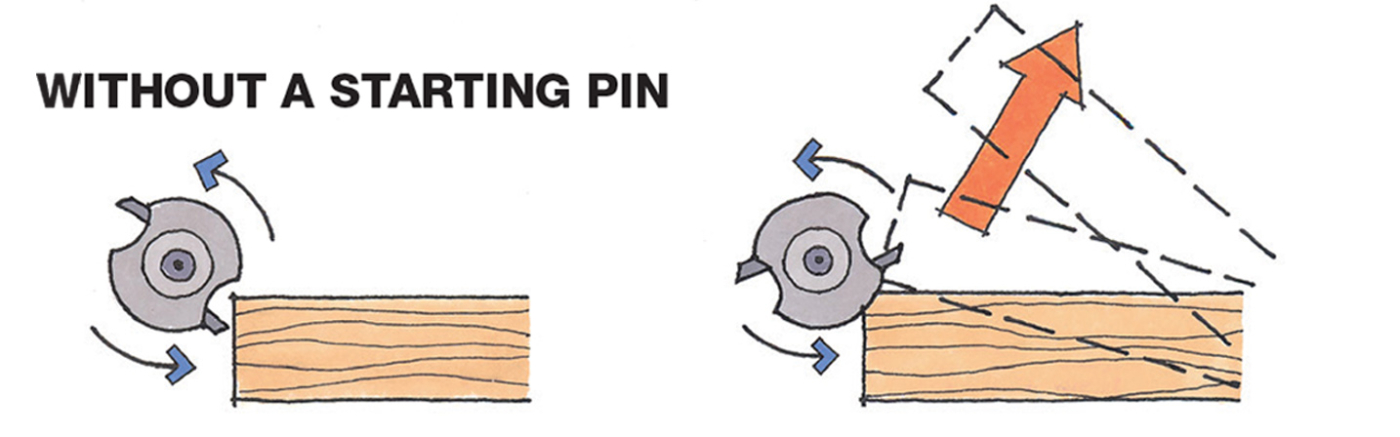
Turn on the router only when it is away from the wood. This avoids sudden cuts or kicks. Hold the router firmly before starting it.
After finishing your cut, turn off the router. Wait for the bit to stop spinning completely before setting the tool down. This prevents injury and damage.
- Check the router bit is tight before starting
- Keep the router base flat on the wood when starting
- Do not start the router while the bit touches the wood
- Allow the router to reach full speed before cutting
- Turn off the router before lifting it from the workpiece
- Wait for the bit to stop spinning before moving the router
Maintaining Steady Pressure
Push the router with steady, even pressure. Too much force can damage the wood or make the router slip. Too little force may cause rough cuts.
Keep your hands steady and guide the router along the path slowly. Let the bit do the cutting work. Control is key for clean, safe results.
- Hold the router firmly with both hands
- Move the router at a consistent speed
- Do not force the router into the wood
- Keep the base flat on the surface while cutting
- Adjust pressure if the router feels hard to control
Maintenance And Inspection
Keeping your wood router in good shape is important for safety. Regular maintenance helps the tool work well and lasts longer.
Inspecting your router before use can prevent accidents. Check parts carefully to find any problems early.
Regular Cleaning
Clean your wood router after each use. Dust and wood chips can build up and cause damage.
Use a brush or compressed air to remove debris from tight spaces. Avoid using water, which can cause rust.
- Remove dust from vents and motor housing
- Clean the base plate and fence
- Wipe down the power cord
- Keep the collet free of dirt
Checking For Damage
Look over your router for cracks or broken parts before use. Damaged parts can cause injury or poor cuts.
Check the power cord for cuts or frays. Make sure the switch works smoothly without sticking.
- Inspect the router bit for dullness or chips
- Check the collet for wear or looseness
- Test the motor for unusual sounds or smells
- Ensure all screws and bolts are tight
Emergency Preparedness
Working with a wood router requires safety and readiness for emergencies. Knowing how to act quickly can prevent injury and damage.
Being prepared means understanding common risks and having a plan to handle them safely. This guide focuses on bit jams and first aid tips.
Dealing With Bit Jams
A bit jam happens when the router bit gets stuck in the wood. This can cause the tool to kick back or stop suddenly.
- Turn off the router immediately to stop the motor.
- Unplug the router from the power source before trying to fix the jam.
- Use a wooden stick or a tool to gently free the bit; never use your hands.
- Check the bit for damage before restarting the router.
- Wear safety goggles and gloves during this process to protect yourself.
First Aid Tips
Accidents can happen even with careful use. Knowing basic first aid can reduce the severity of injuries.
| Injury | Immediate Action | When to Seek Help |
| Minor Cuts | Clean with water, apply pressure, and cover with a bandage. | If bleeding does not stop in 10 minutes. |
| Deep Cuts | Apply firm pressure and keep the wound elevated. | Always seek medical attention immediately. |
| Eye Injury | Rinse eye with clean water and avoid rubbing. | If pain or vision problems persist. |
| Burns | Cool the burn under running water for 10 minutes. | If the burn is large or blisters form. |
Credit: www.popularwoodworking.com
Frequently Asked Questions
What Safety Gear Should I Wear Using A Wood Router?
Always wear safety goggles, ear protection, and a dust mask. Gloves and tight-fitting clothes prevent accidents. Proper safety gear reduces injury risks and ensures a safer working environment when using a wood router.
How Do I Properly Secure Wood For Routing?
Clamp the wood firmly to your workbench. Ensure it cannot move during routing. A stable workpiece prevents slips and improves precision, enhancing both safety and quality of your work.
What Speed Settings Are Safe For Wood Routers?
Use slower speeds for harder woods and faster for softer ones. Adjust speed according to bit size and material. Proper speed settings prevent kickback and ensure smooth cuts.
How Can I Avoid Kickback When Using A Router?
Hold the router firmly with both hands. Move the router against the bit’s rotation direction. Avoid forcing the tool to reduce kickback risks and maintain control.
Conclusion
Using a wood router safely is crucial for any woodworking project. Always prioritize wearing protective gear, like goggles and gloves. Ensure your work area is clean and organized. Secure your materials firmly before starting. Follow the manufacturer’s instructions carefully. Regularly check and maintain your router for optimal performance.
Stay focused and avoid distractions to prevent accidents. Remember, practice builds confidence and skill. Safety should never be overlooked. With these tips, you’ll enjoy woodworking safely and effectively. Happy crafting!