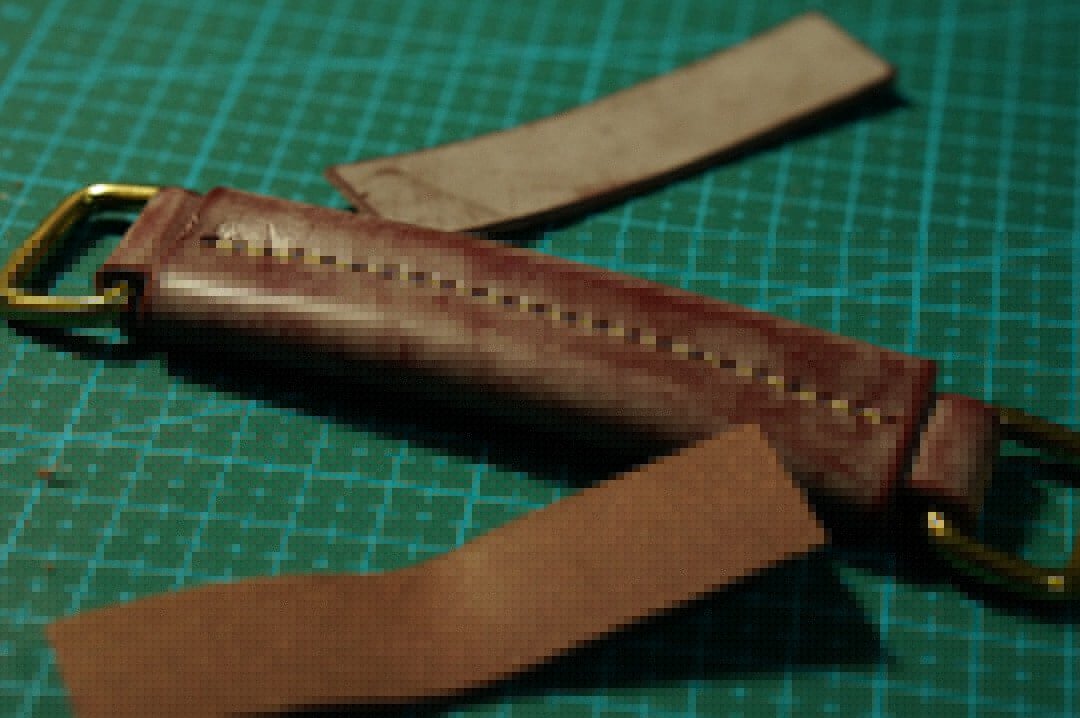
Are you tired of rough, uneven edges ruining the look of your woodworking projects? Using a belt sander for finishing edges can be a game-changer for your work.
It’s a powerful tool that helps you achieve smooth, clean lines quickly and with less effort. You’ll discover simple tips and tricks to master the belt sander, avoid common mistakes, and get professional-looking results every time. Keep reading, and you’ll soon feel confident transforming your edges from rough to refined.
Choosing The Right Belt Sander
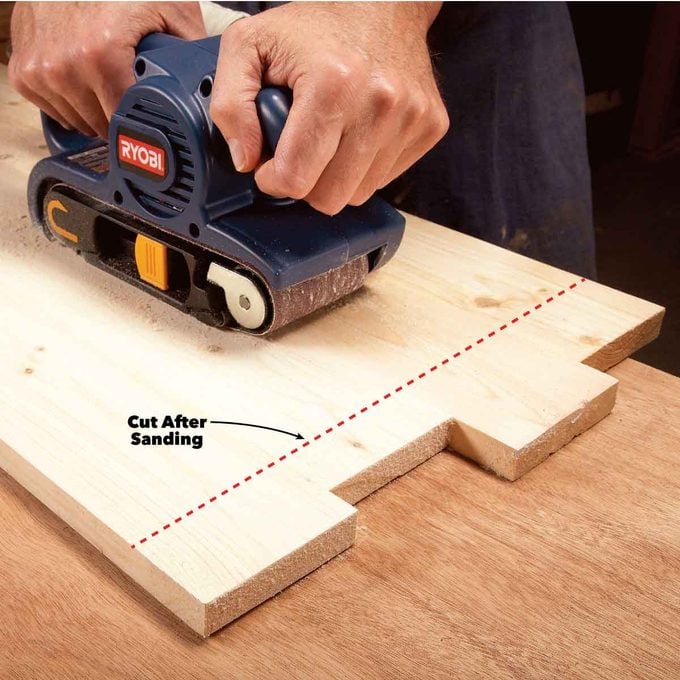
Using a belt sander helps smooth wood edges quickly. Picking the right sander makes the job easier and safer.
Different sanders work for different tasks. Knowing what to choose improves your finishing results.
Types Of Belt Sanders
There are several types of belt sanders. Each type fits certain edge finishing jobs better.
- Handheld Belt Sanders:Easy to control for small edges and corners.
- Stationary Belt Sanders:Fixed machines for large, flat edges and heavy work.
- Detail Belt Sanders:Small sanders for tight spaces and fine edges.
Choose a sander type based on the size and shape of your project edges.
Selecting Grit For Edges
Grit size controls how rough or smooth the sanding will be. The right grit helps finish edges neatly.
- Coarse Grit (40-60):Removes a lot of material fast but can leave scratches.
- Medium Grit (80-120):Good for smoothing edges after coarse sanding.
- Fine Grit (150-220):Best for final sanding to get a smooth finish.
Start with coarse grit for rough edges. Finish with fine grit for a clean look.
Safety Features To Look For
Safety is important when using belt sanders. Look for features that protect you during work.
- Automatic Belt Tracking:Keeps the belt centered to avoid slipping.
- Dust Collection Port:Helps remove dust and keeps the workspace clean.
- Lock-On Switch:Allows continuous sanding without holding the trigger.
- Ergonomic Handles:Provide a good grip and reduce hand fatigue.
Choose a belt sander with these features to work safely and comfortably.
Credit: www.familyhandyman.com
Preparing Your Workspace
Before using a belt sander to finish edges, it is important to set up your workspace properly. A clean and safe area helps you work better and avoid accidents.
Make sure you have enough space and the right conditions for sanding. This guide covers clearing the work area, lighting, ventilation, and safety gear.
Clearing And Securing The Work Area
Remove any items that could get in your way or cause a trip hazard. Keep cords and tools organized and off the floor.
- Clear the floor of clutter and debris
- Secure loose cables and cords
- Place tools and materials within easy reach
- Make sure the work surface is stable and clean
- Keep a fire extinguisher nearby in case of sparks
Proper Lighting And Ventilation
Good lighting helps you see edges clearly for smooth sanding. Proper airflow removes dust and keeps the air safe to breathe.
| Lighting Tips | Ventilation Tips |
| Use bright, even light | Open windows or doors |
| Avoid shadows on work area | Use fans to move air |
| Adjust light angle for best visibility | Consider a dust extractor if available |
Personal Protective Equipment
Wear protective gear to keep yourself safe from dust and flying debris while sanding.
- Safety glasses or goggles to protect your eyes
- Dust mask or respirator to avoid inhaling particles
- Hearing protection such as earplugs or earmuffs
- Gloves to protect your hands from rough edges
- Wear close-fitting clothing to avoid loose fabric near the sander
Techniques For Smooth Edges
Using a belt sander to finish edges needs care and skill. Smooth edges improve the look and feel of wood projects.
Following the right techniques helps avoid damage and gives clean results. Focus on how you handle the sander, pressure, and angle.
Correct Belt Sander Handling
Hold the belt sander firmly with both hands. Keep it steady to avoid uneven sanding. Move the sander along the edge in slow, even strokes.
- Start sanding away from the edge and move towards it
- Keep the sander flat against the surface
- Do not press too hard or let the sander tilt
- Turn off the sander before lifting it from the wood
Maintaining Consistent Pressure
Apply steady and even pressure on the belt sander. Too much force can cause gouges and uneven edges. Too little pressure slows the work and may not smooth the edges well.
| Pressure Level | Effect on Edges | Recommended Use |
|---|---|---|
| Light Pressure | Slow sanding, smooth finish | Final smoothing pass |
| Medium Pressure | Even material removal | Main sanding work |
| Heavy Pressure | Risk of gouges and uneven edges | Avoid except for rough shaping |
Angle Adjustments For Different Edges
Change the sander’s angle based on the edge shape. Flat edges need the sander held flat. Rounded or beveled edges need a slight tilt.
- Flat edges: Hold sander flat and move evenly
- Rounded edges: Tilt sander slightly to follow curve
- Beveled edges: Adjust angle to match bevel slope
- Test angles on scrap wood before sanding final piece
Preventing Common Mistakes
Using a belt sander can speed up edge finishing on wood pieces. But it is easy to make mistakes that ruin your work. Knowing what to avoid will help you get smooth, clean edges.
This guide covers common problems and how to prevent them when sanding edges with a belt sander.
Avoiding Over-sanding
Over-sanding removes too much wood and changes the shape of your edges. This can weaken the piece or make it look uneven.
- Check your work often by stopping and looking at the edge.
- Use light pressure to avoid removing too much material.
- Move the sander steadily without staying too long in one spot.
- Start with coarse grit and finish with fine grit sandpaper.
- Mark the edge with a pencil to see how much wood is left.
Minimizing Edge Rounding
Edge rounding happens when the sander’s belt curves the edges too much. This can change the design and fit of your piece.
| Cause | How to Avoid |
|---|---|
| Pressing too hard | Use gentle pressure and let the sander do the work |
| Holding sander at an angle | Keep the sander flat and parallel to the edge |
| Using coarse grit for finishing | Switch to finer grit sandpaper for final passes |
| Not moving sander evenly | Keep the sander moving smoothly along the edge |
Handling Heat Build-up
Heat from friction can burn the wood or damage the sandpaper. This causes marks and shortens the life of your tools.
- Do not press hard; light pressure reduces heat.
- Keep the sander moving to avoid staying in one place.
- Use fresh sandpaper to cut better and stay cooler.
- Take breaks if you feel the sander or wood getting hot.
- Ensure proper sanding belt tension and alignment.
Finishing Touches
Using a belt sander helps smooth rough edges on wood or other materials. It is important to focus on the final details to get a clean look.
Careful finishing makes your work look professional and lasts longer. Small steps can improve your edges a lot.
Using Fine Grit For Polishing
After the rough sanding, switch to fine grit sandpaper. This helps polish the edges and removes scratches left by coarse grit.
Use a gentle touch and move the sander evenly along the edge. This smooths the surface and prepares it for finishing.
Cleaning And Inspecting Edges
Clean the edges with a soft brush or cloth. Remove dust and small particles that can affect the finish.
Look closely for rough spots or uneven areas. Sand these spots again to keep the edge smooth and even.
Applying Protective Coatings
Protective coatings keep the edges safe from damage and moisture. Choose a coating that matches your material.
Apply the coating evenly using a brush or cloth. Let it dry fully before handling the edges.

Credit: www.amazon.com
Maintenance Tips For Belt Sanders
Keeping your belt sander in good condition helps it work better and last longer. Regular care stops problems before they start.
Focus on simple tasks like checking the belt, cleaning dust, and storing the tool properly. These steps save time and money.
Replacing And Aligning Belts
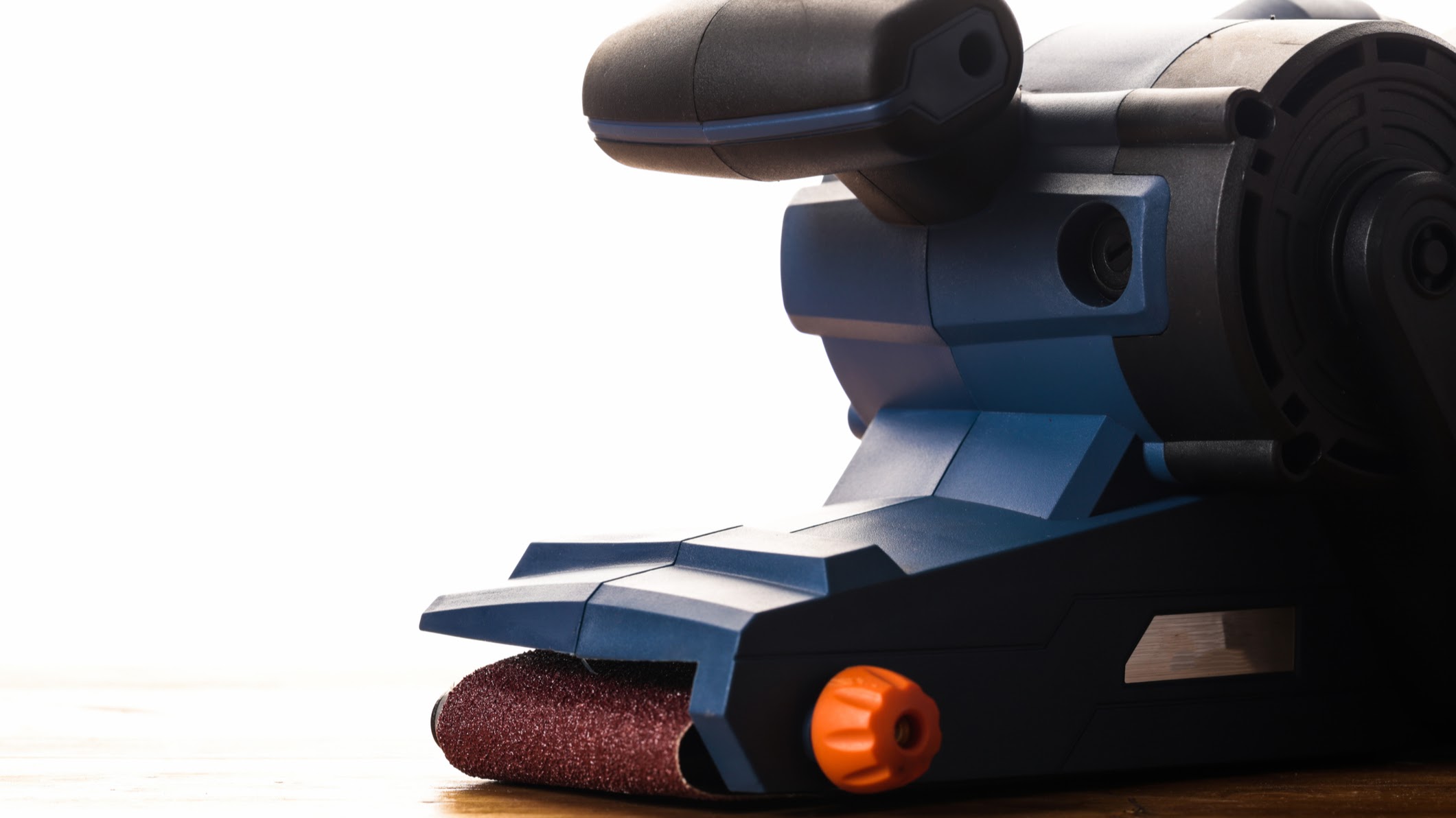
Change the sanding belt if it looks worn or tears. A loose or misaligned belt can cause poor sanding and damage the sander.
- Turn off and unplug the sander before replacing the belt.
- Release the tension lever to remove the old belt.
- Place the new belt in the correct direction, following arrows on the belt.
- Pull the tension lever back to tighten the belt.
- Check the belt’s alignment by turning the sander on briefly. Adjust if it drifts to one side.
Cleaning Dust And Debris
Dust and debris can build up inside the sander and cause it to overheat or wear out faster. Clean it often to keep it safe.
| Part | Cleaning Tip |
| Dust Bag or Canister | Empty after every use to keep airflow clear. |
| Belt Area | Use a brush or compressed air to remove dust and scraps. |
| Motor Vents | Blow out dust to prevent overheating. |
| Rollers | Wipe clean to avoid belt slippage. |
Regular Inspection And Storage
Check your belt sander often for loose parts or damage. Proper storage keeps it safe from dust and moisture.
- Inspect screws and bolts; tighten if loose.
- Look for cracks or worn parts on the sander body.
- Store in a dry place away from extreme temperatures.
- Cover the sander to protect from dust when not in use.
Credit: www.homebuilding.co.uk
Frequently Asked Questions
What Is The Best Grit For Finishing Edges With A Belt Sander?
Use 120 to 220 grit sandpaper for finishing edges. Coarser grits remove material faster but can leave scratches. Finer grits create a smooth, polished edge, ideal for final touches.
How Do I Avoid Gouging Edges With A Belt Sander?
Hold the sander firmly and move it steadily along edges. Avoid pressing too hard or staying in one spot. Use light, even pressure for a smooth finish without gouges.
Can A Belt Sander Be Used On All Wood Types?
Yes, a belt sander works on most wood types. Softer woods require lighter pressure to prevent damage. Hardwoods need slower, controlled sanding for best edge finishing results.
Should I Sand Edges Wet Or Dry With A Belt Sander?
Always sand edges dry when using a belt sander. Wet sanding can damage the sander’s motor and belt. Dry sanding ensures better control and prevents clogging of the sanding belt.
Conclusion
A belt sander makes finishing edges simple and efficient. It saves time and effort. With practice, your results improve. Always use safety gear for protection. Choose the right grit for smooth finishes. Maintain your tool for long-lasting performance. Edge finishing becomes a breeze with the right technique.
A little patience goes a long way. Enjoy the satisfaction of a job well done. Your projects will look polished and professional. Embrace the ease of using a belt sander. Happy sanding!