When it comes to woodworking, having the right tools makes all the difference. One tool you simply can’t skip is the carpenter square.
But with so many types and styles out there, how do you know which one fits your needs? Choosing the right carpenter square will save you time, improve your accuracy, and make your projects easier. You’ll discover exactly what to look for so you can pick the perfect square for your work.
Keep reading, and you’ll never have to second-guess your measurements again.

Credit: trigjig.co.uk
Types Of Carpenter Squares
Carpenter squares help measure and mark right angles. Each type has a special use in woodworking and construction.
Choosing the right square makes your work easier and more accurate. Learn about the main types below.
Try Squares
Try squares are simple and easy to use. They check if surfaces are square or flat.
They have a wooden or metal handle attached to a steel blade. This makes them strong and reliable.
- Used for marking and checking right angles
- Good for small woodworking projects
- Easy to carry and simple to use
Combination Squares
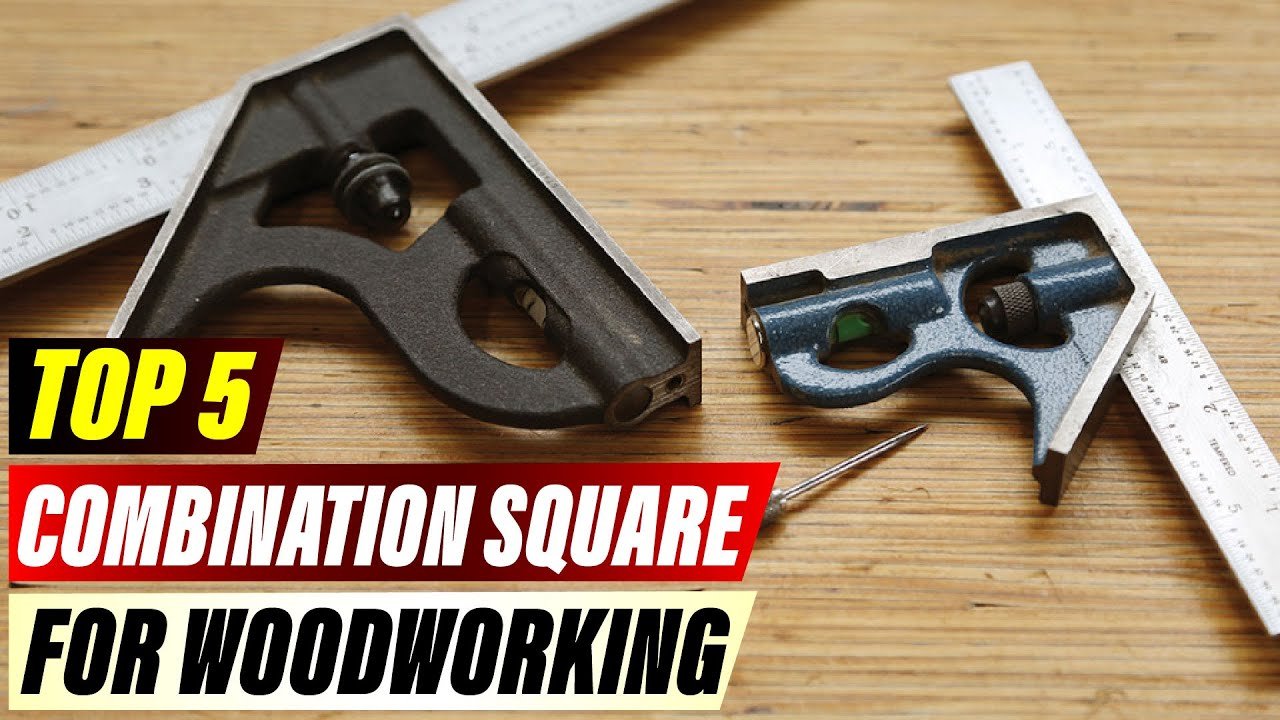
Combination squares have a ruler and an adjustable head. You can measure angles and depths with them.
They are versatile tools. You can use them for marking 90 and 45 degrees, measuring, and checking levels.
- Adjustable ruler for different measurements
- Includes a spirit level for checking flatness
- Used in metalworking and woodworking
Speed Squares
Speed squares are triangular and easy to use on the job site. They help mark angles quickly.
They often have degree markings for common angles. Builders use them for roof pitches and framing layouts.
- Lightweight and portable
- Marks 90 and 45-degree angles fast
- Can be used as a saw guide
Framing Squares
Framing squares are large and L-shaped. Carpenters use them for framing walls and roofs.
They measure long lengths and help with complex angle layouts. They have many measurement markings.
- Used for laying out rafters and stairs
- Has ruler markings on both arms
- Strong and durable for heavy use
Key Features To Consider
Choosing the right carpenter square helps you measure and mark wood accurately. It is an essential tool for any woodworking project.
Look for features that match your needs. This guide covers four key areas to help you pick the best square.
Material And Durability
Carpenter squares come in different materials like steel, aluminum, and plastic. Steel squares last longer and resist bending. Aluminum is lighter but still strong. Plastic squares are cheaper but can break easily.
Measurement Accuracy
Accuracy is key for precise cuts and angles. Look for clear markings that do not fade. Some squares have etched or engraved measurements to last longer. Check if the square has both metric and imperial units for versatility.
Size And Portability
- Smaller squares are easy to carry and store.
- Larger squares help with bigger projects.
- Choose a size that fits your typical woodworking tasks.
- Some squares fold for easier transport.
Ease Of Use
| Feature | Benefit |
| Non-slip edges | Stay steady while marking |
| Lightweight design | Reduce hand fatigue |
| Clear markings | Quick and easy reading |
| Right angle precision | Accurate square corners |
Matching Squares To Projects
Choosing the right carpenter square helps you measure and mark accurately. Different projects need different squares.
Use a square that fits the material and type of work. This makes your work easier and more precise.
Woodworking And Joinery
Woodworking often needs precise angles and straight edges. A combination square works well for marking 90 and 45 degrees.
Try a try square for checking corners and a speed square for quick angle measurements. These squares fit most wood projects.
- Combination square for marking and measuring
- Try square for checking right angles
- Speed square for fast angle marks
Framing And Construction
Framing needs strong and large squares to measure big lumber pieces. A framing square is perfect for this work.
Use a framing square to check corners, mark cut lines, and measure angles on beams and studs. It helps with roof layouts too.
- Framing square for large wood pieces
- Helps mark rafters and stairs
- Strong and easy to read
Metalworking Applications
Metalworking needs squares made of sturdy metal. A machinist square is best for precise right angles on metal parts.
Use a combination square with a steel blade for measuring and marking metal sheets. Accuracy is key in metal projects.
- Machinist square for exact 90° checks
- Combination square with metal blade
- Durable for tough metal surfaces
Diy And Home Repairs
For small home projects, a simple speed square or combination square works well. They are easy to carry and use.
These squares help with furniture fixes, shelves, and simple carpentry. Choose a lightweight, versatile square for convenience.
- Speed square for quick measurements
- Combination square for multiple uses
- Lightweight and portable

Credit: www.amazon.ca
Tips For Maintaining Your Square
Keeping your carpenter square in good shape helps you get accurate measurements. Regular care can make your tool last longer.
Here are some important tips to keep your square clean, calibrated, and damage-free.
Cleaning And Storage
Clean your square after every use. Dirt and dust can affect its accuracy. Store it in a dry place to avoid rust and damage.
- Wipe the square with a dry cloth.
- Use mild soap and water for stubborn dirt.
- Dry completely before storing.
- Keep it in a tool box or hang it on a pegboard.
- Avoid leaving it in damp or hot places.
Calibration Checks
Check your square’s accuracy regularly. Calibration ensures your measurements are right. Use a flat surface and a known straight edge to test.
- Place the square on a flat surface.
- Align the blade with the straight edge.
- Look for gaps or misalignment.
- If needed, adjust the blade or replace the square.
Avoiding Common Damages
Prevent damage by handling your square carefully. Avoid dropping or bending it. Keep it away from chemicals and harsh impacts.
| Damage Type | Cause | Prevention |
| Bent Blade | Dropping or heavy pressure | Handle gently and store properly |
| Rust | Moisture exposure | Keep dry and oil lightly |
| Scratches | Contact with rough surfaces | Use protective covers or cases |
Budgeting For Quality
Choosing the right carpenter square means thinking about your budget. Spending wisely helps you get a good tool that lasts.
Buying cheap tools may save money at first. But quality tools give better results and last longer.
Affordable Vs Professional Tools
Affordable carpenter squares cost less but may lack accuracy and durability. They are good for small or occasional jobs.
Professional tools cost more but offer precision and strength. They suit regular use and tough projects.
- Affordable tools may have plastic parts
- Professional tools often use steel or aluminum
- Cheap tools can wear out quickly
- High-quality tools keep their shape
Long-term Investment Benefits
Investing in a quality carpenter square saves money over time. It reduces the need to replace broken or worn tools.
Good tools improve your work speed and accuracy. This leads to better projects and less waste.
- Durable tools last many years
- Accurate tools reduce mistakes
- Good tools increase work confidence
- Less frequent replacement lowers costs
Credit: www.jlconline.com
Frequently Asked Questions
What Is The Best Carpenter Square For Beginners?
The best carpenter square for beginners is lightweight and easy to read. Look for clear markings and durable material. A speed square is ideal for quick measurements and basic tasks. It helps beginners learn angles and straight cuts efficiently.
How To Choose A Carpenter Square For Precise Measurements?
Choose a carpenter square with clear, laser-etched markings. Opt for stainless steel for durability and accuracy. Ensure it has a rigid blade to prevent bending. Precision tools improve cutting and layout accuracy in woodworking projects.
What Types Of Carpenter Squares Are Commonly Used?
Common types include the speed square, framing square, and combination square. Each serves different purposes like marking angles, checking corners, or measuring. Select based on your project needs for better results and ease of use.
Why Is Material Important In A Carpenter Square?
Material affects durability, accuracy, and weight. Stainless steel resists rust and stays precise longer. Aluminum is lightweight but may bend easily. Choose a material that matches your work environment and usage frequency.
Conclusion
Choosing the right carpenter square matters for your projects. It ensures accuracy. Consider size, material, and features. Think about your specific needs. A durable square saves time and effort. Avoid cheap options that may break easily. Invest in quality for long-term benefits.
Read reviews from other users. Their experiences can guide your choice. Remember, a good carpenter square is a valuable tool. It can make your work easier and more precise. Take your time to choose wisely. Your projects deserve the best.