When you’re working on a woodworking project, keeping your pieces steady is key to getting clean, precise results. If your wood shifts or slips, even the best cuts and glue won’t hold up.
That’s where clamps come in. Using clamps to hold wood securely can make your work easier, safer, and more professional. You’ll discover simple tips and tricks to choose the right clamps and use them effectively. By the end, you’ll feel confident that your wood will stay exactly where you want it—every time.
Keep reading to learn how to take control of your woodworking projects like a pro.

Credit: www.amazon.com
Types Of Wood Clamps
Wood clamps help hold pieces of wood in place while you work. They keep wood steady for cutting, gluing, or assembling.
There are different types of clamps made for various tasks. Knowing the types helps you pick the right one for your project.
Bar Clamps
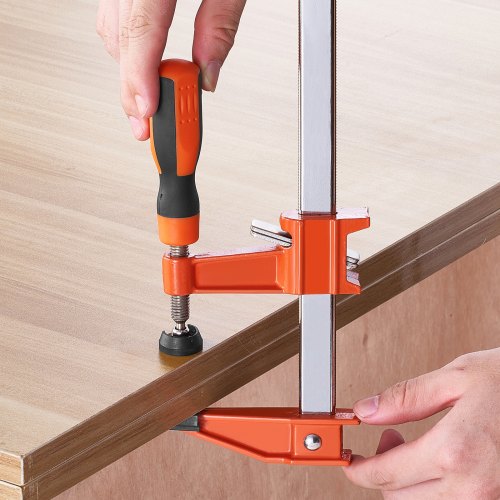
Bar clamps have a long metal bar with adjustable jaws. You slide the jaws along the bar to fit your wood size.
They hold wood firmly and work well for larger projects. Bar clamps are easy to tighten and release.
C-clamps
C-clamps look like the letter C. They have a screw that you turn to tighten the clamp.
These clamps are strong and good for small to medium wood pieces. They work well for detailed or tight spaces.
Spring Clamps
Spring clamps use a spring to hold the jaws closed. You squeeze the handles to open them.
They are light and easy to use for quick jobs. Spring clamps work best for holding light wood or parts temporarily.
- Quick to apply and remove
- Good for small projects
- Not for heavy pressure
Pipe Clamps
Pipe clamps use a long pipe as the bar. You can adjust the length by changing the pipe size.
They offer strong pressure and are good for wide wood pieces. Pipe clamps are often used in woodworking shops.
Choosing The Right Clamp
Using clamps helps hold wood tightly while you work. Picking the right clamp makes your project easier and safer.
Different clamps fit different wood types and tasks. Learn how to choose the best clamp for your needs.
Material And Size Considerations
Clamps come in many materials like steel, plastic, and wood. Choose a clamp material that fits your project strength needs.
Size matters. Bigger clamps hold larger wood pieces. Smaller clamps work well for delicate or detailed wood.
- Steel clamps are strong and durable
- Plastic clamps are lightweight and easy to handle
- Wood clamps protect soft wood from damage
- Match clamp size to the wood piece size
Clamp Strength And Pressure
Clamps apply pressure to hold wood firm. Choose clamps that offer the right pressure for your wood type.
Too much pressure can damage wood. Too little pressure can cause slipping. Balance is key for good results.
- Use heavy-duty clamps for hardwoods
- Light pressure works best on softwoods
- Adjust pressure slowly to avoid marks
Specialized Clamps For Unique Projects
Some projects need special clamps. These clamps fit odd shapes or hold wood at angles.
Special clamps help with curves, corners, or delicate parts. Pick one that matches your project shape.
- C-Clamps hold wood tightly in small spaces
- Pipe clamps adjust to different lengths
- Corner clamps keep angles steady
- Spring clamps are quick and easy for light tasks
Preparing Wood For Clamping
Clamping wood securely is key to strong joints and smooth finishes. Preparing the wood before clamping helps avoid damage and ensures a tight hold.
Start by cleaning the wood surface and protecting it from clamp marks. Then align the pieces carefully for the best results.
Surface Cleaning
Remove dust, dirt, and grease from the wood surface before clamping. Clean surfaces help the clamps hold better and prevent marks.
- Use a soft brush to clear dust and debris.
- Wipe with a damp cloth to remove sticky residue.
- Allow the wood to dry completely before clamping.
Protecting Wood From Clamp Marks
Clamp marks can damage wood surfaces. Use padding to protect your wood while keeping a firm grip.
| Padding Material | Purpose |
| Scrap wood pieces | Distributes pressure evenly |
| Felt or cloth | Prevents surface scratches |
| Rubber pads | Reduces slipping and dents |
Aligning Pieces Correctly
Proper alignment ensures your wood pieces fit tightly and look professional. Check joints before applying full clamp pressure.
- Place the pieces together on a flat surface.
- Adjust edges and corners so they match exactly.
- Use clamps lightly to hold pieces and check alignment again.
- Tighten clamps gradually to avoid shifting.

Credit: www.familyhandyman.com
Techniques For Secure Clamping
Clamping wood securely is essential for woodworking projects. It keeps pieces steady and aligned during glue-ups or cuts.
Using the right techniques ensures your clamps hold wood without damage or slipping. This guide covers key methods to improve clamping.
Even Pressure Distribution
Applying even pressure across the wood surface prevents warping and gaps in joints. Uneven clamping can cause weak bonds and damage.
- Place clamps at equal distances along the wood.
- Tighten clamps slowly and evenly.
- Use multiple clamps for longer pieces.
- Check pressure by tapping the wood to feel uniform firmness.
Avoiding Over-tightening
Over-tightening clamps can crush wood fibers and leave marks. It also stresses the clamps and may break them.
| Over-tightening Effects | What Happens |
| Wood damage | Indentations and crushed fibers |
| Glue squeeze out | Weak joints from too much glue loss |
| Clamp stress | Possible clamp breakage or loss of grip |
| Misalignment | Warping or bending of wood pieces |
Using Cauls For Better Grip
Cauls are scrap wood strips placed between clamps and the workpiece. They spread pressure and improve grip.
Benefits of using cauls:
- Protect wood surface from clamp marks
- Distribute clamping force evenly
- Help keep wood flat during drying
- Allow tighter clamping without damage
Common Clamping Mistakes
Using clamps to hold wood is common in woodworking. But many make mistakes that can damage the wood or weaken the hold.
Knowing what to avoid helps keep your wood secure and your project strong. Below are some common clamping errors to watch for.
Uneven Pressure
Applying uneven pressure with clamps can cause wood to bend or crack. It may also lead to weak joints that fail later.
- Check that clamps are tightened evenly on all sides.
- Use a scrap piece of wood between clamp and workpiece to spread pressure.
- Adjust clamps gradually, not all at once.
- Keep an eye on the wood’s shape as you clamp.
Wrong Clamp Selection
Choosing the wrong clamp can make your work harder or damage your wood. Different clamps suit different jobs and wood types.
| Clamp Type | Best Use | Common Mistake |
| C-Bar Clamp | Flat panels and frames | Too small for thick wood |
| Spring Clamp | Quick holds on small pieces | Not strong enough for heavy pressure |
| Pipe Clamp | Large projects and heavy wood | Using too few clamps for size |
| F-Clamp | General use, medium pressure | Over-tightening causing dents |
Ignoring Wood Movement
Wood expands and contracts with moisture. Ignoring this can cause cracks or joint failures after clamping.
Tips to allow wood movement:
- Do not clamp wood too tightly to prevent crushing fibers.
- Leave small gaps if the wood will be exposed to humidity changes.
- Use glue that allows some flexibility.
- Consider the direction of the wood grain when clamping.
Maintaining Clamps For Longevity
Clamps are essential tools for holding wood securely during projects. Proper care helps them last longer and work better.
Regular maintenance prevents damage and keeps clamps in good condition. This guide covers cleaning, storage, and inspection tips.
Cleaning And Lubrication
Cleaning clamps removes dirt, dust, and glue that reduce their effectiveness. Lubrication keeps moving parts smooth and easy to use.
- Wipe clamps with a clean cloth after each use.
- Use mild soap and water for sticky residue.
- Dry clamps completely to avoid rust.
- Apply light machine oil to screw threads and sliding bars.
- Do not over-lubricate, which can attract dirt.
Storage Tips
Proper storage protects clamps from damage and rust. Keep them organized and dry in your workshop.
| Storage Method | Benefit |
|---|---|
| Hang on wall racks | Prevents bending and saves space |
| Store in dry areas | Reduces rust and corrosion |
| Use protective covers | Keeps dust and debris off clamps |
| Separate large and small clamps | Makes finding the right clamp easier |
Regular Inspection
Inspect clamps often to catch problems early. Look for wear, damage, and loose parts before each project.
- Check screw threads for stripping or damage.
- Make sure jaws align correctly and close fully.
- Test springs and handles for proper tension.
- Replace worn pads to protect wood surfaces.
- Tighten loose bolts and screws as needed.
Credit: www.vevor.com
Frequently Asked Questions
What Types Of Clamps Work Best For Holding Wood?
Bar clamps and C-clamps are ideal for securely holding wood. They offer strong grip and adjustability. Choose based on wood size and project needs for best results.
How Do Clamps Prevent Wood From Slipping During Work?
Clamps apply consistent pressure, securing wood firmly. This prevents movement and slipping while cutting, gluing, or sanding. Proper clamp placement ensures stability.
Can Clamps Damage Wood Surfaces? How To Avoid It?
Clamps can dent or mark wood if over-tightened. Use protective pads or scrap wood between clamp and surface to avoid damage. Tighten clamps just enough to hold wood securely.
When Should You Use Multiple Clamps On Wood?
Use multiple clamps for large or irregular wood pieces. They distribute pressure evenly and prevent warping. Multiple clamps enhance stability during glue drying or assembly.
Conclusion
Clamps are essential for wood projects. They provide stability and safety. Using clamps prevents movement while working. This ensures precise cuts and joins. Different clamps suit various tasks. Choose the right type for your project. Bar clamps, C-clamps, and pipe clamps each have unique uses.
Proper clamp use improves your woodworking results. Always check the clamp’s grip. Adjust as needed for a secure hold. Practice using clamps for best outcomes. Your woodworking skills will grow with experience. Enjoy creating sturdy, beautiful wood pieces. Happy woodworking!