Have you ever admired a beautifully carved wooden piece and wished you could create something just as detailed? Carving fine details in wood might seem tricky at first, but with the right techniques and tools, you can bring your ideas to life with precision and skill.
You’ll discover simple steps that will help you master the art of detailed wood carving. Whether you’re a beginner or looking to sharpen your skills, these tips will guide you to create stunning, intricate designs that impress every time. Keep reading, and get ready to transform your woodwork into a true masterpiece.
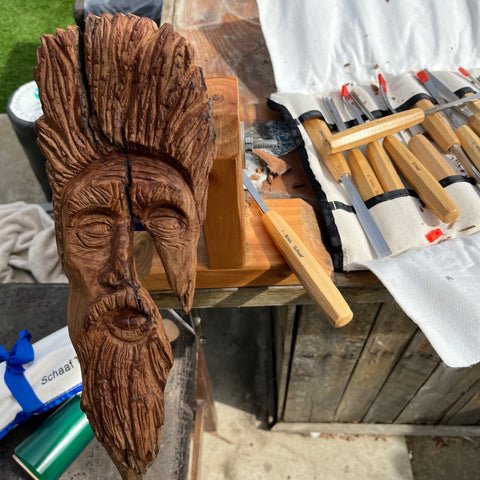
Essential Tools For Detail Carving
Carving fine details in wood requires the right tools. These tools help you create clean, sharp lines and smooth curves.
Using quality carving tools makes your work easier and more precise. Choose tools that fit your style and project needs.
Choosing The Right Carving Knives
Carving knives come in many shapes and sizes. Pick a knife with a sharp, narrow blade for fine details.
Handle comfort is important for long work sessions. A good grip keeps your hand steady and reduces fatigue.
- Detail knives have pointed tips for small cuts
- Straight blades help with smooth slicing
- Curved blades are good for shaping curves
- Choose wooden or rubber handles for comfort
Using Gouges And V-tools
Gouges and V-tools help carve shapes and grooves. They come in different sizes and angles for varied effects.
Gouges have curved blades for scooping wood. V-tools have V-shaped blades for sharp lines and textures.
- Small gouges work well for rounded details
- Large gouges remove more wood quickly
- V-tools create crisp, clean cuts
- Use both to add depth and texture
Sharpening Tools For Precision
Sharp tools make carving easier and safer. Dull blades can slip and ruin your work.
Use sharpening stones or strops to keep edges fine. Regular sharpening keeps your tools ready for detail work.
- Use fine-grit stones for smooth edges
- Sharpen at the correct blade angle
- Strop blades to polish and remove burrs
- Test sharpness on scrap wood before carving

Credit: www.woodcraft.com
Selecting Wood For Fine Carving
Choosing the right wood is key for fine carving projects. The wood must be easy to shape and hold small details well.
Some woods are better for detailed work because they have fine grains and few defects. This helps your carving look clean.
Best Wood Types For Detail Work
Softwoods can be too soft or rough for fine details. Hardwoods with tight grains work better for precise carving.
- Basswood: Soft, smooth, and easy to carve
- Butternut: Light and soft with straight grain
- Cherry: Hard, fine grain, holds details well
- Maple: Dense and smooth, good for sharp cuts
- Walnut: Strong, dark, with fine texture
Preparing Wood Surface
Start by sanding the wood to remove rough spots. A smooth surface helps you carve fine lines easily.
Remove any dirt or dust before carving. Clean wood lets your tools move smoothly and prevents slips.
- Sand with fine-grit paper (180 to 220 grit)
- Wipe with a damp cloth to remove dust
- Check for knots or rough patches and smooth them
Avoiding Common Wood Defects
Defects like knots, cracks, and uneven grain make carving hard. They cause tool slips and break your design.
Pick wood pieces that are straight and free of flaws. This helps keep your carving clean and detailed.
- Avoid wood with large knots or holes
- Check for cracks or splits before buying
- Look for tight, even grain patterns
- Choose wood dried properly to prevent warping
Techniques For Precision Carving
Carving fine details in wood needs careful skill and the right methods. Small mistakes can change the whole design.
Using good techniques helps you make clean, sharp details. Practice and patience improve your carving work.
Controlling Depth And Pressure
Keep control over how deep your tool cuts into the wood. Too much pressure can break the wood or ruin the detail.
Use light, steady pressure for small details. Press harder only for bigger cuts or shaping.
- Hold tools firmly but not too tight
- Cut slowly to avoid slipping
- Check depth often with your eyes or a small ruler
- Practice on scrap wood to feel the right pressure
Using Templates And Patterns
Templates help you keep your design clear and consistent. They guide your carving shape and size.
Trace patterns onto wood before carving. This step saves time and reduces mistakes.
- Draw or print a pattern on paper
- Attach paper to wood with tape or glue
- Use a pencil or fine marker to transfer design
- Follow lines carefully with your carving tools
Layering And Texturing Methods
Build your design in layers for better detail. Start with large shapes, then add small textures.
Use different tools to create textures like lines, dots, or rough surfaces. Textures make your carving look real.
- Remove large wood parts first
- Add mid-level shapes next
- Finish with fine details and textures
- Try tools like veiners, gouges, and knives for different effects
Maintaining Safety While Carving
Carving fine details in wood can be rewarding and fun. Staying safe is very important to avoid accidents. This guide covers key safety tips for your carving work.
Using proper techniques and tools helps keep your hands and eyes protected. Always focus on safety to enjoy carving without injuries.
Proper Hand Positioning
Keep your hands steady and away from the blade’s path. Hold the wood firmly but comfortably. Use your fingers to guide the tool, not to block it.
- Hold the carving tool with a firm grip.
- Place your free hand behind the blade edge.
- Carve away from your body and fingers.
- Use a carving glove on the hand holding the wood.
- Rest your hands on a stable surface to reduce slips.
Using Protective Gear
Protective gear prevents injuries from sharp tools and wood chips. Always wear safety equipment before carving.
| Protective Gear | Purpose |
| Safety Glasses | Protect eyes from flying wood chips |
| Carving Gloves | Shield hands from cuts |
| Dust Mask | Prevent inhaling wood dust |
| Apron | Keep clothes clean and add an extra layer |
Safe Tool Handling Practices
Handle your carving tools with care to avoid accidents. Keep tools sharp and clean for better control.
Follow these safe tool handling tips:
- Always cut away from your body.
- Keep your tools sharp to reduce slipping.
- Store tools safely when not in use.
- Use the right tool for each carving task.
- Do not rush; take your time with each cut.
Finishing Touches To Enhance Details
Carving fine details in wood takes patience and skill. The finishing touches bring out the best in your work. These steps help your carving look clear and beautiful.
Careful finishing protects the wood and highlights the shapes you carved. Follow these tips to improve your wood carving’s final look.
Sanding And Smoothing
Sanding removes rough edges and smooths the wood surface. Use fine-grit sandpaper to keep details sharp. Sand gently to avoid removing too much wood.
Use small tools or sanding sticks for tight areas. This keeps the fine lines clear and neat. Clean the dust off after sanding for a clean finish.
- Start with 220-grit sandpaper for general smoothing
- Use 320-grit or higher for delicate details
- Sand with the grain to avoid scratches
- Use soft brushes or cloth to clear dust
Applying Stains And Sealants
Stains add color and bring out the wood grain. Choose a stain that matches your desired look. Apply it lightly to avoid covering details.
Sealants protect your carving from dirt and moisture. Use clear finishes like varnish or polyurethane. Apply thin coats to keep the fine work visible.
- Test stain on scrap wood first
- Apply stain with a soft brush or cloth
- Use clear sealant to protect without hiding details
- Allow each coat to dry fully before next
Highlighting Carved Features
Highlight key features to make your carving stand out. Use light washes or dry brushing to add contrast. This shows the depth and texture clearly.
Adding a slight dark color in the recesses helps details pop. Be careful not to cover the raised areas. Use a fine brush for accuracy.
- Use thin paint washes for subtle shading
- Dry brush raised areas with lighter color
- Apply darker color in deep cuts
- Keep highlights soft for natural look

Credit: www.msn.com

Credit: www.youtube.com
Frequently Asked Questions
What Tools Are Best For Carving Fine Wood Details?
Fine carving requires sharp, small tools like chisels, gouges, and knives. High-quality, precise tools help achieve smooth, intricate designs with better control and accuracy.
How Do I Prepare Wood For Detailed Carving?
Start with smooth, clean, and dry wood. Sand the surface lightly to remove rough spots. Choose softwoods like basswood for easier detail work.
What Techniques Improve Precision In Wood Carving?
Use steady hand movements and work slowly. Employ magnification tools if needed. Practice fine motor skills and maintain sharp tools for cleaner cuts.
How Can I Avoid Wood Splitting During Detailed Carving?
Carve along the wood grain and avoid forcing tools. Use sharp blades to reduce pressure. Work in small, controlled steps to prevent cracks.
Conclusion
Carving fine details in wood requires patience and practice. Start with simple designs. Gradually, try more complex patterns. Use quality tools for precise cuts. Keep them sharp for best results. Safety should always come first. Wear protective gear to prevent injuries.
Regularly clean your workspace to avoid clutter. Mistakes are part of the learning process. Learn from them and improve. Enjoy the satisfaction of creating detailed wood art. Let your creativity guide your hands. With time, you will see progress. Keep carving and enjoy the journey.