
When you’re working on a project that demands perfect cuts, even a tiny mistake can ruin hours of effort. What if there was a simple tool that could help you make precise cuts every single time?
Using jigs for precision cuts is the secret that many professionals and hobbyists swear by. Imagine cutting your materials quickly, confidently, and without second-guessing your measurements. You’ll discover how jigs can transform your work, save you time, and boost your accuracy.
Keep reading to unlock the tips and tricks that will take your cutting skills to the next level.
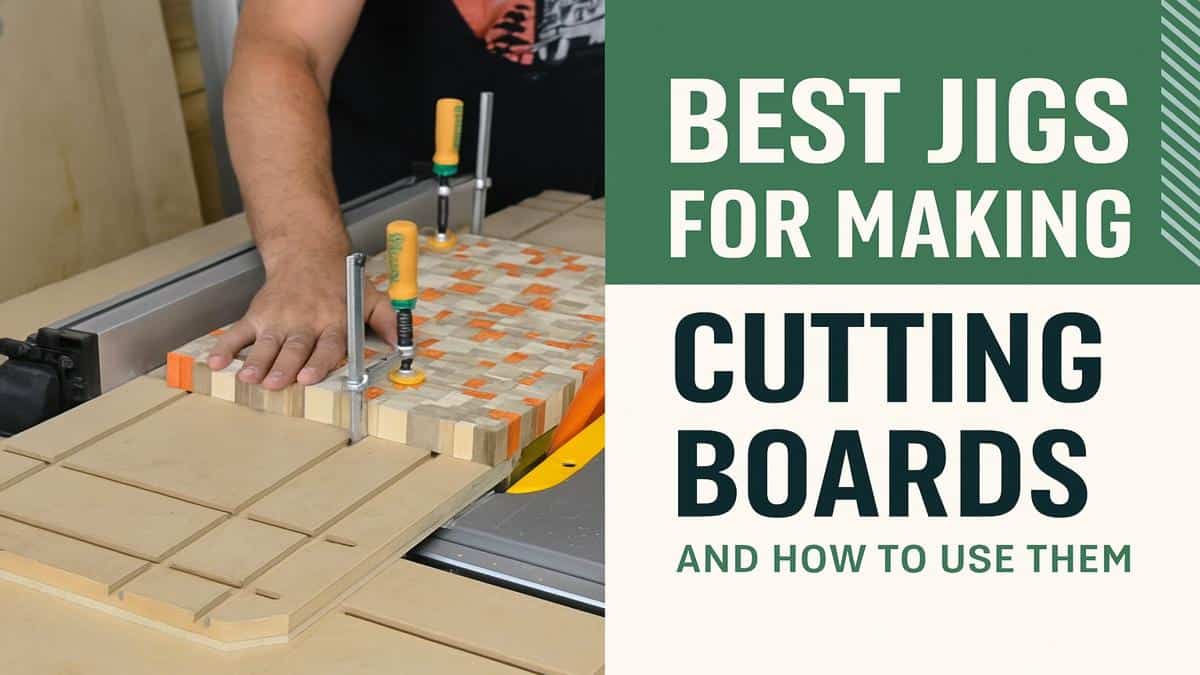
Credit: allflavorworkshop.com
Benefits Of Using Jigs
Jigs help woodworkers and DIYers make precise cuts. They guide tools to cut materials exactly where needed.
Using jigs can improve your work by making cutting easier, faster, and safer.
Enhancing Cut Accuracy
Jigs hold materials steady and guide cutting tools. This reduces mistakes and uneven cuts.
They help you repeat the same cut many times with the same size and angle.
- Ensures straight and clean cuts
- Maintains consistent angles
- Reduces material waste
Saving Time And Effort
Jigs speed up cutting by setting guides in place. You do not need to measure each time.
This means you spend less time adjusting tools and more time cutting.
- Speeds up repetitive cuts
- Reduces setup time
- Makes work easier and less tiring
Improving Safety
Jigs keep your hands away from blades. They hold the workpiece firmly so it does not move.
This lowers the chance of accidents and injuries while cutting.
- Keeps hands clear of cutting tools
- Prevents slips and sudden movements
- Supports stable cutting positions
Types Of Jigs For Precision Cuts
Jigs help woodworkers make precise cuts easily. They guide tools to cut wood exactly where needed.
Different jigs serve different cutting tasks. Using the right jig improves accuracy and saves time.
Crosscut Jigs
Crosscut jigs help cut wood across the grain. They hold the wood steady for straight cuts.
These jigs often have a fence to guide the saw. They are great for cutting boards to length.
Dovetail Jigs
Dovetail jigs make interlocking joint cuts. They create strong connections for drawers and boxes.
The jig guides a router for angled cuts. This ensures neat and tight-fitting dovetail joints.
Circle Cutting Jigs
Circle cutting jigs help cut perfect circles. They attach to a saw or router to spin around a pivot.
This jig is useful for tabletops and round signs. It keeps the tool steady while cutting curves.
Mortise Jigs
Mortise jigs guide tools to cut square holes. These holes are needed for mortise and tenon joints.
The jig holds the wood and guides the chisel or router. It helps make clean and precise mortises.
Materials And Tools Needed
Using jigs helps make precise cuts in woodworking and other projects. Having the right materials and tools is important for accuracy.
This guide covers the materials to build jigs and the essential tools for cutting and measuring.
Selecting Jig Materials
Choose materials that are sturdy and easy to work with. Common choices include plywood, MDF, and hardwood.
Thicker materials give better stability. Avoid warped or soft woods to keep cuts accurate.
- Plywood: strong and affordable
- MDF: smooth surface for marking
- Hardwood: very durable and stable
Essential Cutting Tools
Sharp cutting tools make clean and precise cuts. Use saws suited for the material you are working on.
Common tools include hand saws, circular saws, and jigsaws. Make sure blades are sharp and in good condition.
- Hand saw: good for small projects
- Circular saw: fast and accurate
- Jigsaw: cuts curves and shapes
- Utility knife: for small trimming
Measuring And Marking Instruments
Accurate measuring and marking help guide your cuts. Use tools that give clear and precise lines.
Common measuring tools include tape measures, rulers, and squares. Mark materials with pencils or fine-tip markers.
- Tape measure: for longer distances
- Ruler or straight edge: for short lines
- Combination square: for right angles
- Pencil: easy to erase marks
- Fine-tip marker: for visible lines

Credit: allflavorworkshop.com
Setting Up Your Jig
Using a jig helps you make precise cuts every time. Setting up your jig correctly is key to accuracy and safety.
This guide covers how to prepare your jig for the best results before cutting.
Calibrating For Accuracy
Start by checking your jig’s measurements. Use a ruler or measuring tape to confirm all parts line up correctly.
Tighten any loose screws or bolts. This stops the jig from moving during cuts and keeps your measurements exact.
- Measure twice to avoid mistakes
- Adjust stops and guides as needed
- Use a square tool to check angles
Aligning Workpieces
Place your workpiece firmly against the jig’s guide. This keeps the material steady and in the right spot.
Make sure the edges match the jig’s marks. This helps the saw blade follow the correct path for a clean cut.
- Check the workpiece fits snugly
- Adjust the jig if the piece is off-center
- Use clamps to hold small pieces in place
Securing The Jig Properly
Attach the jig firmly to your work surface. Use clamps or screws to prevent any movement during cutting.
Double-check the jig does not shift when you apply pressure. A stable jig improves safety and cut quality.
- Use heavy-duty clamps for stability
- Check clamp tightness before each cut
- Ensure the jig is level on the surface
Techniques For Mastering Precision Cuts
Using jigs helps make precise cuts in woodworking and other crafts. Jigs guide the tool and keep the material steady.
To get the best results, focus on clamping, cutting speed, and tool sharpness. These factors improve accuracy and safety.
Consistent Clamping Methods
Clamping the workpiece firmly is key to precision. A stable piece does not move during the cut.
- Use clamps that fit the jig and workpiece size
- Apply even pressure across the material
- Check that clamps do not block the cutting path
- Tighten clamps just enough to hold firmly
Controlling Cutting Speed
Cutting too fast can cause rough edges or mistakes. Too slow can burn the wood or dull the blade.
| Speed | Effect |
| Fast | Rough cuts, tool wear |
| Moderate | Clean cuts, less heat |
| Slow | Burn marks, slow progress |
Maintaining Tool Sharpness
Sharp tools cut cleanly and reduce effort. Dull blades cause splintering and poor results.
Keep your blades sharp by:
- Regularly cleaning the blade
- Using a sharpening stone or tool
- Checking blade condition before each use
- Replacing blades when worn out
Common Mistakes And How To Avoid Them
Using jigs helps make precise cuts in woodworking or metalworking. But mistakes can reduce accuracy and cause waste.
Learn about common problems with jigs and ways to avoid them. This will help you get cleaner cuts every time.
Misalignment Issues
Misalignment happens when the jig does not line up with the cutting tool. This causes uneven cuts or wrong angles.
Check the jig carefully before cutting. Make sure it fits tightly and is positioned exactly where needed.
- Use clamps to hold the jig firmly in place
- Double-check measurements before starting
- Test cuts on scrap material to confirm alignment
Improper Jig Design
A poorly designed jig can cause inaccurate cuts or be hard to use. It might not fit the material well or lack stability.
Design jigs with the material and tool in mind. Keep them simple but strong enough to hold the workpiece steady.
- Use durable materials for jig construction
- Include adjustable stops for repeatable cuts
- Ensure easy setup and removal of the jig
Ignoring Safety Precautions
Safety is key when using jigs and power tools. Ignoring safety steps can lead to accidents or injuries.
Always wear safety glasses and keep hands clear of blades. Use push sticks or guides when needed to avoid contact.
- Wear protective eyewear and ear protection
- Keep your workspace clean and well-lit
- Turn off tools before adjusting or removing jigs
Maintaining And Storing Jigs
Jigs help make precise cuts in woodworking and other projects. Keeping them clean and stored well keeps them working right.
Proper care of your jigs can save time and improve accuracy in your work.
Cleaning After Use
After each use, clean your jigs to remove dust, glue, and debris. This stops build-up that can affect accuracy.
Use a soft brush or cloth to wipe the surfaces. Avoid harsh chemicals that can damage the jig’s material.
- Remove sawdust and wood chips
- Wipe off glue or adhesive spots
- Check moving parts for sticky residue
Regular Inspection
Check your jigs often for wear and damage. Look at clamps, hinges, and measuring marks.
Fix small issues early to keep your jig precise and safe to use.
- Look for cracks or loose parts
- Test clamps and locks for firmness
- Ensure measurement scales are clear
Proper Storage Tips
Store jigs in a dry and clean place. Avoid spots with high humidity or direct sunlight.
Keep them organized so you can find them easily and avoid damage.
- Use wall hooks or pegboards for hanging
- Keep small parts in labeled containers
- Cover jigs with cloth to prevent dust
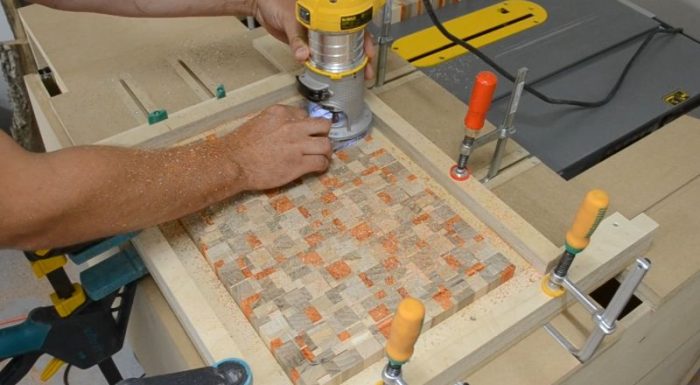
Credit: allflavorworkshop.com
Advanced Jig Techniques
Jigs help you make precise and consistent cuts in woodworking and metalworking. Using advanced jig techniques improves accuracy and efficiency.
These techniques include customizing jigs, combining multiple jigs, and using technology. Each method helps achieve unique and complex cuts.
Customizing Jigs For Unique Cuts
Customizing jigs lets you make cuts that standard jigs cannot. You can change the jig’s shape or add features to fit your project.
Adding adjustable stops, clamps, or guides helps control the cut angle and length. This customization increases the range of cuts you can make.
- Add adjustable stops for repeatable lengths
- Use clamps to hold unusual shapes
- Modify guides to cut angles or curves
Combining Multiple Jigs
Combining jigs helps create more complex cuts. You use one jig to position the workpiece and another to guide the tool.
This approach allows for multi-step cuts without moving the material too much. It improves precision and saves time.
- Use a crosscut jig with a dado jig for grooves
- Combine a circle cutting jig with a straight fence
- Stack jigs to control depth and angle together
Incorporating Technology
Technology improves jig accuracy and ease of use. Digital tools help measure and adjust jigs quickly.
Laser guides, digital angle finders, and CNC machines make precise cuts easier. These tools reduce errors and improve results.
- Laser guides show exact cut lines
- Digital angle finders set jig angles precisely
- CNC machines automate jig movements for repeat cuts
Frequently Asked Questions
What Are Jigs Used For In Woodworking?
Jigs guide tools for precise, repeatable cuts in woodworking. They improve accuracy and speed. Jigs reduce errors and ensure consistent results, especially in complex projects.
How Do Jigs Improve Precision Cuts?
Jigs stabilize the workpiece and guide the cutting tool. This control minimizes movement and errors. The result is cleaner, more accurate cuts every time.
Can Beginners Use Jigs Effectively?
Yes, jigs are beginner-friendly and simplify cutting tasks. They provide guidance and reduce mistakes. Using jigs helps beginners achieve professional-level precision quickly.
What Types Of Jigs Are Best For Precision Cuts?
Popular jigs include crosscut, dovetail, and circle jigs. Each type suits specific cutting needs. Choosing the right jig depends on your project requirements.
Conclusion
Precision cuts matter in woodworking projects. Jigs make these cuts easier. They ensure consistency every time. Beginners find them helpful, too. They boost accuracy and save time. Creating your own jig? It’s possible. With simple materials. A small investment for big results.
Using jigs also reduces waste. Less errors mean less scrap. So, consider using jigs in your projects. They transform your work process. Try them today for smoother, precise cuts.