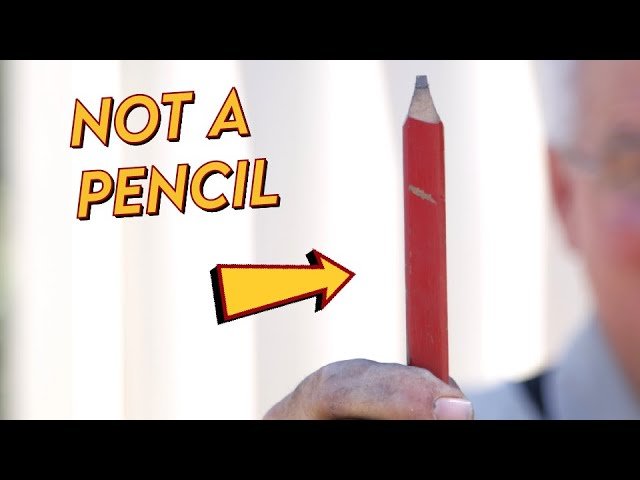
If you’re serious about carpentry, you know that precise marking can make or break your project. But are you using your carpenter pencil to its full potential?
Small changes in how you mark your wood can save you hours of frustration and costly mistakes. You’ll discover simple yet powerful carpenter pencil marking tips that will improve your accuracy and speed. Ready to take your woodworking skills to the next level?
Keep reading and transform the way you work, one mark at a time.
Choosing The Right Carpenter Pencil
Carpenter pencils are special tools used in woodworking and construction. Picking the right pencil helps you mark wood accurately and work better.
This guide explains how to choose a carpenter pencil by looking at types, lead hardness, and grip quality.
Types Of Carpenter Pencils
Carpenter pencils come in different shapes and sizes. The shape affects how you hold the pencil and how it marks surfaces.
- Flat pencils:These do not roll off surfaces easily and are easy to grip.
- Oval pencils:Offer a comfortable hold and good control.
- Round pencils:Less common but useful for fine marking.
Lead Hardness And Thickness
The lead inside a carpenter pencil comes in different hardness levels. Hard lead makes thin lines, and soft lead makes thick lines.
| Hardness | Line Thickness | Best Use |
| Hard (H, 2H) | Thin | Fine, detailed marking |
| Medium (HB) | Medium | General marking on wood |
| Soft (B, 2B) | Thick | Marking rough or dark surfaces |
Durability And Grip
A good carpenter pencil lasts long and feels comfortable in your hand. Look for pencils with strong wood and a textured grip.
- Wood quality affects how well the pencil holds up over time.
- A textured or rubber grip prevents slipping during use.
- Check for pencils with a break-resistant lead for fewer interruptions.
Preparing Your Pencil For Accurate Marks
Carpenter pencils are essential for clear marks on wood and other materials. Preparing your pencil well helps you make precise lines. This saves time and improves your work quality.
Proper preparation includes sharpening, keeping a steady point, and using pencil extenders. These steps keep your pencil ready for detailed and accurate marks every time.
Sharpening Techniques
Use a flat surface to sharpen your carpenter pencil. Sharpen the edges slowly to keep the shape wide and flat. This shape helps make thicker, clear lines.
A knife or a special carpenter pencil sharpener works best. Avoid using normal pencil sharpeners because they can break the lead inside.
- Hold the pencil firmly on a flat surface
- Use a sharp knife to shave the wood carefully
- Expose the lead without making it too thin
- Keep the flat shape for clear marks
Maintaining A Consistent Point
Keep your pencil point consistent to make steady marks. Avoid pressing too hard as this can break the lead. Light, even pressure gives the best results.
Check your pencil tip often and sharpen it when it becomes dull. A sharp tip helps you draw fine lines and keeps your measurements accurate.
- Use light pressure when marking
- Check the pencil tip regularly
- Sharpen as soon as the point dulls
- Keep the pencil flat for wide marks
Using Pencil Extenders
Pencil extenders add length to short carpenter pencils. This helps you keep control and use the pencil comfortably. Extenders prevent hand fatigue during long tasks.
Choose an extender that fits tightly and holds the pencil firmly. This keeps your pencil stable and ready for precise marks every time.
- Use extenders when the pencil is too short
- Pick a tight-fitting extender for stability
- Hold the pencil like a normal one
- Replace the pencil in the extender as needed
Marking Techniques For Precision
Carpenter pencils are useful tools for marking wood and other materials. Using the right techniques helps you mark lines clearly and accurately.
Precise marking makes cutting and joining easier. Learn how to draw straight lines, mark curves, and use guides for better results.
Drawing Straight Lines
Use a ruler or straight edge to guide your carpenter pencil. Hold the pencil firmly and draw along the edge slowly.
Keep the pencil flat to make a wide, clear mark. This helps you see the line during cutting or measuring.
Marking Curves And Angles
For curves, use flexible curve rulers or bendable templates. Trace the shape gently with the pencil to avoid slipping.
Mark angles by using a protractor or angle square. Place the tool on the workpiece and draw along its edges carefully.
Using Templates And Guides
Templates help repeat shapes accurately. Place the template on your material and hold it steady before marking with the pencil.
Guides like straight edges and squares improve line accuracy. Use clamps to keep guides from moving while you mark.
- Templates ensure consistent shapes
- Guides keep lines straight and even
- Clamps prevent movement for better precision

Credit: www.amazon.ca
Tips For Clear And Visible Marks
Making clear marks with a carpenter pencil helps keep your work precise. Good marks guide you to cut or measure exactly.
Follow these tips to improve the visibility of your pencil marks on wood and other surfaces.
Choosing The Best Surface
Choose a smooth and clean surface for marking. Rough or dirty wood can hide your pencil lines.
Sanding the wood lightly before marking helps the pencil leave a sharper line.
Using Contrasting Colors
Use pencil colors that contrast with the wood color. This makes your marks easier to see.
- On light wood, use a dark carpenter pencil.
- On dark wood, try a white or light-colored pencil.
- Colored carpenter pencils can help highlight marks.
Enhancing Marks With Additional Tools
Use extra tools to make your pencil marks stand out more and last longer.
| Tool | Purpose | Tip |
| Marking Gauge | Keeps lines straight and even | Adjust for consistent line depth |
| Chalk | Makes bright lines on dark wood | Brush off excess chalk before cutting |
| Fine Sandpaper | Clears surface for sharper marks | Use before marking |
| Ruler or Straightedge | Draws precise, straight lines | Hold firmly to avoid slip |
Common Mistakes To Avoid
Using a carpenter pencil correctly helps you mark wood precisely. Avoiding common mistakes improves your work quality.
Learn about common errors that can cause problems in marking and cutting wood.
Over-sharpening The Pencil
Sharpening the pencil too much makes the tip too thin. Thin tips break easily and cause uneven lines.
Keep the pencil tip flat and broad for better marks on wood.
Applying Excessive Pressure
Pressing too hard with the pencil can damage the wood surface. It also wears down the pencil faster.
Use light, steady pressure to draw clear and accurate lines.
- Hard pressure causes deep grooves in wood
- Soft pressure keeps the surface smooth
- Light lines are easier to erase or adjust
Ignoring Surface Preparation
Marking on dusty or rough wood leads to unclear lines. Dirt can cause the pencil to skip or smear.
Clean and smooth the wood surface before marking for the best results.

Credit: powerstick.com
Maintaining Your Carpenter Pencil
Carpenter pencils are strong and useful for marking wood and other materials. To keep them working well, you need to care for them regularly. Proper maintenance helps you mark clearly and last longer with your pencil.
This guide covers cleaning and storage, replacing leads, and tips for extending your pencil’s life. Follow these simple steps to keep your carpenter pencil ready for every job.
Cleaning And Storage
Keep your carpenter pencil clean and dry. Dirt and moisture can damage the wood and lead. Store the pencil in a dry place to avoid warping or breakage.
- Wipe the pencil with a dry cloth after use.
- Store in a toolbox or pencil case away from water.
- Avoid dropping the pencil to prevent cracks.
Replacing Leads
Carpenter pencils have thick leads that can wear down or break. You can replace the lead to keep marking sharp and easy. Use the right size lead for your pencil to avoid damage.
| Lead Size | Lead Type | Tip |
| 5.6 mm | Graphite | Flat and wide for broad marks |
| 6 mm | Colored | Bright colors for visibility |
| Standard | Carpenter-specific | Strong and break-resistant |
Extending Pencil Life
Follow these tips to make your carpenter pencil last longer and work better:
- Sharpen the pencil carefully with a knife or sharpener made for carpenter pencils.
- Avoid pressing too hard to prevent breaking the lead.
- Rotate the pencil while marking to use the lead evenly.
- Keep the pencil away from extreme heat or moisture.
- Replace the lead as soon as it becomes too short or dull.

Credit: www.amazon.co.uk
Frequently Asked Questions
What Is The Best Way To Hold A Carpenter Pencil?
Hold the pencil firmly between your thumb and index finger. Keep it at a low angle for precise, straight lines. This grip improves control and accuracy when marking wood surfaces.
How To Make Clear Marks With A Carpenter Pencil?
Sharpen the pencil’s flat edge for bold lines. Press lightly for thin marks, harder for darker lines. Use a sharp tip for detailed measurements and markings.
Why Use A Carpenter Pencil Over A Regular Pencil?
Carpenter pencils have a flat, sturdy lead that resists breakage. They mark clearly on rough, dusty, or uneven wood surfaces. Their shape prevents rolling and offers better grip during construction.
How To Avoid Smudging Carpenter Pencil Marks?
Allow the marks to dry briefly before handling. Avoid excessive pressure that can cause smudges. Use a fine edge or sharp pencil tip for cleaner, more precise lines.
Conclusion
Mastering carpenter pencil marking enhances woodworking precision. Simple tips ensure clear marks. Practice consistency for best results. Avoid dull pencils; sharpen frequently. Choose the right pencil for your project. Experiment with different pencils to find your favorite. Mark lightly for easy removal.
Double-check your measurements to avoid mistakes. Clean, accurate marks make cutting easier. With practice, you’ll work faster and more efficiently. These tips help improve your skills. Happy woodworking!