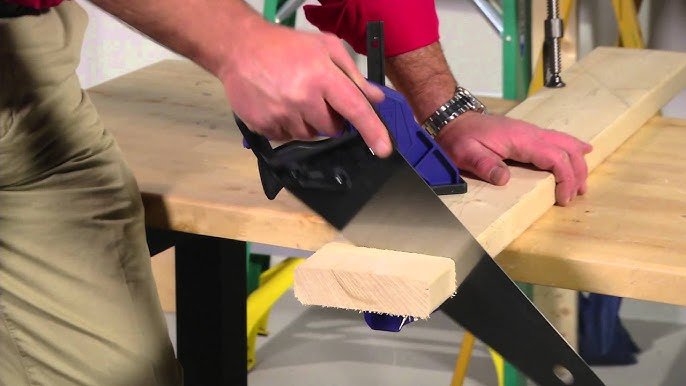
If you want your woodworking projects to look sharp and professional, mastering the art of using a hand saw for fine cuts is essential. You might think power tools are the only way to get precise cuts, but with the right technique, your hand saw can deliver clean, accurate results every time.
Imagine the satisfaction of creating perfect edges without splinters or rough spots—your projects will stand out, and you’ll feel proud of your craftsmanship. Keep reading, and you’ll discover simple tips and tricks that will transform how you handle your hand saw and take your cutting skills to the next level.
Choosing The Right Hand Saw
Using a hand saw for fine cuts needs a careful choice. The right saw makes cutting easier and more accurate. It helps avoid mistakes and keeps your woodwork neat.
Several factors affect your choice. These include the type of saw, the blade material, and the saw’s size and handle. Each factor plays a role in how well you can cut fine details.
Types Of Hand Saws For Fine Cuts
There are different hand saws made for fine cuts. Some saws have thin blades for detailed work. Others have special teeth to cut smoothly. Choosing the right type depends on your project.
- Back Saw: Has a stiff spine to keep the blade straight.
- Japanese Saw: Cuts on the pull stroke for more control.
- Fret Saw: Used for very detailed and curved cuts.
- Cop saw: Good for thin and curved cuts in wood or plastic.
Blade Material And Tooth Design
Blade material affects sharpness and durability. High-quality steel blades stay sharp longer. Tooth design controls how clean the cut will be. Fine teeth are best for smooth cuts.
| Blade Material | Features |
| High Carbon Steel | Sharp, holds edge well, resists dulling |
| Stainless Steel | Resists rust, easy to clean, less sharp |
| Bi-Metal | Durable, flexible, combines sharpness and strength |
| Tooth Design | Purpose |
| Crosscut Teeth | Clean cuts across wood grain |
| Rip Teeth | Fast cuts along wood grain |
| Extra Fine Teeth | Very smooth cuts for thin wood or veneer |
Saw Size And Handle Comfort
Saw size affects control and cutting length. Smaller saws are easier to handle for detailed work. A comfortable handle reduces hand fatigue. It also helps keep steady cuts.
Look for these handle features:
- Ergonomic shape for a firm grip
- Non-slip surface or padding
- Proper size for your hand
- Secure attachment to the blade

Credit: www.wolfcraft.com
Preparing For A Precise Cut
Using a hand saw for fine cuts requires careful preparation. Accurate cutting depends on how well you prepare the wood and tools before you start.
Taking your time with these steps helps you get smooth, clean results every time you cut.
Marking Accurate Cut Lines
Clear cut lines guide your saw and keep your cuts straight. Use a sharp pencil or a marking knife to draw lines on your wood surface.
- Measure twice to avoid mistakes
- Draw thin, precise lines
- Use a square to keep lines straight
- Mark both sides if the cut goes all the way through
Securing The Workpiece
Keeping the wood steady stops it from moving and helps you saw straight. Clamp the workpiece firmly to a stable surface before cutting.
| Tool | Purpose | Tip |
| Bar Clamp | Holds large pieces | Use padding to avoid marks |
| C-Clamp | Secures smaller pieces | Tighten gently to prevent damage |
| Workbench Vise | Holds irregular shapes | Adjust jaws to fit shape |
Selecting The Proper Cutting Angle
The angle you hold the saw affects the cut quality. Keep the saw at the right angle to avoid splintering and ensure smooth edges.
- Hold the saw at about 45 degrees for crosscuts
- Use a lower angle, around 30 degrees, for rip cuts
- Start the cut slowly to set the angle
- Keep your wrist steady while sawing
Techniques For Smooth Cuts
Using a hand saw for fine cuts needs care and skill. Smooth cuts make your work look clean and neat.
Good techniques help you control the saw and avoid rough edges. Focus on starting well, steady movement, and pressure control.
Starting The Cut Cleanly
Begin the cut carefully to avoid splinters or uneven lines. Mark your cutting line clearly before you start.
Place the saw blade gently on the wood at the line. Use slow, short strokes to create a groove.
- Hold the saw at a low angle to the surface
- Make light strokes to guide the blade
- Check your line often to stay on track
Maintaining Steady Hand Movement
Keep your hand steady to avoid wobbly cuts. Move the saw smoothly along the marked line.
Use your whole arm, not just your wrist, to guide the saw. Keep your body relaxed to maintain control.
- Keep a firm grip but do not squeeze too hard
- Move the saw in long, even strokes
- Watch the blade edge to follow the line
Controlling Saw Pressure
Apply the right pressure on the saw to cut smoothly. Press too hard, and the saw may stick or jump.
Let the saw do the work by using gentle pressure. Increase pressure only when the blade moves easily.
- Start with light pressure to guide the blade
- Adjust pressure to keep the blade moving freely
- Release pressure at the end of the cut to avoid splinters
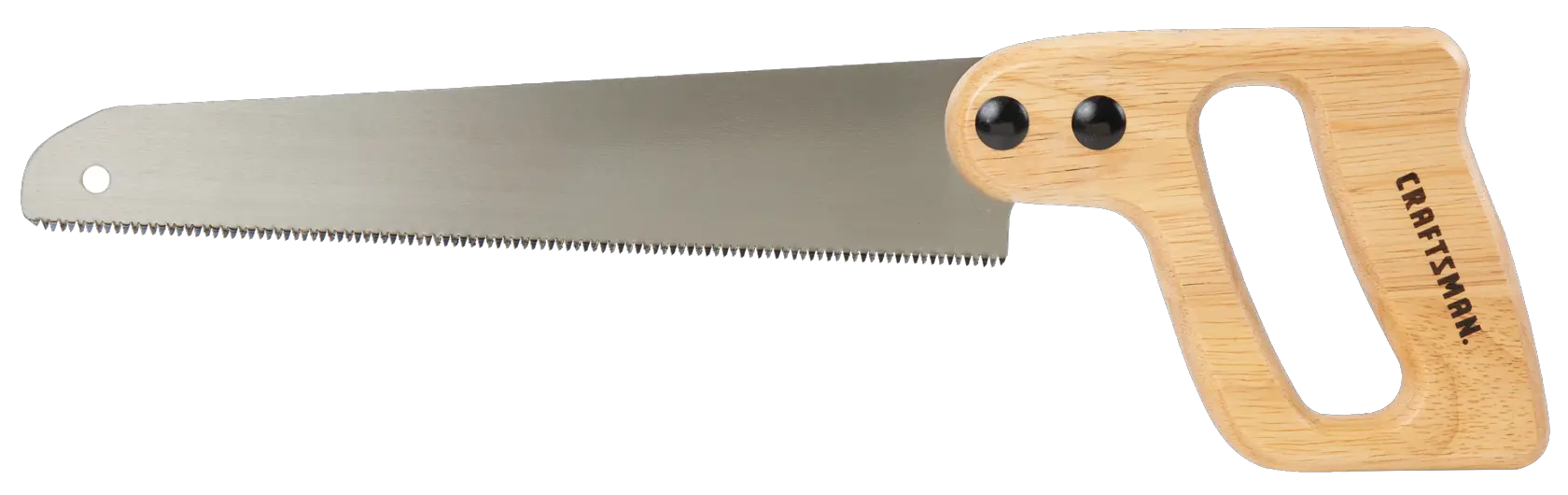
Credit: www.craftsman.com
Maintaining Your Hand Saw
Keeping your hand saw in good shape helps you make smooth and precise cuts. Regular care extends the life of the blade and keeps it sharp.
Here are some easy ways to maintain your hand saw for the best results.
Sharpening The Blade
Sharp blades cut cleaner and need less effort. Use a saw file to sharpen each tooth carefully. Keep the file angle steady for even sharpening.
- Clamp the saw blade firmly in a vice.
- Use a triangular file to sharpen each tooth.
- File with smooth, even strokes following the original angle.
- Check the blade regularly for dull spots.
- Remove any burrs with a flat file after sharpening.
Cleaning And Rust Prevention
Clean your hand saw after each use to avoid rust and buildup. Wipe the blade with a dry cloth to remove sawdust and moisture.
- Use a soft brush to clear debris from the teeth.
- Apply light oil to the blade to prevent rust.
- Remove rust spots with fine steel wool if needed.
- Keep the handle clean and dry.
Proper Storage Tips
Store your hand saw in a dry place to keep it safe and sharp. Avoid stacking it with other tools to protect the teeth.
| Storage Method | Benefits |
|---|---|
| Hang on a pegboard | Keeps blade dry and teeth protected |
| Use a blade guard | Prevents accidental damage and cuts |
| Store in a toolbox with separators | Keeps saw away from other tools |
Common Mistakes To Avoid
Using a hand saw for fine cuts takes patience and care. Many people make simple mistakes that hurt their work quality.
Avoiding these common errors helps you get cleaner, more precise cuts. Learn what to watch for before you start sawing.
Overcutting And Wasting Material
Cutting too far past your mark wastes wood and ruins your project. It happens when you rush or do not watch the blade closely.
To stop overcutting, take your time and stop cutting once you reach the line. Use a pencil mark that is easy to see.
- Mark your cut line clearly before starting
- Cut slowly and check progress often
- Stop the saw as soon as the cut is done
- Practice on scrap wood to improve control
Incorrect Saw Selection
Using the wrong saw can make fine cuts hard. A rough saw blade can splinter wood or make uneven cuts.
Choose a saw with a fine tooth count for detailed work. A backsaw or a Japanese pull saw is often best for fine cuts.
- Use a fine-toothed saw for smooth edges
- A backsaw offers better control for small cuts
- A dull blade causes rough cuts and needs replacing
- Match your saw to the wood type and thickness
Poor Workpiece Stabilization
If the wood moves while cutting, your saw may slip. This causes uneven cuts and can be dangerous.
Always secure your workpiece before cutting. Use clamps or a bench vise to keep the wood steady and safe.
- Clamp the wood to a stable surface
- Check that the wood does not shift during cutting
- Use a non-slip mat under your workpiece if needed
- Keep your hands away from the cutting line
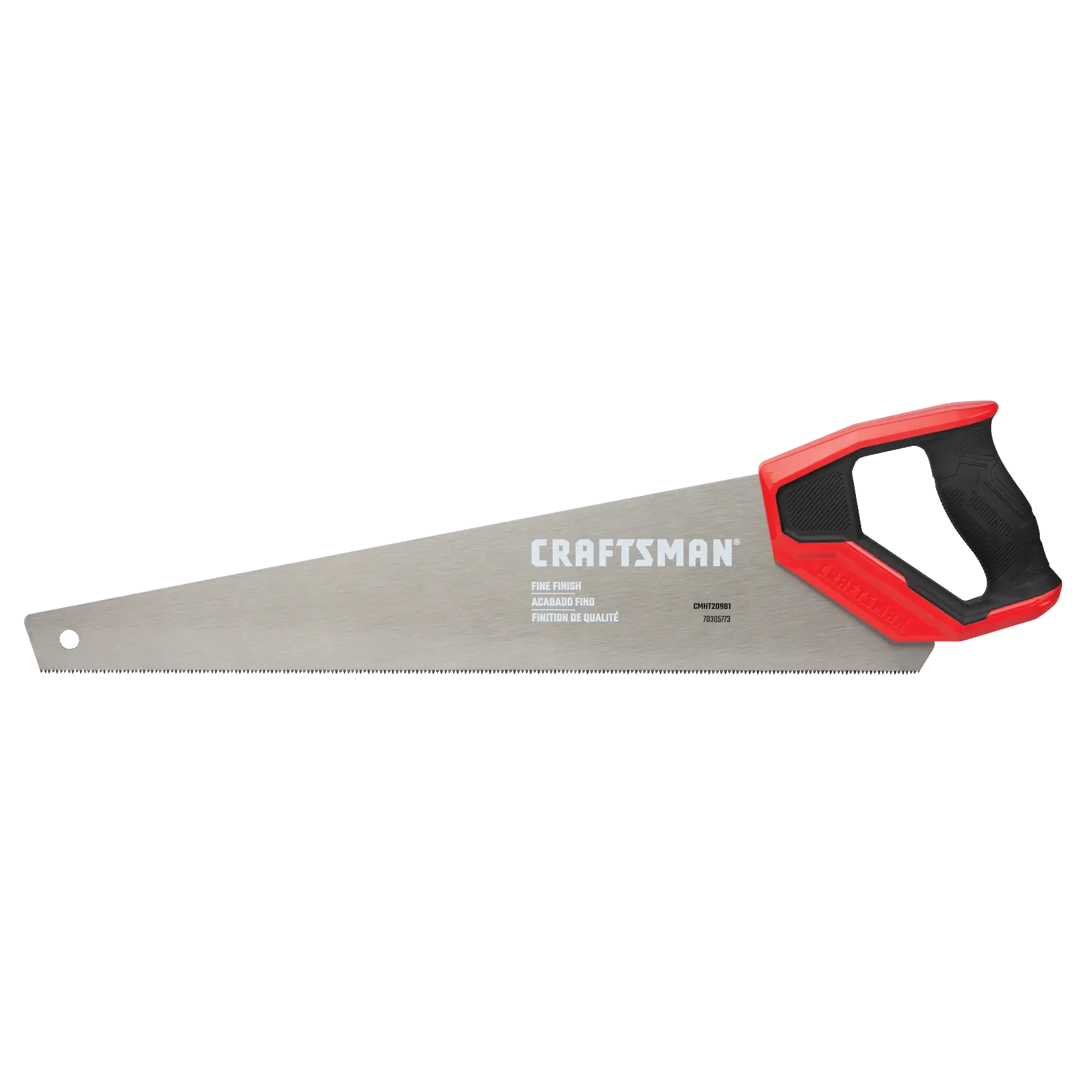
Credit: www.craftsman.com
Frequently Asked Questions
What Type Of Hand Saw Is Best For Fine Cuts?
A backsaw or a dovetail saw is ideal for fine cuts. They have small, closely spaced teeth for precision and smooth edges, perfect for detailed woodworking tasks.
How Do I Achieve Precise Cuts With A Hand Saw?
Use a sharp saw and steady, controlled strokes. Mark your cut line clearly, clamp the wood firmly, and maintain a consistent angle while sawing to ensure accuracy.
Can Hand Saws Cut Different Wood Types Finely?
Yes, hand saws can cut various wood types finely. Choose the right saw tooth pattern and blade quality suited for hardwood or softwood to get clean, precise cuts.
How Often Should I Sharpen A Hand Saw For Fine Cuts?
Sharpen your hand saw when it feels dull or cuts unevenly. Regular sharpening keeps teeth sharp, ensuring smooth, accurate cuts and prolonging the saw’s lifespan.
Conclusion
Using a hand saw for fine cuts is truly rewarding. It’s all about control. Precision. The feel of the wood under your hand. Hand saws offer that tactile connection. They’re simple and effective tools. Easy to learn, yet skillful in use.
Whether crafting furniture or small projects, they deliver great results. Practice improves your skill. Your cuts become cleaner. More precise. It’s a satisfying process. Anyone can do it. Enjoy the experience of creating with your hands. Appreciate the art of sawing.
Each cut tells a story. Embrace the craft. Feel the satisfaction of a job well done.