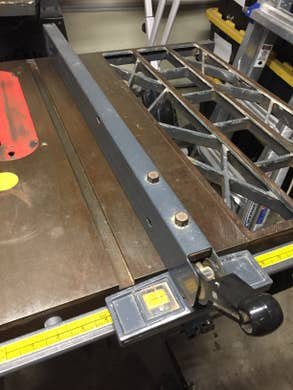
If you want your cuts to be clean, straight, and perfectly accurate, aligning your table saw fence is a must. A misaligned fence can cause frustrating mistakes, wasted materials, and even safety risks.
But don’t worry—getting your fence in perfect position is easier than you think. You’ll learn simple, step-by-step tips to align your table saw fence for the precision you need. Keep reading, and you’ll soon cut with confidence every time.
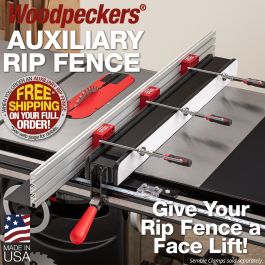
Credit: www.woodpeck.com
Choosing The Right Fence
A table saw fence helps guide your wood for straight cuts. Picking the right fence improves your cutting accuracy. It also makes your work safer and easier.
Knowing about different fences helps you choose one that fits your saw and your needs. This guide covers fence types, materials, and features to look for.
Types Of Table Saw Fences
There are many types of fences for table saws. Each type fits certain tasks and saw models. Choosing the right type helps with precise and safe cuts.
- T-Rail Fences:Slide on a T-shaped rail for smooth movement.
- Ripping Fences:Designed mainly for straight cuts along wood grain.
- Crosscut Fences:Help guide wood at right angles for crosscuts.
- Tilted Fences:Allow angle adjustments for bevel cuts.
Materials And Build Quality
The fence must be strong and stable. Good materials reduce wobble and wear. Check the build quality before buying.
- Aluminum:Lightweight and resistant to rust.
- Steel:Very strong but heavier than aluminum.
- Cast Iron:Heavy and very stable but costly.
- Plastic Components:Used in some parts to reduce weight.
Look for fences with tight connections and smooth finishes. These features help keep the fence aligned during use.
Adjustability Features
Adjustable fences let you make fine changes for exact cuts. Easy-to-use controls save time and reduce mistakes.
- Locking Mechanism:Keeps the fence firmly in place.
- Micro-Adjustments:Allow small movements for precise setting.
- Quick-Release:Helps move the fence fast between cuts.
- Scale Markings:Show measurements for setting width.
Choose a fence with adjustability that matches your skill level and cutting needs.
Preparing Your Table Saw
Setting up your table saw fence correctly starts with good preparation. This helps you cut wood safely and accurately.
Before adjusting the fence, clean and check parts of your saw. This reduces errors and keeps the saw working well.
Cleaning The Table Surface
Clean the table surface to remove dust, resin, and rust. A smooth surface helps the wood slide evenly and prevents measurement mistakes.
- Use a brush or cloth to clear dust.
- Apply a rust remover if needed.
- Wipe the surface with a clean cloth.
- Apply paste wax for a smooth finish.
Inspecting The Blade
Check the blade for sharpness and damage. A dull or bent blade causes rough cuts and can shift your fence alignment.
| Blade Condition | What to Do |
| Sharp and clean | Ready to use |
| Dull or chipped | Replace or sharpen |
| Rusty | Clean or replace |
Checking The Miter Slots
Check the miter slots for dirt and damage. These slots guide the fence, so they must be clear and straight.
- Run a straight edge along the slot to check for warping.
- Clear out dust and debris with a vacuum or brush.
- Look for dents or bends that may affect fence movement.
Initial Fence Setup
Setting up the table saw fence correctly ensures accurate cuts. A well-aligned fence helps you work safely and precisely.
Start by checking your saw and fence parts. Clean any dust or debris before making adjustments.
Mounting The Fence Properly
Attach the fence firmly to the table saw’s rail system. Make sure it slides smoothly without wobbling.
- Place the fence on the rail with even pressure.
- Check that all mounting points align well.
- Tighten bolts or clamps just enough to hold the fence.
- Move the fence back and forth to test stability.
Aligning With The Miter Slot
The fence must be parallel to the miter slot. This alignment stops the wood from drifting during cuts.
| Tool Needed | Purpose |
| Combination square | Check fence to miter slot angle |
| Feeler gauge | Measure gaps between fence and slot |
| Screwdriver | Adjust fence screws |
Place the square against the fence and the miter slot. Adjust screws until the fence runs perfectly parallel.
Securing The Fence Tight
Lock the fence firmly to prevent movement during cutting. A loose fence can cause errors and unsafe conditions.
- Push the fence against the table edge.
- Tighten all clamps or locking levers.
- Test by trying to move the fence by hand.
- Repeat adjustments if any play remains.

Credit: www.woodcraft.com
Aligning The Fence Parallel To The Blade
Aligning the table saw fence parallel to the blade is key for precise cuts. A misaligned fence can cause binding and uneven edges.
This guide covers how to check and adjust your fence for perfect parallelism.
Measuring The Distance
Start by measuring the distance between the blade and the fence at the front and back of the table. Use a ruler or tape measure for accuracy.
- Lower the blade to the table height.
- Place the tape measure at the front of the blade to the fence edge.
- Note the measurement.
- Move the tape measure to the back of the blade and measure again.
- Compare both distances to check for differences.
Using A Combination Square
A combination square helps verify that the fence is exactly parallel to the blade. It also checks fence alignment to the miter slot.
Follow these steps with your combination square:
- Place the square’s ruler against the fence.
- Slide the square along the fence toward the blade.
- Check if the ruler stays flush with the blade’s side.
- Look for any gaps or variations in contact.
- Mark spots where the fence is not parallel.
Adjusting For Parallelism
Use the saw’s adjustment knobs or bolts to move the fence. Align it so the distance from the blade is the same front and back.
| Adjustment Step | Action | Result |
|---|---|---|
| Loosen fence lock | Free the fence to slide | Fence can move easily |
| Move fence | Slide fence toward or away from blade | Aligns fence to desired distance |
| Tighten fence lock | Secure fence in place | Prevents fence movement during cuts |
| Re-check measurements | Measure front and back distances again | Confirms fence is parallel |
Fine-tuning For Accuracy
Aligning your table saw fence precisely improves cut quality. Small errors can cause big problems in your work.
This guide covers methods to fine-tune your fence for better accuracy and safer cuts.
Checking With A Dial Indicator
Use a dial indicator to measure how parallel the fence is to the blade. This tool shows tiny deviations clearly.
- Attach the dial indicator to the saw’s miter slot or table.
- Zero the dial at the front of the blade near the fence.
- Slide the indicator along the fence length toward the back.
- Watch the dial for any movement that shows fence misalignment.
Making Micro Adjustments
Once you find the misalignment, adjust the fence in small steps. Even tiny moves can correct errors.
| Adjustment Method | Description |
|---|---|
| Loosen Fence Lock | Allows you to slide the fence forward or backward slightly. |
| Use Shim or Wedge | Place thin material under the fence to tilt it gently if needed. |
| Tighten Fence Lock | Secure the fence firmly after alignment to prevent shifting. |
Testing With A Scrap Piece
Cut a scrap wood piece to check your fence alignment. This test shows if your adjustments worked.
- Mark a straight line on the scrap wood parallel to the edge.
- Set the fence to cut along the line.
- Make the cut and compare the cut edge to the line.
- Look for gaps or unevenness indicating misalignment.

Credit: www.msn.com
Maintaining Fence Alignment
Keeping your table saw fence aligned is key for precise cuts. A well-aligned fence helps you work safely and get the best results.
Regular care and checks will keep the fence accurate and reliable. This saves time and reduces mistakes on your projects.
Regular Inspection Tips
Check your fence alignment before each use. Small shifts can cause big errors in your cuts.
Look for any loose parts or wear that might affect the fence’s position. Tighten bolts and clean moving parts.
- Use a reliable square to check fence parallelism
- Inspect the locking mechanism for firmness
- Clean dust and debris from the fence rail
- Test the fence by making a trial cut on scrap wood
Avoiding Common Alignment Issues
Misalignment often happens from bumps or improper adjustments. Avoid forcing the fence or rushing setup.
Keep the fence rail free of dirt and rust. These can cause the fence to stick or move unevenly.
- Do not overtighten the fence lock, it can bend the fence
- Ensure the fence slides smoothly along the rail
- Check for bent or damaged fence parts regularly
- Use proper tools to adjust the fence, not makeshift items
Storage And Handling
Store the fence in a dry place to prevent rust. Avoid leaving it under heavy objects that can bend it.
Handle the fence with care when moving it. Rough handling can damage the alignment and locking parts.
- Clean the fence before storing it
- Use a protective cover if possible
- Store the fence flat or hanging to avoid warping
- Keep the fence away from moisture and extreme temperatures
Troubleshooting Alignment Problems
Aligning your table saw fence correctly is key for accurate cuts. Sometimes, issues arise that affect the fence’s performance.
Below are common alignment problems and ways to fix them for better precision.
Fence Not Locking Properly
A fence that won’t lock firmly can cause movement during cuts. This reduces accuracy and can be unsafe.
- Check the locking lever for damage or wear.
- Clean any sawdust or debris from the locking mechanism.
- Tighten loose bolts on the fence assembly.
- Adjust the lock cam or lever to increase clamping force.
- Replace worn parts if locking still fails.
Blade And Fence Misalignment
Misalignment between the blade and fence causes uneven cuts and wasted material. Use these checks to correct the issue.
| Check Point | How to Test | Fix |
|---|---|---|
| Fence Parallelism | Measure distance from blade to fence at front and back | Adjust fence rails or stops |
| Blade Square to Table | Use a square to check blade angle | Adjust blade tilt and trunnion bolts |
| Fence Lock Stability | Push fence gently to see if it moves | Tighten or repair locking mechanism |
Warped Fence Fixes
A warped fence causes gaps and inaccurate cuts. Fixing it restores straight guidance for your workpieces.
- Remove the fence from the table saw.
- Inspect for bends or warps along its length.
- Use a straight edge to locate high or low spots.
- Apply gentle pressure or clamps to bend it back if possible.
- Replace the fence if damage is severe or permanent.
Frequently Asked Questions
How Do I Align A Table Saw Fence Accurately?
To align a table saw fence accurately, first ensure the blade is square to the table. Then, loosen the fence lock and adjust the fence parallel to the blade using a measuring tool. Tighten the lock and recheck alignment for precision cuts.
Why Is Fence Alignment Important For Table Saws?
Fence alignment is crucial because it ensures straight, accurate cuts. Misaligned fences cause binding, kickback, and uneven cuts. Proper alignment improves safety, cut quality, and extends blade life by reducing stress during cutting.
How Often Should I Check My Table Saw Fence Alignment?
Check your table saw fence alignment before every major project. Regular checks prevent errors caused by fence shifts during use or transport. Frequent adjustments maintain accuracy and safety for all your woodworking tasks.
What Tools Help Align A Table Saw Fence Precisely?
Use a combination square or a reliable measuring tape to check fence alignment. A dial indicator can offer precise measurements. These tools help ensure the fence is parallel to the blade for consistent, accurate cuts.
Conclusion
Aligning your table saw fence ensures precise cuts every time. Follow simple steps and adjust carefully. Regular checks keep your saw in top shape. Accurate alignment enhances your woodworking projects. Consistency in alignment boosts your confidence. Enjoy smoother and safer cuts with a well-aligned fence.
Patience and practice make the task easier. A few minutes spent on alignment save hours later. Precision is key in woodworking. Achieve it by mastering fence alignment. Proper tools and techniques make all the difference. Happy woodworking with your perfectly aligned table saw!