Are you tired of your projects slipping out of place just when you need them to hold steady? Using clamps can be a game-changer, making your work easier, faster, and more precise.
Whether you’re fixing, building, or crafting, knowing how to use clamps correctly will save you time and frustration. In this guide, you’ll discover simple tips and tricks that anyone can follow to get the most out of your clamps. Keep reading to unlock the secret to stronger, cleaner, and more professional results in every project you tackle.
Credit: www.familyhandyman.com
Types Of Clamps
Clamps hold materials tightly in place during projects. They help keep parts steady and secure.
There are many types of clamps. Each type works best for different tasks.
Spring Clamps
Spring clamps use a strong spring to hold objects together. They open wide and close quickly.
These clamps are light and easy to use. They are good for small or quick tasks.
C-clamps
C-clamps have a C-shaped frame and a screw. Turning the screw tightens the clamp.
They hold heavy pieces firmly. They work well for metal and wood projects.
Bar Clamps
Bar clamps have a long metal bar and two jaws. One jaw slides to adjust the size.
They are good for clamping wide objects. They provide strong, even pressure.
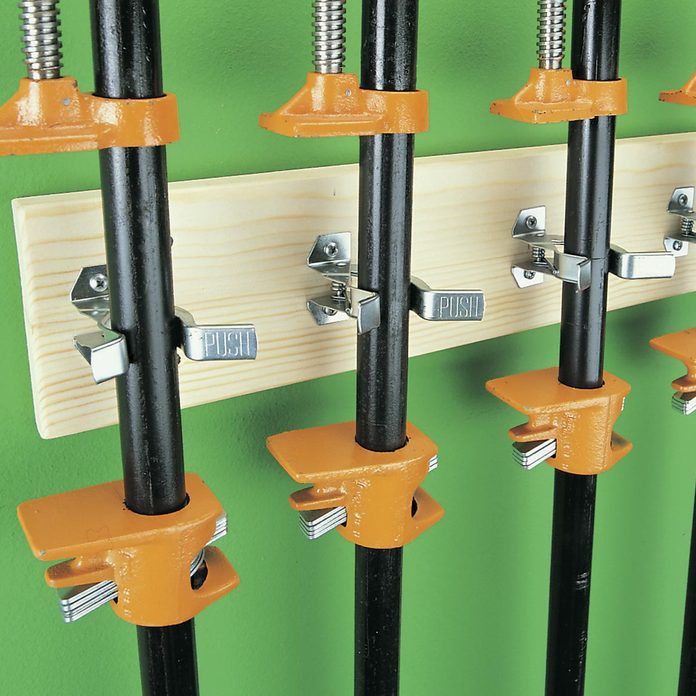
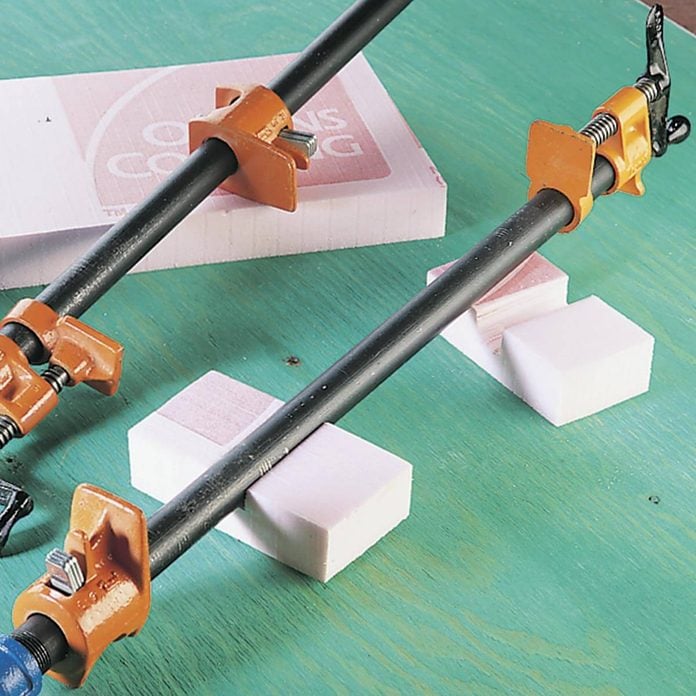
Pipe Clamps
Pipe clamps use a pipe as the bar. The jaws slide on the pipe and tighten with a screw.
These clamps are adjustable by changing pipe length. They are useful for large projects.
F-clamps
F-clamps have an F-shaped frame with a sliding arm. They tighten by turning a screw handle.
They offer good control and pressure. They are good for woodworking and metalworking.
Credit: www.familyhandyman.com
Choosing The Right Clamp
Clamps hold pieces tightly for many projects. Picking the right clamp helps you work safely and well. This guide covers key points to help you choose the best clamp for your needs.
Look at the material, size, project needs, and clamp strength. These factors affect how well the clamp will perform. Read on to learn more about each part.
Material And Size Considerations
Clamps come in different materials like steel, plastic, and wood. Steel clamps are strong and last long. Plastic clamps are light but less strong. Wood clamps are gentle on soft materials.
- Choose steel for heavy-duty work
- Use plastic for light, quick jobs
- Pick wood clamps for delicate surfaces
- Match clamp size to the thickness of your workpieces
- Use longer clamps for bigger projects
Project Requirements
Think about what your project needs. Are you gluing wood, welding metal, or holding plastic? Each project type needs a different clamp style and pressure.
| Project Type | Recommended Clamp | Notes |
| Woodworking | Bar clamps, C-clamps | Use padded clamps to avoid marks |
| Metalworking | Locking pliers, C-clamps | Clamps must hold under heat and pressure |
| Plastic Assembly | Spring clamps, quick-release clamps | Use light pressure to avoid damage |
Clamp Strength And Pressure
Choose clamps that provide enough pressure without damage. Too little pressure lets pieces slip. Too much pressure can break or dent materials.
- Check the clamp’s maximum pressure rating before buying.
- Use clamps with adjustable pressure for delicate tasks.
- Apply pressure evenly to avoid warping the workpiece.
- Test clamp force on scrap material first.
Preparing For Clamping
Clamps hold your workpieces steady while glue dries or you fasten parts. Preparing properly ensures good results and protects your materials.
Use the right methods to protect surfaces, align pieces correctly, and apply even pressure with clamps. These steps make your project easier and neater.
Surface Protection Tips
Clamps can leave marks or dents on wood or other materials. Protect the surfaces by adding soft pads between the clamp and the workpiece.
- Use scrap wood pieces as pads.
- Wrap clamp jaws with cloth or tape.
- Check clamp pressure often to avoid damage.
- Keep surfaces clean to prevent scratches.
Aligning Workpieces
Proper alignment keeps your project straight and tight. Misaligned parts can cause gaps or weak joints after gluing or fastening.
| Tip | Why It Matters |
| Dry fit pieces first | Check fit and alignment before clamping |
| Use squares or guides | Keep corners and edges at right angles |
| Apply clamps gradually | Prevent pieces from shifting under pressure |
Using Cauls For Even Pressure
Cauls are blocks of wood placed across workpieces to spread clamp pressure evenly. They help avoid dents and ensure tight joints.
Follow these tips for cauls:
- Use straight, flat wood strips slightly longer than the clamped area.
- Tape or screw soft pads to cauls to protect surfaces.
- Place cauls perpendicular to clamp jaws.
- Apply clamps evenly on both sides of the caul.

Credit: www.familyhandyman.com
Clamping Techniques
Using clamps correctly helps hold materials in place during your project. Good clamping techniques make your work easier and safer.
Learn how to use clamps without damaging your materials. This guide covers key tips for better clamping.
Single Vs. Multiple Clamps
A single clamp works well for small or simple parts. It holds one spot firmly. Use it for quick jobs or light pressure.
Multiple clamps spread pressure evenly. They are best for larger projects or when you need strong, steady hold.
- Single clamp: fast and easy to use
- Multiple clamps: better for big or long pieces
- Use several clamps to avoid gaps or slips
- Place clamps at equal distances for balance
Avoiding Over-tightening
Too much pressure can damage wood or other materials. Tighten clamps only until parts hold firmly without bending.
Check your work as you tighten. Stop if you see dents or cracks starting to form.
- Turn clamp handles slowly and gently
- Feel resistance but avoid forcing the clamp
- Use a protective pad under clamps for soft materials
- Stop tightening once the pieces do not move
Balancing Clamp Pressure
Even pressure prevents gaps and keeps parts aligned. Uneven clamping can cause shifting or damage.
Place clamps opposite each other and tighten slowly. Check alignment as you go.
- Use the same clamp type and size on each side
- Apply equal pressure on all clamps
- Adjust clamps to keep the work flat
- Use a square to check corners during clamping
Troubleshooting Common Issues
Clamps help hold materials in place during projects. Sometimes they slip or cause problems. Fixing these issues makes your work easier and better.
This guide shows how to solve common clamp problems. Use these tips for safer and stronger clamping.
Preventing Slippage
Clamps can slip if the grip is weak or the surface is smooth. Slippage wastes time and can ruin your project.
Use rubber pads or cloth between the clamp and material. This adds friction and stops slipping. Tighten clamps evenly for a strong hold.
- Place rubber or cloth pads on clamp jaws
- Make sure clamp jaws are clean and dry
- Tighten clamps slowly and evenly
- Check clamp position before starting work
Dealing With Warping
Clamps can cause wood or other materials to warp. Warping changes the shape and can ruin your project.
Use multiple clamps to spread pressure evenly. Avoid overtightening clamps. Place scrap wood between the clamp and your project to protect it.
- Use several clamps for even pressure
- Do not tighten clamps too much
- Use scrap wood as a buffer
- Check for warping before glue dries or screws set
Adjusting For Uneven Surfaces
Uneven surfaces make it hard for clamps to hold materials firmly. This causes weak joints or damage.
Use shims or small pieces of wood to level the surface. Adjust clamp positions to apply pressure where needed.
- Place shims under low spots
- Move clamps to balance pressure
- Check alignment before tightening fully
- Use clamps with adjustable jaws if possible
Maintenance And Care
Taking care of your clamps helps them last longer. Proper maintenance keeps them working well for every project.
Simple steps like cleaning, lubricating, and storing clamps correctly can prevent damage and rust.
Cleaning Clamps
Clean clamps after each use to remove dirt and glue. Wipe them down with a damp cloth to keep parts clear.
Use a brush to get rid of stuck debris in hard-to-reach places. Avoid harsh chemicals that can damage metal or plastic.
Lubricating Moving Parts
Lubricate clamp screws and sliding parts often. This helps them open and close smoothly without sticking.
- Use light machine oil or silicone spray.
- Apply a small amount to moving areas.
- Wipe off extra oil to prevent dirt build-up.
Storage Tips
Store clamps in a dry place to avoid rust. Hang them or place them on shelves to keep them organized.
Keep clamps away from heavy tools that can bend or damage them. Use clamps with rubber pads to protect surfaces.
Frequently Asked Questions
What Types Of Clamps Are Best For Woodworking Projects?
Bar clamps and C-clamps are ideal for woodworking. Bar clamps hold large pieces firmly. C-clamps are perfect for small or detailed work. Both provide strong, even pressure to prevent movement while glue dries or screws are inserted.
How Do I Choose The Right Clamp Size?
Choose a clamp size slightly larger than your project. The clamp jaw opening should fit around your materials comfortably. Using too small a clamp limits holding power. Too large can be cumbersome. Proper size ensures secure, stable clamping.
Can Clamps Damage My Project Materials?
Yes, clamps can cause damage if over-tightened or used without pads. Use protective pads or scrap wood between clamp jaws and workpieces. Tighten clamps just enough to hold materials firmly without crushing or marring surfaces.
How Should I Position Clamps For Best Results?
Position clamps evenly around your project to distribute pressure. Apply clamp pressure perpendicular to glued joints for maximum strength. Avoid placing clamps where they block your work or cause uneven force.
Conclusion
Clamps are essential tools for any project. They hold materials steady. With various types available, choose the right one for your task. Consider the material and clamp strength before buying. Practice proper safety to avoid accidents. Regular maintenance ensures your clamps last longer.
Whether woodworking or metalworking, clamps make your job easier. Their importance in projects is undeniable. Explore different techniques to improve your skills. Enhance your project quality with the correct clamp usage. Happy crafting!