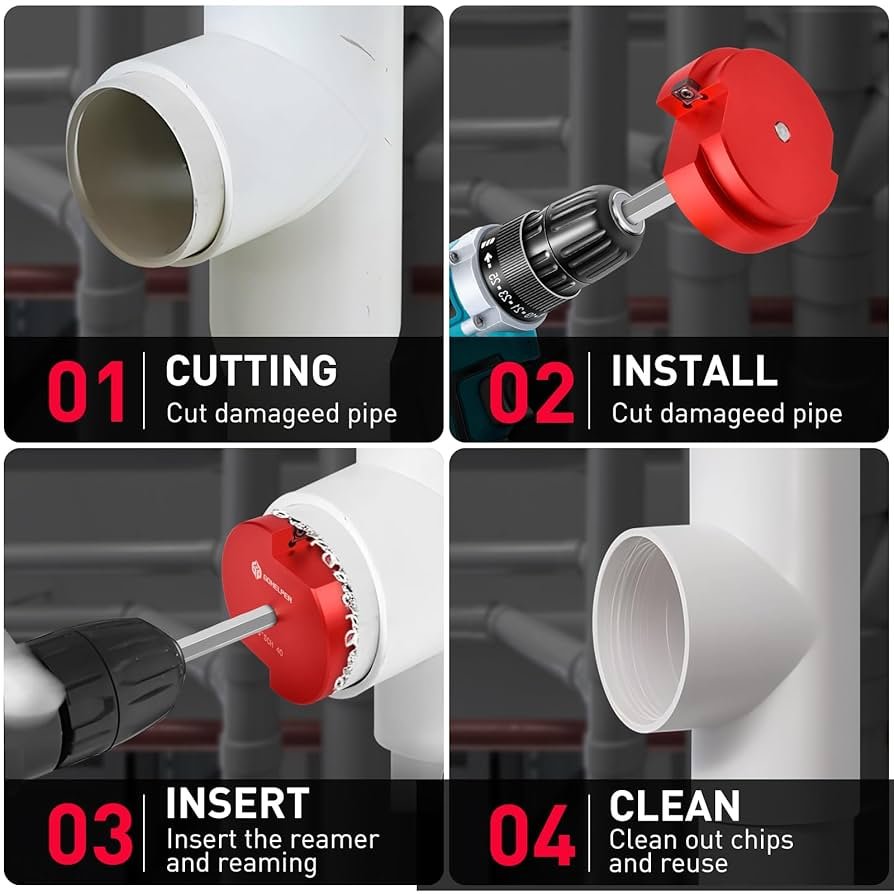
If you work with pipes, you know how important it is to get every step right. Using a pipe reamer properly can save you time, prevent damage, and make your work look professional.
But if you’re not careful, it can be frustrating and even cause problems down the line. You’ll learn simple, clear tips to use a pipe reamer like a pro. Keep reading to discover how small changes in your technique can make a big difference in your results—and help you avoid costly mistakes.
Choosing The Right Pipe Reamer
Using a pipe reamer makes pipe fitting easier and safer. Picking the right reamer helps you get clean cuts and smooth edges.
Different pipes need different reamers. Knowing the types, materials, and sizes helps you choose well.
Types Of Pipe Reamers
There are several pipe reamers made for various jobs. Some reamers are manual, while others use power tools.
Choosing the type depends on the pipe size and how often you use the tool.
- Manual reamers are handheld and simple to use.
- Rotary reamers attach to drills for faster work.
- Adjustable reamers fit multiple pipe sizes.
- Fixed-size reamers are strong and precise for one size.
Material Compatibility
Pipe reamers come in different materials to match pipe types. Using the right material stops damage to the pipe and tool.
Steel and carbide blades work well with metal pipes. Plastic pipes need softer blades to avoid cracks.
- High-speed steel blades for copper and steel pipes
- Carbide tips for tough or abrasive pipes
- Plastic blades or soft edges for PVC and ABS pipes
- Rust-resistant coatings for wet or outdoor work
Size Selection
Choose a pipe reamer that fits the pipe size exactly. Too large or too small reamers can cause poor results.
Some reamers adjust to different sizes. Others come in sets for many pipe diameters.
- Measure the pipe diameter before picking a reamer
- Use adjustable reamers for various pipe sizes
- Keep sets for working with many pipe types
- Check the tool’s size range before buying

Credit: www.amazon.com
Preparing The Pipe For Reaming
Preparing the pipe properly is essential before using a pipe reamer. It helps to ensure clean cuts and prevents damage.
This process includes cleaning, securing the pipe, and following safety rules. Each step keeps the job safe and effective.
Cleaning The Pipe End
Remove dirt, rust, and old paint from the pipe end. This makes the reaming smoother and more accurate.
- Use a wire brush to clean the pipe end.
- Wipe the pipe with a clean cloth to remove dust.
- Check for any cracks or damage before reaming.
Securing The Pipe
Hold the pipe firmly to avoid slipping during reaming. Proper support reduces errors and keeps you safe.
| Method | Purpose |
| Pipe vise | Holds the pipe steady |
| Clamps | Prevent pipe movement |
| Workbench | Provides a stable surface |
Safety Precautions
Follow safety steps to protect yourself while reaming. Use the right tools and wear protective gear.
- Wear safety goggles to protect your eyes.
- Use gloves to avoid cuts and blisters.
- Keep your work area clean and free of clutter.
- Do not force the reamer; use steady pressure.
Step-by-step Reaming Process
Using a pipe reamer helps clean and smooth pipe edges. It removes burrs after cutting pipes.
Follow simple steps to use the reamer safely and correctly. This keeps your pipes ready for fitting.
Inserting The Reamer
Insert the reamer carefully into the pipe end. Make sure it fits snugly inside the pipe.
Start with the reamer blade tips inside the pipe opening. Avoid forcing it in to prevent damage.
Applying Correct Pressure
Press the reamer gently against the pipe walls. Too much pressure can cause rough edges or damage.
Use steady, even pressure. This helps remove burrs smoothly without bending or scratching the pipe.
- Apply light pressure at first
- Increase pressure gradually if needed
- Stop if you feel resistance or slipping
Rotating The Tool Properly
Turn the reamer slowly inside the pipe. Use a clockwise or counterclockwise motion based on the tool design.
Keep the rotation steady and smooth. Avoid jerky or fast movements to protect pipe edges and tool blades.
- Hold the handle firmly
- Rotate evenly around the pipe
- Check progress often to avoid over-reaming
Avoiding Common Mistakes
Using a pipe reamer is essential for clean pipe edges. Many mistakes can cause damage or reduce tool life. Learn how to avoid these common errors for better results.
This guide covers risks of over-reaming, using dull tools, and ignoring pipe material limits. Follow these tips to work safely and efficiently.
Over-reaming Risks
Over-reaming can weaken pipes and create leaks. It removes too much material, which harms pipe strength. Avoid forcing the reamer or going too deep.
- Check the pipe diameter before reaming.
- Use gentle pressure while turning the tool.
- Stop when the edge is smooth, not wide.
- Inspect the pipe edge for cracks or thinning.
Using Dull Tools
Dull reamers make work harder and damage pipes. They cause rough edges and require more force. Keep your tools sharp and clean for best performance.
| Sign | Problem | Solution |
| Increased effort | Dull blade | Sharpen or replace reamer |
| Jagged pipe edges | Worn cutting surfaces | Inspect and maintain tool |
| Uneven reaming | Damaged teeth | Use proper tool size |
Ignoring Pipe Material Limits
Different pipes need specific reamers. Using the wrong tool can crack or bend pipes. Know the pipe type and use a matching reamer to avoid damage.
- Check pipe material before starting.
- Use a reamer designed for that material.
- Avoid metal reamers on plastic pipes.
- Adjust technique for thin or brittle pipes.
Maintaining Your Pipe Reamer
Keeping your pipe reamer in good shape helps it last longer. Proper maintenance ensures smooth and safe use.
Simple care steps after each use prevent damage. This guide covers cleaning, sharpening, and storage tips.
Cleaning After Use
Clean your pipe reamer right after using it. Remove any metal shavings or debris stuck to the blades.
Use a brush or cloth to wipe the tool clean. Avoid water if the reamer is not rust-resistant.
- Brush off metal particles
- Wipe with a dry cloth
- Use light oil to prevent rust
Sharpening Blades
Dull blades reduce the reamer’s performance. Sharpen the blades regularly to keep them sharp and effective.
Use a fine file or sharpening stone. Carefully follow the blade angle to avoid damage.
- Check blades for dullness before use
- Sharpen blades evenly
- Wear protective gloves while sharpening
Proper Storage
Store the pipe reamer in a dry place to prevent rust. Keep it away from moisture and dust.
Use a tool box or protective case. This helps protect the blades and keeps the reamer ready for use.
- Keep in a dry, cool area
- Use protective covers if available
- Store away from heavy tools that can damage it

Credit: www.reedmfgco.com
Troubleshooting Reaming Issues
Using a pipe reamer can be tricky if problems occur during the process. These issues can affect the quality of your work and cause delays.
Knowing how to fix common reaming problems helps you save time and get better results. This guide covers rough edges, stuck reamers, and uneven cuts.
Dealing With Rough Edges
Rough edges appear when the reamer cuts unevenly or too fast. These edges can cause leaks or damage to pipes.
To avoid rough edges, use steady pressure and slow speed. Make sure the reamer blade is sharp and clean before use.
- Check the blade for dullness or damage
- Apply light, even pressure during reaming
- Keep the reamer aligned with the pipe
- Clean the pipe surface before reaming
Handling Stuck Reamers
A reamer can get stuck if the pipe is tight or the tool is misaligned. Forcing it may cause damage or injury.
To free a stuck reamer, gently twist it back and forth. Lubricate the tool and pipe if needed to reduce friction.
- Do not use excessive force to pull the reamer out
- Apply lubricant around the stuck area
- Try small back-and-forth movements to loosen
- Check the pipe for bends or obstructions
Addressing Uneven Cuts
Uneven cuts happen when the reamer is not centered or moves too quickly. This can weaken the pipe or cause fitting problems.
Keep the reamer steady and centered during use. Use controlled speed and make sure the pipe is secured before reaming.
- Hold the reamer firmly and keep it straight
- Secure the pipe with clamps or a vise
- Use slow, even turns to cut the pipe
- Inspect the pipe edge after reaming for smoothness

Credit: www.reedmfgco.com
Frequently Asked Questions
What Is The Main Purpose Of A Pipe Reamer?
A pipe reamer removes burrs and smooths pipe edges after cutting. This prevents damage and ensures a proper fit. It helps maintain pipe integrity and improves flow efficiency in plumbing and mechanical systems.
How Do You Use A Pipe Reamer Safely?
Hold the pipe firmly and insert the reamer gently. Rotate it clockwise to remove burrs evenly. Avoid excessive force to prevent pipe damage. Always wear protective gloves and eye protection during use for safety.
Can A Pipe Reamer Be Used On All Pipe Materials?
Pipe reamers work best on metal pipes like copper, steel, and aluminum. They may not be suitable for plastic or PVC pipes, which require specialized tools. Always check the pipe material before using a reamer.
How Often Should You Clean A Pipe Reamer?
Clean the reamer after each use to maintain sharpness and efficiency. Remove debris and metal shavings with a brush or cloth. Proper cleaning extends the tool’s lifespan and ensures consistent performance.
Conclusion
Using a pipe reamer correctly is essential for smooth projects. It saves time and prevents damage to pipes. Always ensure a steady grip for safety. Clean the pipe ends carefully after reaming. This simple tool improves work efficiency. Practice regularly for better results.
Remember to choose the right size reamer. This ensures proper fit and function. With patience and attention, anyone can handle a pipe reamer. Enjoy the satisfaction of a job well done.