
Are you about to work on a live electrical circuit? Before you start, you need to be absolutely sure it’s safe.
Using a voltage detector can be your best move to avoid shocks and accidents. Imagine having a simple tool that instantly tells you if a wire is live—giving you peace of mind and confidence. You’ll discover how a voltage detector works, why it’s essential for your safety, and how to use it correctly every time.
Keep reading to protect yourself and make your electrical tasks much easier.
Credit: mrelectric.com
Choosing The Right Voltage Detector
Using a voltage detector is important for safety when working with live circuits. It helps you check if a wire or device has electricity before touching it.
Selecting the right voltage detector depends on the type of work and the electrical systems you deal with. Knowing your options makes the job safer and easier.
Types Of Voltage Detectors
There are several types of voltage detectors. Each type works best in different situations.
- Non-contact voltage detectors:Detect voltage without touching wires. Good for quick checks.
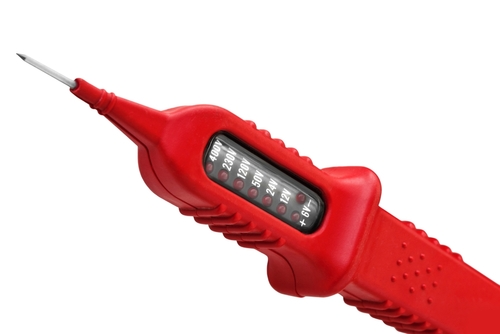
- Contact voltage testers:Require direct contact with the wire. Provide more accurate readings.
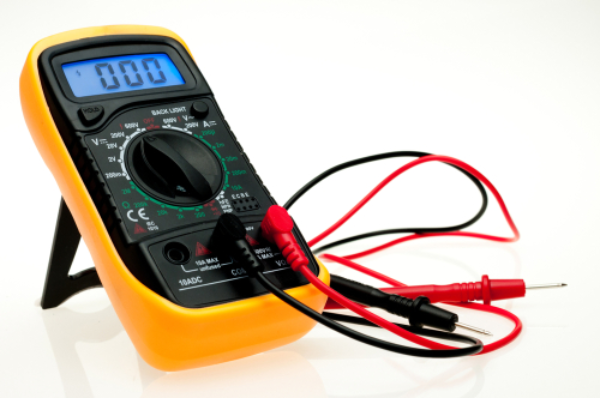
- Multimeter voltage testers:Measure voltage and other electrical values. Useful for detailed testing.
- Clamp meters:Detect current and voltage by clamping around a wire. Helpful for live circuits.
Key Features To Consider
Look for features that make the voltage detector safe and easy to use. These features help you get accurate results.
- Voltage range:Choose a detector that covers the voltage levels you work with.
- Safety rating:Check for proper insulation and safety certifications.
- Display type:Some have lights, sounds, or digital screens to show voltage presence.
- Power source:Battery life and type affect how long the detector works.
- Size and weight:A compact and lightweight tool is easier to handle.
Calibration And Accuracy
Calibration keeps the voltage detector working correctly. Without it, readings may be wrong and unsafe.
Check calibration dates and follow the manufacturer’s instructions. Regular testing improves accuracy and safety.
- Verify calibration before first use
- Recalibrate according to the schedule
- Keep detectors clean and undamaged
- Test detectors on known live circuits to confirm accuracy

Credit: kaiweets.com
Preparing For Voltage Testing
Testing live circuits with a voltage detector needs careful preparation. Safety is key to avoid accidents.
Before starting, check your tools and work area. Use the right gear to protect yourself.
Personal Protective Equipment
Wear protective gear to keep safe from electric shocks and burns. Use equipment made for electrical work.
- Insulated gloves reduce risk of shock
- Safety glasses protect your eyes
- Flame-resistant clothing prevents burns
- Non-conductive shoes improve safety
Inspecting Tools And Equipment
Check your voltage detector and other tools before use. Look for damage or wear that could cause failure.
- Test the voltage detector on a known live source
- Look for cracks or breaks in insulation
- Ensure batteries are fresh and working
- Verify tool ratings match the circuit voltage
Setting Up A Safe Work Area
Clear the area around the circuit to avoid hazards. Keep the workspace dry and free of clutter.
- Use barriers to keep others away
- Place warning signs near the work zone
- Ensure good lighting for clear visibility
- Have an emergency plan ready
Safe Voltage Detection Techniques
Using a voltage detector helps you find live electrical circuits safely. It stops electric shocks and accidents.
Knowing how to use the detector correctly keeps you and others safe. Follow simple rules to check electricity.
Proper Handling Of The Detector
Hold the voltage detector by its insulated handle only. Never touch the metal parts during testing.
Keep the detector clean and dry. Moisture or dirt can cause wrong readings or electric shock.
- Use gloves if needed for extra safety
- Store the detector in a safe place
- Check batteries before use
- Do not use a damaged detector
Step-by-step Testing Procedure
Turn on the voltage detector and test it on a known live source first. This confirms it works well.
Place the detector tip near the wire or device you want to check. Watch for signals like lights or sounds.
- Test a known live point to confirm the detector is working
- Keep your hand steady and avoid touching wires
- Move the detector slowly along the wire or terminal
- Look for any indication of voltage presence
- If no voltage shows, test again on a live point
Avoiding Common Mistakes
Do not assume a circuit is dead without testing. Always check before touching wires.
Never rely on just one test. Repeat tests to be sure and avoid risks.
- Ignoring detector battery life
- Touching metal parts during testing
- Testing without turning on the detector
- Rushing through the testing process
- Not testing the detector on a known live source first
Interpreting Voltage Detector Readings
Voltage detectors help you check if wires or circuits carry electricity. Reading them right is important for safety. You must know what the signals mean before working on any electrical system.
This guide explains how to understand voltage detector results. It covers spotting live circuits, handling false signals, and confirming your findings.
Recognizing Live Circuits
A live circuit means electricity flows through it. Voltage detectors usually light up or beep when they find voltage. This alerts you to the presence of electrical power.
Some detectors show different signals for various voltage levels. Pay attention to the strength and type of signal to know if the circuit is truly live.
- Strong beep or bright light means high voltage
- Weaker signals may indicate low voltage or interference
- No signal usually means no voltage detected
Dealing With False Positives And Negatives
False positives happen when the detector shows voltage but there is none. False negatives occur when the detector misses voltage that is present. Both can be dangerous.
False signals may come from nearby wires, static electricity, or low battery in the detector. Always be careful and do not trust the detector alone.
- Check the detector battery before use
- Avoid testing near other live wires
- Hold the detector steady and follow instructions
Confirming Results With Additional Tests
Always confirm voltage detector readings with other tests. Use a multimeter or voltage tester for more accurate results. This reduces the risk of mistakes.
Double-check by testing different points in the circuit. Never assume a circuit is safe based on one test only.
- Use a multimeter to measure exact voltage
- Test at several points to confirm live wires
- Wear protective gear when testing live circuits
Maintenance And Storage Of Voltage Detectors
Using a voltage detector on live circuits requires careful maintenance. Proper care helps the tool stay accurate and safe. Storing the device correctly also extends its life.
This guide explains how to clean, inspect, and store your voltage detector. Follow these tips to keep your tool ready for use.
Cleaning And Inspection
Clean your voltage detector after each use to remove dust and dirt. Use a soft cloth with mild soap. Avoid harsh chemicals that can damage the device.
Inspect the detector carefully before use. Check for cracks, loose parts, or damaged probes. If you find any damage, do not use the device until it is repaired.
- Wipe the surface with a damp cloth
- Check the probe tips for wear or damage
- Ensure the casing is free of cracks
- Verify that buttons and switches work smoothly
Battery Care
Voltage detectors often use batteries to operate. Keep batteries fresh to ensure accurate readings. Replace batteries as soon as the device shows low power signs.
Remove batteries if you will not use the detector for a long time. This prevents battery leaks that can harm the device.
- Use the battery type recommended by the manufacturer
- Replace batteries regularly to avoid power loss
- Remove batteries if the tool will be unused for months
- Store batteries separately in a cool, dry place
Safe Storage Practices
Store the voltage detector in a dry, cool place away from direct sunlight. High heat and moisture can damage the tool’s electronics.
Use a protective case or pouch to guard against dust and impacts. Keep the detector away from chemicals and heavy objects that might cause damage.
- Keep the detector in its original case
- Store in a location with stable temperature
- Avoid placing heavy items on top of the detector
- Keep away from liquids and corrosive materials
Emergency Response And Troubleshooting
Using a voltage detector on live circuits helps spot danger fast. It protects people working with electricity.
Knowing how to respond to issues keeps everyone safe. Quick action stops accidents and fixes problems.
Handling Unexpected Live Circuits
Sometimes you find live wires where you don’t expect them. Always assume wires are live until tested.
- Turn off power if possible before working.
- Use a voltage detector to check wires.
- Wear insulated gloves and boots.
- Keep tools dry and insulated.
- Mark live circuits clearly to warn others.
Responding To Detector Malfunctions
A voltage detector may fail or give false readings. Always verify with a second tool or method.
| Problem | Possible Cause | Action |
| No light or sound | Dead batteries | Replace batteries immediately |
| False positive | Nearby electrical noise | Retest away from interference |
| Detector won’t turn on | Internal fault | Use backup detector or repair |
| Inconsistent readings | Damaged sensor | Stop use and replace device |
First Aid Basics For Electrical Incidents
If someone gets shocked, act fast but safely. Do not touch them if still in contact with electricity.
- Turn off power source if possible.
- Call emergency services immediately.
- Use a non-conductive object to move the person away.
- Check for breathing and pulse.
- Start CPR if needed and trained.
- Keep the person calm and warm until help arrives.
Credit: mrelectric.com
Frequently Asked Questions
What Is A Voltage Detector Used For?
A voltage detector checks if electrical circuits are live or de-energized. It helps ensure safety before working on wiring or devices. It detects voltage without direct contact, preventing electric shock and accidents during electrical maintenance.
How To Safely Use A Voltage Detector On Live Circuits?
First, verify the detector works on a known live source. Then, carefully approach the circuit without touching bare wires. Hold the detector close to wires or terminals to sense voltage presence. Always follow manufacturer safety instructions to avoid risks.
Can A Voltage Detector Measure Exact Voltage Levels?
No, a voltage detector only indicates if voltage is present or absent. It does not provide precise voltage readings. For exact measurements, use a multimeter or voltmeter designed to measure voltage values accurately.
Why Is A Non-contact Voltage Detector Preferred?
Non-contact detectors sense voltage without direct wire contact, enhancing user safety. They reduce risk of electric shock and are quick to use. This feature makes them ideal for testing live circuits in homes, offices, and industrial settings.
Conclusion
Using a voltage detector ensures safety when working with live circuits. It’s a simple tool that saves lives. Always check your device before use. Ensure it’s functioning correctly. This small step can prevent serious accidents. Stay alert and follow safety guidelines.
Practice makes perfect, so use it regularly. Familiarize yourself with its features. Understand what each signal means. Knowledge is key to safety. Regularly maintain your voltage detector. A well-maintained tool is reliable. Remember, safety comes first. Protect yourself and others.
Use your voltage detector wisely. Make it a part of your routine. Stay safe, stay informed.