If you’ve ever struggled to pull wires through a wall or conduit, you know how frustrating it can be. That’s where a fish tape comes in—a simple tool that can save you time and effort.
But using it the right way is key to avoiding damage and getting the job done quickly. You’ll learn exactly how to use a fish tape properly, so you can tackle your wiring projects with confidence and ease. Stick with me, and you’ll master this essential skill in no time.

Credit: www.youtube.com
Choosing The Right Fish Tape
Using fish tape properly starts with choosing the right one. The right fish tape makes pulling wires easier and safer. Different jobs need different types of fish tape.
Consider the material, length, and thickness of the fish tape. These factors affect how well it works in tight spaces and over long distances.
Types Of Fish Tape
Fish tapes come in many types. Steel fish tape is strong and good for tough jobs. Fiberglass tape is flexible and does not conduct electricity. Nylon tape is lightweight and easy to handle.
- Steel: durable, best for rough use
- Fiberglass: flexible, safe around electricity
- Nylon: light, easy to pull through small spaces
Material Considerations
Choose the material based on the job environment. Steel works well in clean, dry areas but can rust. Fiberglass resists rust and electricity. Nylon is good for delicate wires and tight bends.
| Material | Advantages | Disadvantages |
|---|---|---|
| Steel | Strong and durable | Can rust, conducts electricity |
| Fiberglass | Flexible, non-conductive | Less strong than steel |
| Nylon | Lightweight, flexible | May wear out faster |
Length And Thickness
Select fish tape length based on wire run distance. Longer tape is good for big jobs. Thicker tape is stronger but less flexible. Thin tape fits tight spaces but can break easier.
- Long tape for long wire runs
- Thick tape for strength
- Thin tape for tight or curved areas
Credit: www.kleintools.com
Preparing For Wiring
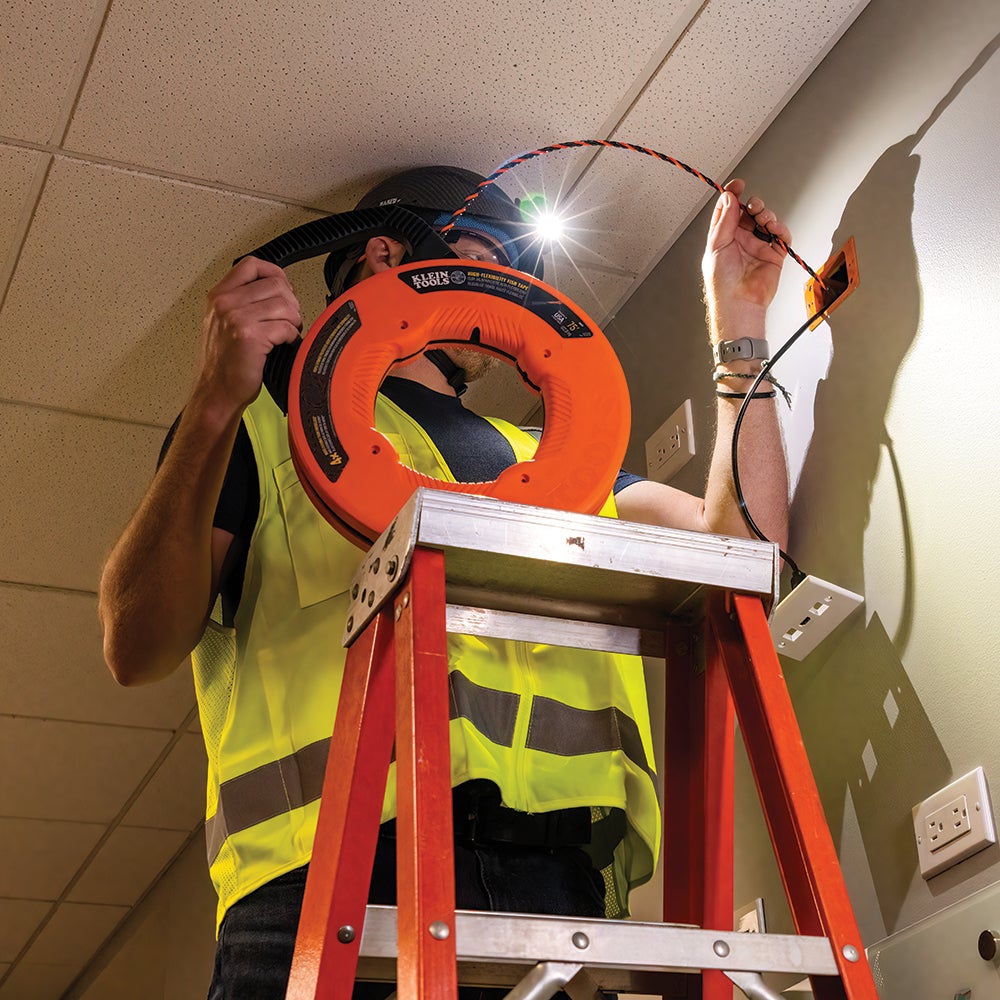
Using a fish tape makes wiring easier by guiding cables through walls and conduits. Proper preparation helps avoid damage and saves time.
Check the wiring path carefully before pushing the fish tape. Clear the way so the tape can move smoothly and safely.
Inspecting The Pathway
Look inside the conduit or wall cavity for bends, sharp edges, or blockages. These can stop the fish tape or damage the wire.
Use a flashlight to see clearly. Measure the distance to know how much tape you need.
Clearing Obstacles
- Remove loose debris or dust inside the conduit.
- Check for wires or nails that block the path.
- Trim insulation or drywall pieces if needed.
- Use lubricant if the path feels tight or rough.
Safety Precautions
| Safety Tip | Reason |
|---|---|
| Wear gloves | Protect hands from sharp edges on the tape |
| Turn off power | Prevent electric shock while working |
| Use eye protection | Shield eyes from dust or debris |
| Do not force the tape | Avoid damage to conduit and wires |
Feeding The Fish Tape
Feeding the fish tape properly helps you pull wires through walls or conduits. It makes the job faster and safer.
Using the right technique reduces damage to the tape and wiring. It also prevents delays in your work.
Proper Handling Techniques
Hold the fish tape firmly to control its movement. Do not let it twist or bend sharply.
Feed the tape slowly into the conduit. This helps avoid sudden jams or damage.
- Keep a steady grip on the tape reel
- Push the tape straight without forcing it
- Pull it back gently if stuck
Avoiding Snags And Kinks
Snags and kinks can damage the tape and make pulling wires hard. Watch for sharp bends or rough edges.
Move the tape carefully around corners. If the tape catches, pull it back and try again at a different angle.
- Inspect the conduit for obstacles before feeding
- Use smooth, slow movements
- Do not force the tape through tight spots
- Keep the tape straight to prevent kinks
Using Lubricants
Lubricants help the tape slide easily through the conduit. They reduce friction and protect the tape.
Choose lubricants made for electrical work. Apply them evenly on the tape before feeding.
- Use water-based or wire-pulling lubricant
- Apply a thin coat on the tape
- Reapply if the tape feels sticky or slow
- Avoid oily lubricants that attract dirt
:max_bytes(150000):strip_icc()/SPR-ways-to-remove-stickers-from-any-surface-8737465-Step-07-478176ad4ac1445d9698d85548816abe.jpg)
Credit: www.thespruce.com
Pulling Wires With Fish Tape
Fish tape helps electricians pull wires through walls, ceilings, and conduit. It guides wires safely in tight spaces without damage.
Using fish tape correctly makes wire pulling easier and faster. This guide covers key steps to use fish tape well.
Attaching Wires Securely
Attach the wire firmly to the fish tape end to avoid slipping. Use strong knots or tape to keep it in place.
- Strip a small section of wire insulation.
- Loop the wire end around the fish tape tip.
- Secure with electrical tape tightly.
- Test by pulling gently before feeding through conduit.
Maintaining Tension
Keep steady tension on the fish tape to prevent kinks or tangles. Too much slack can cause jams.
| Tip | Description |
| Pull Slowly | Move the tape steadily to avoid sudden jerks. |
| Hold Firmly | Use a good grip to control the tape’s movement. |
| Watch for Resistance | Stop if the wire feels stuck to prevent damage. |
Managing Wire Bundles
When pulling multiple wires, keep bundles organized. This helps avoid tangles and simplifies installation.
- Group wires by type or destination.
- Use cable ties to hold bundles tightly.
- Leave some slack at ends for adjustments.
- Label wires for easy identification later.
Troubleshooting Common Issues
Using a fish tape can be tricky if problems arise during the job. Troubleshooting helps you fix issues fast. This guide covers common problems and their solutions.
Learn how to handle stuck tape, manage twists and bends, and repair damaged tape for smooth work.
Dealing With Stuck Tape
Fish tape often gets stuck inside walls or conduits. Don’t pull hard; this may damage the tape or wires. Instead, try these tips to free the tape safely.
- Push the tape gently forward and backward to loosen it.
- Use a lubricant like wire-pulling gel inside the conduit.
- Check if the conduit has sharp bends causing the blockage.
- Remove any visible obstructions before pulling again.
- If stuck tightly, use a flashlight to inspect the path.
Handling Twists And Bends
Twists and bends in fish tape make pulling wires hard. They can also cause the tape to kink or break. Follow these tips to avoid and fix twists and bends.
| Problem | Cause | Solution |
| Twisted tape | Over-rotation while feeding | Unwind slowly and straighten the tape |
| Sharp bends | Conduit corners or tight curves | Use flexible tape or guide wire |
| Kinks in tape | Sudden stops or pulling force | Remove tape and smooth out kinks carefully |
Repairing Damaged Tape
Damage like nicks or breaks reduce tape strength. Fix or replace damaged tape to keep working safely. Follow these repair tips.
Here is a quick repair checklist:
- Clean the damaged area with a cloth.
- Use strong adhesive tape to cover small nicks.
- For breaks, splice with a durable connector or replace the tape.
- Test the repaired tape before use to ensure it works properly.
Maintenance And Storage
Keeping your fish tape in good shape helps it last longer. Proper care stops damage and makes your work easier.
Learn how to clean, coil, and store your fish tape the right way. These tips save time and money.
Cleaning The Tape
Remove dirt and grime after each use to keep your tape working well. Use a damp cloth and mild soap for cleaning.
- Wipe the tape gently with a soft cloth
- Use warm water and mild soap if needed
- Dry the tape completely before storing
- Avoid harsh chemicals that can damage the tape
Proper Coiling Techniques
Coiling the tape correctly prevents kinks and bends. Use smooth, even loops to keep the tape straight and ready.
- Hold the tape firmly near the end
- Make loose, even loops about 12 inches wide
- Avoid tight bends that cause damage
- Secure the coil with a soft strap or band
Storing For Longevity
Store your fish tape in a dry, cool place. Avoid wet or hot areas that can cause rust or warping.
| Storage Tip | Reason |
|---|---|
| Keep in a closed container | Protects from dust and moisture |
| Store flat or hung on a hook | Prevents twisting and bending |
| Avoid direct sunlight | Prevents material breakdown |
| Check tape regularly | Find and fix issues early |
Frequently Asked Questions
What Is A Fish Tape Used For?
A fish tape helps electricians pull wires through walls and conduits. It simplifies routing cables in tight spaces safely and efficiently.
How Do You Feed Fish Tape Through Conduit?
Push the fish tape gently through the conduit until it reaches the other end. Avoid forcing it to prevent damage.
Can Fish Tape Damage Wires Or Conduit?
Improper use can cause scratches or kinks. Always handle fish tape carefully to protect wires and conduit integrity.
How Do You Retrieve Fish Tape After Use?
Attach a pull line or wire to the tape’s end, then pull the tape back slowly to avoid tangling.
Conclusion
Using a fish tape properly ensures efficient wire installation. Keep it clean and well-maintained for best results. Practice improves your skills and confidence. Safety should always be a priority. Wear gloves and protective gear. Consider the environment and obstacles before starting.
Understanding your tools makes your job easier. A little patience goes a long way. Remember, every project is a learning experience. With practice, you’ll become more comfortable using fish tape. Always follow instructions and guidelines. Happy wiring!