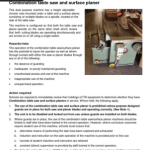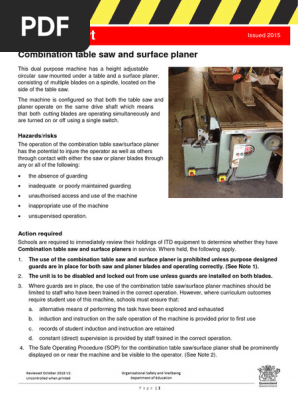
If you use a table saw, your safety should be the top priority every time you step into the workshop. One small mistake can lead to serious injuries.
That’s why having a clear, easy-to-follow table saw safety checklist is essential for you. This checklist will help you protect your fingers, eyes, and hands while making your cuts. Keep reading to discover simple but powerful safety steps that can save you from accidents and give you confidence every time you work.
Your safety matters—let’s make sure you’re fully prepared before turning on that saw.
Credit: www.ebay.com
Preparing Your Workspace
Setting up your workspace safely is key before using a table saw. A clean and organized area helps avoid accidents.
Check your surroundings and lighting to keep focus. Remove anything that might cause distractions or harm.
Clearing The Area
Remove all tools, scrap wood, and debris from near the saw. This creates a safe zone and prevents tripping.
- Keep the floor clean and free of clutter
- Store loose cords and cables away from the saw
- Clear the workbench of unnecessary items
- Make sure wood pieces are stacked safely
Ensuring Proper Lighting
Good lighting helps you see the cutting line clearly. It reduces mistakes and improves safety.
| Lighting Type | Purpose | Recommended Position |
|---|---|---|
| Overhead Light | Brightens entire workspace | Directly above the saw |
| Task Light | Focuses on cutting area | Attached to saw or nearby stand |
| Natural Light | Improves visibility and comfort | Near windows, if possible |
Checking For Distractions
Distractions can cause loss of focus. Minimize noise and interruptions before starting work.
- Turn off phones or set to silent mode
- Inform others to avoid entering the workspace
- Close doors to reduce noise
- Wear hearing protection if needed
Inspecting The Table Saw
Inspecting your table saw before use is important for safety. It helps prevent accidents and ensures smooth cuts.
Check key parts like the blade, alignment, and safety features. Fix any issues before you start working.
Blade Condition And Sharpness
Look at the blade for any damage or dull teeth. A sharp blade cuts better and reduces kickback risks.
Replace or sharpen blades that are chipped, bent, or dull. Clean the blade to remove resin or pitch buildup.
- Check for missing or damaged teeth
- Ensure the blade is clean and free of debris
- Replace dull or bent blades immediately
Alignment And Calibration
Make sure the blade is parallel to the miter slot. Proper alignment helps make straight and accurate cuts.
Check the fence and miter gauge for proper calibration. Loose parts can cause the wood to bind or kick back.
- Verify blade is parallel to the miter slot
- Ensure fence locks securely in place
- Check miter gauge for accurate angle settings
Safety Guards And Features
Inspect the blade guard, riving knife, and anti-kickback pawls. These parts protect you during cutting.
Do not use the saw if guards are missing or broken. Make sure all safety features work smoothly and stay in place.
- Check blade guard for cracks or damage
- Ensure riving knife is properly aligned
- Test anti-kickback pawls for freedom of movement
Personal Protective Equipment
Using a table saw can be dangerous without the right protection. Personal protective equipment helps keep you safe while working.
Always wear proper gear to protect your eyes, ears, and body from injury and dust.
Eye And Ear Protection
Wear safety glasses or goggles to protect your eyes from flying wood chips. Use earplugs or earmuffs to guard your hearing from loud saw noise.
- Safety glasses or goggles must fit well and have side protection.
- Earmuffs provide better noise reduction than earplugs but use what feels comfortable.
- Replace ear protection if damaged or worn out.
Proper Clothing
Wear clothes that fit well and do not hang loose. Loose clothing can catch in the saw blade and cause injury.
| Clothing Type | Safety Tips |
|---|---|
| Tops | Wear snug shirts or tops without loose sleeves. |
| Pants | Choose fitted pants without frayed edges. |
| Footwear | Use closed-toe shoes with good grip to avoid slips. |
| Accessories | Remove jewelry and tie back long hair. |
Using Push Sticks And Featherboards
Push sticks and featherboards help keep your hands away from the blade. They also hold the wood steady for safer cuts.
- Use push sticks to guide small or narrow pieces safely.
- Featherboards apply pressure to the wood for even cutting.
- Check tools before each use for damage or wear.
- Keep push sticks and featherboards clean and dry.
Credit: ftp.spaceneedle.com
Safe Operating Techniques
Using a table saw safely is very important to avoid injuries. Always follow proper techniques when operating the saw.
These techniques help you control the saw and keep your hands away from danger.
Correct Stance And Hand Placement
Stand firmly with your feet shoulder-width apart. Keep your body balanced and close to the saw.
Place your hands on the material, not near the blade. Use a push stick if your hands get too close.
- Keep your left hand on the material ahead of the blade
- Use your right hand to push material steadily
- Never reach over the blade
- Use push sticks for small pieces
Feeding The Material
Feed the wood into the blade slowly and steadily. Do not force the material through the saw.
Keep the material flat on the table and against the fence. This helps make straight and safe cuts.
- Feed material at a consistent speed
- Keep pressure against the fence
- Do not stop feeding until cut is complete
- Make sure the wood is free of nails or screws
Avoiding Kickback
Kickback happens when wood is thrown back toward you. It can cause serious injuries.
To avoid kickback, keep the blade sharp and use a riving knife or splitter. Always stand to the side of the blade.
- Use a riving knife or splitter to keep wood from pinching the blade
- Do not cut warped or twisted wood
- Stand to the side, not behind the blade
- Keep blade height just above the material thickness
Maintenance And Storage
Keeping your table saw in good shape is key to working safely. Proper maintenance helps the saw run smoothly.
Safe storage protects the saw and keeps your workspace organized. Follow these tips to maintain and store your saw well.
Regular Cleaning
Clean your table saw after each use. Dust and debris can cause problems if left inside.
Use a brush or air compressor to remove sawdust from all parts. Wipe down surfaces with a dry cloth.
- Remove sawdust from blade and motor area
- Keep the table surface clean and smooth
- Check vents for dust buildup
- Clean fence and miter gauge tracks
Blade Replacement
Replace the blade when it becomes dull or damaged. A sharp blade cuts better and is safer to use.
Turn off and unplug the saw before changing the blade. Use the right tools and follow the saw’s manual.
- Check blade teeth for wear or damage
- Use the correct blade size and type
- Tighten the blade securely after installation
- Test the blade before cutting wood
Safe Storage Practices
Store your table saw in a dry, clean place. Avoid areas with high humidity or dust.
Cover the saw to protect it from dirt. Keep the blade guard in place to prevent accidents.
- Disconnect power before storing
- Use a sturdy cover or case
- Keep away from children and pets
- Store accessories and blades safely

Credit: www.scribd.com
Emergency Procedures
Knowing what to do in an emergency can save lives. This checklist helps you act fast and safely.
Follow these steps to handle accidents around the table saw carefully and correctly.
Power Off And Unplugging
Turn off the table saw immediately if there is an accident. This stops the blade from moving.
Unplug the saw to make sure it cannot start again by mistake. This protects you and others.
- Switch the power button to off position
- Unplug the saw from the electrical outlet
- Warn others to stay clear while the saw is off
First Aid For Injuries
Check the injured person quickly and safely. Stop any bleeding with clean cloth or bandage.
Keep the injured area still and raise it if possible. Avoid moving the person if there is a serious injury.
- Apply pressure to stop bleeding
- Clean small cuts with water and cover
- Use sterile bandages or cloth to protect wounds
- Keep calm and reassure the injured person
When To Seek Professional Help
Call emergency services if the injury is deep, bleeding heavily, or if the person shows signs of shock.
Get medical help for broken bones, serious cuts, or if the injured person feels weak or dizzy.
- Severe bleeding that does not stop
- Deep cuts exposing muscle or bone
- Signs of shock like pale skin or confusion
- Loss of movement or feeling in limbs
- Head injuries or unconsciousness
Frequently Asked Questions
What Are The Essential Table Saw Safety Tips?
Always wear safety glasses and hearing protection. Use a push stick for small cuts. Keep the blade guard in place. Maintain a clean workspace and avoid loose clothing.
How Do I Prevent Kickback On A Table Saw?
Stand to the side, not directly behind the blade. Use a riving knife or splitter. Keep the fence parallel to the blade. Feed wood smoothly without forcing it.
When Should I Check The Blade Alignment?
Check blade alignment before every use or after blade changes. Proper alignment ensures accurate cuts and reduces kickback risk. Use a square or alignment tool for precision.
What Personal Protective Equipment Is Needed For Table Saw Use?
Wear safety glasses, hearing protection, and a dust mask. Avoid loose clothing and jewelry. Use gloves only when handling wood, not during cutting.
Conclusion
Ensuring safety with a table saw is crucial for every user. Following a checklist helps keep accidents at bay. Always wear safety gear and keep your workspace clean. Check your tools regularly for any damage. Proper lighting helps you see clearly.
Never rush your work; patience ensures precision and safety. Stay focused and avoid distractions during operation. Remember, safety comes first. A simple checklist can protect you and your projects. Prioritize these steps for every cutting session. Your safety matters, every single time.