If you want your hand planes and chisels to work smoothly and last for years, proper maintenance is key. You might already know how frustrating it is when your tools don’t cut cleanly or feel dull in your hands.
But what if you could keep them sharp, reliable, and ready for any project with just a few simple steps? You’ll discover easy ways to care for your hand planes and chisels, saving you time, effort, and money. Keep reading, and you’ll learn how to get the best performance from your tools every time you use them.
Choosing The Right Tools
Choosing the right hand planes and chisels is key for good woodworking results. Quality tools last longer and work better.
Knowing what to look for helps you pick tools that fit your needs and budget.
Selecting Quality Hand Planes
Look for hand planes made with strong materials like cast iron or steel. The sole should be flat and smooth for accurate cuts.
- Check the blade for sharpness and easy adjustment
- Choose a comfortable handle that fits your hand well
- Make sure the plane’s parts are tight and do not wobble
- Test the plane on scrap wood before buying
Picking Durable Chisels
Durable chisels have high-quality steel blades that hold a sharp edge. The handles should be sturdy and shock-resistant.
| Feature | What to Look For |
| Blade Material | High-carbon steel or chrome-vanadium steel |
| Handle | Wood or tough plastic with a good grip |
| Blade Width | Varies from narrow to wide for different jobs |
| Blade Edge | Sharp and easy to resharpen |

Credit: paulsellers.com
Cleaning After Use
Keeping your hand planes and chisels clean after use helps them last longer. Dirt and dust can cause damage if not removed. Proper cleaning keeps the tools sharp and ready.
Cleaning also stops rust from forming. Rust can ruin metal parts quickly. Taking a few minutes to clean your tools protects your investment.
Removing Debris And Dust
Remove wood chips and dust from blades and bodies. Use a soft brush or cloth to wipe the surfaces. Avoid using water as it may cause rust.
- Brush off loose debris with a soft brush
- Wipe blades gently with a dry cloth
- Clean hard-to-reach areas with a small pick or toothpick
- Use compressed air for stubborn dust
Preventing Rust Formation
Rust forms when metal meets moisture and air. Keep your tools dry and protected. Apply a thin layer of oil on metal parts to block moisture.
| Rust Prevention Tips | Tools Care |
| Dry tools immediately after use | Use a dry cloth or towel |
| Apply oil or wax | Light machine oil or paste wax works well |
| Store in a dry place | A toolbox or cabinet is best |
| Check tools regularly | Look for early rust spots and clean them |
Sharpening Techniques
Keeping your hand planes and chisels sharp helps you work better and safer. Sharp tools make clean cuts and last longer.
This guide covers setting up a sharpening station, using whetstones and honing guides, and keeping the right blade angle.
Setting Up A Sharpening Station
Create a quiet, clean area for sharpening. Good light and a flat surface help you see the blade clearly.
- Use a sturdy table or workbench.
- Keep water or oil nearby for whetstones.
- Have a towel or cloth to dry tools.
- Organize stones and guides within reach.
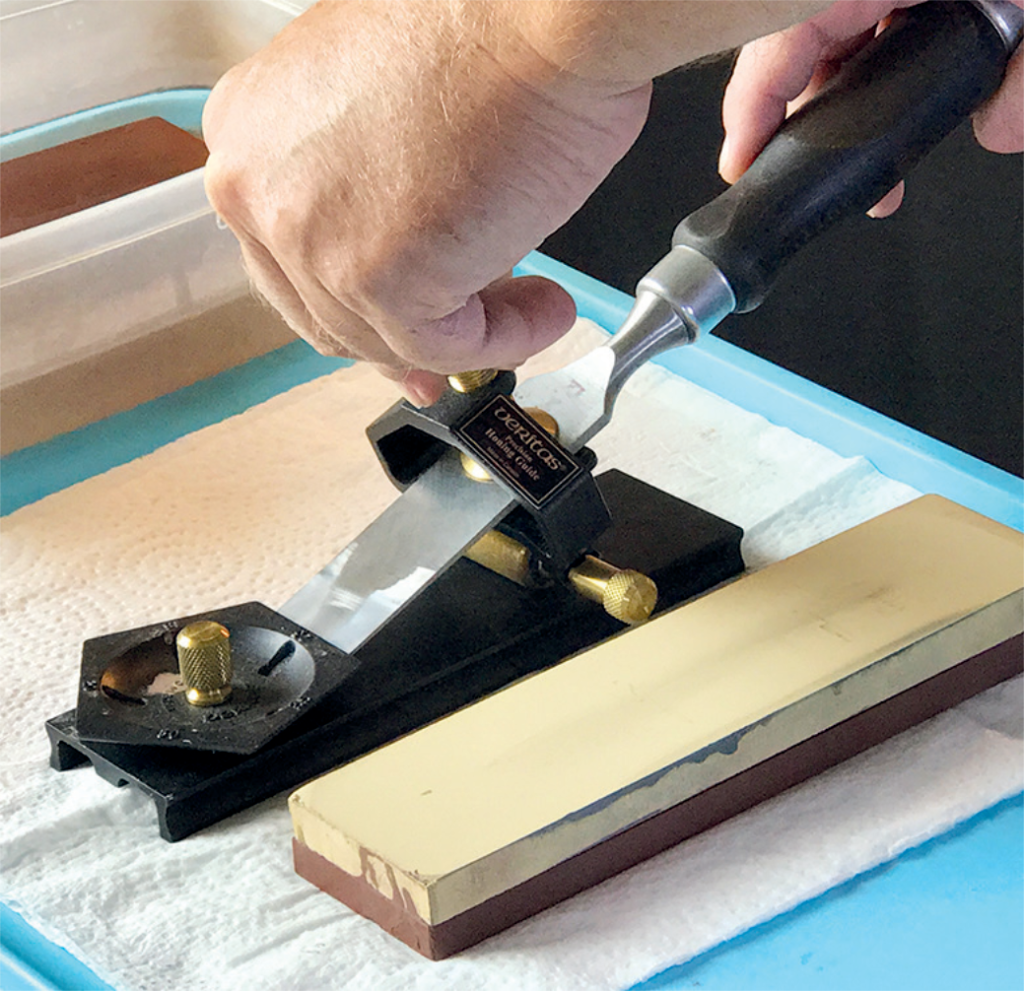
Using Whetstones And Honing Guides
Whetstones sharpen blades by grinding and polishing edges. Honing guides hold the blade steady for a straight edge.
| Whetstone Grit | Purpose |
| Coarse (200-600) | Fix chips and shape blade |
| Medium (800-2000) | Sharpen edge |
| Fine (3000+) | Polish and refine edge |
Maintaining The Correct Blade Angle
Keep the blade at the right angle for the best cut. Too steep or too flat dulls the edge fast.
Common blade angles for sharpening:
- Chisels: 25 to 30 degrees
- Hand planes: 25 to 30 degrees
- Specialty blades: up to 40 degrees for durability
Use a honing guide or angle jig to keep this angle steady.
Proper Storage Solutions
Keeping hand planes and chisels in good condition needs the right storage. Proper storage helps stop damage and keeps tools ready for use.
Organizing your tools well also saves time and space. Let’s look at how to protect blades and organize tools smartly.
Protecting Blades From Damage
Blades are sharp and delicate. They need protection from knocks, moisture, and rust. Using blade guards or sheaths is a simple way to keep edges safe.
- Cover blades with plastic or leather guards.
- Store blades in dry places to avoid rust.
- Apply light oil on blades before storing for long time.
- Keep blades separate to prevent them from touching each other.
Organizing Tools Efficiently
Good organization keeps tools easy to find and reduces clutter. Drawers with dividers or wall racks work well for hand planes and chisels.
| Storage Type | Benefits | Best For |
| Drawer with Dividers | Keeps tools separated and protected | Smaller chisels and planes |
| Wall Rack | Easy access and saves bench space | Larger hand planes and sets of chisels |
| Tool Chest | Portable and organized storage | Full tool collections |
| Blade Guards | Protects blade edges from damage | Individual blades and chisels |
Regular Maintenance Routines
Maintaining hand planes and chisels keeps them sharp and effective. Regular care prevents damage and extends tool life.
Simple routines help your tools work smoothly and safely. Make these habits part of your woodworking practice.
Lubricating Moving Parts
Lubricate the moving parts of your hand planes to reduce friction. This keeps adjustments easy and prevents rust.
- Use light machine oil on adjustment knobs and screws
- Apply a small amount of wax on the sole to improve glide
- Wipe off excess oil to avoid attracting dust
- Lubricate after cleaning and before storing tools
Checking For Wear And Tear
Inspect your tools regularly for signs of damage. Look for dull blades, rust spots, and loose parts.
| Part | Signs of Wear | Action Needed |
| Blade | Dull edges or chips | Sharpen or replace |
| Handles | Cracks or looseness | Tighten or repair |
| Sole (Plane base) | Rust or dents | Clean and smooth |
| Screws and knobs | Stripped or stiff | Lubricate or replace |

Credit: www.msn.com
Repairing Common Issues
Hand planes and chisels need regular care. Fixing small problems keeps tools working well.
This guide shows how to repair loose handles and realign blades and mouths for better use.
Fixing Loose Handles
Loose handles make it hard to control your tools. Tightening or replacing parts can fix this.
- Check the handle for cracks or damage.
- Use a wrench or screwdriver to tighten screws or bolts.
- Apply wood glue if the handle is loose on the tool body.
- Clamp the handle until the glue dries fully.
- Replace the handle if it is broken or worn out.
Realigning Blades And Mouths
Blades and mouths must be aligned for smooth cuts. Misalignment causes rough work and damage.
| Issue | Cause | Solution |
| Blade not straight | Bent blade or poor adjustment | Remove and straighten blade or adjust screws |
| Mouth too wide | Worn or damaged mouth plate | Replace or file mouth plate to correct size |
| Blade sits unevenly | Debris or rust under blade | Clean and smooth the blade seat area |
Extending Tool Lifespan
Hand planes and chisels are essential tools for woodworking. Proper care helps these tools last longer. Taking simple steps can keep them sharp and functional.
Regular maintenance saves money and improves work quality. This guide covers how to avoid damage and when to get professional help.
Avoiding Improper Use
Using hand planes and chisels correctly prevents damage. Misuse can dull blades and break parts. Follow these tips to protect your tools.
- Do not use chisels as pry bars or screwdrivers.
- Avoid forcing the plane or chisel through hard knots.
- Keep blades sharp to reduce effort and wear.
- Use the right size tool for the job.
- Store tools in a dry place to prevent rust.
Periodic Professional Servicing
Even with good care, tools need expert attention. Professionals can restore sharpness and fix any hidden damage.
| Service Type | Frequency | Benefits |
| Blade sharpening | Every 6-12 months | Restores cutting edge and precision |
| Handle tightening or replacement | As needed | Improves grip and safety |
| Rust removal and polishing | Annually | Prevents corrosion and extends life |

Credit: woodworkersinstitute.com
Frequently Asked Questions
How Often Should I Sharpen Hand Planes And Chisels?
Sharpen your hand planes and chisels regularly, ideally after every few uses. Frequent sharpening maintains cutting efficiency and prevents damage to the tools.
What Is The Best Method To Clean Hand Planes?
Use a soft brush or cloth to remove dust and debris. Apply a light oil to prevent rust and keep metal parts smooth.
How Do I Prevent Rust On My Chisels And Planes?
Store tools in a dry place and apply a thin coat of oil. Use rust inhibitors or silica gel packs in your toolbox for extra protection.
Can I Use The Same Sharpening Technique For Planes And Chisels?
Yes, both require honing on a sharpening stone. Maintain the correct bevel angle and use consistent strokes for a sharp edge.
Conclusion
Caring for hand planes and chisels ensures they last longer. Regular maintenance prevents rust and dullness. Keep tools clean after every use. Sharpen blades frequently for best performance. Store them in a dry place to avoid moisture. Use oil to keep metal parts rust-free.
Proper care saves time and effort. Well-maintained tools make woodworking enjoyable. They provide precision and ease. Simple steps can keep your tools in top shape. Enjoy smoother woodworking with well-maintained hand planes and chisels. Happy crafting!