Are you ready to tackle your next DIY project but worried about electrical safety? Handling electrical work can be risky if you don’t know the right precautions.
The good news is, with a few simple tips, you can keep yourself and your home safe while working on your projects. You’ll discover easy-to-follow electrical safety tips that protect you from shocks, fires, and costly mistakes. Keep reading to make sure your DIY efforts stay both fun and safe.

Credit: www.angi.com
Basic Electrical Safety Rules
Working on electrical projects at home can be safe if you follow simple rules. These rules help you avoid shocks and accidents.
Understanding basic safety tips protects you and your family. Always prepare before starting any electrical work.
Turn Off Power Sources
Always switch off the power before starting any electrical project. This stops electricity from flowing to the area you work on.
Use the main circuit breaker or fuse box to cut the power. Double-check with a tester to be sure power is off.
Use Insulated Tools
Use tools with insulated handles to protect yourself from electric shocks. Insulated tools block electricity from reaching your hand.
Check tool handles for cracks or damage before use. Replace tools that are worn out or broken to stay safe.
- Insulated screwdrivers
- Insulated pliers
- Wire strippers with insulated grips
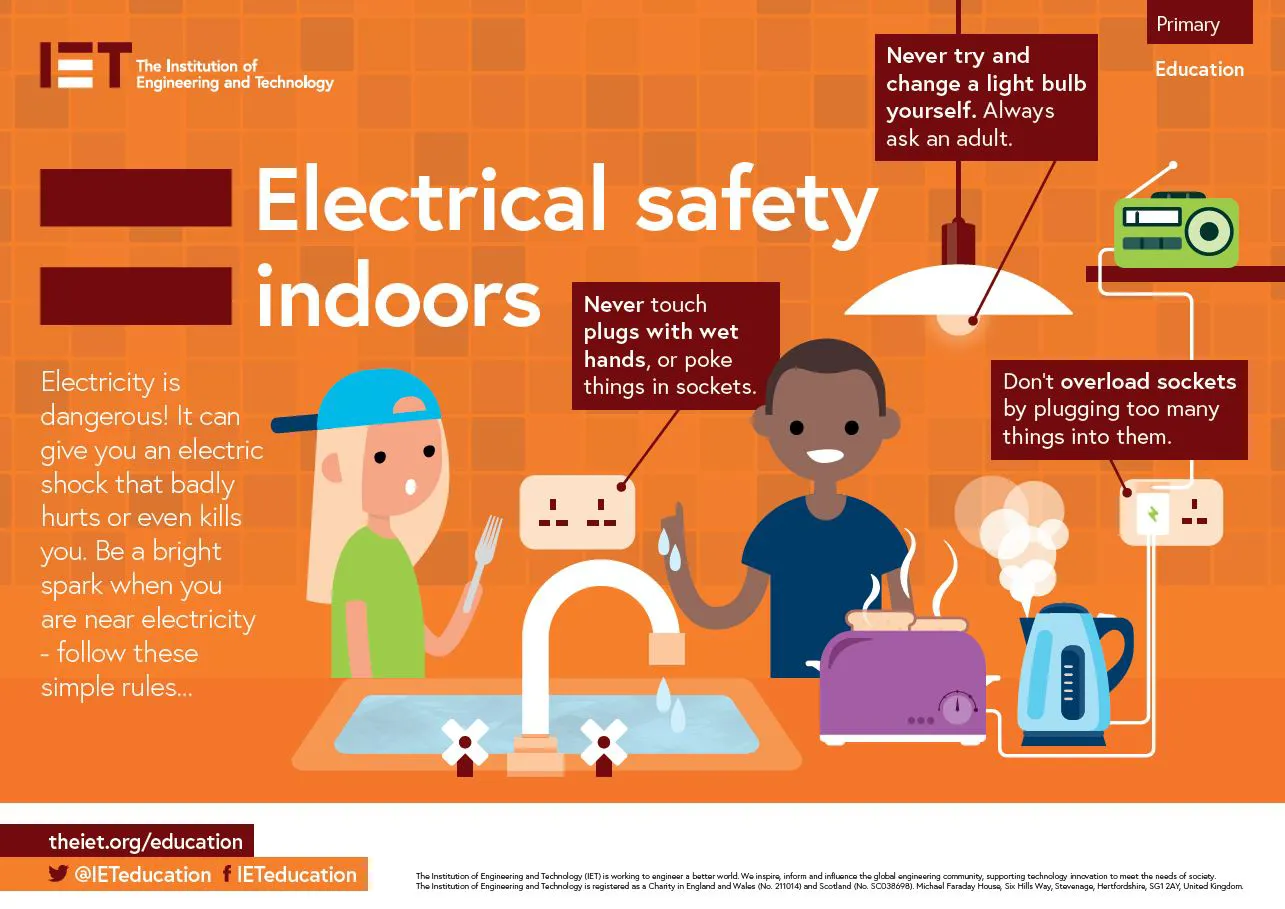
Avoid Water And Damp Areas
Never work on electrical projects near water or in damp places. Water can conduct electricity and cause shocks.
Keep your hands dry and stand on a dry surface. If the area is wet, wait until it is completely dry before starting.
Credit: education.theiet.org
Essential Protective Gear
Working with electricity at home needs careful protection. Using the right gear stops accidents and injuries.
Wear protective tools every time you start a DIY electrical project. It keeps you safe from shocks and cuts.
Wear Rubber-soled Shoes
Rubber-soled shoes help stop electric shocks by blocking electricity from reaching the ground. They also keep you steady on slippery floors.
- Choose shoes with thick rubber soles.
- Avoid shoes with worn-out soles.
- Do not use leather-soled shoes for electrical work.
Use Safety Glasses
Safety glasses protect your eyes from sparks and flying debris. They also shield your eyes if a wire breaks or shorts out.
| Type of Safety Glasses | Best Use |
| Wraparound Glasses | Full eye protection |
| Goggles | Protection from dust and liquids |
| Face Shields | Protects face and eyes from sparks |
Gloves For Electrical Work
Use gloves made for electrical work to avoid shocks and cuts. They keep your hands safe from live wires and sharp tools.
- Pick gloves rated for the voltage you work with.
- Check gloves for holes or tears before use.
- Use insulated gloves with rubber liners.
Preparing Your Workspace
Before starting any DIY electrical project, set up a safe workspace. A good space helps you avoid accidents and work better.
Organize your area to keep tools and materials within reach. Safety begins with a well-prepared place to work.
Clear And Dry Area
Keep your workspace free of clutter. Remove objects that block your movement or tools.
Make sure the floor and surfaces are dry. Water and electricity can cause shocks and fires.
- Clear all unnecessary items
- Wipe spills immediately
- Use non-slip mats if needed
Adequate Lighting
Good lighting helps you see wires and tools clearly. It reduces mistakes that can cause injuries.
Use bright bulbs or portable lights. Make sure no shadows hide your working area.
- Use LED or bright white bulbs
- Position lights to avoid glare
- Consider a headlamp for close work
Proper Ventilation
Work in a space with fresh air. Ventilation helps reduce fumes from solder or paint.
Open windows or use fans to keep air moving. Avoid working in sealed rooms for long times.
- Open nearby windows or doors
- Use a fan to circulate air
- Take breaks outside if needed
Inspecting Electrical Components
Checking electrical parts is important for safety in DIY projects. It helps prevent accidents and damage.
Always inspect each component before starting your work. This keeps your project safe and reliable.
Check For Damaged Wires
Look closely at all wires for cuts, cracks, or frays. Damaged wires can cause shocks or fires.
Replace any wires that show signs of wear. Do not try to fix broken wires with tape.
Test Tools Before Use
Test your tools to make sure they work properly. Faulty tools can lead to mistakes and injuries.
- Use a voltage tester to check electrical currents
- Ensure screwdrivers and pliers are not damaged
- Check insulation on all hand tools
Use Certified Materials
Only use materials approved by safety organizations. Certified materials meet strict safety rules.
Using certified parts reduces the risk of failure and keeps your project safe.
Safe Wiring Practices
Doing electrical work yourself can save money. Safety must be your top goal.
Using correct wiring methods helps prevent fires and shocks. Follow these tips for safe DIY wiring.
Correct Wire Gauge
Using the right wire size is important. Thin wires can overheat and cause fires.
- Check wire gauge for the current load.
- Use thicker wire for higher amps.
- Refer to wire gauge charts before starting.
Secure Connections
Loose wires can cause sparks and shorts. Make sure all connections are tight and safe.
| Connection Type | How to Secure |
| Wire Nuts | Twist wires tightly and screw on the nut firmly |
| Screw Terminals | Tighten screws to hold wires firmly in place |
| Crimp Connectors | Use proper crimping tools to secure the wire |
Avoid Overloading Circuits
Too many devices on one circuit can cause overheating and trips.
- Know the circuit’s maximum amperage.
- Calculate total load from all devices.
- Do not exceed 80% of the circuit capacity.
- Use multiple circuits for heavy loads.

Credit: www.familyhandyman.com
Using Electrical Devices Properly
Working on DIY projects with electrical devices needs care and attention. Using devices the right way keeps you safe.
Always follow simple rules to avoid accidents and damage. Proper use helps your tools last longer.
Follow Manufacturer Instructions
Read the manual before using any electrical device. The manufacturer’s instructions explain safe use and maintenance.
- Check the device’s voltage and power limits.
- Use the recommended accessories and parts.
- Do not change the device’s settings without guidance.
- Keep the device clean and dry as advised.
Avoid Improvised Repairs
Fixing electrical devices without proper tools or knowledge is risky. It can cause shocks or fires.
| Common Improvised Repairs | Risks |
|---|---|
| Using tape to fix wires | Loose connections, fire hazard |
| Replacing parts with wrong items | Device failure, electric shock |
| Bypassing safety switches | Injury, damage to device |
Always use proper repair methods. If unsure, ask a qualified electrician.
Unplug When Not In Use
Unplug devices to save energy and avoid accidents. Devices left plugged can cause shocks or fires.
- Unplug devices after finishing your project.
- Pull the plug, not the cord, to disconnect.
- Check cords and plugs for damage regularly.
- Store devices in a dry place when not used.
Handling Emergencies
Electrical accidents can happen during DIY projects. Knowing what to do can save lives. Stay calm and act quickly.
Understanding how to handle emergencies is key to safety. This guide covers power shutoff, first aid, and when to get help.
Know How To Cut Off Power
Always know where your main power switch or circuit breaker is. Turning off the power stops the flow of electricity.
- Locate your home’s main electrical panel before starting work.
- Label the switches for easy identification.
- Use a voltage tester to confirm power is off.
- Never touch wires until power is cut.
First Aid For Electrical Shocks
If someone gets an electrical shock, act fast but safely. Do not touch the person if they are still in contact with electricity.
Follow these steps to help:
- Turn off the power source immediately.
- Use a wooden stick or plastic item to separate the person from the source if power stays on.
- Call emergency services right away.
- Check the person’s breathing and pulse.
- Start CPR if trained and needed.
- Cover burns with a clean cloth, but do not apply ointments.
When To Call A Professional
Some electrical problems are too dangerous for DIY fixes. Calling a professional keeps you safe.
| Situation | Action |
|---|---|
| Repeated circuit breaker trips | Call a licensed electrician |
| Damaged or frayed wiring | Do not touch, get professional help |
| Power outage after a storm | Check main switch, then call expert |
| Burning smell or sparks from outlets | Turn off power and contact electrician |
| Installing new electrical panels or wiring | Hire a certified electrician |
Frequently Asked Questions
What Are Essential Electrical Safety Tips For Diy Projects?
Always turn off power before starting any work. Use insulated tools and wear protective gear. Double-check wiring and avoid wet conditions to prevent shocks and accidents.
How Can I Prevent Electrical Shocks During Diy Work?
Use rubber-soled shoes and insulated gloves. Keep the work area dry and avoid touching live wires. Always test circuits with a voltage tester before handling.
What Tools Are Safest For Electrical Diy Projects?
Use insulated screwdrivers, wire strippers, and voltage testers. These tools protect against accidental contact with live electricity, reducing shock risk during project work.
When Should I Consult A Professional Electrician?
Consult a professional for complex wiring, circuit breaker issues, or if unsure about safety. DIY projects beyond basic tasks can pose serious risks without expertise.
Conclusion
Safety is crucial in DIY electrical projects. Always prioritize precautions to prevent accidents. Use proper tools and wear protective gear. Double-check connections before turning on power. Understand the basics of circuits and electricity. Consult professionals when unsure about complex tasks.
Knowledge and caution reduce risks significantly. Practice these tips consistently for safe DIY work. Remember, safety should never be compromised for speed or convenience. Trust your instincts; if something feels wrong, stop. Your safety is more important than the project.
Stay informed, stay safe, and enjoy your DIY journey responsibly.