Are you ready to handle plumbing and electrical tasks on your own? Before you pick up those tools, it’s crucial to know how to use them safely.
One wrong move can cause serious injury or damage to your home. This guide is designed to help you understand the essential safety tips for using plumbing and electrical tools. By following these simple steps, you’ll protect yourself and get the job done right the first time.
Keep reading to learn how to work smarter and safer with your tools.
Choosing The Right Tools
Using the right tools is important for safety and success in plumbing and electrical work. Choosing tools that fit the job helps you work faster and avoid accidents.
This guide covers essential plumbing tools, common electrical tools, and how to keep your tools in good condition.
Essential Plumbing Tools
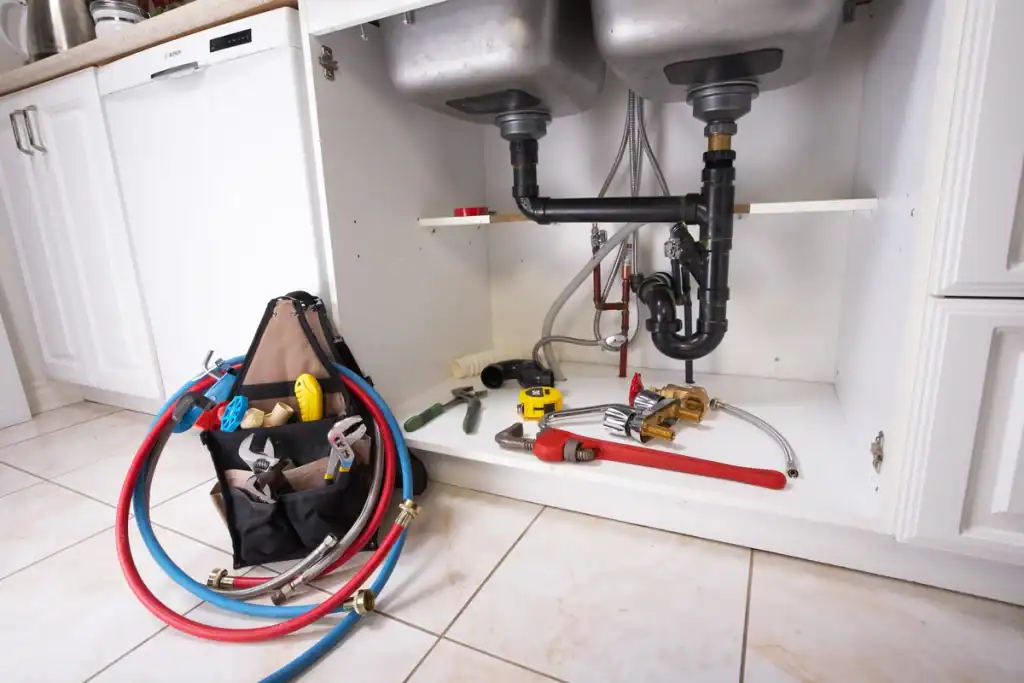
Plumbing tasks need special tools to fix pipes, valves, and fixtures. Using the right plumbing tools makes the job easier and safer.
- Pipe wrench for gripping and turning pipes
- Adjustable wrench for nuts and bolts
- Plunger to clear clogged drains
- Pipe cutter for clean pipe cuts
- Teflon tape to seal pipe threads
- Basin wrench for tight spaces under sinks
Common Electrical Tools
Electricians use tools designed for safety and precision. These tools help avoid shocks and damage to electrical parts.
| Tool | Use |
| Voltage tester | Check if wires have power |
| Wire stripper | Remove insulation from wires |
| Needle-nose pliers | Hold and bend small wires |
| Insulated screwdriver | Drive screws safely near electricity |
| Circuit finder | Locate circuits in a panel |
Tool Quality And Maintenance
Good quality tools last longer and keep you safe. Keep tools clean and check them often for damage.
- Buy tools made from strong materials
- Clean tools after each use
- Sharpen blades and edges when needed
- Store tools in a dry place
- Replace broken or worn tools promptly

Credit: www.energymining.sa.gov.au
Preparing Your Workspace
Setting up your workspace is important before using plumbing and electrical tools. A clean and safe area helps you work better and avoid accidents.
Take time to prepare the space to keep tools organized and stay safe while working.
Clearing And Organizing
Remove clutter from your workspace to create a clear area. This helps you find tools quickly and prevents tripping hazards.
Keep tools and materials organized in bins or trays. Group items by type to save time and avoid confusion.
- Clear floors and work surfaces
- Sort tools by use or size
- Store sharp or heavy tools safely
- Dispose of trash and scraps
Ensuring Proper Lighting
Good lighting helps you see small parts and avoid mistakes. It also reduces eye strain and improves safety.
Use bright overhead lights or portable lamps. Position lights to shine directly on your work area without causing shadows.
- Use daylight bulbs for clear visibility
- Keep lighting steady and glare-free
- Check batteries if using portable lights
Safety Gear Essentials
Wear safety gear to protect yourself from hazards. Proper gear reduces the risk of cuts, shocks, and eye injuries.
Always have gloves, goggles, and ear protection ready before starting work. Use insulated tools for electrical tasks.
- Wear gloves to protect hands
- Use safety goggles for eye safety
- Wear earplugs if noise is loud
- Use insulated tools for electrical work
Safe Handling Techniques
Using plumbing and electrical tools needs care to keep yourself safe. Knowing how to handle tools correctly lowers injury risks.
Simple habits protect your hands and body. Learn safe ways to hold and use your tools every time.
Proper Grip And Posture
Hold tools firmly but do not squeeze too hard. Use your whole hand, not just your fingers. This gives better control and avoids strain.
Stand or sit with a straight back. Keep your feet flat on the ground and shoulders relaxed. This helps you work longer without pain.
- Keep your wrist straight, not bent
- Use both hands for heavy tools
- Position your body close to the work
- Avoid twisting your body while working
Avoiding Tool Misuse
Use each tool only for its intended job. Using the wrong tool can cause damage or injury. Follow the tool’s instructions carefully.
Check tools before use. Broken or worn tools may fail and cause accidents. Replace damaged tools right away.
- Do not use pliers as a hammer
- Avoid using electrical tools near water
- Keep tools clean and dry
- Store tools safely after use
Handling Sharp And Hot Tools
Wear protective gloves when using sharp or hot tools. This protects your hands from cuts and burns. Always be aware of sharp edges.
Let hot tools cool down before touching them. Use tool handles that do not get hot. Keep a safe distance from hot surfaces.
- Cut away from your body
- Use a stable surface when cutting
- Store sharp tools with blade covers
- Use heat-resistant gloves for hot tools

Credit: www.protoolreviews.com
Electrical Safety Measures
Working with electrical tools can be risky. Following safety measures helps prevent accidents.
Use the right steps and tools to stay safe while doing electrical work.
Power Shutdown Procedures
Always turn off the power before starting any electrical work. This stops electric shocks and injuries.
Check that the power is off by using a voltage tester. Do not rely only on the switch.
- Locate the main power switch or circuit breaker
- Switch off the correct circuit
- Use a voltage tester to confirm power is off
- Place warning signs if needed
Using Insulated Tools
Insulated tools protect you from electric shocks. They have a special coating to block electricity.
Use only tools with proper insulation for electrical jobs. Check tools for damage before use.
- Choose tools with insulated handles
- Inspect tools for cracks or wear
- Replace damaged tools immediately
- Use tools rated for the voltage you work with
Avoiding Electrical Hazards
Be aware of common electrical dangers to avoid accidents. Keep your workspace clean and dry.
Wear safety gear and stay alert to signs of trouble like sparks or burning smells.
- Do not touch wires with wet hands
- Keep cords away from sharp edges
- Wear rubber-soled shoes
- Use ground fault circuit interrupters (GFCIs)
- Watch for damaged insulation or exposed wires
Plumbing Safety Practices
Plumbing work can be risky without the right safety steps. Using tools safely helps prevent injuries and damage.
Follow clear rules to protect yourself and your home while fixing plumbing problems.
Shutting Off Water Supply
Always turn off the main water supply before starting any plumbing work. This stops water flow and avoids flooding.
Locate the main shut-off valve in your house. Turn it clockwise to close it completely before you begin repairs.
Managing Pressure And Leaks
High water pressure can cause pipes to burst during repairs. Check pressure levels to keep them safe.
Use a pressure gauge to measure water pressure. Fix any leaks quickly to avoid water damage and slips.
- Release pressure by opening a faucet after shutting off water
- Inspect pipes for cracks or weak spots before work
- Wear gloves to protect hands from leaks and sharp edges
Safe Use Of Pipe Cutters And Wrenches
Use pipe cutters and wrenches carefully to avoid injuries and damage to pipes. Follow tool instructions closely.
Hold tools firmly and work slowly. Cut pipes straight to prevent leaks and ensure tight fittings.
- Wear safety goggles to protect eyes from metal shards
- Check tool condition before use to ensure they work properly
- Do not use excessive force to avoid tool slipping or pipe damage
Maintenance And Storage
Keeping plumbing and electrical tools clean and stored properly helps them last longer. Good care also keeps you safe while using them.
Regular maintenance stops damage and ensures your tools work well every time you need them.
Cleaning Tools After Use
Always clean your tools right after use. Dirt, grease, and moisture can cause rust and damage. Use a dry cloth to wipe off dirt.
- Remove any debris or dust
- Wipe metal parts with a lightly oiled cloth
- Clean electrical contacts with a dry brush
- Dry tools completely before storing
Regular Inspection And Repair
Check your tools often for signs of damage or wear. Fix small problems before they get worse. Replace broken parts quickly.
| Tool Part | What to Check | Repair Action |
| Handles | Cracks, looseness | Tighten or replace |
| Cords and Plugs | Frays, cuts, loose connections | Replace damaged cords |
| Blades and Bits | Dullness, chips | Sharpen or replace |
| Switches | Function and safety | Test and repair if faulty |
Proper Storage Solutions
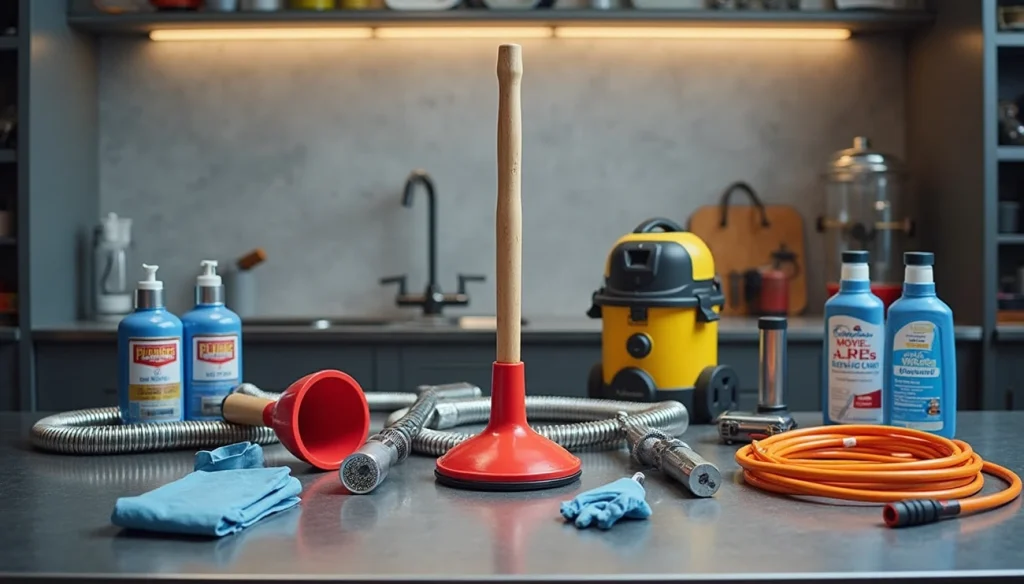
Store your tools in a dry, safe place. Proper storage protects tools from damage and keeps your workspace organized.
- Use toolboxes or racks to keep tools off the floor
- Keep electrical tools away from moisture
- Label storage spots to find tools easily
- Store sharp tools with guards or covers
Credit: westernrooter.com
Frequently Asked Questions
What Are The Essential Safety Tips For Plumbing Tools?
Always wear gloves and eye protection when using plumbing tools. Turn off water supply before starting repairs. Use tools correctly and inspect them regularly for damage to prevent accidents.
How To Handle Electrical Tools Safely At Home?
Ensure tools are insulated and dry before use. Always disconnect power before working on electrical systems. Use a voltage tester to check for live wires to avoid shocks.
Can Improper Tool Use Cause Serious Injuries?
Yes, misuse of plumbing or electrical tools can lead to cuts, shocks, or burns. Following safety guidelines reduces risks and prevents costly injuries effectively.
What Personal Protective Equipment Is Needed For Plumbing And Electrical Work?
Wear gloves, safety goggles, and non-slip shoes for both tasks. Electrical work may require insulated gloves and mats for extra protection.
Conclusion
Safety with tools is crucial. Always wear protective gear when working. Read the manual before using any tool. Keep tools in good condition. Store them properly after use. Pay attention to your surroundings. Avoid distractions when working. This reduces accidents significantly.
Use the right tool for each job. This ensures efficiency and safety. Regularly inspect your tools for damage. Replace worn-out tools promptly. Knowledge and caution make a safe environment. Practice these habits every time. Safety should always be your top priority.
Stay informed and protect yourself. Safe practices lead to successful projects. Stay safe, stay efficient.