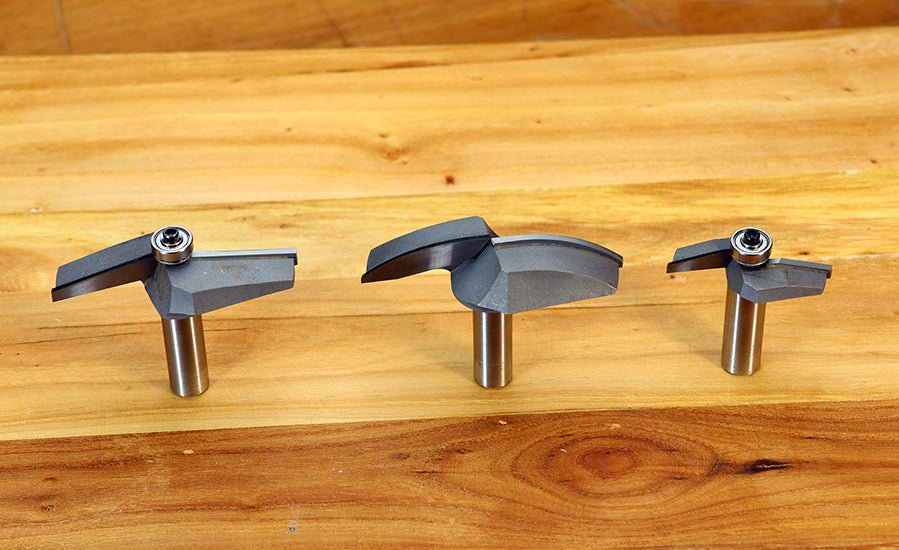
Choosing the right router bit can make all the difference in your woodworking projects. If you’ve ever felt overwhelmed by the many shapes, sizes, and materials available, you’re not alone.
Your router bit is the key to achieving smooth edges, perfect grooves, and professional finishes. In this guide, you’ll discover exactly how to pick the best router bits for your needs, avoid costly mistakes, and get the most out of your tools.
Keep reading, and you’ll soon feel confident selecting the perfect bits every time.

Credit: www.findbuytool.com
Types Of Router Bits
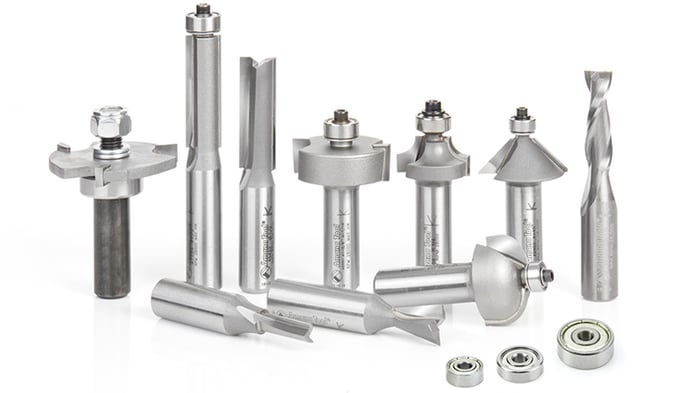
Router bits come in many shapes and sizes. Each type serves a specific purpose in woodworking. Choosing the right bit improves your project’s quality and ease.
Here we explain common types of router bits and their uses. Understanding these will help you select the best bit for your needs.
Straight Bits
Straight bits cut straight down into wood. They create grooves, dados, and mortises. These bits are versatile and used for many tasks.
Flush Trim Bits
Flush trim bits have a bearing that guides the bit along the edge. They help copy shapes or trim edges flush with a template.
Rabbeting Bits
Rabbeting bits cut a step-shaped edge called a rabbet. This helps join two pieces of wood at right angles. They are common for cabinet and frame making.
Round-over Bits
Round-over bits create smooth, rounded edges. They add a soft look and remove sharp corners. These bits come in different radii for size options.
Chamfer Bits
Chamfer bits cut angled edges, usually at 45 degrees. They give a decorative finish or prepare edges for joining. Chamfers can help reduce splintering.
V-groove Bits
V-groove bits cut V-shaped grooves in wood. They are used for decorative carving and lettering. These bits add detail and texture to projects.
- Cut sharp V shapes
- Create decorative patterns
- Carve letters or signs
- Add texture to flat surfaces
Material Matters
Router bits come in different materials. The material affects how long they last and how well they work.
Choosing the right material helps you get clean cuts and saves money in the long run.
High-speed Steel Bits
High-speed steel (HSS) bits are made from a tough metal. They are sharp and easy to sharpen again.
These bits work well for soft woods and plastics. They are less expensive but wear out faster on hard materials.
Carbide-tipped Bits
Carbide-tipped bits have a steel body with a small carbide tip. The tip stays sharp much longer than steel alone.
They cut hard woods and some metals well. These bits cost more but last longer and need less sharpening.
- Good for tough materials
- Longer life than steel bits
- Sharper cuts with less effort
Solid Carbide Bits
Solid carbide bits are made entirely from carbide. They are very hard and hold their edge the longest.
These bits are best for heavy use and cutting very hard materials. They cost the most but give the best performance.
Choosing The Right Size
Selecting the right router bit size is key for good results. The size affects how the bit fits and cuts your material.
Understanding the main size parts helps you pick the best bit. Focus on shank diameter, cutting diameter, and cutting depth.
Shank Diameter
The shank diameter is the part that fits into the router collet. It must match your router’s size exactly to avoid slipping or damage.
Common shank sizes are 1/4 inch and 1/2 inch. Larger shanks give more stability and less vibration during use.
- 1/4 inch shank fits small routers and light jobs
- 1/2 inch shank works well for heavy-duty and precise cuts
- Check your router manual for the correct shank size
Cutting Diameter
Cutting diameter is the width of the bit’s cutting edge. It controls how wide your cut or profile will be.
Choose a cutting diameter based on the size of the groove or edge you want to make. Larger diameters remove more material faster.
- Small diameters are good for fine details and trim work
- Large diameters suit big grooves and shaping tasks
- Match cutting diameter to your project needs
Cutting Depth
Cutting depth is how deep the bit can cut into the material in one pass. It affects the thickness of your cut.
Make sure the bit’s cutting depth fits your material thickness. Too deep cuts can strain the router and cause rough edges.
- Use shallow depths for fine finishing cuts
- Use deeper cuts for rough shaping or thick materials
- Adjust the router height to control cutting depth
Selecting Bits For Wood Types
Choosing the right router bit depends on the wood you plan to work with. Different woods need specific bits for clean cuts and smooth edges.
This guide helps you pick the best router bits for softwood, hardwood, and composite materials.
Softwood Considerations
Softwoods like pine and cedar are easier to cut but can chip if you use the wrong bit. Use bits with sharp edges to reduce tear-out.
Choose bits with a high cutting angle to avoid crushing the soft fibers. Carbide-tipped bits last longer on softwood.
- Use sharp, carbide-tipped bits
- Choose bits with a high cutting angle
- Work at a moderate speed to avoid burning
Hardwood Tips
Hardwoods like oak and maple are dense and tough. Use router bits made from solid carbide for durability and sharp cuts.
Bits with a lower cutting angle work better on hardwood. Take slow, steady passes to prevent overheating and burning.
- Pick solid carbide bits for strength
- Use bits with a lower cutting angle
- Cut slowly to avoid heat damage
Composite Materials
Composite woods, like MDF and particleboard, are prone to chipping and melting. Use bits designed for composites to get clean cuts.
Bits with a shear or spiral design help reduce tear-out. Keep the router speed steady and avoid stopping inside the cut.
- Use shear or spiral bits
- Maintain steady router speed
- Don’t stop inside the cut to avoid melting
Router Bit Coatings
Router bit coatings protect the cutting edges and improve performance. They help bits last longer and cut cleaner. Choosing the right coating depends on your work needs and materials.
This guide covers common coatings: Titanium, Diamond, and Non-Stick. Each coating offers unique benefits for different tasks.
Titanium Coating
Titanium coating adds a hard, heat-resistant layer to router bits. It reduces wear and helps bits stay sharp longer. This coating works well for wood and soft metals.
- Increases bit lifespan
- Improves heat resistance
- Reduces friction during cutting
- Keeps edges sharper
Diamond Coating
Diamond coating uses tiny diamond particles on the bit surface. It is very tough and ideal for cutting hard materials like stone, glass, and ceramics. Diamond coating offers excellent durability but costs more.
| Feature | Benefit |
|---|---|
| Hardness | Extremely high, cuts hard materials |
| Durability | Long-lasting even with tough use |
| Cost | Higher price than other coatings |
| Materials | Stone, glass, ceramics |
Non-stick Coating
Non-stick coatings reduce resin and glue buildup on bits. They keep bits cleaner and cutting smooth. These coatings work well for woodworking and plastics.
Benefits of Non-Stick Coating:
- Prevents resin buildup
- Reduces friction
- Improves cut quality
- Extends bit life by staying cleaner
Credit: toolstoday.com
Maintenance And Safety
Taking care of your router bits helps them last longer and work better. Safe use keeps you from getting hurt.
Learn how to clean, sharpen, and handle router bits safely for best results.
Cleaning Router Bits
Remove resin and dirt from router bits after each use. Clean bits cut cleaner and last longer.
Use a soft brush and a bit cleaner or mild solvent. Avoid harsh chemicals that can damage the bit.
- Soak bits in cleaner for a few minutes
- Brush off debris with a soft brush
- Dry bits completely before storing
Sharpening Tips
Dull router bits cause rough cuts and stress the motor. Sharpen bits to keep edges sharp and safe.
Use a diamond hone or sharpening stone. Lightly hone the cutting edges with steady, even strokes.
- Hold the bit steady
- Sharpen only the flat cutting edges
- Avoid changing the bit shape
- Check sharpness by cutting a test piece
Safe Handling Practices
Always handle router bits with care. Sharp edges can cause serious cuts if mishandled.
Store bits in a protective case or rack. Keep bits away from children and pets.
- Wear gloves when changing bits
- Turn off and unplug router before swapping bits
- Check bits for damage before use
- Use bits only for their intended purpose
Common Mistakes To Avoid
Selecting the right router bit is key for good woodworking. Many beginners make mistakes that cause poor cuts or damage tools.
This guide covers common errors to help you pick and use router bits safely and effectively.
Using The Wrong Bit
Choosing a bit that does not match your project can ruin your workpiece. Different bits serve different purposes like shaping, edging, or joining.
- Using a straight bit for decorative edges can cause rough cuts.
- Choosing a large diameter bit for fine detail work will reduce control.
- Trying to cut hardwood with a bit made for softwood leads to burning.
Incorrect Speed Settings
Router bits must run at the right speed to cut well and stay sharp. Speed depends on bit size and material.
| Bit Diameter | Recommended Speed (RPM) |
| 1/4 inch | 22,000 – 28,000 |
| 1/2 inch | 16,000 – 22,000 |
| 1 inch or larger | 10,000 – 16,000 |
Running bits too fast causes heat and burning. Too slow can make rough cuts and damage the bit.
Ignoring Bit Wear
Worn bits make poor cuts and are dangerous. Watch for signs of wear to keep work safe and clean.
- Dull edges cause burning and tear-out.
- Chipped or broken tips lead to rough cuts.
- Excess vibration means the bit is damaged.
Replace or sharpen bits when you see these signs to avoid ruining your project.

Credit: huanatools.com
Budgeting For Quality
Choosing the right router bits means balancing your budget with quality. Good bits last longer and give better results.
Spending wisely helps you avoid frequent replacements and poor finishes on your projects.
Balancing Cost And Performance
Router bits come in many price ranges. Cheaper bits may wear out fast. Expensive bits often cut cleaner and last longer.
| Price Range | Performance | Durability |
| Low | Basic cuts, rough edges | Short lifespan |
| Mid | Good cuts, smoother edges | Moderate lifespan |
| High | Clean cuts, precise shapes | Long lifespan |
When To Invest In Premium Bits
Buy premium bits if you work on detailed or large projects. They save time and reduce mistakes.
- Use premium bits for hardwood and tough materials.
- Choose them for frequent or professional use.
- Pick premium bits to get smooth edges without extra sanding.
Affordable Starter Kits
Starter kits offer a mix of common bits at a lower price. They work well for beginners or casual users.
- Starter kits include straight, round-over, and chamfer bits.
- They provide good variety for basic woodworking tasks.
- Look for kits with solid steel and carbide tips for better durability.
Frequently Asked Questions
What Types Of Router Bits Are Essential For Beginners?
Essential router bits for beginners include straight, flush trim, and round-over bits. These bits cover basic cutting, trimming, and edge shaping needs. Starting with these helps you handle most woodworking projects efficiently and build skills gradually.
How To Choose The Right Router Bit Size?
Choose the router bit size based on the material thickness and desired cut depth. Smaller bits suit detailed work, while larger bits are best for rough cuts and shaping. Always match bit size to project requirements for precise results.
Can Router Bits Be Used On Different Materials?
Yes, router bits can be used on wood, plastic, and soft metals. However, use bits designed for specific materials to avoid damage and ensure clean cuts. Always check the manufacturer’s guidelines before routing various materials.
How To Maintain Router Bits For Longevity?
Maintain router bits by cleaning them after use and storing them properly. Sharpen dull bits regularly and avoid overheating during use. Proper maintenance extends bit life and ensures smooth, accurate cuts in all projects.
Conclusion
Choosing the right router bits is crucial for woodworking success. Start by identifying the specific tasks you need to complete. Consider the materials you will work with and select bits accordingly. Quality matters, so invest in durable bits for longevity.
Remember to prioritize safety by using the correct shank size. Keep your tools sharp and maintained for the best results. With these tips, your router bit selection process becomes simpler. Happy woodworking!