Are you unsure about how to measure voltage correctly? Getting this right is essential whether you’re fixing electronics or working on a DIY project.
Measuring voltage the wrong way can lead to inaccurate results or even damage your device. You’ll learn simple, clear steps to measure voltage safely and accurately. By the end, you’ll feel confident handling your multimeter and checking voltage like a pro.
Keep reading to avoid costly mistakes and make your work easier.
Choosing The Right Tools
Measuring voltage correctly requires the right tools. Using the proper equipment helps avoid mistakes and keeps you safe.
Knowing which tool to use and how to use it is important. This guide covers key tools for measuring voltage.
Types Of Voltmeters
Voltmeters measure the electrical potential difference between two points. There are different types for different tasks.
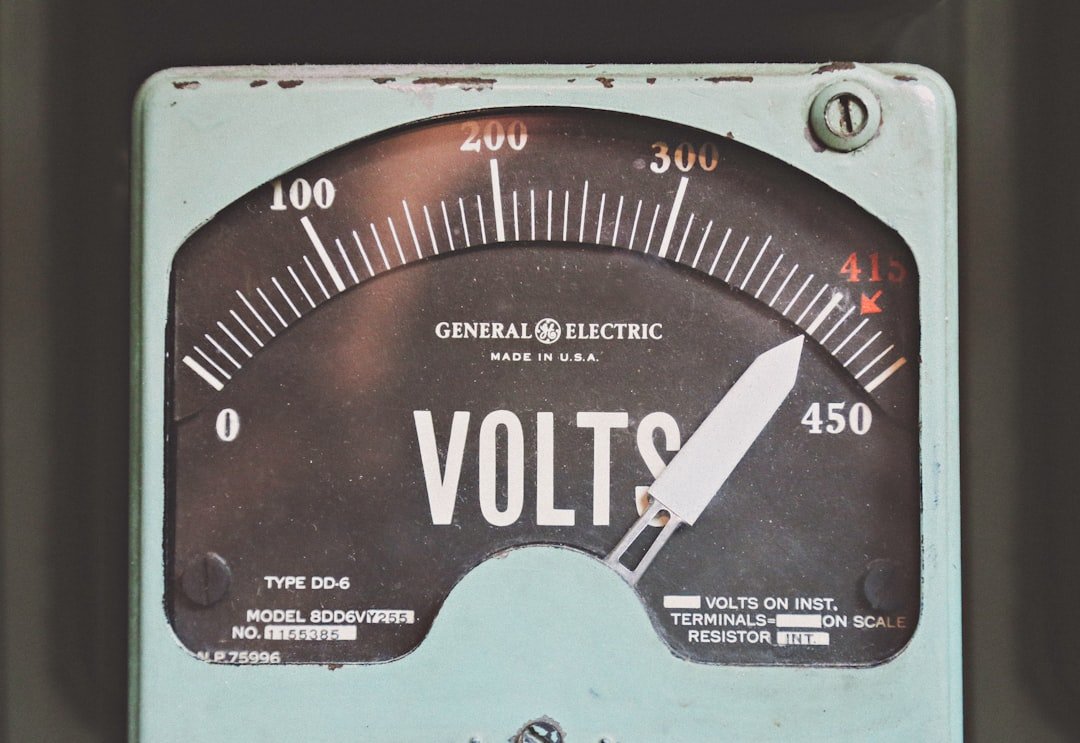
Analog voltmeters use a needle to show voltage on a dial. Digital voltmeters display numbers on a screen.
- Analog voltmeters: simple, no batteries needed
- Digital voltmeters: precise and easy to read
- Clamp meters: measure voltage without direct contact
Selecting The Proper Multimeter
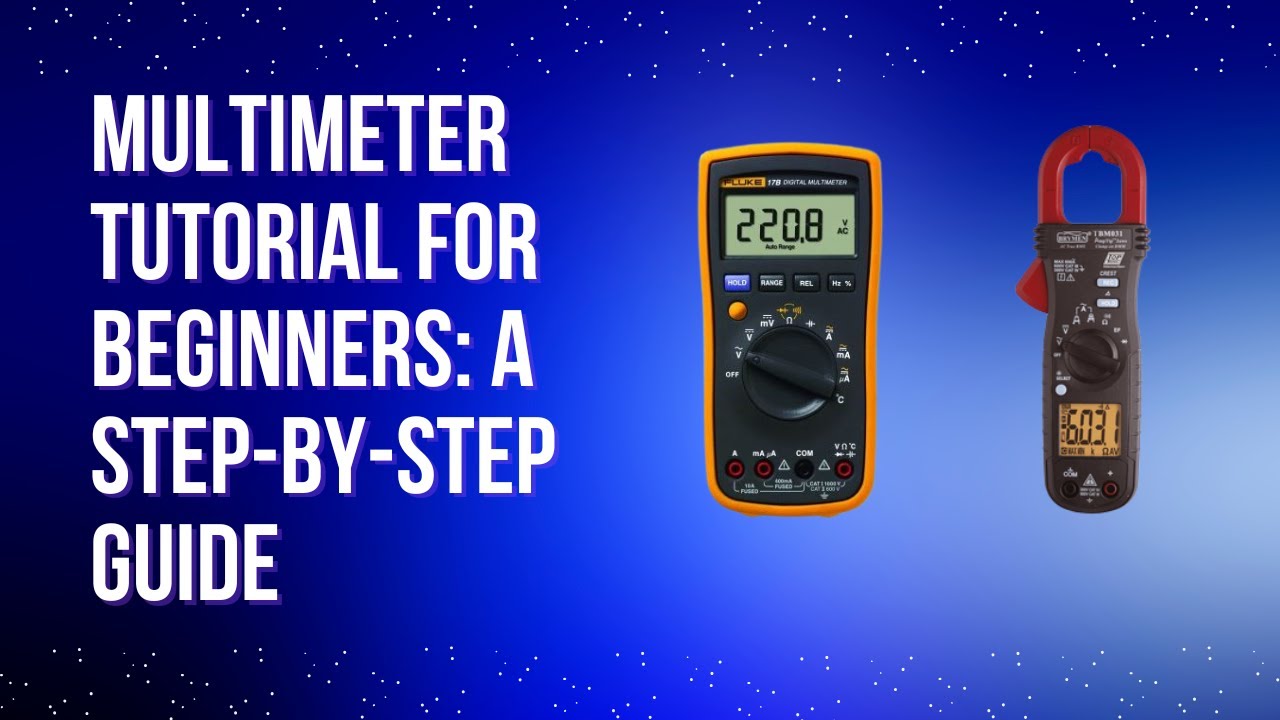
A multimeter can measure voltage, current, and resistance. Choose one that fits your needs and skill level.
Look for a multimeter with clear settings and good accuracy. Auto-ranging models adjust to voltage levels automatically.
- Basic multimeters are good for home use
- Advanced models offer more features for professionals
- Choose a multimeter with safety ratings for your work
Using Test Leads Safely
Test leads connect the multimeter to the circuit. Using them safely prevents shocks and damage to equipment.
Inspect test leads before use. Avoid leads with cracks or exposed wires. Always connect the leads properly.
- Use insulated test leads rated for your voltage
- Connect the common (black) lead first
- Hold leads by insulated parts only
- Do not touch metal tips during measurement

Credit: www.ariat-tech.com
Preparing For Measurement
Measuring voltage correctly needs careful preparation. You must get your tools and setup ready before you start.
Proper preparation helps you avoid mistakes and get accurate readings. Follow these steps to prepare well.
Checking Equipment Condition
Check your multimeter or voltmeter before use. Make sure it is clean and working well.
Inspect the test leads for cracks or breaks. Damaged leads can cause wrong readings or be unsafe.
- Look for visible damage on the device and cables
- Test the meter on a known voltage source to verify accuracy
- Replace batteries if the display is dim or flickering
- Keep the equipment dry and dust-free
Setting The Correct Voltage Range
Choose the right voltage range on your meter. This prevents damage and gives accurate results.
If unsure about the voltage size, start with the highest setting. Then lower the range to get a precise reading.
- High range protects the meter from overload
- Low range offers better resolution and accuracy
- Auto-ranging meters select the range automatically
Ensuring Proper Circuit Setup
Make sure the circuit is set up safely before measuring. Turn off power if you need to connect the meter.
Connect the meter’s probes correctly. Place the red probe on the positive point and the black on the negative or ground.
- Turn off power to avoid shorts while connecting probes
- Use insulated tools and avoid touching live parts
- Check that connections are firm and correct
- Keep hands away from probe tips during measurement
Step-by-step Voltage Measurement
Measuring voltage correctly is important for safety and accuracy. Using a digital multimeter makes this task easy.
Follow these clear steps to measure voltage without errors.
Connecting The Meter Probes
First, turn off power to the circuit before connecting the meter. This keeps you safe.
Plug the black probe into the common (COM) port. Insert the red probe into the voltage (V) port.
- Touch the black probe to the negative or ground point.
- Touch the red probe to the positive point where you want to measure.
- Keep steady contact to avoid false readings.
Reading The Display Accurately
Turn on the multimeter and set it to the correct voltage type: AC or DC.
Read the number on the screen carefully. Note the unit, usually volts (V).
- Check if the value is stable before recording.
- Look for decimals to get precise readings.
- If the reading is too high or low, adjust the range setting.
Avoiding Common Mistakes
Do not measure voltage with the meter set to current or resistance. This can damage the meter.
Never touch the metal parts of the probes while measuring. This protects you from electric shock.
- Always check the meter’s battery and fuse before use.
- Do not use damaged probes or wires.
- Start with a higher voltage range to prevent overload.
Handling Different Voltage Types
Measuring voltage correctly is important for safety and accuracy. Different voltage types need different techniques.
This guide explains how to measure AC and DC voltage and how to handle high voltage safely.
Measuring Ac Voltage
AC voltage changes direction and size regularly. Use a multimeter set to AC voltage to measure it.
Connect the meter probes across the two points where you want to measure voltage. Read the value shown on the meter.
- Set the multimeter to AC voltage mode (V~)
- Place probes on the circuit points carefully
- Do not touch the metal parts of the probes
- Read the voltage value displayed
Measuring Dc Voltage
DC voltage flows in one direction only. Set your multimeter to DC voltage mode before measuring.
Connect the red probe to the positive point and the black probe to the negative or ground point. Check the reading on the meter.
- Switch multimeter to DC voltage mode (V–)
- Red probe goes to positive terminal
- Black probe goes to negative or ground
- Read the voltage on the display
Dealing With High Voltage Safely
High voltage can be dangerous. Use special tools and follow safety rules to avoid accidents.
Wear insulated gloves and use probes rated for high voltage. Always keep one hand behind your back to reduce shock risk.
- Use a high voltage rated multimeter and probes
- Wear insulated gloves and safety glasses
- Keep one hand away from the circuit
- Stand on an insulated surface
- Do not rush; take your time
Improving Measurement Accuracy
Measuring voltage correctly is important for safe and accurate readings. Small errors can cause wrong results.
Use proper techniques to improve your measurement accuracy. This helps avoid mistakes and saves time.
Calibrating Your Equipment
Check your measuring tools often. Calibration keeps your equipment accurate over time.
Use a known voltage source to test your meter. Adjust if the reading is off.
- Turn off your device before calibration
- Use a certified voltage reference
- Follow the manufacturer’s calibration steps
- Record calibration dates for future checks
Minimizing Interference
Electrical noise can cause wrong voltage readings. Keep your test area clear of interference sources.
Use short and shielded wires to reduce noise. Avoid running wires near motors or fluorescent lights.
- Keep measuring leads tight and clean
- Turn off nearby devices that cause noise
- Use proper filters if available on your meter
Using Proper Grounding Techniques
Ground your equipment correctly to get stable voltage readings. Bad grounding causes fluctuating values.
Connect your meter’s ground lead to a good earth ground. Avoid using floating or weak ground points.
- Use a dedicated grounding rod if possible
- Check ground connections for corrosion or looseness
- Keep grounding wires short and thick

Credit: www.ventronchip.com
Troubleshooting Measurement Issues
Measuring voltage correctly is important for safety and accuracy. Sometimes, you may face problems during measurement.
Knowing how to find and fix these problems helps you get the right results every time.
Identifying Faulty Connections
Faulty connections cause wrong voltage readings or no reading at all. Check if the wires and probes are tight and clean.
Look for broken wires, loose plugs, or dirty contacts that can block the flow of electricity.
- Inspect probe tips for damage or dirt
- Ensure wires are not frayed or broken
- Check that all plugs fit securely
- Clean any corrosion on connectors
Addressing Inconsistent Readings
Inconsistent readings can confuse you about the true voltage. This may happen if the meter or connections are unstable.
Try holding the probes steady and avoid moving wires during the test. Also, check if the meter settings match the voltage range.
- Keep probes still while measuring
- Use the correct voltage range on the meter
- Test in a quiet environment to avoid interference
- Replace batteries if the meter is low on power
When To Replace Your Meter
Meters do not last forever. Replace your meter if it gives wrong readings or shows physical damage.
Old meters may lose accuracy and put you at risk. Regularly check your meter and replace it if needed.
- Replace if the display is broken or unreadable
- Change if readings are always off despite correct setup
- Get a new meter if buttons or switches fail
- Consider replacement after several years of heavy use
Credit: www.youtube.com
Frequently Asked Questions
What Equipment Is Needed To Measure Voltage Correctly?
To measure voltage correctly, use a digital multimeter or voltmeter. Ensure the device is calibrated and set to the right voltage range. Use proper probes and handle them safely to avoid inaccurate readings and electrical hazards.
How Do You Connect A Voltmeter For Accurate Measurement?
Connect the voltmeter in parallel with the component or circuit. Ensure correct probe placement: red to positive, black to negative. Avoid touching metal parts to prevent short circuits and obtain precise voltage readings.
What Precautions Ensure Safe Voltage Measurement?
Always switch off power before connecting probes. Use insulated tools and wear protective gear. Check meter settings to match voltage type (AC/DC). Avoid measuring voltage in wet or unstable environments to prevent electric shocks.
Why Is Selecting The Correct Voltage Range Important?
Selecting the correct voltage range prevents meter damage and inaccurate readings. Start with the highest range, then lower it for precision. Using the wrong range may overload the meter or give false results.
Conclusion
Measuring voltage correctly is essential for safe electrical work. Always use the right tools. Follow safety guidelines to protect yourself. Double-check connections before starting. Know the voltage range of your device. This ensures accurate readings every time. Practicing these steps builds confidence in handling electronics.
Mistakes can lead to damage or injury. Therefore, precision is crucial. With these tips, you can measure voltage safely and accurately. Remember to always prioritize safety. Your knowledge and care will make a difference. Keep learning and practicing for better skills.