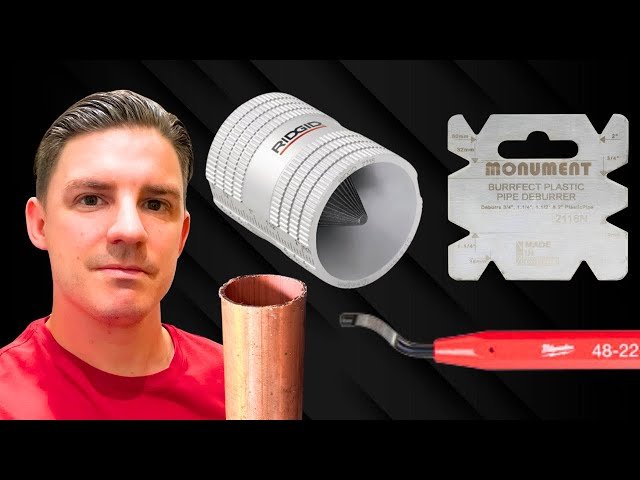
Are you tired of dealing with rough, sharp edges on your copper and PVC pipes? Those jagged burrs can make your plumbing work frustrating and even unsafe.
Learning how to deburr your pipes properly will save you time, prevent leaks, and ensure a smooth, professional finish every time. In this guide, you’ll discover simple, effective techniques that anyone can use—no special tools or skills needed. Keep reading, and you’ll master the art of deburring your pipes quickly and confidently.

Credit: www.amazon.ca
Tools Needed
Deburring pipes is important for smooth connections and to avoid leaks. Each pipe type needs specific tools for best results.
This guide covers tools needed for copper and PVC pipes. It also explains the safety gear you should wear.
Deburring Tools For Copper
Copper pipes require tools that can remove sharp edges cleanly. A clean cut helps prevent damage to fittings.
- Pipe reamer: Removes burrs inside the pipe.
- Deburring tool: Smooths edges outside the pipe.
- Rotary file: Fits inside the pipe for thorough cleaning.
- Sandpaper: Used for fine smoothing after deburring.
Deburring Tools For Pvc
PVC pipes are softer than copper. You can use simpler tools to deburr and clean the edges.
| Tool | Purpose |
| Utility knife | Trim excess plastic from cuts. |
| File | Remove rough edges smoothly. |
| Sandpaper | Final smoothing for proper fitting. |
| Deburring tool | Optional, for quick edge cleaning. |
Safety Gear
Wear safety gear to protect yourself from sharp edges and dust while deburring.
- Safety glasses to protect your eyes.
- Gloves to avoid cuts on your hands.
- Dust mask to prevent inhaling particles.
- Long sleeves to protect your arms.
Preparing The Pipes
Deburring pipes is important for a clean and safe connection. It helps remove sharp edges after cutting.
Preparing copper and PVC pipes correctly makes the job easier and prevents leaks.
Cutting Copper Pipes
Use a pipe cutter to get a clean cut on copper pipes. Avoid using saws that may cause uneven edges.
Turn the cutter around the pipe slowly while tightening it. Stop when the pipe is cut through.
- Mark the cutting point clearly
- Keep the pipe steady while cutting
- Check the cut edge for smoothness
Cutting Pvc Pipes
Use a sharp PVC pipe cutter or a fine-toothed saw. Cut straight to avoid rough edges.
Support the pipe firmly to keep it from bending or cracking. Cut slowly for better control.
- Mark the pipe clearly where you want to cut
- Use even pressure when cutting
- Check the end for any cracks or chips
Cleaning The Edges
Remove burrs and rough spots after cutting. This prevents damage and helps pipes fit together well.
Use a deburring tool, sandpaper, or a utility knife for cleaning edges on both copper and PVC pipes.
- Run the deburring tool inside and outside the pipe
- Smooth any sharp or rough spots carefully
- Wipe the pipe to remove dust and debris
Deburring Copper Pipes
Deburring copper pipes removes rough edges after cutting. It makes pipe ends smooth and safe to handle.
Smoother pipe edges help create tight seals and prevent damage to fittings.
Using A Reamer
A reamer is a tool designed to remove burrs inside copper pipes. It has a pointed, round blade that fits pipe openings.
Insert the reamer into the pipe and twist it slowly. This scrapes off the rough edges inside the pipe.
- Hold the pipe steady.
- Push the reamer gently into the pipe end.
- Turn the reamer clockwise several times.
- Remove the reamer and check the pipe.
Using Sandpaper Or File
Sandpaper or a metal file can smooth the outside edges of copper pipes. This removes sharp bits that cutting leaves behind.
Wrap sandpaper around the pipe edge or use a file to gently rub the surface. Move in one direction to avoid scratches.
- Use fine-grit sandpaper (around 120 grit).
- Sand the outer edge evenly.
- Use a round file to reach curved parts.
- Keep checking the edge while sanding.
Checking For Smoothness
After deburring, check the pipe edges to ensure they are smooth. Run your finger carefully around the pipe end.
If you feel any bumps or sharp spots, repeat the deburring process. Smooth edges improve pipe fitting and safety.
- Look inside the pipe with a flashlight.
- Feel for rough edges on inside and outside.
- Ensure the pipe end is clean and even.
- Fix any rough spots before installation.

Credit: www.youtube.com
Deburring Pvc Pipes
Deburring PVC pipes is important to remove rough edges after cutting. This helps the pipes fit better and prevents leaks.
Smooth edges also stop damage to seals and make joining easier. There are simple tools you can use to deburr PVC pipes.
Using A Utility Knife
A utility knife works well to remove burrs from PVC pipe edges. Use a sharp blade for clean cuts and smooth edges.
Hold the pipe steady and carefully scrape the inside and outside edges with the knife. Take light passes to avoid gouging.
- Use a new blade for best results
- Cut away from your body for safety
- Check edges by running your finger gently
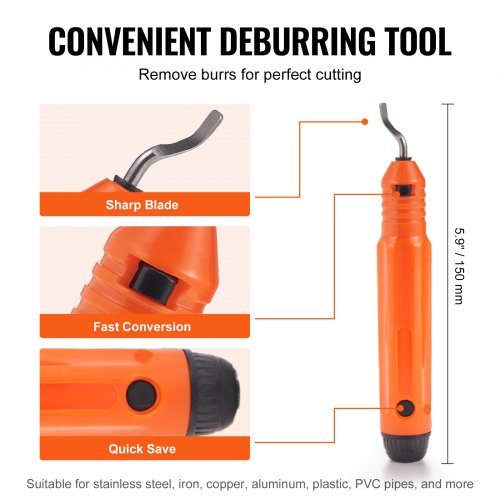
Using A Deburring Tool
A deburring tool is designed to smooth pipe edges quickly. It has a curved blade that fits inside the pipe opening.
Rotate the tool around the pipe edge to shave off rough spots. This method is fast and gives consistent results.
- Choose a tool size that matches your pipe
- Apply light pressure while turning
- Remove all burrs for a clean finish
Sanding The Edges
Sanding can smooth PVC pipe edges after cutting or deburring. Use fine-grit sandpaper to avoid rough spots.
Wrap sandpaper around the pipe edge and rub evenly. Check the edge by touch to make sure it is smooth.
- Start with 120-grit sandpaper
- Finish with 220-grit for a smooth surface
- Wear gloves to protect your hands
Tips For Best Results
Deburring copper and PVC pipes helps create smooth edges for better fitting. It prevents leaks and damage during installation.
Using the right tools and methods makes the job easier and safer for your pipes.
Avoiding Damage To Pipes
Handle pipes carefully to avoid cracks or dents. Too much force can weaken the pipe walls.
- Use a deburring tool designed for copper or PVC.
- Remove burrs gently without scraping too deep.
- Keep the pipe steady to prevent slips.
- Wear gloves to protect your hands and grip better.
Maintaining Tools
Clean and sharpen your tools often. Dull blades cause rough edges and may damage pipes.
| Tool | Maintenance Tip |
| Deburring blade | Sharpen or replace when dull |
| Pipe cutter | Lubricate moving parts regularly |
| Sandpaper | Replace when worn out |
When To Replace Pipes
Check pipes for signs of damage before deburring. Replace pipes that show cracks or corrosion.
- Look for visible cracks or holes.
- Feel for weak spots by pressing gently.
- Replace pipes with old or brittle material.
- Consult a professional if unsure about pipe condition.
Credit: www.vevor.ca
Frequently Asked Questions
How Do You Safely Deburr Copper Pipes?
Use a deburring tool or a round file to remove sharp edges. Rotate the tool inside the pipe end. Ensure smooth edges to prevent damage and leaks. Always wear gloves and eye protection for safety.
What Tools Are Best For Deburring Pvc Pipes?
A utility knife, deburring tool, or sandpaper works well for PVC. Gently scrape or sand the pipe edges until smooth. Avoid excessive force to prevent cracking or deforming the pipe.
Why Is Deburring Pipes Important Before Installation?
Deburring removes sharp edges and burrs that can cause leaks or damage seals. It ensures a proper fit and smooth flow inside the pipe. This step improves the plumbing system’s durability and performance.
Can I Deburr Pipes Without Special Tools?
Yes, you can use a utility knife or sandpaper carefully. However, dedicated deburring tools make the job faster and more precise. Proper tools reduce the risk of damaging the pipe ends.
Conclusion
Deburring copper and PVC pipes enhances their longevity. Clean edges prevent damage. Use the right tools for best results. Regular maintenance ensures efficient plumbing. Practice these steps for smooth, safe pipes. Avoid rushing the process. Careful deburring saves time and money in the long run.
Your plumbing system will thank you. Always prioritize safety while working. Happy deburring!