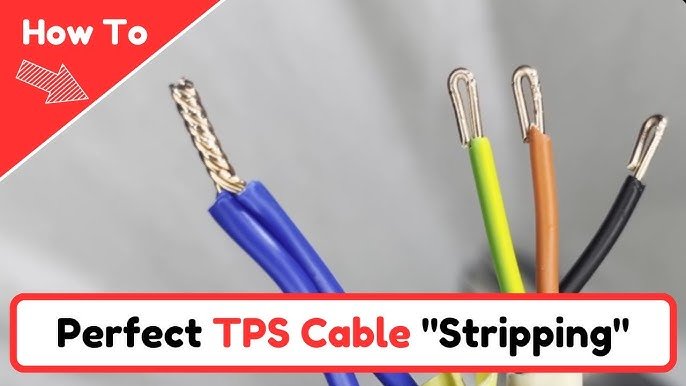
Are you ready to tackle an electrical project but find yourself puzzled by the tangled mess of wires? Don’t worry; you’re not alone.
Stripping electrical wires can be a daunting task for many, but it’s an essential skill for anyone interested in DIY projects or home repairs. Whether you’re a seasoned electrician or a curious beginner, understanding how to properly strip wires is crucial for safety and efficiency.
In this guide, you’ll discover simple, step-by-step instructions that will make wire stripping a breeze. We’ll explore the tools you need, the common mistakes to avoid, and tips to ensure every project is a success. Imagine the confidence you’ll gain, knowing you can handle electrical wires like a pro. Are you ready to transform your next project with this newfound knowledge? Let’s dive in!
Types Of Electrical Wires
Electrical wires come in different types to fit various uses. Choosing the right wire helps keep your projects safe and working well.
This guide covers key types of electrical wires. You will learn about solid and stranded wires, common wire sizes, and insulation materials.
Solid Vs Stranded Wire
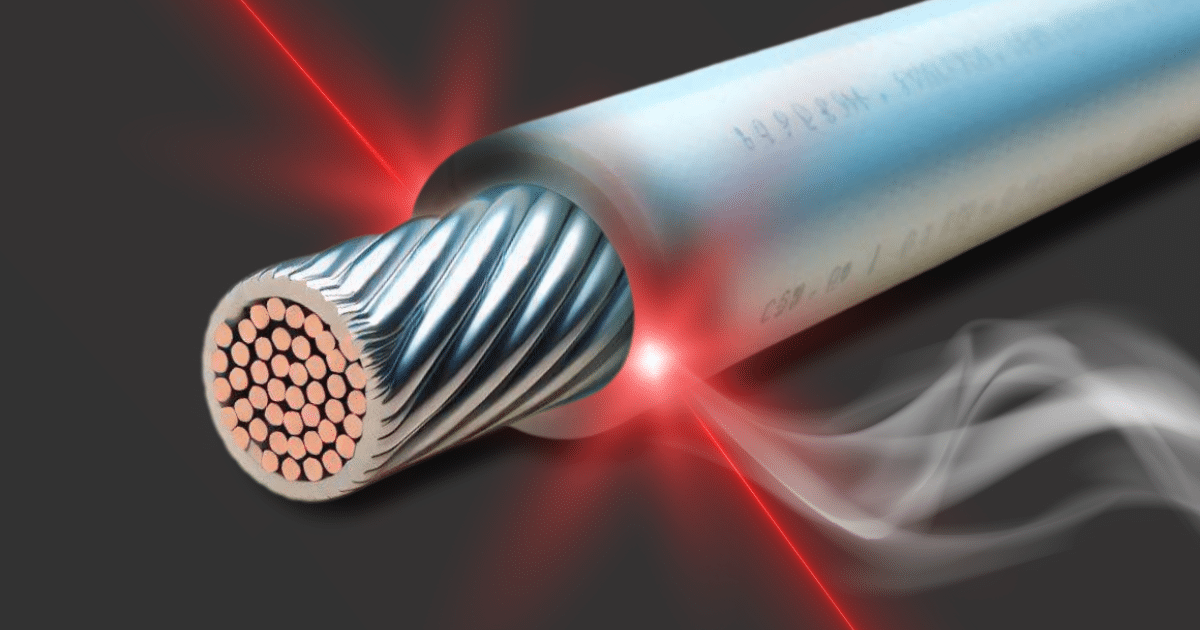
Solid wire has one thick strand of metal. It is strong and holds its shape. Stranded wire has many thin strands twisted together. It is flexible and bends easily.
- Solid wire is better for fixed wiring inside walls.
- Stranded wire is good for moving parts and appliances.
- Stranded wire is easier to strip because it is more flexible.
- Solid wire is less expensive but can break if bent too much.
Common Wire Gauges
Wire gauge shows the wire’s thickness. Lower numbers mean thicker wire. Thicker wire carries more current safely.
| Wire Gauge | Diameter (inches) | Common Use |
| 14 | 0.0641 | Lighting circuits |
| 12 | 0.0808 | General household wiring |
| 10 | 0.1019 | Large appliances |
| 8 | 0.1285 | Heavy-duty equipment |
Insulation Materials
Insulation covers the wire to protect against shocks and damage. Different materials suit different environments.
- PVC is common and affordable. It works well indoors.
- Rubber insulation is flexible and heat resistant.
- Teflon insulation handles high temperatures and chemicals.
- XLPE is tough and resists moisture.
Credit: www.laserwiresolutions.com
Essential Tools For Wire Stripping
Stripping electrical wires needs the right tools. Good tools help remove insulation safely and cleanly.
Using proper tools reduces damage to the wire and makes the job easier.
Manual Wire Strippers
Manual wire strippers are simple tools with cutting edges. They strip insulation by hand pressure.
They come with different notch sizes for various wire gauges. You match the notch to the wire size.
- Affordable and easy to use
- Require careful handling to avoid wire damage
- Good for small jobs and tight spaces
Automatic Wire Strippers
Automatic wire strippers open and close around the wire. They remove insulation without much effort.
These tools adjust to wire size automatically. They speed up the stripping process.
- Save time on repetitive tasks
- Reduce risk of cutting the wire strands
- More expensive than manual strippers
Utility Knives And Alternatives
Utility knives can strip wires but need skill and care. They cut the insulation carefully without harming wires.
Other alternatives include scissors or razor blades. These are less precise and risk wire damage.
- Useful for quick or one-off tasks
- Require steady hands and attention
- Not recommended for thick or large wires
Safety Tips Before Stripping
Stripping electrical wires can be risky if you do not follow safety steps. It is important to prepare well before starting.
Knowing how to protect yourself and your workspace helps prevent accidents and injuries.
Power Shutdown Procedures
Always turn off the power before you strip wires. This stops electric shocks and fires.
Check that the power is off by using a tester or voltage meter.
- Locate the correct circuit breaker or fuse box
- Switch off power to the wire you will strip
- Use a voltage tester to confirm no electricity is present
- Lock the breaker if possible to avoid accidental power-on
Proper Protective Gear
Wear protective gear to keep safe from cuts and shocks. Always protect your eyes and hands.
Choose gear made for electrical work to reduce risk.
- Insulated gloves to stop electric shocks
- Safety glasses to protect eyes from wire pieces
- Long-sleeve clothing to shield your arms
- Non-slip shoes to prevent falls
Workspace Preparation
Set up a clean and organized workspace before stripping wires. This helps you work safely and quickly.
Remove any water, clutter, or flammable materials from the area.
- Work on a dry, stable surface
- Keep tools within easy reach
- Make sure the area has good lighting
- Keep a fire extinguisher nearby
Credit: www.proofflyfishing.com
Step-by-step Wire Stripping Techniques
Stripping electrical wires is a basic skill for many projects. It helps prepare wires for connections or repairs. Using the right method keeps wires safe and ready to use.
This guide explains simple ways to strip wires. You will learn how to measure, mark, and strip wires using different tools or no tools at all.
Measuring And Marking
Before stripping, measure the length of wire insulation to remove. Mark the spot clearly to avoid cutting too much or too little.
- Use a ruler or tape measure to find the needed length.
- Mark the wire with a pencil or marker at the measured point.
- Check the mark to make sure it is clear and visible.
Using Manual Strippers
Manual wire strippers have sharp blades that cut the insulation. You squeeze the handles and pull the insulation off the wire.
- Select the right size hole on the stripper for your wire.
- Place the wire in the hole at the marked spot.
- Squeeze the handles firmly to cut the insulation.
- Pull the insulation away gently without damaging the wire.
Using Automatic Strippers
Automatic wire strippers clamp and cut the insulation in one move. They adjust to the wire size automatically.
| Action | Description |
|---|---|
| Insert wire | Place the wire into the jaws at the mark. |
| Squeeze handles | The tool grips and cuts insulation automatically. |
| Pull wire | Remove the wire, leaving insulation behind. |
Stripping Without Dedicated Tools
You can strip wire without special tools using common items. This needs care to avoid damage or injury.
Follow these tips for safe stripping without tools:
- Use a sharp knife or blade carefully.
- Place the wire on a stable surface before cutting.
- Score the insulation lightly around the mark.
- Pull the insulation off gently with your fingers or pliers.
- Wear gloves to protect your hands.
Common Mistakes To Avoid
Stripping electrical wires is a simple task, but mistakes can cause problems. Avoiding common errors helps keep wires safe and working well.
This guide covers three main mistakes to watch for. Learning these tips will make your wiring work better and safer.
Damaging Wire Conductors
Wire conductors carry the electric current. Damaging them can cause poor connections or short circuits. Be gentle when stripping wires to avoid cuts or breaks inside the wire.
Removing Too Much Insulation
Removing too much insulation exposes more wire than needed. This can cause accidental contact with other wires or metal parts, leading to shorts or shocks.
- Strip only the length needed for the connection.
- Check the wire size and use the right stripping tool.
- Keep insulation close to the wire end for protection.
- Do not pull the insulation hard to avoid damage.
Cutting Into The Wire
Cutting into the wire weakens it and may cause failure. Avoid nicking or cutting the copper inside when removing insulation.
| Common Causes | How to Avoid |
| Using dull tools | Keep blades sharp and clean |
| Applying too much pressure | Use gentle, steady force |
| Wrong tool size | Use correct stripper for wire gauge |
| Rushing the job | Take time to work carefully |
Maintaining And Caring For Tools
Good care keeps your wire strippers working well for a long time. Clean and sharpen your tools regularly. Store them in a safe place to avoid damage.
Proper maintenance improves safety and makes stripping wires easier. Follow these simple steps to keep your tools ready for use.
Cleaning Wire Strippers
Remove dirt and grease after each use. Wipe blades and handles with a dry cloth. Use a small brush to clean tight spaces.
- Use rubbing alcohol on a cloth for tough grime
- Dry tools completely before storing
- Do not soak wire strippers in water
- Apply light oil to joints to prevent rust
Sharpening Blades
Dull blades make stripping wires hard and unsafe. Sharpen blades when you notice resistance or rough cuts. Use a fine file or sharpening stone for best results.
| Tool | Sharpening Method | Frequency |
| Wire Stripper Blades | Fine file or sharpening stone | Every 3 months or as needed |
| Pivot Joint | Lubricate with light oil | Monthly |
Storage Tips
Keep wire strippers in a dry place to stop rust. Use a toolbox or pouch for protection. Avoid dropping or tossing tools to keep them aligned.
- Clean and dry tools before storing
- Use protective covers or cases
- Store in a cool, dry location
- Keep away from moisture and dust
Applications Of Stripped Wires
Stripped wires are essential in many electrical tasks. Removing the insulation allows wires to connect properly.
Stripped wires help in making strong electrical connections. This makes sure electricity flows without problems.
Connecting To Terminals
Stripped wires connect easily to terminals. This is common in switches, outlets, and circuit breakers.
Exposing the wire metal helps it fit under terminal screws or into clips. This creates a solid electrical link.
- Strip enough wire to fit the terminal
- Make sure no insulation touches the terminal
- Tighten screws firmly for good contact
Splicing And Joining
Splicing joins two or more wires together. Stripping wires exposes the metal so they can twist or connect.
Good splices keep wires secure and maintain power flow. They help fix broken wires or extend lengths.
- Strip the ends of each wire to the same length
- Twist wires tightly together for a strong bond
- Use wire nuts or connectors to cover the splice
Preparing For Soldering
Stripped wires are ready for soldering. Removing insulation allows solder to join metal surfaces easily.
Soldering creates a lasting and stable connection. It is useful in electronics and small wiring projects.
- Strip enough wire for good solder coverage
- Clean the wire to remove dirt or oxidation
- Heat the wire and apply solder for a solid joint

Credit: www.chiefdelphi.com
Frequently Asked Questions
What Is The Best Tool For Electrical Wire Stripping?
The best tool for wire stripping depends on wire size. Wire strippers with adjustable blades work well. They prevent wire damage. Automatic wire strippers save time. Always choose insulated tools for safety.
How Do I Strip Electrical Wire Safely?
Turn off power before stripping wires. Use proper wire strippers, not knives. Hold wire firmly and strip insulation carefully. Avoid nicking the metal conductor. Wear safety glasses to protect your eyes.
Can I Strip Wires Without A Wire Stripper?
Yes, but it’s risky. Use a sharp utility knife carefully to avoid cutting the wire. This method requires steady hands. It’s better to use wire strippers for clean, safe results.
What Wire Size Can I Strip With Wire Strippers?
Wire strippers work best on wires from 10 to 22 gauge. Check the tool’s gauge markings. Using the correct size prevents conductor damage and ensures efficient stripping.
Conclusion
Stripping electrical wires is simple with the right steps. Always use proper tools to avoid damage. Take your time and work carefully. Safety comes first when handling wires. Practice makes the process easier and safer. Follow these tips for clean, effective wire stripping.
This guide helps you do the job right. Keep your skills sharp for future projects. Stay safe and confident while working with wires.