
Are you tired of dealing with flickering lights or appliances that suddenly stop working? Electrical problems can be frustrating and even a little scary if you don’t know where to start.
But what if you could learn simple, step-by-step ways to find and fix these issues yourself? This guide on electrical troubleshooting for beginners is made just for you. By the end, you’ll feel confident spotting common electrical faults and saving time and money on repairs.
Ready to take control of your home’s electrical problems? Let’s dive in and make those sparks work for you, not against you.

Credit: qiolor.com
Basic Electrical Concepts
Electricity powers many things in our daily lives. Understanding basic concepts helps beginners solve electrical problems safely.
This guide covers key ideas like voltage, current, resistance, common parts, and safety tips.
Voltage, Current, And Resistance
Voltage is the force that pushes electric charges through a circuit. It is measured in volts (V).
Current is the flow of electric charge. It moves through wires and is measured in amperes (amps).
Resistance slows down the flow of current. It is measured in ohms (Ω) and depends on the material and thickness of the wire.
| Term | Definition | Unit |
| Voltage | Pushes electric charges | Volts (V) |
| Current | Flow of electric charge | Amperes (A) |
| Resistance | Slows current flow | Ohms (Ω) |
Common Electrical Components
Several parts make up electrical circuits. Knowing them helps in troubleshooting and repairs.
- Resistors:Limit current flow.
- Capacitors:Store and release electrical energy.
- Switches:Open or close circuits.
- Fuses:Protect circuits from too much current.
- Wires:Carry electric current between parts.
Safety Precautions
Electricity can be dangerous. Follow safety rules to avoid shocks and injuries.
- Always turn off power before working on circuits.
- Use insulated tools to avoid electric shocks.
- Wear rubber gloves and safety glasses.
- Check wires and devices for damage before use.
- Never touch live wires with bare hands.
Warning:If you are not sure about electrical work, ask a qualified electrician. Safety is the top priority.

Credit: piperelectric.com
Tools For Troubleshooting
Electrical troubleshooting needs the right tools to find problems. Using proper tools makes work easier and safer.
This guide covers important tools beginners should have. Knowing these tools helps you check and fix electrical issues.
Essential Hand Tools
Hand tools are the basic items for electrical work. They help you cut, strip, twist, and connect wires.
Having good hand tools keeps your work neat and safe. Always use insulated handles for protection.
- Wire strippers for removing insulation
- Needle-nose pliers for bending and gripping
- Diagonal cutters for cutting wires
- Screwdrivers with insulated handles
- Electrical tape for insulation
Multimeters And Testers
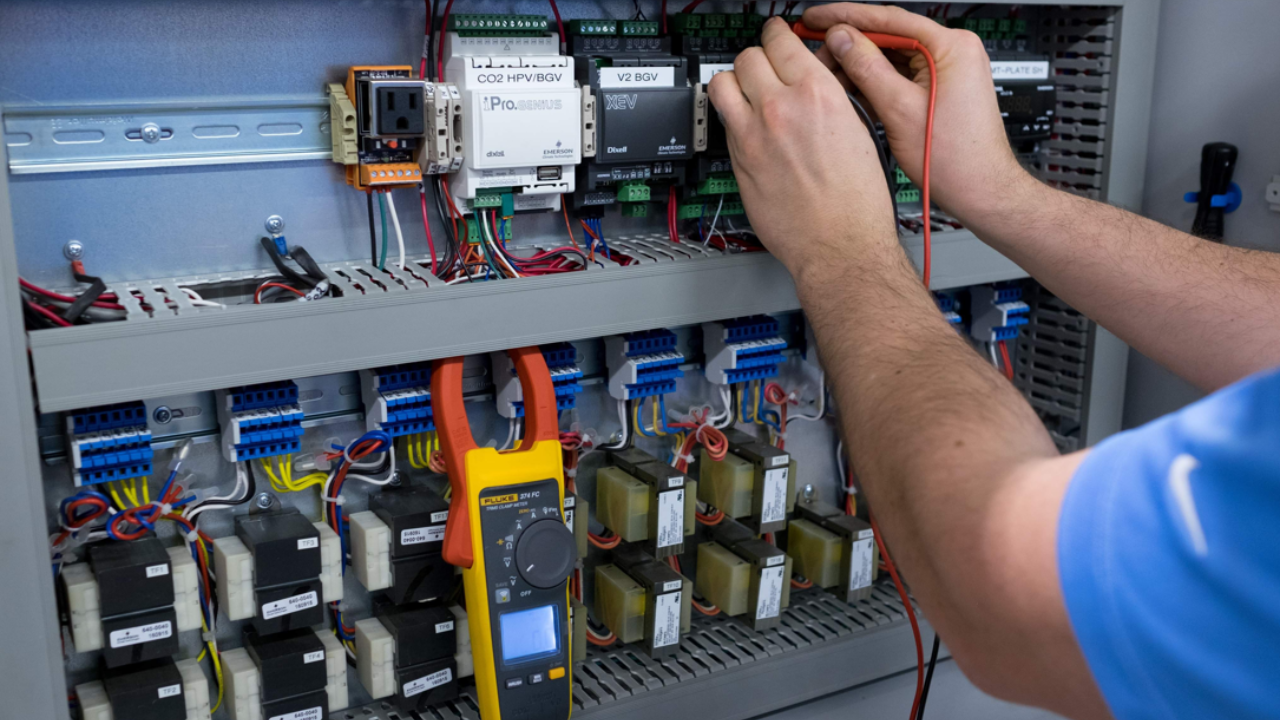
Multimeters measure voltage, current, and resistance. They help find where circuits fail.
Testers check if electricity flows in wires or outlets. They show if a circuit is live or dead.
- Digital multimeter for accurate readings
- Voltage tester to check live wires
- Continuity tester to find broken circuits
- Non-contact voltage detector for safety
Protective Gear
Protective gear keeps you safe during electrical work. It prevents shocks and injuries.
Always wear the right gear before starting any troubleshooting task. Safety is the top priority.
- Insulated gloves to stop electric shocks
- Safety glasses to protect your eyes
- Rubber-soled shoes for insulation
- Flame-resistant clothing for fire safety
Identifying Common Electrical Problems
Electrical problems can be scary if you do not know what to look for. Learning how to spot common issues helps keep your home safe.
This guide explains simple ways to find electrical problems. It focuses on power outages, switches, outlets, and wiring.
Power Outages And Circuit Breakers
Power outages often happen because of circuit breaker trips. Circuit breakers stop electricity when there is a fault.
If lights go out in one room, check the circuit breaker. It may have switched off to protect your home.
- Look for the breaker switch that is in the off position
- Reset the breaker by switching it off and on again
- If it trips again, call an electrician
Faulty Switches And Outlets
Switches and outlets can wear out over time. Faulty ones might cause sparks, buzzing sounds, or not work at all.
Check switches and outlets by turning them on and off. If they feel hot or smell bad, stop using them.
- Loose switches may cause flickering lights
- Damaged outlets can cause shocks or no power
- Replace broken covers to avoid accidents
Wiring Issues
Old or damaged wiring is a serious hazard. Signs include flickering lights, burning smells, and frequent breaker trips.
Do not touch exposed wires. If you see damage, call a professional to fix it safely.
- Look for cracked or frayed wires
- Notice if outlets feel warm or sparks appear
- Check if lights dim when using many devices
Step-by-step Troubleshooting Process
Electrical troubleshooting can seem hard at first. This guide breaks down the process into clear steps.
Following these steps helps you find and fix common electrical problems safely and quickly.
Visual Inspection
Start by looking closely at the electrical parts. Check for damage or loose wires.
- Look for burnt marks or melted insulation
- Check if wires are loose or disconnected
- See if switches and outlets look broken
- Make sure all connections are tight
Testing With A Multimeter
A multimeter measures voltage, current, and resistance. It helps find where the circuit fails.
| Test Type | What It Checks | How to Use |
| Voltage | Power presence | Place probes on terminals |
| Continuity | Connection status | Check if circuit completes |
| Resistance | Wire or component health | Measure resistance value |
Isolating The Problem
Isolate the faulty part by testing sections of the circuit. This helps narrow down the issue.
- Turn off power before disconnecting parts
- Test each section separately with a multimeter
- Replace or repair the broken part
- Retest to confirm the problem is fixed
Fixing Simple Electrical Issues
Electrical problems can be scary for beginners. Many simple issues have easy fixes. Learning these helps keep your home safe.
This guide shows how to replace fuses, repair switches, and secure loose connections safely.
Replacing Fuses And Circuit Breakers
Fuses and circuit breakers protect your home from electrical faults. If power goes out, one may be the cause. Replace a blown fuse or reset the breaker to restore power.
Always turn off the main power before replacing fuses or breakers. Use the correct type for your system to avoid dangers.
- Turn off main power switch
- Remove the blown fuse or tripped breaker
- Replace with the same rating fuse or breaker
- Turn power back on and test the circuit
Repairing Switches And Outlets
Switches and outlets can wear out or break over time. Fixing them keeps your electrical system working well. Always cut power before starting repairs.
Loose or damaged parts in switches or outlets cause problems. Replace broken parts or the whole unit if needed. Use tools carefully to avoid shock.
- Turn off power at the breaker
- Remove the switch or outlet cover
- Unscrew and pull out the device
- Check wires and replace device if damaged
- Reconnect wires and screw device back
- Replace cover and turn power on
Securing Loose Connections
Loose electrical connections cause flickering lights or power loss. Tighten all wire connections to fix these issues. Always ensure power is off before handling wires.
Check outlets, switches, and junction boxes for loose wires. Use a screwdriver to tighten screws and secure wires firmly.
- Turn off power at the breaker
- Open the device or box cover
- Check each wire connection for looseness
- Tighten screws holding wires
- Close covers and restore power
When To Call A Professional
Electrical problems can be confusing and dangerous. Knowing when to call a professional helps keep you safe.
This guide explains key signs that mean it’s time to get expert help.
Complex Wiring Problems
Some wiring issues need special tools and skills. Complex wiring is not safe for beginners to fix.
- Old or tangled wiring in walls
- Multiple circuits affected at once
- Wiring that does not match local codes
- Unclear or missing wiring diagrams
Persistent Electrical Failures
If you fix a problem but it returns, call a professional. Persistent failures show deeper issues.
| Common Problem | Possible Cause | Why Call a Professional |
| Frequent breaker trips | Overload or short circuit | Needs proper diagnosis and repair |
| Flickering lights | Loose wiring or bad connection | Risk of fire if untreated |
| Outlet sparks | Damaged wiring or outlet | High fire hazard, must be fixed safely |
Safety Concerns
Safety is the top priority. Call a professional if you see any of these signs.
- Burning smell near outlets or switches
- Shocks from outlets or appliances
- Discolored or melted wiring insulation
- Water near electrical panels or outlets
Preventive Measures
Electrical troubleshooting is easier with good preventive steps. These steps help avoid problems before they start.
Taking care of electrical systems keeps them safe and working well. Learning simple measures helps beginners handle issues better.
Regular Maintenance Tips
Check your electrical devices and wiring often. Look for signs of damage like frayed cords or loose connections.
Clean electrical parts carefully to stop dust build-up. Dust can cause overheating or short circuits.
- Turn off power before inspecting anything
- Tighten any loose screws or wires
- Replace damaged parts right away
- Test outlets and switches regularly
- Use a voltage tester to check circuits
Avoiding Common Mistakes
Do not ignore warning signs like sparks or burning smells. These signs mean there is a problem.
Never overload outlets or use damaged extension cords. This can cause fires or damage devices.
- Do not mix different wire sizes
- Avoid wet hands when touching electrical parts
- Do not bypass safety devices like fuses or breakers
- Use proper tools for electrical work
Upgrading Electrical Systems
Old wiring can cause frequent faults and risks. Upgrading systems improves safety and performance.
Plan upgrades with the right capacity to meet your needs. Use modern materials and follow electrical codes.
- Replace old fuse boxes with circuit breakers
- Install GFCI outlets in wet areas
- Use insulated wiring to reduce shocks
- Hire a licensed electrician for complex upgrades
Credit: refrigerationmentor.mykajabi.com
Frequently Asked Questions
What Tools Are Essential For Electrical Troubleshooting Beginners?
Basic tools include a multimeter, wire strippers, insulated screwdrivers, and electrical tape. These help safely identify and fix issues. Having these tools ensures accurate measurement and safer handling of electrical components.
How Can Beginners Safely Test Electrical Circuits?
Always turn off power before testing circuits. Use insulated tools and a multimeter to check voltage and continuity. Follow safety guidelines to avoid shocks and damage during troubleshooting.
What Common Electrical Problems Should Beginners Expect?
Common issues include blown fuses, faulty wiring, tripped breakers, and loose connections. Recognizing these helps beginners quickly diagnose and repair electrical faults effectively.
How Do You Identify A Short Circuit In Wiring?
A short circuit often causes circuit breakers to trip repeatedly. Look for burnt wires, smell burning, or test continuity with a multimeter to locate the fault.
Conclusion
Learning electrical troubleshooting can be both fun and rewarding. Start with basic tools and follow safety guidelines. Practice regularly to build confidence and skill. Understanding circuits and connections helps solve common problems easily. Always double-check your work to avoid mistakes.
Keep learning and exploring new techniques. This journey can make you more self-reliant at home. Remember, patience is key in troubleshooting. Every problem solved is a step forward. Stay curious and keep improving your skills. Enjoy the process and happy troubleshooting!
