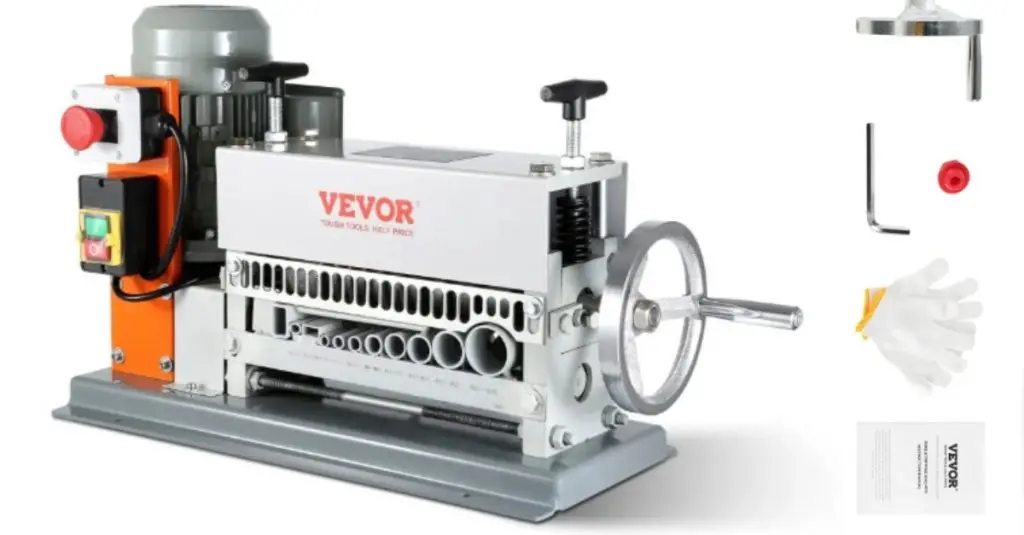
If you’ve ever struggled with removing the outer layer of a cable without damaging the inner wires, you’re not alone. Using a cable stripper efficiently can save you time, prevent costly mistakes, and make your work look professional.
You’ll discover simple tips and tricks to handle your cable stripper like a pro. By the end, you’ll feel confident and ready to tackle any wiring job with ease. Keep reading to unlock the secrets that will change the way you strip cables forever.
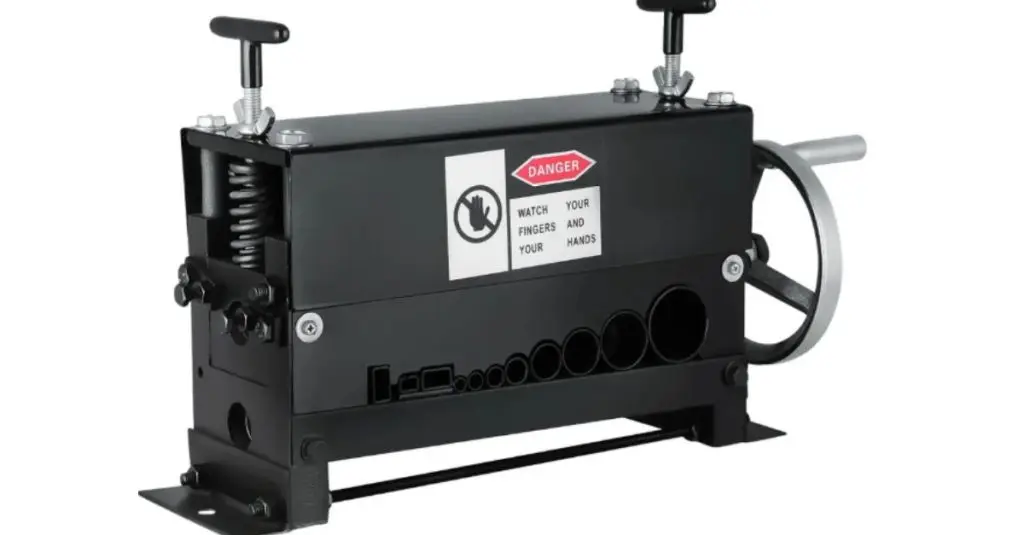
Credit: www.vevor.com
Choosing The Right Cable Stripper
Using a cable stripper makes removing insulation easier and safer. Picking the right tool helps you work faster and avoid damage.
This guide explains how to choose the right cable stripper for your needs. Learn about types, matching cable types, and features to check.
Types Of Cable Strippers
Cable strippers come in different styles for various tasks. Each type fits certain cables and jobs better.
- Manual Strippers: Simple tools for basic wire stripping.
- Automatic Strippers: Open and close on their own for quick work.
- Adjustable Strippers: Allow setting the blade depth for different cables.
- Rotary Strippers: Cut insulation by rotating around the cable.
Matching Stripper To Cable Type
Different cables need different strippers. Using the right one keeps the wire safe and easy to work with.
Thin wires require delicate strippers. Thick cables need stronger, wider tools to strip insulation well.
- Coaxial cables need strippers that remove multiple layers.
- Round cables work best with rotary or adjustable strippers.
- Flat cables require flat blade strippers to avoid damage.
Key Features To Look For
Good cable strippers have features that make your work easier and safer. Look for these before buying.
- Adjustable blade depth to match cable size.
- Comfortable grips to prevent hand strain.
- Durable blades that stay sharp long.
- Clear markings to measure wire length.
- Locking mechanism for safe storage.
Preparing The Cable
Before using a cable stripper, prepare the cable carefully. Proper preparation helps you strip the cable safely and cleanly.
Focus on measuring the right length and securing the cable well. These steps make stripping easier and prevent damage.
Measuring The Strip Length
Measure the strip length to match your project needs. Use a ruler or measuring tape for accuracy.
- Decide how much insulation to remove.
- Mark the cable at the correct length.
- Double-check the mark before stripping.
- Adjust the cable stripper to this length if possible.
Securing The Cable For Stripping
Hold the cable firmly to avoid slipping. You can use tools or your hands depending on the cable size.
| Cable Type | Recommended Holding Method |
|---|---|
| Thin cables | Hold with fingers near the strip mark |
| Thick cables | Use a clamp or vise for steady grip |
| Multi-core cables | Secure each core separately if needed |
Step-by-step Stripping Process
Using a cable stripper correctly helps you remove insulation without damage. Follow clear steps for safe and precise stripping.
This guide explains how to adjust the tool, strip the cable, and check your work.
Adjusting The Stripper Blades
Start by setting the blades to fit the cable thickness. Proper blade adjustment avoids cutting the wire inside.
Use the adjustment knob or screw on the tool. Turn it slowly and test on a scrap cable until the blades fit snugly.
- Identify the cable size to be stripped
- Loosen the blade adjustment
- Place the cable in the stripper
- Tighten the blades until they lightly grip the cable
- Test the setting on a scrap piece
Performing The Strip
Hold the cable firmly and close the stripper handles around it. Rotate the tool around the cable to cut the insulation evenly.
After rotating, pull the stripper away to slide off the insulation. Do this gently to avoid damaging the wires inside.
- Place cable in the adjusted stripper
- Squeeze the handles to cut insulation
- Rotate tool fully around the cable
- Pull the stripper to remove insulation
- Inspect the wire for any cuts or damage
Checking The Results
Look at the stripped cable to ensure no wires are nicked or broken. The insulation should come off cleanly.
If the wire looks damaged, adjust the blades and try again. Proper stripping helps maintain good electrical connections.
- Check for exposed wires without cuts
- Ensure insulation is fully removed
- Confirm wire length matches your needs
- Repeat stripping if damage is found

Credit: www.amazon.com
Common Mistakes To Avoid
Using a cable stripper can be simple, but mistakes can cause problems.
Avoiding common errors helps protect cables and improves your work quality.
Cutting Too Deep
Cutting too deep can damage the cable’s inner wires. This makes the cable unsafe or useless.
- Set the stripper blade to the right depth before starting.
- Test on a scrap piece of cable first.
- Use steady pressure without forcing the tool.
- Check the stripped cable for cuts or nicks.
Damaging The Conductor
Damaging the conductor reduces the cable’s ability to carry electricity or signals.
| Cause | Effect |
| Using too much force | Crushed wires inside the cable |
| Wrong blade angle | Scratched or cut conductors |
| Stripping too many times | Weakened cable strength |
Using The Wrong Tool
Using the wrong tool can make stripping harder and damage the cable.
- Knives or box cutters
- Scissors
- Pliers without stripping features
Choose a cable stripper made for the cable type you work with.
Maintenance And Care
Using a cable stripper correctly keeps your work safe and easy. Taking care of your tool helps it last longer.
Regular maintenance stops damage and keeps the tool working well. Follow simple steps to care for your cable stripper.
Cleaning The Stripper
Clean the cable stripper after every use to remove dirt and grease. This stops build-up that can harm the tool.
Use a dry cloth or soft brush to clean the blades and handles. Avoid water or chemicals that can cause rust.
Blade Replacement Tips
Replace blades if they become dull or damaged. Sharp blades make clean cuts and reduce cable damage.
Check the blade size before buying a new one. Use the correct tool to remove and install blades safely.
- Wear gloves to protect your hands
- Follow the tool’s manual for blade removal
- Tighten screws firmly after blade change
- Test the blade on a scrap cable first
Storage Recommendations
Store the cable stripper in a dry place to stop rust and damage. Keep it away from moisture and dust.
Use a tool box or pouch to protect the cable stripper. Avoid dropping or throwing the tool to keep it safe.
Advanced Tips For Efficiency
Using a cable stripper can save time and effort in your projects. These tips help you work faster and safer.
Learn how to handle different cable sizes and keep safety in mind while stripping cables.
Speed Techniques
Hold the cable firmly and keep the stripper steady. This reduces slips and speeds up the process.
Use a smooth motion to strip the cable. Avoid stopping and starting to save time.
- Position the blade correctly before cutting
- Use the right pressure to avoid damage
- Practice to improve hand coordination
Handling Different Cable Sizes
Adjust the stripper blade to fit the cable size. This prevents cutting too deep or too shallow.
For thick cables, strip slowly and check the blade often. Thin cables need lighter pressure to avoid damage.
- Use adjustable strippers for various cable sizes
- Check cable thickness before stripping
- Replace blades when they become dull
Safety Precautions
Wear safety glasses to protect your eyes from flying wire pieces. Keep your hands away from the blade.
Work in a well-lit area and keep your workspace clean. Dispose of stripped wire pieces safely.
- Always cut away from your body
- Use gloves if needed to avoid cuts
- Keep tools in good condition
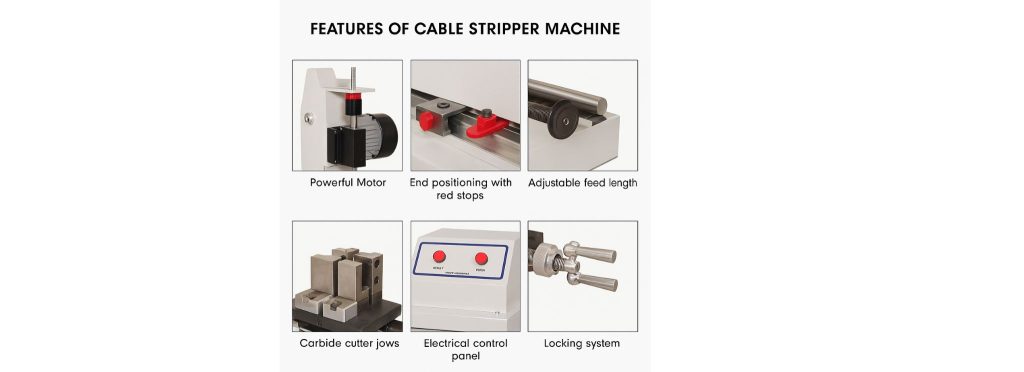
Credit: cablemeasurement.com
Frequently Asked Questions
What Is The Best Way To Hold A Cable Stripper?
Hold the cable stripper firmly with your dominant hand. Position the cable securely in the stripper’s jaws for a clean cut. This grip ensures control and precision while stripping cables efficiently.
How Do I Adjust A Cable Stripper Correctly?
Adjust the blade depth to match your cable’s thickness. Use the adjustment knob or screw to avoid cutting the wire inside. Proper adjustment prevents damage and makes stripping easier.
Can I Strip Different Cable Types With One Tool?
Yes, many cable strippers are versatile. They can strip coaxial, Ethernet, and electrical wires by adjusting settings. Ensure your stripper supports the cable type before use.
How To Avoid Damaging Wire Strands While Stripping?
Use a sharp, well-adjusted blade and apply gentle pressure. Rotate the stripper evenly around the cable to cut only the insulation. This technique protects wire strands from nicks or breaks.
Conclusion
Using a cable stripper efficiently saves time and prevents wire damage. Remember to choose the right size for your cables. Practice makes perfect; the more you use it, the better you get. Safety first—keep fingers away from sharp edges. Follow the instructions on your tool for best results.
These tips ensure a smooth, hassle-free experience. Enjoy stripping cables with confidence. Your projects will thank you for it. Proper technique leads to cleaner connections. So, get ready and strip cables like a pro. You’re all set to make your work easier and safer.