Are you confused about which electrical wire gauge to use for your project? Choosing the right wire size is crucial for safety and performance.
Using the wrong gauge can lead to overheating, power loss, or even dangerous electrical fires. In this guide, you’ll learn everything you need to know about electrical wire gauges—how to pick the right one, what the numbers mean, and why it matters for your home or work setup.
Keep reading to make sure your wiring is safe, efficient, and perfect for your needs.
Wire Gauge Basics
Electrical wire gauge is a way to measure wire thickness. It helps you choose the right wire for your project.
Using the correct gauge keeps electrical systems safe and working well.
What Wire Gauge Means
Wire gauge shows the size of a wire’s diameter. The smaller the gauge number, the thicker the wire.
Thicker wires carry more electricity and resist heat better than thinner wires.
Common Wire Gauge Sizes
Wire gauges range from very thick to very thin. Each size fits different electrical needs.
| Gauge Size | Diameter (inches) | Common Uses |
|---|---|---|
| 14 | 0.0641 | Lighting and small appliances |
| 12 | 0.0808 | General household wiring |
| 10 | 0.1019 | Large appliances and air conditioners |
| 8 | 0.1285 | Electric heaters and large equipment |
| 6 | 0.1620 | Main power feed and heavy-duty circuits |
How Gauge Affects Wire Performance
Wire gauge affects how much current a wire can carry safely. Using the wrong size can cause problems.
Thicker wires have less resistance and heat up less. Thinner wires have more resistance and heat up more.
- Thicker wire: carries more current safely
- Thinner wire: better for low power use
- Wrong gauge: risks fire and power loss
Choosing The Right Wire Gauge
Choosing the correct wire gauge is important for electrical safety and efficiency. The wire must handle the electric current without overheating.
Using the right wire size helps prevent power loss and damage to electrical devices. It also keeps your home or project safe from fire risks.
Matching Wire To Current Load
The wire gauge depends on the amount of current the wire will carry. Higher current needs thicker wire with lower gauge numbers.
- Check the current rating of your device or circuit.
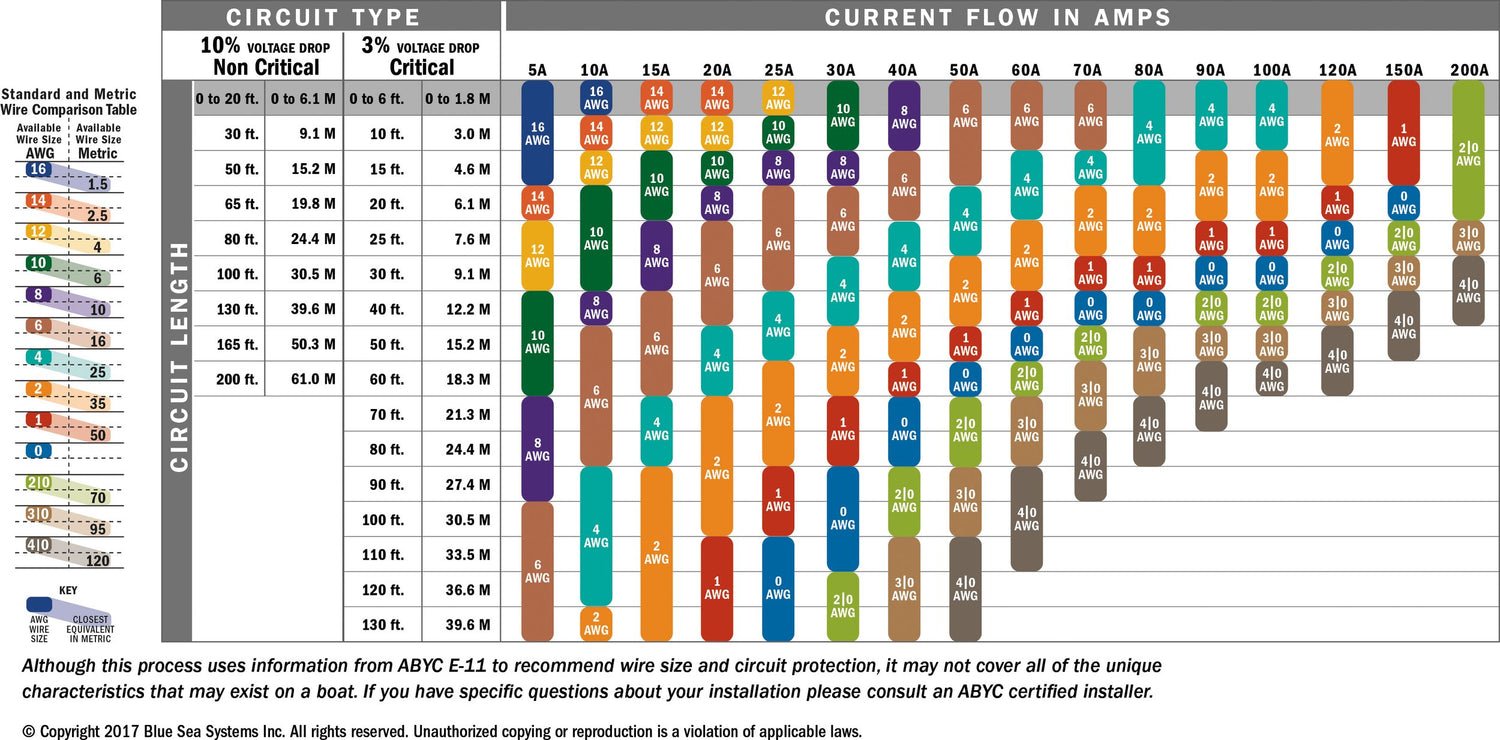
- Use a wire gauge chart to find the right size for that current.
- Do not use a wire that is too thin for the load.
- Always allow some margin for safety.
Considering Wire Length And Voltage Drop
Long wires cause voltage drop, which lowers the power at the device. Thicker wires reduce voltage drop over long distances.
| Wire Length (feet) | Recommended Wire Gauge | Reason |
|---|---|---|
| 0-50 | 14 AWG | Short distance, normal current |
| 50-100 | 12 AWG | Lower voltage drop |
| 100-150 | 10 AWG | Long distance, reduce power loss |
| 150+ | 8 AWG or thicker | Significant voltage drop requires thick wire |
Impact Of Wire Material
Most wires are copper or aluminum. Copper has lower resistance and carries current better than aluminum.
Choose wire material by considering:
- Copper wires have better conductivity.
- Aluminum wires are lighter and cheaper.
- Aluminum needs larger gauge to carry the same current as copper.
- Check local codes for allowed materials.
Safety Tips For Wiring
Electrical wiring must be safe to prevent accidents and damage. Following proper guidelines helps avoid hazards.
Use the right wire gauge and take steps to protect wiring from harm. This guide covers key safety tips.
Avoiding Overheating Risks
Overheating wires can cause fires. Use the correct wire size for the electrical load. Do not overload circuits.
- Check the wire gauge matches the device’s power needs.
- Do not connect too many devices on one circuit.
- Inspect wires for damage or wear regularly.
- Keep wiring away from heat sources and damp areas.
Proper Insulation And Protection
Insulation keeps wires safe and prevents shocks or shorts. Use high-quality insulation materials for all wiring.
| Insulation Type | Best Use | Key Feature |
| Thermoplastic (THHN) | Indoor wiring | Heat and moisture resistant |
| Rubber | Flexible cords | Good flexibility |
| PVC | Outdoor wiring | Weather resistant |
Following Electrical Codes
Electrical codes set rules to keep wiring safe and legal. Always follow local and national codes for all projects.
Key electrical code tips:
- Use approved wire types and sizes.
- Install proper grounding and circuit breakers.
- Get inspections before using new wiring.
- Hire a licensed electrician for complex jobs.

Credit: www.ebay.com
Tools And Techniques
Working with electrical wires requires the right tools and techniques. This helps ensure safety and good connections.
This guide covers how to use wire gauge tools, cut and strip wires, and connect and secure wires properly.
Using Wire Gauge Tools
Wire gauge tools measure the thickness of electrical wires. Knowing the wire size helps you pick the right equipment.
The most common tool is a wire gauge ruler with slots for different sizes. You insert the wire to find its gauge.
- Match the wire to the correct slot on the gauge tool
- Check the gauge number marked on the tool
- Use the gauge to select proper connectors and fuses
Cutting And Stripping Wire
Cutting wires cleanly is important for good electrical connections. Use wire cutters made for electrical work.
Stripping removes the plastic cover without damaging the metal inside. Wire strippers have different slots for wire sizes.
- Choose the correct slot on the wire stripper for your wire gauge
- Clamp the wire stripper and pull off the insulation carefully
- Check that the metal wire is not nicked or cut
Connecting And Securing Wires
Connecting wires safely ensures your electrical system works well. Use wire nuts or crimp connectors for joining wires.
Secure connections prevent wires from coming loose. Wrap electrical tape or use cable ties to hold wires firmly.
- Twist wires together before applying a wire nut
- Use a crimping tool for crimp connectors
- Wrap connections with electrical tape for extra safety
- Organize wires with cable ties to avoid tangling
Common Mistakes To Avoid
Choosing the right electrical wire gauge is very important for safety. Many people make simple mistakes that cause problems.
Knowing what to avoid helps keep your wiring safe and working well. Here are common errors to watch out for.
Using Undersized Wire
Using wire that is too small for the current can cause overheating. This can damage wires and start fires.
Always check the wire gauge needed for the electrical load. Do not guess or reuse old wires without checking.
- Undersized wire causes voltage drops
- Can lead to equipment failure
- Increases fire risk due to heat
Ignoring Environmental Factors
Environmental conditions affect wire performance. Heat, moisture, and chemicals can damage wires over time.
Choose wire types that match the environment. For example, use waterproof wires in wet areas.
- High heat can lower wire capacity
- Moisture may cause corrosion
- Chemicals can weaken insulation
Skipping Professional Inspection
Not having a professional check your wiring is risky. Experts find problems you might miss.
Inspections ensure wires meet safety codes. They help prevent future electrical hazards.
- Experts verify correct wire gauge
- They check for damage or wear
- Help keep your system safe and reliable

Credit: www.dfliq.net
Advanced Wiring Tips
Working with electrical wires can be tricky. Using the right wire gauge keeps your wiring safe and efficient.
This guide shares tips to handle high-voltage circuits, manage multiple circuits, and upgrade old wiring.
Handling High-voltage Circuits
High-voltage circuits need special care to prevent shocks and fires. Use thicker wires to carry more current safely.
Always check the wire insulation for damage before starting work. Use tools rated for high voltage only.
- Choose wire gauge based on voltage and current
- Keep wires away from water and heat
- Use proper protective gear and tools
- Double-check all connections for tightness
Managing Multiple Circuits
Multiple circuits need clear organization to avoid confusion. Label wires and keep separate circuits apart.
Use a breaker panel that fits your home’s needs. Balance the load to prevent overheating and outages.
- Use different wire colors for each circuit
- Keep wires neat with cable ties or clips
- Check total load to avoid circuit overload
- Test circuits individually after installation
Upgrading Existing Wiring
Old wiring may not meet current safety rules. Inspect wires for cracks, rust, or loose connections before upgrading.
Replace old wires with correct gauge for your power needs. Update outlets and switches to safer models.
- Turn off power before starting any work
- Use wire gauges recommended for your appliances
- Replace damaged insulation to avoid shorts
- Test upgraded wiring before regular use

Credit: powmr.com
Frequently Asked Questions
What Is Electrical Wire Gauge And Why Is It Important?
Electrical wire gauge measures wire thickness. It affects current capacity and safety. Choosing the right gauge prevents overheating and fire risks. Proper gauge ensures efficient electrical performance and compliance with standards.
How Do I Choose The Right Wire Gauge Size?
Select wire gauge based on current load and wire length. Higher current requires thicker wire. Longer distance needs larger gauge to reduce voltage drop. Always refer to electrical codes for safety guidelines.
What Are Common Wire Gauge Sizes For Home Wiring?
Typical home wiring uses 14, 12, and 10 gauge wires. 14 gauge suits lighting circuits, 12 gauge for outlets, and 10 gauge for appliances. Correct gauge ensures safe power delivery and prevents circuit damage.
Can Using The Wrong Wire Gauge Cause Hazards?
Yes, using too thin wire causes overheating and fire risks. Undersized wires can lead to voltage drops and equipment failure. Always match wire gauge to electrical load and code requirements.
Conclusion
Choosing the right wire gauge is essential for safety. It helps prevent overheating and electrical hazards. Always consider the current and length of the wire. These factors affect performance. Ensure compatibility with your devices. This keeps everything running smoothly. Consult experts if unsure about specifics.
Their advice can be valuable. Understanding wire gauge basics empowers better decisions. It enhances safety and efficiency in your projects. Remember, informed choices lead to successful electrical installations. Stay safe and smart in your wiring endeavors.