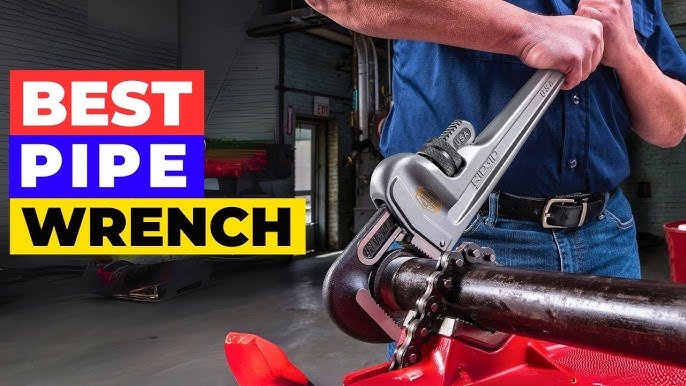
When you’re working with pipe fittings, having the right tools can make all the difference. Using a T-handle wrench might just be the game-changer you need.
This simple tool gives you better grip and control, helping you tighten or loosen fittings with less effort. If you want to avoid stripped threads, save time, and get the job done right, keep reading. We’ll show you how to use a T-handle wrench effectively, so your next plumbing task feels easier and more efficient.
Choosing The Right T-handle Wrench
A T-handle wrench is useful for tightening and loosening pipe fittings. Picking the right wrench helps you work faster and safer.
Understanding different types, materials, and sizes of T-handle wrenches can guide your choice for pipe fitting tasks.
Types Of T-handle Wrenches
There are several types of T-handle wrenches. Each type fits different pipe fittings and job needs.
- Hex T-Handle:Used for hexagonal bolts and fittings.
- Socket T-Handle:Fits sockets for various bolt sizes.
- Allen T-Handle:Designed for hex key bolts inside pipe fittings.
- Adjustable T-Handle:Can change size to fit multiple bolts.
Materials And Durability
T-handle wrenches come in different materials. The material affects strength and how long the wrench lasts.
| Material | Durability | Weight | Use |
| Steel | High | Heavy | Heavy-duty work |
| Chrome Vanadium | Very High | Medium | Professional use |
| Aluminum | Medium | Light | Light work, easy handling |
| Plastic Handle with Steel Shaft | Medium | Light | Comfort grip, moderate use |
Size Selection For Pipe Fittings
Choosing the right size T-handle wrench is key for pipe fittings. The wrong size can damage fittings or tools.
- Measure the bolt or fitting size before selecting a wrench.
- Use a wrench that fits snugly to avoid slipping.
- Keep a set of different sizes for varied pipe fitting jobs.
- Check the wrench size marked on the tool to match your fittings.
Preparing Pipe Fittings
Using a T-handle wrench properly starts with preparing the pipe fittings. Good preparation helps ensure tight, leak-free connections.
Before tightening, you must clean, apply thread sealant, and align the fittings carefully. Each step improves the fitting’s performance.
Cleaning And Inspection
Clean the pipe fittings and threads to remove dirt, oil, and old sealant. Inspect the threads for damage or wear. Damaged threads can cause leaks.
- Wipe fittings with a clean cloth
- Use a wire brush for stubborn debris
- Check for cracks or dents
- Replace fittings if threads are stripped
Applying Thread Sealant
Thread sealant prevents leaks by filling gaps between threads. Use the right type of sealant for your pipe material and application.
| Sealant Type | Use For |
| PTFE Tape | Metal threads, water pipes |
| Pipe Dope | Metal and plastic threads |
| Anaerobic Sealant | High pressure, gas lines |
Aligning Fittings Properly
Correct alignment reduces stress and prevents leaks. Use the T-handle wrench to tighten slowly and keep fittings straight.
- Hand-tighten fittings first
- Hold the pipe steady to avoid twisting
- Use the T-handle wrench to finish tightening
- Check that fittings are aligned and snug
Using The T-handle Wrench Effectively
The T-handle wrench is a useful tool for tightening and loosening pipe fittings. Using it correctly saves time and avoids damage.
This guide explains how to hold the wrench, apply torque, and avoid common mistakes for better results.
Proper Grip And Hand Position
Hold the T-handle wrench with both hands on the crossbar. Place your dominant hand in the middle for control.
Keep your wrists straight and your fingers wrapped firmly around the handle. This grip helps you apply steady force.
- Use your dominant hand for turning
- Keep your hands close to the fitting
- Maintain a firm but comfortable grip
Applying The Right Amount Of Torque
Turn the wrench slowly to apply even torque. Too much force can damage the pipe or fitting.
Stop turning when the fitting feels tight and secure. Over-tightening can cause leaks or break parts.
- Turn the wrench smoothly
- Feel for resistance as the fitting tightens
- Stop when the fitting is firm, but not forced
Avoiding Common Mistakes
Do not use the wrench if the handle is wet or oily. This reduces grip and can cause slips.
Avoid using the wrench on damaged or rusted fittings. This can make the problem worse and harm the tool.
- Keep the handle clean and dry
- Inspect fittings before use
- Do not force stuck fittings with the wrench
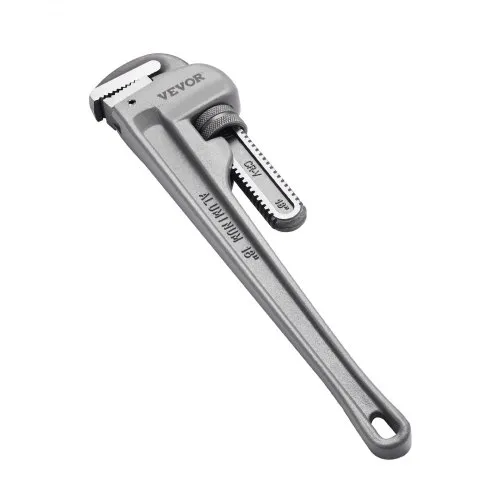
Credit: www.vevor.ca
Maintaining Your T-handle Wrench
A T-handle wrench is useful for pipe fittings. Keeping it in good shape makes your work easier.
Regular care helps the wrench last longer and work better every time you use it.
Cleaning And Storage Tips
Clean your wrench after each use to remove dirt and grease. Use a dry cloth or mild soap and water if needed.
- Wipe off dirt and oil after use
- Dry the wrench completely to prevent rust
- Store in a dry, cool place away from moisture
- Keep the wrench in a tool box or hang it on a pegboard
Lubrication And Rust Prevention
Lubricate moving parts to keep the wrench working smoothly. Use light machine oil or a spray lubricant.
Apply oil to the following parts:
- The handle joint
- The wrench head
- Any sliding or rotating parts
Wipe off extra oil to avoid dirt buildup.
To stop rust, keep the wrench dry and apply a thin coat of oil after cleaning.
When To Replace Your Wrench
| Condition | Action |
| Handle cracks or breaks | Replace the wrench immediately |
| Worn or damaged wrench head | Replace to avoid slipping |
| Rust that cannot be removed | Consider buying a new wrench |
| Loose or stuck moving parts | Try lubrication first, replace if still faulty |
Troubleshooting Common Issues
Using a T-handle wrench for pipe fittings can make tasks easier. Still, some common problems can slow you down. Knowing how to fix these issues saves time and effort.
This guide covers three common problems: stuck fittings, stripped threads, and tight spaces. Each section offers practical tips for quick fixes.
Dealing With Stuck Fittings
Stuck pipe fittings can happen due to rust, dirt, or overtightening. Applying steady force with a T-handle wrench helps, but sometimes extra steps are needed.
- Apply a penetrating oil to the fitting and wait 10-15 minutes.
- Use the T-handle wrench to gently rock the fitting back and forth.
- Tap the fitting lightly with a hammer to break rust or debris.
- Wear gloves to improve grip and protect your hands.
- If the fitting still won’t budge, try heating it with a heat gun to expand the metal.
Fixing Stripped Threads
Stripped threads can make pipe fittings loose or impossible to tighten. You can repair or work around stripped threads with some simple methods.
| Problem | Solution |
| Minor thread damage | Use a thread file to reshape threads |
| Stripped male threads | Wrap plumber’s tape or thread sealant for a tighter fit |
| Stripped female threads | Install a thread repair insert or replace the fitting |
| Severe damage | Replace the damaged pipe or fitting |
Handling Tight Spaces
Tight spaces make it hard to use a T-handle wrench properly. Adjusting your approach can help you work safely and effectively.
Try these tips for tight spaces:
- Use a smaller T-handle wrench designed for narrow areas.
- Remove nearby obstacles if possible to increase access.
- Use extension bars to reach deep fittings.
- Apply lubricant to reduce resistance and ease turning.
- Work slowly to avoid stripping or damaging fittings.

Credit: powertecproducts.com
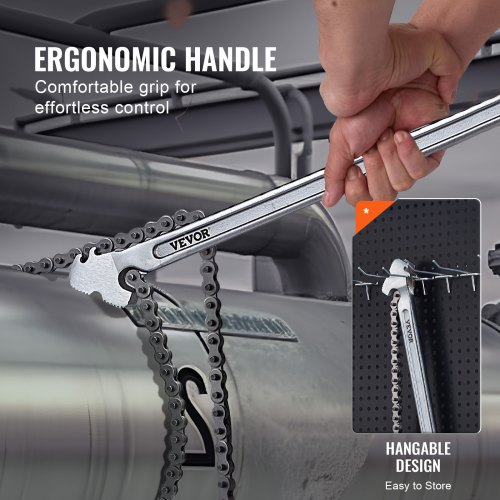
Credit: www.vevor.ca
Frequently Asked Questions
What Is A T-handle Wrench Used For In Pipe Fittings?
A T-handle wrench provides better grip and torque for tightening pipe fittings. It helps secure connections without damaging pipes, ensuring leak-free joints. Its design allows easier control and access in tight spaces, making pipe installation and maintenance efficient.
How Do You Use A T-handle Wrench On Pipes?
Insert the wrench into the fitting’s hex or square head. Turn the handle clockwise to tighten or counterclockwise to loosen. Apply steady pressure to avoid stripping. The T-handle’s leverage allows precise control, reducing hand fatigue during pipe fitting tasks.
Can T-handle Wrenches Fit Different Pipe Sizes?
Yes, T-handle wrenches come in various sizes and socket attachments. This versatility allows them to fit multiple pipe diameters and fitting types. Using the correct size ensures proper torque application and prevents damage to pipe fittings.
Why Choose A T-handle Wrench Over Regular Wrenches?
T-handle wrenches offer superior torque and control compared to regular wrenches. Their ergonomic design reduces hand strain during repetitive tasks. They are ideal for tight spaces, providing better maneuverability when working with pipe fittings.
Conclusion
A T-handle wrench makes pipe fittings easier. Its design offers better grip. You save time with less effort. It’s a tool for every toolbox. Even beginners find it useful. Simple to use and reliable. Perfect for tight spaces too. Choose the right size for your needs.
Ensure a snug fit every time. With practice, tasks become smoother. Investing in quality ensures durability. Safe handling protects from slips. Remember, practice builds skill. Always check for wear and tear. Keep your T-handle wrench ready. Enjoy hassle-free pipe fitting work.