Have you ever looked at a tangled bunch of electrical wires and felt completely lost? Understanding electrical wire color coding can make all the difference in keeping your home safe and your projects running smoothly.
Knowing what each color means helps you avoid costly mistakes and dangerous shocks. You’ll discover the simple color codes electricians use every day. By the end, you’ll feel confident handling wires with ease and know exactly what each color stands for.
Keep reading—your safety and success depend on it!

Credit: www.youtube.com
Basics Of Wire Color Coding
Electrical wires have different colors to show their purpose. This helps people work safely with electricity.
Wire color coding is a simple way to identify wires in homes, buildings, and machines.
Purpose Of Color Coding
Color coding helps to quickly recognize the type of wire. It shows which wire is live, neutral, or ground.
This system lowers the risk of mistakes and accidents during electrical work.
- Safety: Prevents electric shocks and fires
- Efficiency: Speeds up installation and repairs
- Standardization: Makes work easier for all electricians
Common Color Codes Worldwide
Different countries use different colors for wires. Knowing the local color codes is very important.
| Wire Type | USA | Europe | UK |
|---|---|---|---|
| Live (Hot) | Black, Red | Brown | Brown |
| Neutral | White | Blue | Blue |
| Ground (Earth) | Green or Green/Yellow | Green/Yellow | Green/Yellow |
Always check local rules before starting any electrical work. This keeps you safe and meets the law.
Color Codes In Residential Wiring
Residential electrical wiring uses colors to show wire functions. This helps keep wiring safe and easy to understand.
Knowing these colors helps when installing or repairing home electrical systems.
Live Wires
Live wires carry electricity to outlets and devices. They are dangerous because they have current flowing through them.
- Black wires are common live wires.
- Red wires are also live, often used for switch legs.
- Blue and yellow wires can be live in some setups, like switch wires.
Neutral Wires
Neutral wires carry current away from devices back to the electrical panel. They complete the circuit.
In most homes, neutral wires are white or gray. They do not carry current unless there is a fault.
Ground Wires
Ground wires protect people from electric shocks. They direct electricity safely into the earth if there is a problem.
| Wire Color | Purpose |
| Green | Ground wire |
| Bare copper | Ground wire |
| Green with yellow stripe | Ground wire |
Color Codes In Commercial Wiring
Electrical wiring uses colors to show the purpose of each wire. This helps electricians work safely and easily. In commercial buildings, color codes follow strict rules.
Knowing these colors helps prevent mistakes. It also makes maintenance faster and safer.
Three-phase Wiring Colors
Three-phase wiring carries power in large buildings. Each phase has a different color to tell them apart. This reduces confusion and keeps systems balanced.
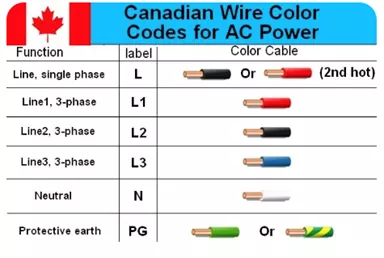
Common colors for the phases are black, red, and blue. The neutral wire is white or gray. The ground wire is green or green with a yellow stripe.
| Wire Type | Color |
|---|---|
| Phase 1 (L1) | Black |
| Phase 2 (L2) | Red |
| Phase 3 (L3) | Blue |
| Neutral | White or Gray |
| Ground | Green or Green/Yellow |
Specialized Circuit Colors
Some circuits need special colors for safety and function. These include fire alarms, emergency systems, and data wiring.
Fire alarm wires are usually red. Emergency power wires can be orange. Low-voltage control wires often use blue or purple.
- Fire Alarm: Red
- Emergency Power: Orange
- Low-Voltage Control: Blue or Purple
- Data and Communication: Usually Gray or White
Safety Tips For Handling Electrical Wires
Handling electrical wires needs care and attention to avoid accidents. Knowing safety tips helps protect you from electric shocks and injuries.
Using the right tools and following safe steps makes work easier and safer. Always prepare before touching any electrical wires.
Tools And Equipment
Use insulated tools to protect yourself from electric shocks. Wear rubber gloves and safety glasses when working with wires.
- Insulated wire cutters and strippers
- Voltage tester or multimeter
- Rubber or insulated gloves
- Safety goggles
- Non-conductive ladder
Precautions To Avoid Hazards
Always turn off power before working on wires. Check wires and equipment for damage before use to avoid shocks or fires.
| Precaution | Reason |
| Turn off main power | Prevents electric shock |
| Use insulated tools | Blocks electric current |
| Wear protective gear | Protects skin and eyes |
| Keep dry hands | Water conducts electricity |
| Check wires for damage | Avoids shorts and fires |
International Variations In Color Coding
Electrical wire color codes help identify wire purpose. Colors show if a wire is live, neutral, or ground.
Different countries use different color codes. This guide explains some main international standards.
North America Standards
In North America, color codes follow the National Electrical Code (NEC). These colors mark wire roles clearly.
Black or red wires are usually hot. White wires are neutral. Green or bare wires are ground.
- Black/Red:Live (hot) wires
- White:Neutral wire
- Green/Bare:Ground wire
European Standards
Europe follows the International Electrotechnical Commission (IEC) color codes. These colors help prevent confusion.
Brown wires are live, blue wires are neutral, and green-yellow wires are ground.
- Brown:Live (phase) wire
- Blue:Neutral wire
- Green-Yellow:Protective earth (ground)
Other Regional Differences
Some countries have unique wire colors. These may differ from North America and Europe.
For example, in Australia, active wires can be red or brown, neutral is black or blue, and earth is green-yellow.
| Region | Live | Neutral | Ground/Earth |
|---|---|---|---|
| Australia | Red or Brown | Black or Blue | Green-Yellow |
| Japan | Black or Red | White | Green |
| India | Red, Yellow, or Blue | Black or White | Green or Green-Yellow |

Credit: www.truecable.com
Troubleshooting Common Wiring Issues
Electrical wire color coding helps you find wiring problems faster. Knowing the colors shows you how wires should connect.
Fixing wiring issues keeps your home safe and your devices working well.
Identifying Incorrect Wiring
Look at wire colors and compare them to standard codes. Different colors mean different functions like live, neutral, or ground.
If colors do not match the expected roles, wiring may be wrong. This can cause devices to fail or create safety hazards.
- Black or red wires usually carry live current.
- White or gray wires are neutral.
- Green or bare wires are ground.
- Check for mixed or swapped colors.
- Use a tester to confirm connections.
Steps To Correct Faulty Connections
Turn off power before working on wires to stay safe. Use tools like wire strippers and testers for accuracy.
Replace wires that have wrong colors or are damaged. Match each wire color to its correct terminal or connector.
- Identify which wire is live, neutral, or ground.
- Disconnect faulty or unsafe connections carefully.
- Strip wire ends to expose fresh copper if needed.
- Connect wires by matching the correct colors.
- Secure connections with wire nuts or terminal screws.
- Test the circuit to make sure it works right.
- Restore power and check for any issues.
Future Trends In Wire Color Coding
Wire color coding helps identify electrical wires. It makes installation and repair easier and safer. The rules for these colors are changing to improve safety and technology.
New trends in wire color coding focus on safety and new materials. These changes will help electricians work faster and reduce mistakes.
Advances In Safety Regulations
Safety rules for wire colors are getting stricter. They aim to reduce accidents and confusion during wiring. New standards may require clearer color differences.
Electrical codes will push for uniform colors worldwide. This will help electricians work in different countries without errors. They may also include new colors for special wires.
- Stronger color contrast for better visibility
- Standardized colors for all types of wires
- Mandatory use of color codes in all new installations
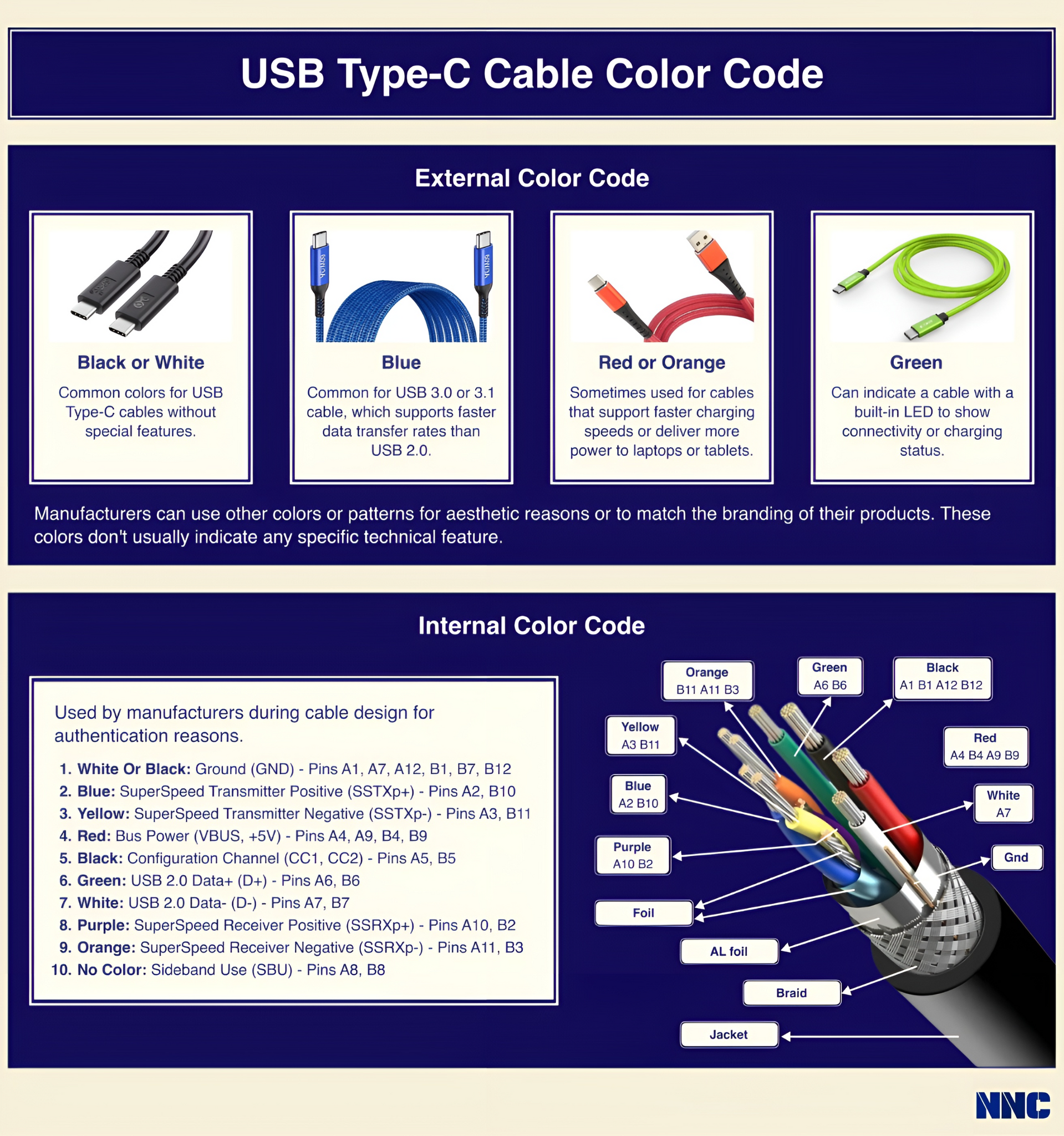
- New colors for smart and data cables
Innovations In Wire Materials And Markings
Wire materials are improving to last longer and resist heat better. These new materials may affect how colors show on wires. Clearer markings will help identify wires even in dark places.
Some wires will have color bands or symbols instead of full color. This helps when space is small or colors fade. Smart wires with digital tags may also appear.
- Heat-resistant and UV-resistant wire coatings
- Color bands or stripes for better wire ID
- Symbols added to colors for extra information
- Digital tags for smart wiring systems
Credit: nassaunationalcable.com
Frequently Asked Questions
What Do Electrical Wire Colors Represent?
Electrical wire colors indicate their specific functions in circuits. For example, black or red wires are usually hot, white is neutral, and green or bare wires are ground. Understanding these colors ensures safe and correct wiring practices.
Why Is Wire Color Coding Important?
Wire color coding prevents electrical hazards by clearly identifying wire roles. It simplifies troubleshooting and maintenance. Proper color usage promotes safety and compliance with electrical standards.
Are Wire Color Codes The Same Worldwide?
No, wire color codes vary by country. For instance, the US and Europe use different color schemes. Always check local electrical codes before wiring to ensure correct color usage.
How Do I Identify Live And Neutral Wires?
Typically, live wires are black, red, or brown, while neutral wires are white or blue. Ground wires are green or bare. Always verify with a tester before handling wires.
Conclusion
Understanding electrical wire color coding ensures safety and prevents accidents. Each color has a specific role in electrical systems. Knowing them helps in proper connections. Always consult a professional for complex tasks. Remember, safety first in all electrical work. Keep this knowledge handy for future projects.
It’s crucial for every homeowner and DIY enthusiast. Make sure to double-check connections before turning on power. This minimizes risks and ensures smooth operations. Stay informed and keep your electrical systems safe. Proper knowledge leads to safer homes and workplaces.
Remember, correct wire usage matters.