Are you struggling to fit pipes together smoothly without damaging them? Using a pipe expansion tool can make your job easier and more professional.
But if you’re not sure how to use it correctly, you might waste time or even ruin your materials. This guide will walk you through every step, so you gain confidence and get the perfect fit every time. Keep reading, and you’ll discover simple tips that save you effort and deliver lasting results.
Credit: www.corzan.com
Choosing The Right Pipe Expansion Tool
Using the right pipe expansion tool makes your work easier and safer. It helps you fit pipes properly without damage.
Knowing the different types and what to consider helps you pick the best tool for your job.
Types Of Expansion Tools
There are several types of pipe expansion tools. Each works best for certain pipe materials and sizes.
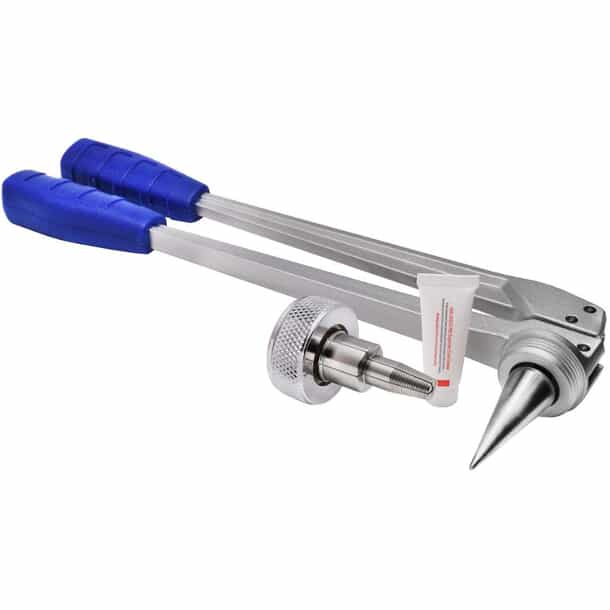
- Manual Expander:Handheld tool for small pipes. Good for tight spaces.
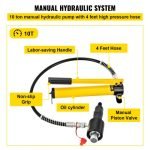
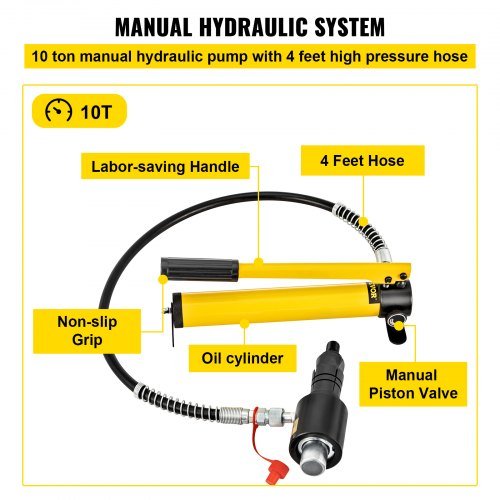
- Hydraulic Expander:Uses fluid pressure. Best for large pipes and heavy work.
- Electric Expander:Powered tool that saves effort. Suitable for medium to large pipes.
- Spring Expander:Simple tool with springs. Works well on thin-walled pipes.
Factors To Consider
| Factor | Details |
|---|---|
| Pipe Material | Copper, steel, or plastic need different tools. |
| Pipe Size | Choose a tool that fits the pipe diameter. |
| Work Frequency | Frequent use needs durable and comfortable tools. |
| Power Source | Manual, electric, or hydraulic based on job needs. |
| Budget | Balance cost with quality and tool lifespan. |
Tool Maintenance Tips
Keeping your pipe expansion tool in good shape ensures safety and long use.
- Clean the tool after each use to remove dirt and debris.
- Lubricate moving parts regularly to avoid rust and wear.
- Check for damage before every job to prevent accidents.
- Store the tool in a dry place to protect it from moisture.
- Follow the manufacturer’s instructions for care and repair.
Preparing Pipes For Expansion
Using a pipe expansion tool requires proper preparation of the pipes. This ensures a smooth and safe expansion process. Careful steps help avoid damage and leaks.
Follow these key steps to prepare your pipes before using the expansion tool. Clean, measure, and take safety precautions for the best results.
Cleaning And Inspection
Clean pipes remove dirt and debris that can block the tool or cause weak spots. Inspect pipes for cracks or damage before expansion. Damaged pipes may fail after expanding.
- Remove dirt, grease, and rust with a wire brush or cloth
- Check pipe ends and walls for cracks or dents
- Ensure the pipe surface is dry before expanding
- Replace any pipes with visible damage
Measuring Pipe Dimensions
Measure pipe dimensions to select the right expansion tool size. Correct sizing prevents over-expansion and pipe damage.
| Dimension | Measurement Method | Tool Needed |
| Outside Diameter | Use caliper across pipe | Caliper |
| Wall Thickness | Measure pipe end thickness | Micrometer |
| Pipe Length | Measure full length | Tape Measure |
Safety Precautions
Safety is important when working with pipe expansion tools. Follow rules to avoid injury and damage.
- Wear safety goggles and gloves
- Ensure workspace is clean and free of obstacles
- Use the tool as instructed by the manufacturer
- Check for gas or water flow and shut off if needed
- Keep others away from the work area
Step-by-step Expansion Process
Using a pipe expansion tool helps fit pipes together tightly. This guide shows the main steps for expanding a pipe safely and correctly.
Follow these instructions to prepare the tool, expand the pipe, and check your work for accuracy.
Setting Up The Tool
Start by preparing your pipe expansion tool. Make sure it is clean and all parts work well. Check the size settings to match your pipe.
- Clean the tool and inspect for damage
- Adjust the expansion head to the pipe size
- Lubricate moving parts to ensure smooth operation
- Secure the tool firmly to avoid slipping
Expanding The Pipe
Place the tool inside the pipe end. Slowly turn the handle or activate the tool to expand the pipe evenly. Do not rush this step.
| Action | Details |
| Insert tool | Place the expansion head inside the pipe end |
| Expand | Turn handle slowly to widen the pipe |
| Hold | Keep the tool steady until expansion is complete |
| Release | Carefully remove the tool from the pipe |
Checking Expansion Accuracy
After expansion, check the pipe size and shape. Make sure it matches the fitting and there are no cracks or uneven spots.
- Use a caliper to measure pipe diameter
- Inspect the pipe edge for smoothness
- Fit the pipe into its connector to test the fit
- Look for any signs of damage or over-expansion
Common Challenges And Solutions
Using a pipe expansion tool can be tricky. Many users face problems during the process. Knowing common challenges helps to work safely and effectively.
This guide covers three main issues: stuck tools, pipe damage, and uneven expansion. Each section offers clear tips and solutions.
Dealing With Stuck Tools
Sometimes the pipe expansion tool gets stuck inside the pipe. This can happen if the tool is not aligned or if rust blocks its movement.
- Apply a lubricant before inserting the tool.
- Check that the tool is straight and centered.
- Use gentle back-and-forth movements to free the tool.
- Do not force the tool; this may cause damage.
- Clean the tool and pipe after use to prevent rust.
Avoiding Pipe Damage
Pipes can crack or deform if expanded too fast or unevenly. Protect the pipe by following these simple rules.
| Cause | Effect | Solution |
| Expanding too quickly | Pipe cracks | Expand slowly and steadily |
| Using the wrong tool size | Pipe deforms | Choose correct tool size |
| Over-expanding | Weak pipe structure | Stop at recommended size |
| Dirty pipe surface | Tool slips | Clean pipe before expansion |
Handling Uneven Expansion
Uneven pipe expansion causes leaks and weak spots. Try these tips to get a smooth finish.
- Rotate the tool slowly and evenly.
- Check the pipe diameter often during expansion.
- Use a measuring gauge to ensure uniform size.
- Pause regularly to adjust the tool position.
- Practice on scrap pipes before working on the main one.
Advanced Tips For Expert Results
Using a pipe expansion tool correctly can save time and prevent damage. Experts use special methods to improve results.
This guide covers key tips for better performance and longer tool life.
Using Lubricants Effectively
Lubricants reduce friction and ease the expansion process. Applying the right amount is important for smooth operation.
- Use a lubricant that matches the pipe material.
- Apply lubricant evenly along the tool’s expansion head.
- Reapply lubricant if the tool gets hot or the process slows down.
- Clean old lubricant from the tool before starting a new job.
Optimizing Expansion Speed
Speed affects pipe shape and tool wear. Find the right pace to keep quality high and parts safe.
- Start slow to check pipe fit and tool alignment.
- Increase speed steadily, avoiding sudden moves.
- Stop if you feel resistance or hear unusual sounds.
- Use consistent speed for each pipe section to avoid uneven expansion.
- Let the tool cool if it overheats to prevent damage.
Working With Different Pipe Materials
Different pipe types need different care. Adjust your method based on the material’s hardness and thickness.
| Pipe Material | Recommended Lubricant | Expansion Speed | Tool Setting |
|---|---|---|---|
| Copper | Silicone-based | Medium | Standard |
| Steel | Graphite or oil-based | Slow | Heavy-duty |
| PEX | Water-based | Fast | Light |
| Aluminum | Dry film | Medium | Standard |
Credit: www.homehardware.ca

Credit: manuals.plus
Frequently Asked Questions
What Is A Pipe Expansion Tool Used For?
A pipe expansion tool enlarges pipe ends for joining without fittings. It ensures a tight, leak-free connection. This tool saves time and improves plumbing efficiency.
How Do You Operate A Pipe Expansion Tool Safely?
Wear protective gear and read instructions before use. Secure the pipe firmly and expand gradually. Avoid over-expanding to prevent pipe damage and leaks.
Can A Pipe Expansion Tool Work On All Pipe Types?
Most tools work on copper and PEX pipes. Some models handle stainless steel but check compatibility first. Always confirm tool suitability for your specific pipe material.
How To Maintain A Pipe Expansion Tool Effectively?
Clean the tool after each use to prevent buildup. Lubricate moving parts regularly for smooth operation. Store in a dry place to avoid rust and damage.
Conclusion
Mastering the pipe expansion tool is simple and rewarding. It ensures efficient work and saves time. Follow the guide for best results. Practice regularly to improve your skills. Remember, safety first. Use protective gear when operating tools. Keep your workspace organized.
A tidy area prevents accidents. Always check your equipment before use. Proper maintenance extends tool life. Share your experiences with others. Learning from peers is invaluable. Stay informed about new techniques. Continuous learning enhances your expertise. With dedication, you’ll handle any pipe expansion task confidently.
Enjoy the process and happy expanding!